Newborn

0–3 months

The precious first weeks. Everything about caring for your newborn.

Articles (50)
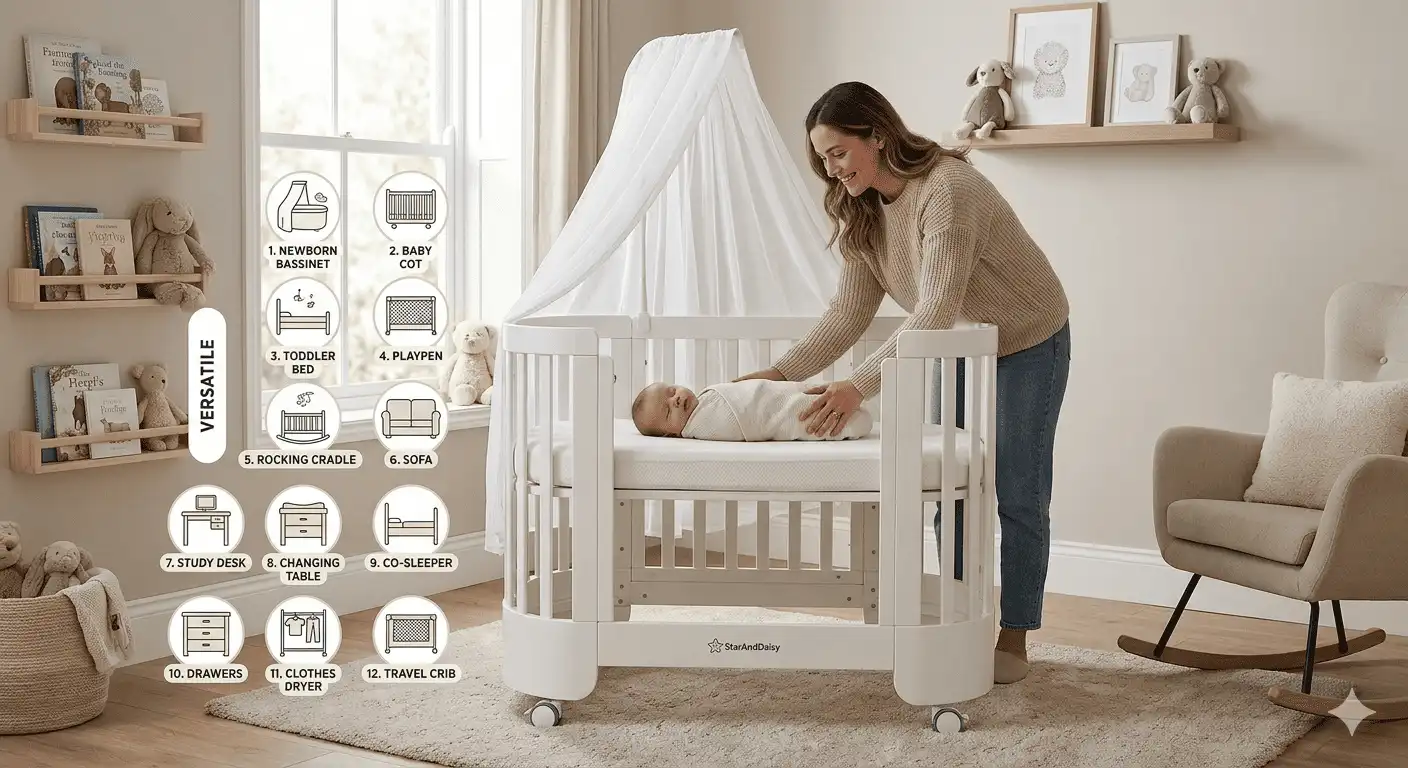
StarAndDaisy 12-in-1 Baby Cot — The Last Baby Bed You'll Ever Need to Buy
growth development

StarAndDaisy 12-in-1 Baby Cot — The Last Baby Bed You'll Ever Need to Buy

A multi-functional baby cot that grows with your child and saves space and money.
Dr. Priya Jain 3 min
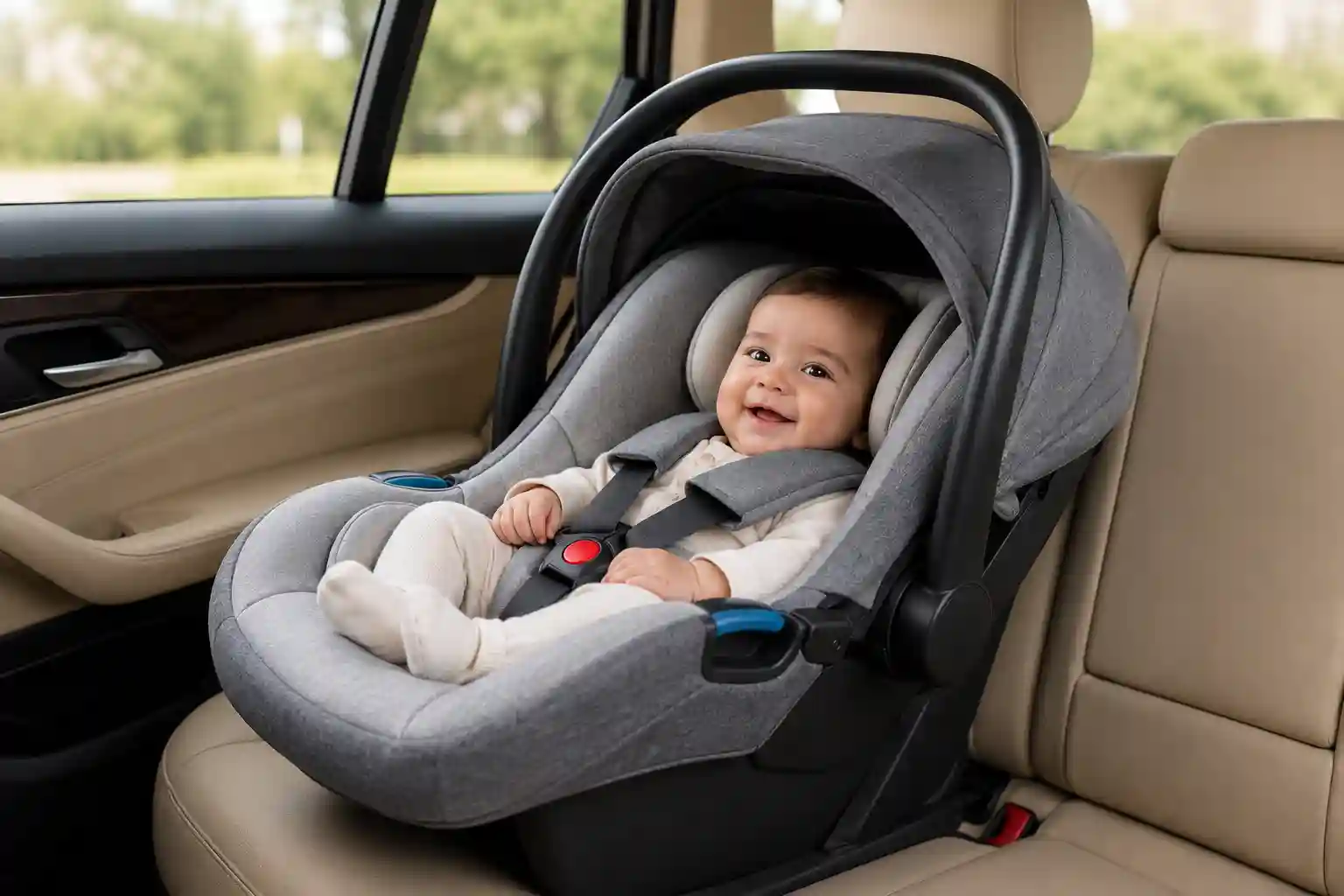
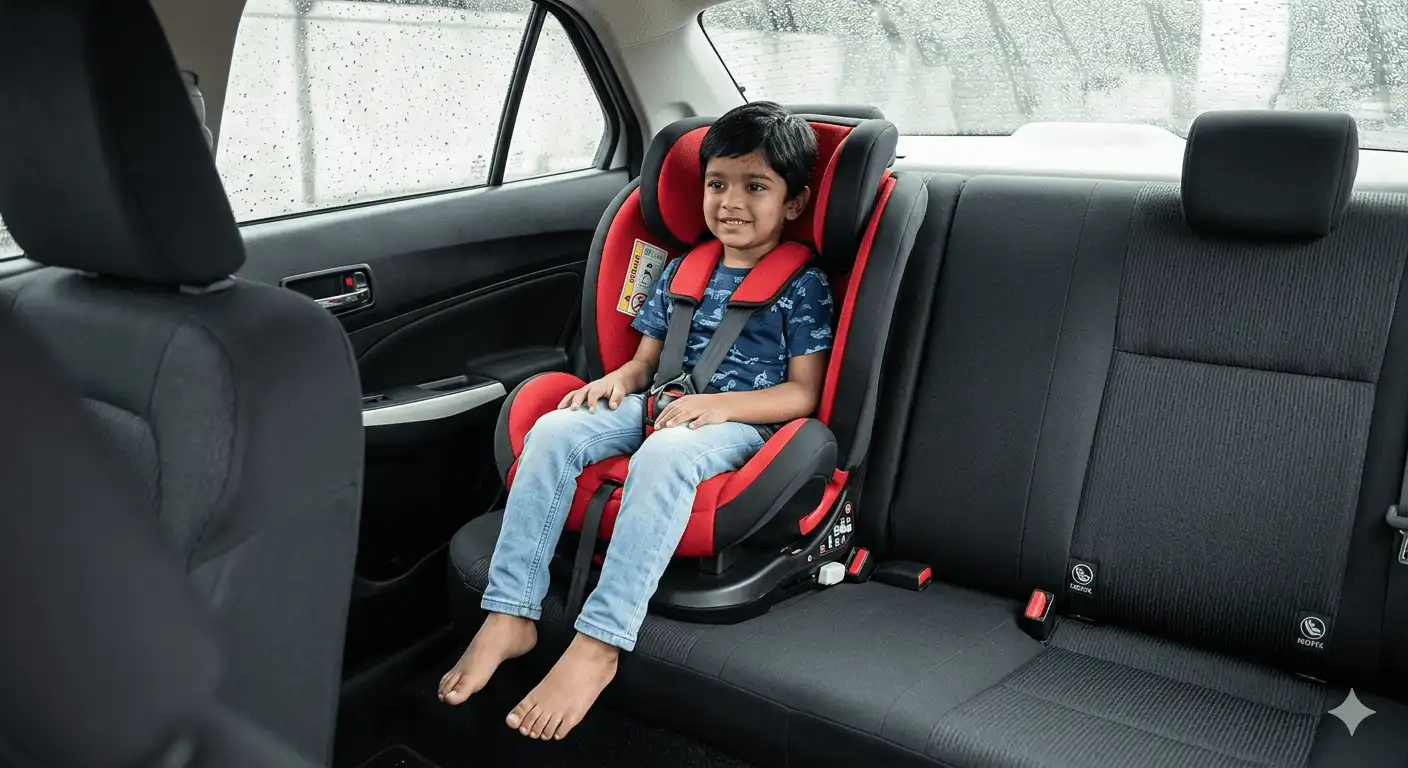
 Baby Car Seat with ISOFIX — Because Road Safety Is Non-Negotiable
growth development

Baby Car Seat with ISOFIX — Because Road Safety Is Non-Negotiable

Ensure your child’s safety with a reliable ISOFIX car seat designed for Indian roads.
Dr. Priya Jain 1 min
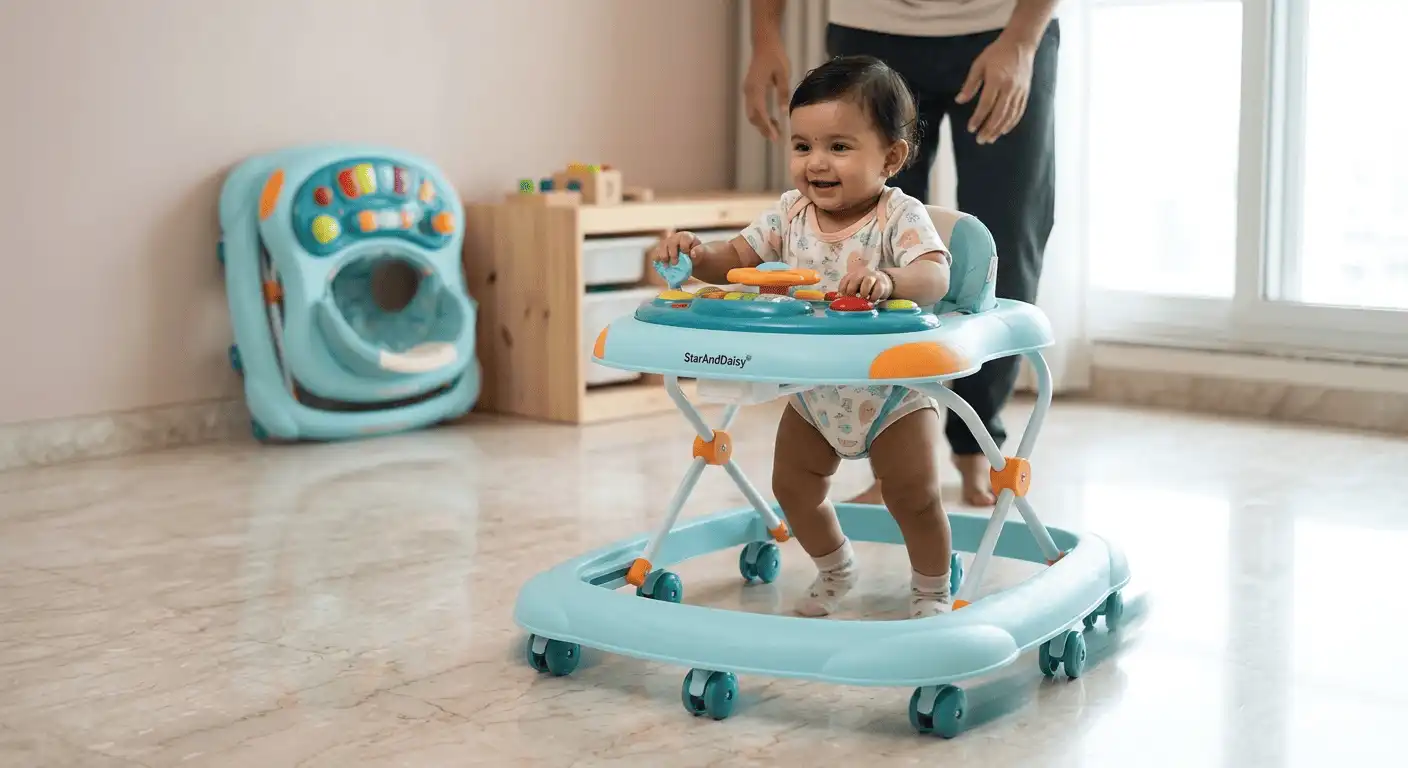
360° Baby Walker — Supporting First Steps the Right Way
parenting tips

360° Baby Walker — Supporting First Steps the Right Way

A safe and fun walker designed to support your baby’s first steps and movement.
Akash Jain, M.Ed 1 min
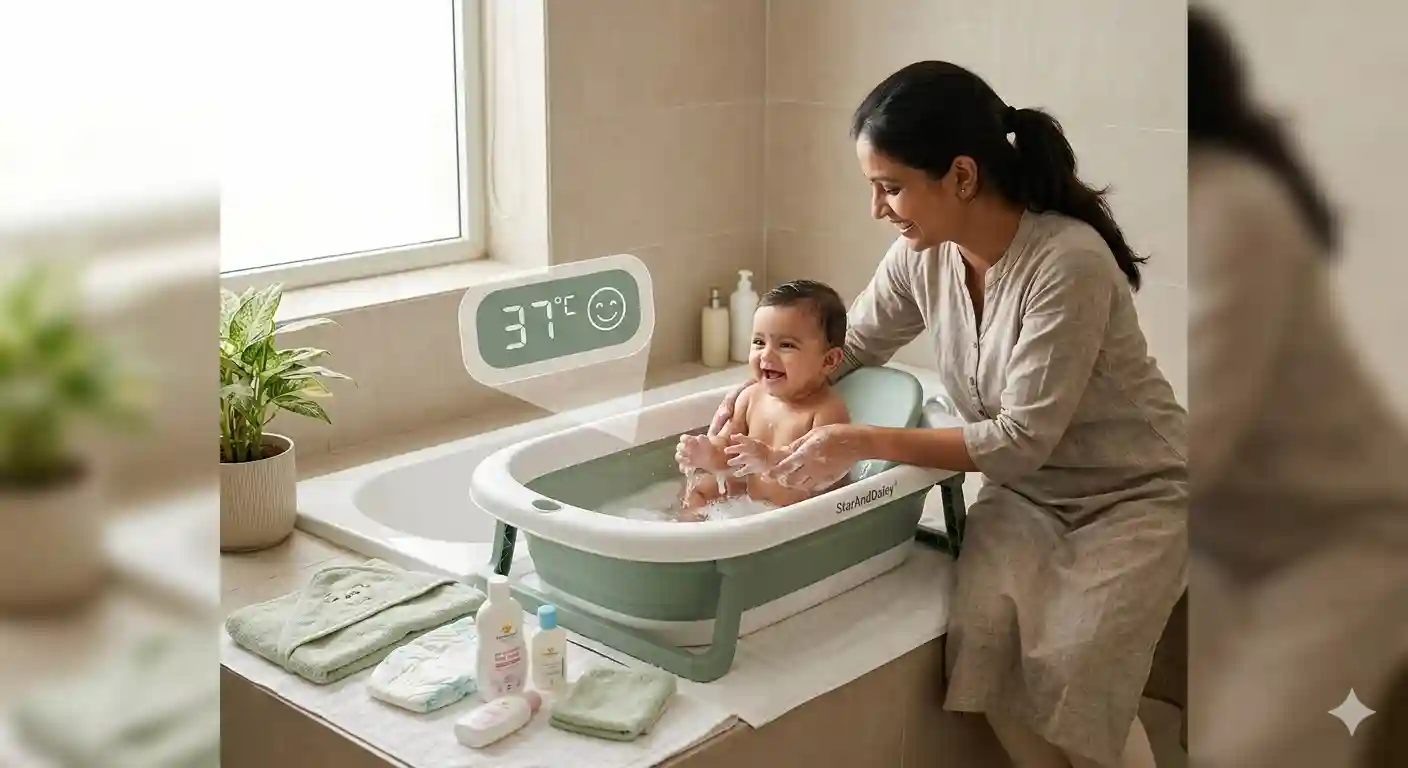
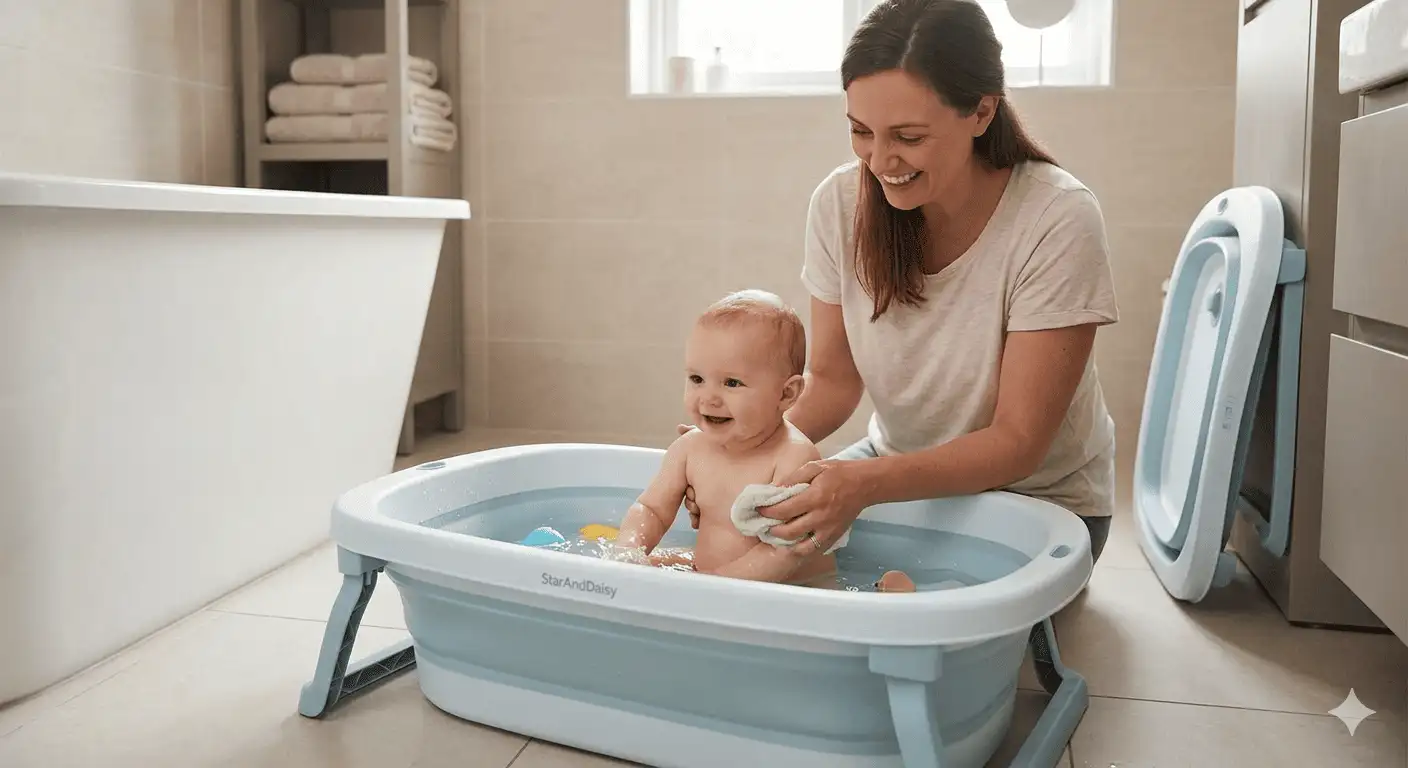
Why a Foldable Baby Bathtub Makes Bath Time 10x Easier
parenting tips

Why a Foldable Baby Bathtub Makes Bath Time 10x Easier

Discover how a foldable baby bathtub makes bath time safer, easier, and stress-free for parents. Perfect for Indian homes with limited space.
Akash Jain, M.Ed 1 min
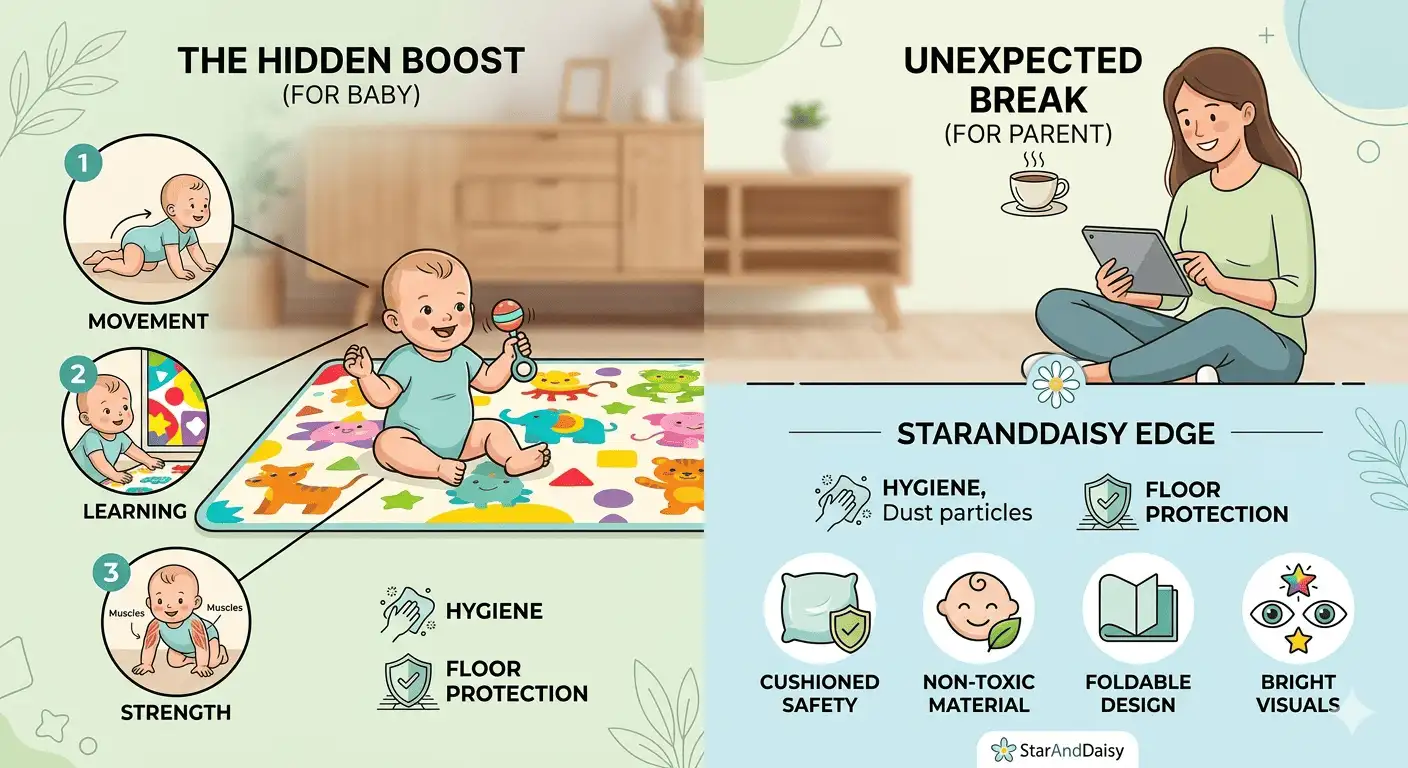
The Hidden Reason Babies Love Playmats (And Why Parents Should Too)
growth development

The Hidden Reason Babies Love Playmats (And Why Parents Should Too)

Discover why baby playmats are more than just soft surfaces. From motor skill development to independent play, learn how they benefit both babies and parents.
Dr. Priya Jain 1 min
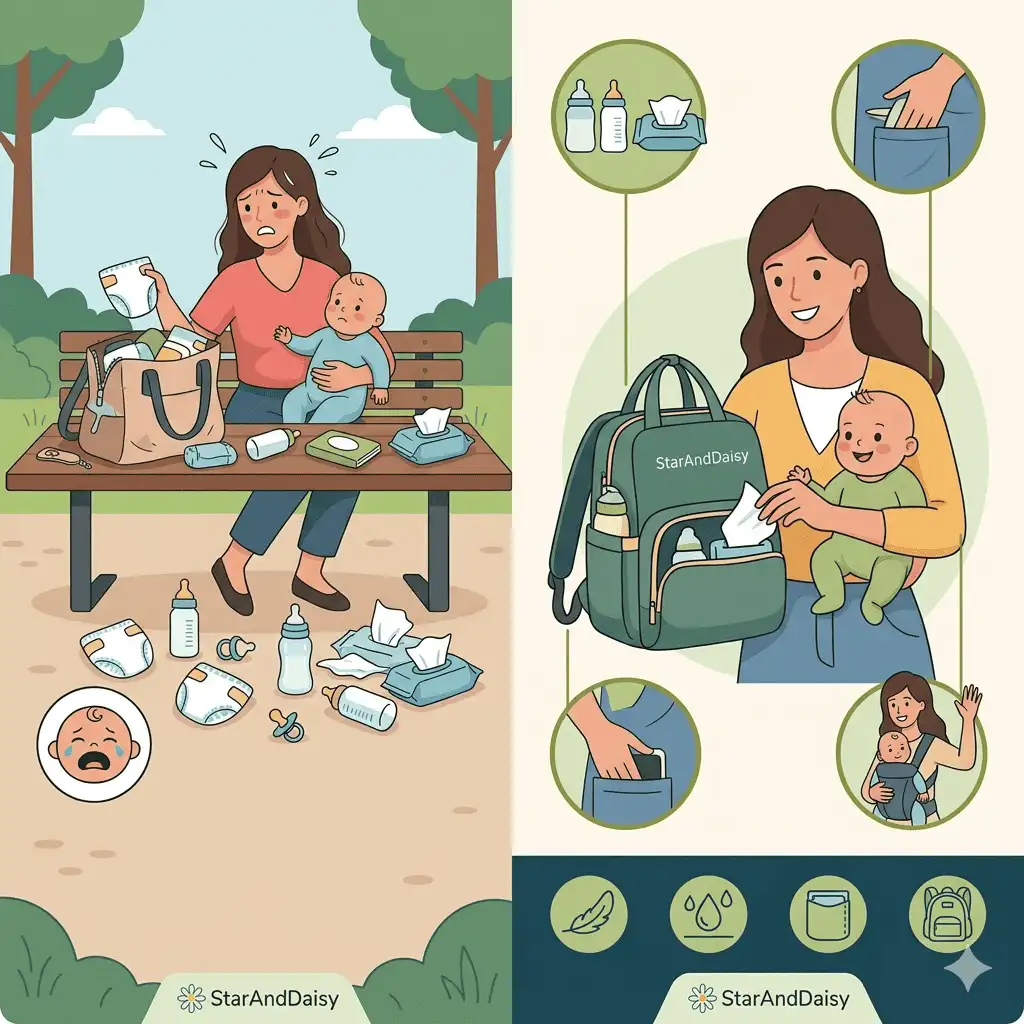
Why a Compact Diaper Bag is the Most Underrated Parenting Upgrade
parenting tips

Why a Compact Diaper Bag is the Most Underrated Parenting Upgrade

Discover why a compact diaper bag is a game-changer for parents. Stay organized, stress-free, and prepared wherever you go with your baby.

Dr. Priya Jain 1 min
Budget vs Premium Baby Products: What’s Worth Spending On?
health wellness

Budget vs Premium Baby Products: What’s Worth Spending On?

Confused about where to spend and where to save on baby products? This guide breaks down which baby essentials are worth the investment and where budget options work just fine.

Akash Jain, M.Ed 1 min
Ergonomics in Baby Products: Why It Matters More Than You Think
parenting tips

Ergonomics in Baby Products: Why It Matters More Than You Think

Discover why ergonomics in baby products is crucial for your child’s development. Learn how proper positioning impacts hips, spine, and overall growth.
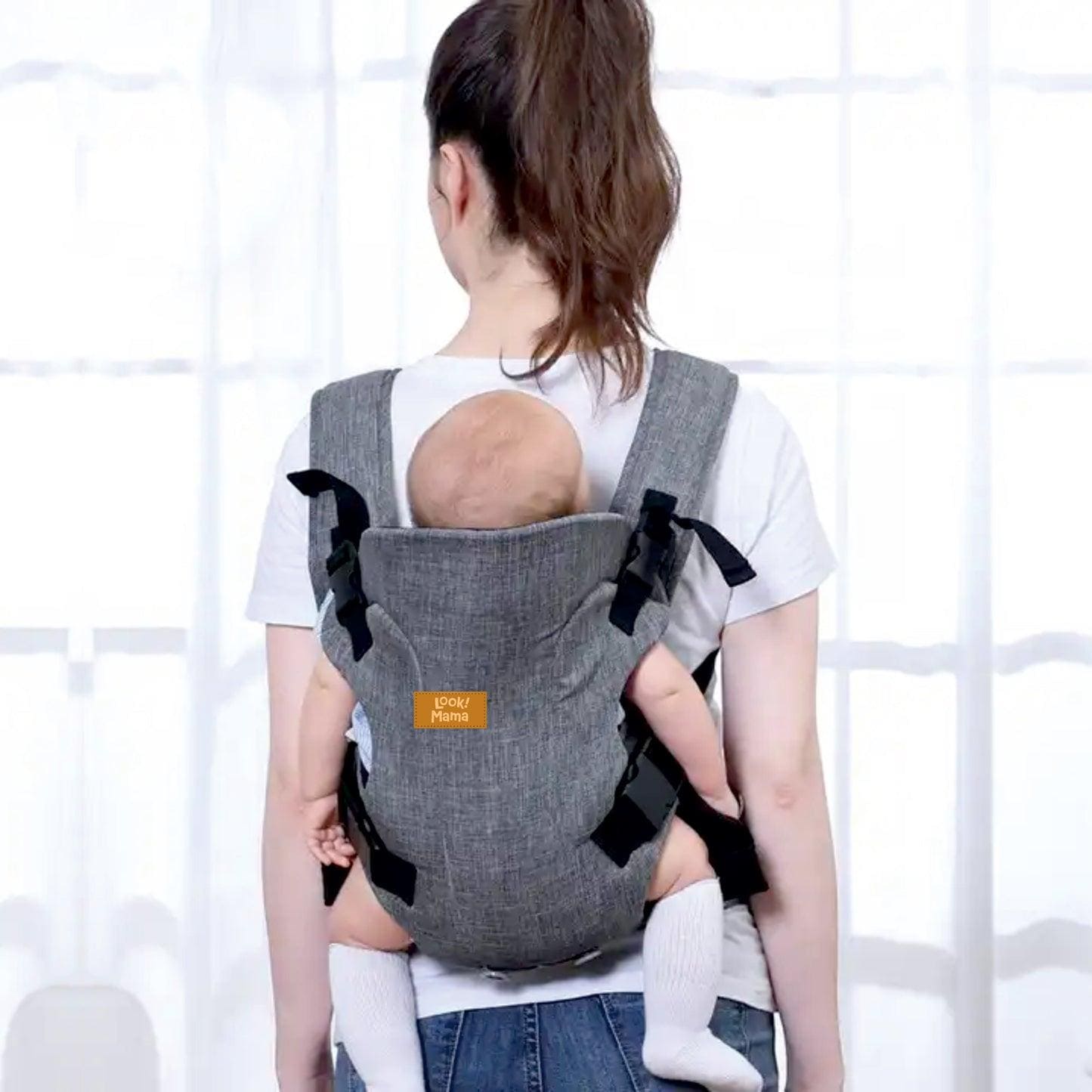
Dr. Sara Chaturvedi 7 min
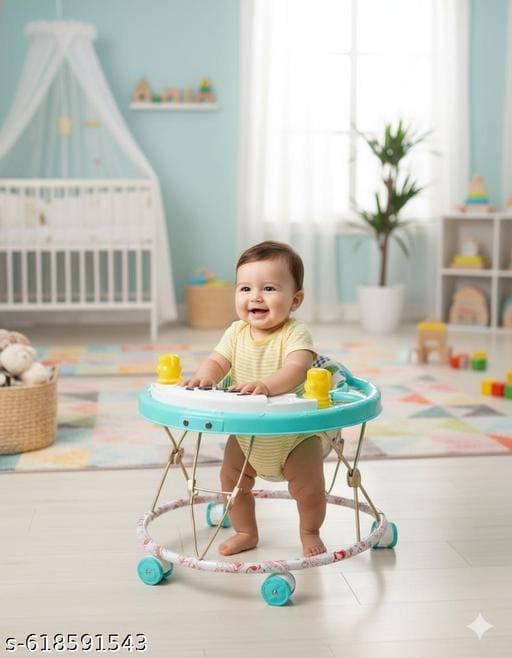
When Should You Start Using a Baby Walker, Carrier, or High Chair? One of the most common — and genuinely important — questions in baby parenting isn't "which product should I buy?" It's "when should I actually use it?" Timing matters enormously with baby gear. The same product that supports healthy development at the right stage can interfere with it if introduced too early. And in a market that tends to push "the earlier, the better," parents are often left confused about what's actually appropriate for their baby's stage. This guide gives you honest, development-based guidance on three of the most commonly timed products: the baby carrier, the high chair, and the baby walker.  Baby Carrier: Earlier Than You Think When Can You Start? A baby carrier can be used from birth — even from day one — with the right carrier and correct positioning. Newborn-appropriate carriers come with an infant insert or built-in adjustment to support a baby whose muscle tone and head control are still developing. This is one of the earlier introductions you can make, and it's often one of the most beneficial. What to Look For at Each Stage Newborn to 4 months:  Baby must be in a fully supported, upright position against your chest Head must be supported (carrier should come up to the back of the head) Hips must be in the M-position (knees higher than bottom) Baby's face must always be visible to you Use a carrier with a newborn insert or one specifically designed for newborns  4–8 months:  Baby is developing head control but still needs structured support Most ergonomic carriers now fit well without additional inserts Both front-carry (facing in) and hip-carry become options as baby gains control  8+ months:  Back-carry becomes an option — keep sessions shorter as you learn the position Babies at this stage enjoy being higher up and seeing the world A well-fitted carrier continues to be ergonomically appropriate even as baby grows heavier  The Safety Non-Negotiables The T-I-C-K-S framework from babywearing experts covers the key safety checks:  Tight — carrier should be snug, not loose In view — you can always see baby's face Close enough to kiss — baby is high enough Keep chin off chest — airway must remain open Supported back — baby's back is supported in a natural curve  A well-designed ergonomic carrier makes all of these easier to achieve by default.  High Chair: The Six-Month Milestone When Should You Start? A high chair is appropriate from around 6 months — but the specific trigger isn't age. It's developmental readiness for solid foods, which typically coincides with:  The ability to sit with support (not independently — with support) Showing interest in food — watching adults eat, reaching toward food The disappearance of the tongue-thrust reflex that pushes food out of the mouth No longer being exclusively breastfed or formula-fed by choice (this is a guideline starting point, not a hard rule)  Your paediatrician will advise on when to begin solids. The high chair introduction follows that recommendation. What "Ready for a High Chair" Looks Like Babies introduced to high chairs before they have adequate trunk control will slump to one side, which is both uncomfortable and poor for posture development. A baby who can hold their head steadily, sit upright with light support, and show engagement with what's in front of them is a baby who's ready. Choosing the Right High Chair for This Stage Look for:  Adjustable footrest — feet flat on a footrest (not dangling) supports core stability during feeding Five-point harness — keeps baby secure even as they become more mobile Removable tray — pulls up to your dining table when baby is older Wipeable material — you will need this more than you expect  A high chair used consistently from 6 months typically serves until 2–3 years of age. This is one of the longest-serving pieces of baby gear you'll buy. When to Stop Using a High Chair Most toddlers transition to a booster seat at the regular table between 2–3 years, once they can sit stably and are ready for the social experience of eating at the family table. Some convertible high chairs adapt to become booster seats, extending their useful life.  Baby Walker: The Most Complicated Conversation The Honest Position Baby walkers — specifically wheeled baby walkers — are the most debated piece of baby gear from a developmental standpoint. The Indian Academy of Pediatrics and the American Academy of Pediatrics have both advised against wheeled walkers, primarily for two reasons:  Safety risk: Wheeled walkers allow babies to move faster than they (or you) can anticipate, creating significant fall and stair hazard risks. They're associated with a meaningful number of emergency room visits annually. Developmental concern: Counterintuitively, walkers may delay independent walking. They allow babies to move without developing the balance, core strength, and motor planning that independent walking requires.  This doesn't mean all walkers are harmful. It means the evidence for wheeled walkers is concerning enough to warrant serious consideration. The Distinction That Matters Wheeled/mobile walkers — the traditional ring-shaped device on wheels. These are the ones associated with safety concerns and developmental delay with overuse. Stationary activity walkers / push walkers — babies stand at these, push them along, or play at the activity panel without the ring surrounding them. These are generally considered developmentally appropriate and safer. If You Choose to Use a Wheeled Walker If you decide to use one — as many Indian families do, often due to extended family tradition — the guidelines are:  Age: Not before 6 months, and ideally only between 6–12 months Supervision: Always, without exception — never near stairs, doors, or pools Duration: Limit sessions to 20–30 minutes maximum Footrest position: Baby's feet should touch the floor flat, with a slight knee bend — not tip-toeing  Look for a walker with a wide base (harder to tip) and functional braking mechanisms near edges. What to Do Instead Floor time, tummy time, cruising along furniture, and pull-to-stand play all build the muscles and motor skills that lead to independent walking. A push walker (a sturdy toy the baby pushes across the floor) is a much more developmentally supportive option for the 9–12 month stage.  Quick Reference: Timing Guide ProductWhen to StartKey Readiness SignsWhen to StopBaby CarrierFrom birth (with newborn insert)Any age with correct carrier/positionNo fixed end — until too heavyHigh Chair~6 monthsSits with support, shows food interest2–3 years (transition to booster)Wheeled Walker6 months (use sparingly)Feet flat on floor, supervised only12 months or independent walkingPush Walker9–10 monthsPulling to stand independentlyIndependent walking achieved  Conclusion The "when" behind baby gear matters just as much as the "what." Developmental readiness — not age alone, and certainly not marketing — should drive your timing decisions. When in doubt, your paediatrician is the best resource for your specific baby. And when you see a product being used at an age or stage that doesn't feel right, trust that instinct.  Frequently Asked Questions Q1. Can I use a baby carrier from day one without any prior experience? Yes, but take some time to learn correct positioning before use — watch tutorials, read the carrier manual carefully, and if possible, get a babywearing consultation. Most carriers from reputable brands provide clear visual guides. The TICKS safety check is a reliable ongoing reference. Q2. My baby hates the high chair — what should I do? Start with very short sessions and make them positive. Ensure the height and footrest are adjusted correctly — discomfort is a common reason for refusal. Some babies need a few weeks to adjust. If refusal persists, consult your paediatrician to rule out any sensory or developmental factors. Q3. My family insists on using a baby walker — how do I navigate this? This is a genuinely common situation in Indian families. Share the paediatric guidance in a non-confrontational way. If you choose to allow use under family pressure, set clear boundaries around supervision, duration, and never near stairs. A push walker is a good compromise to suggest. Q4. Is it safe to carry a baby in a carrier while cooking? Front-carry while cooking near a hot stove is not recommended — heat and steam from cooking pose a risk to baby. Cooking is a good time for the baby to be in a bouncer, on a play mat where they can see you, or with another family member. Q5. What's the best carrier type for hot Indian weather? Mesh carriers or those in lightweight linen and cotton blends are best for hot climates. Look for breathable fabrics, avoid padded synthetic carriers for summer use. Ring slings in muslin are also a popular choice for warmer months.
health wellness

When Should You Start Using a Baby Walker, Carrier, or High Chair? One of the most common — and genuinely important — questions in baby parenting isn't "which product should I buy?" It's "when should I actually use it?" Timing matters enormously with baby gear. The same product that supports healthy development at the right stage can interfere with it if introduced too early. And in a market that tends to push "the earlier, the better," parents are often left confused about what's actually appropriate for their baby's stage. This guide gives you honest, development-based guidance on three of the most commonly timed products: the baby carrier, the high chair, and the baby walker. Baby Carrier: Earlier Than You Think When Can You Start? A baby carrier can be used from birth — even from day one — with the right carrier and correct positioning. Newborn-appropriate carriers come with an infant insert or built-in adjustment to support a baby whose muscle tone and head control are still developing. This is one of the earlier introductions you can make, and it's often one of the most beneficial. What to Look For at Each Stage Newborn to 4 months: Baby must be in a fully supported, upright position against your chest Head must be supported (carrier should come up to the back of the head) Hips must be in the M-position (knees higher than bottom) Baby's face must always be visible to you Use a carrier with a newborn insert or one specifically designed for newborns 4–8 months: Baby is developing head control but still needs structured support Most ergonomic carriers now fit well without additional inserts Both front-carry (facing in) and hip-carry become options as baby gains control 8+ months: Back-carry becomes an option — keep sessions shorter as you learn the position Babies at this stage enjoy being higher up and seeing the world A well-fitted carrier continues to be ergonomically appropriate even as baby grows heavier The Safety Non-Negotiables The T-I-C-K-S framework from babywearing experts covers the key safety checks: Tight — carrier should be snug, not loose In view — you can always see baby's face Close enough to kiss — baby is high enough Keep chin off chest — airway must remain open Supported back — baby's back is supported in a natural curve A well-designed ergonomic carrier makes all of these easier to achieve by default. High Chair: The Six-Month Milestone When Should You Start? A high chair is appropriate from around 6 months — but the specific trigger isn't age. It's developmental readiness for solid foods, which typically coincides with: The ability to sit with support (not independently — with support) Showing interest in food — watching adults eat, reaching toward food The disappearance of the tongue-thrust reflex that pushes food out of the mouth No longer being exclusively breastfed or formula-fed by choice (this is a guideline starting point, not a hard rule) Your paediatrician will advise on when to begin solids. The high chair introduction follows that recommendation. What "Ready for a High Chair" Looks Like Babies introduced to high chairs before they have adequate trunk control will slump to one side, which is both uncomfortable and poor for posture development. A baby who can hold their head steadily, sit upright with light support, and show engagement with what's in front of them is a baby who's ready. Choosing the Right High Chair for This Stage Look for: Adjustable footrest — feet flat on a footrest (not dangling) supports core stability during feeding Five-point harness — keeps baby secure even as they become more mobile Removable tray — pulls up to your dining table when baby is older Wipeable material — you will need this more than you expect A high chair used consistently from 6 months typically serves until 2–3 years of age. This is one of the longest-serving pieces of baby gear you'll buy. When to Stop Using a High Chair Most toddlers transition to a booster seat at the regular table between 2–3 years, once they can sit stably and are ready for the social experience of eating at the family table. Some convertible high chairs adapt to become booster seats, extending their useful life. Baby Walker: The Most Complicated Conversation The Honest Position Baby walkers — specifically wheeled baby walkers — are the most debated piece of baby gear from a developmental standpoint. The Indian Academy of Pediatrics and the American Academy of Pediatrics have both advised against wheeled walkers, primarily for two reasons: Safety risk: Wheeled walkers allow babies to move faster than they (or you) can anticipate, creating significant fall and stair hazard risks. They're associated with a meaningful number of emergency room visits annually. Developmental concern: Counterintuitively, walkers may delay independent walking. They allow babies to move without developing the balance, core strength, and motor planning that independent walking requires. This doesn't mean all walkers are harmful. It means the evidence for wheeled walkers is concerning enough to warrant serious consideration. The Distinction That Matters Wheeled/mobile walkers — the traditional ring-shaped device on wheels. These are the ones associated with safety concerns and developmental delay with overuse. Stationary activity walkers / push walkers — babies stand at these, push them along, or play at the activity panel without the ring surrounding them. These are generally considered developmentally appropriate and safer. If You Choose to Use a Wheeled Walker If you decide to use one — as many Indian families do, often due to extended family tradition — the guidelines are: Age: Not before 6 months, and ideally only between 6–12 months Supervision: Always, without exception — never near stairs, doors, or pools Duration: Limit sessions to 20–30 minutes maximum Footrest position: Baby's feet should touch the floor flat, with a slight knee bend — not tip-toeing Look for a walker with a wide base (harder to tip) and functional braking mechanisms near edges. What to Do Instead Floor time, tummy time, cruising along furniture, and pull-to-stand play all build the muscles and motor skills that lead to independent walking. A push walker (a sturdy toy the baby pushes across the floor) is a much more developmentally supportive option for the 9–12 month stage. Quick Reference: Timing Guide ProductWhen to StartKey Readiness SignsWhen to StopBaby CarrierFrom birth (with newborn insert)Any age with correct carrier/positionNo fixed end — until too heavyHigh Chair~6 monthsSits with support, shows food interest2–3 years (transition to booster)Wheeled Walker6 months (use sparingly)Feet flat on floor, supervised only12 months or independent walkingPush Walker9–10 monthsPulling to stand independentlyIndependent walking achieved Conclusion The "when" behind baby gear matters just as much as the "what." Developmental readiness — not age alone, and certainly not marketing — should drive your timing decisions. When in doubt, your paediatrician is the best resource for your specific baby. And when you see a product being used at an age or stage that doesn't feel right, trust that instinct. Frequently Asked Questions Q1. Can I use a baby carrier from day one without any prior experience? Yes, but take some time to learn correct positioning before use — watch tutorials, read the carrier manual carefully, and if possible, get a babywearing consultation. Most carriers from reputable brands provide clear visual guides. The TICKS safety check is a reliable ongoing reference. Q2. My baby hates the high chair — what should I do? Start with very short sessions and make them positive. Ensure the height and footrest are adjusted correctly — discomfort is a common reason for refusal. Some babies need a few weeks to adjust. If refusal persists, consult your paediatrician to rule out any sensory or developmental factors. Q3. My family insists on using a baby walker — how do I navigate this? This is a genuinely common situation in Indian families. Share the paediatric guidance in a non-confrontational way. If you choose to allow use under family pressure, set clear boundaries around supervision, duration, and never near stairs. A push walker is a good compromise to suggest. Q4. Is it safe to carry a baby in a carrier while cooking? Front-carry while cooking near a hot stove is not recommended — heat and steam from cooking pose a risk to baby. Cooking is a good time for the baby to be in a bouncer, on a play mat where they can see you, or with another family member. Q5. What's the best carrier type for hot Indian weather? Mesh carriers or those in lightweight linen and cotton blends are best for hot climates. Look for breathable fabrics, avoid padded synthetic carriers for summer use. Ring slings in muslin are also a popular choice for warmer months.

Not sure when to introduce baby gear like walkers, carriers, or high chairs? This guide explains the right timing based on your baby’s development stage.
Dr. Sara Chaturvedi 1 min
Travel-Friendly Baby Essentials: Stress-Free Trips with Your Little One
growth development

Travel-Friendly Baby Essentials: Stress-Free Trips with Your Little One

Traveling with a baby in India can be overwhelming, but the right essentials make all the difference. Discover smart, compact, and versatile baby travel gear for stress-free trips.

Dr. Sara Chaturvedi 8 min
Space-Saving Baby Products for Modern Indian Homes
health wellness

Space-Saving Baby Products for Modern Indian Homes

Struggling to fit baby essentials into a compact Indian home? Discover smart, space-saving baby products and practical tips that help you maximize functionality without clutter.

Dr. Priya Jain 1 min
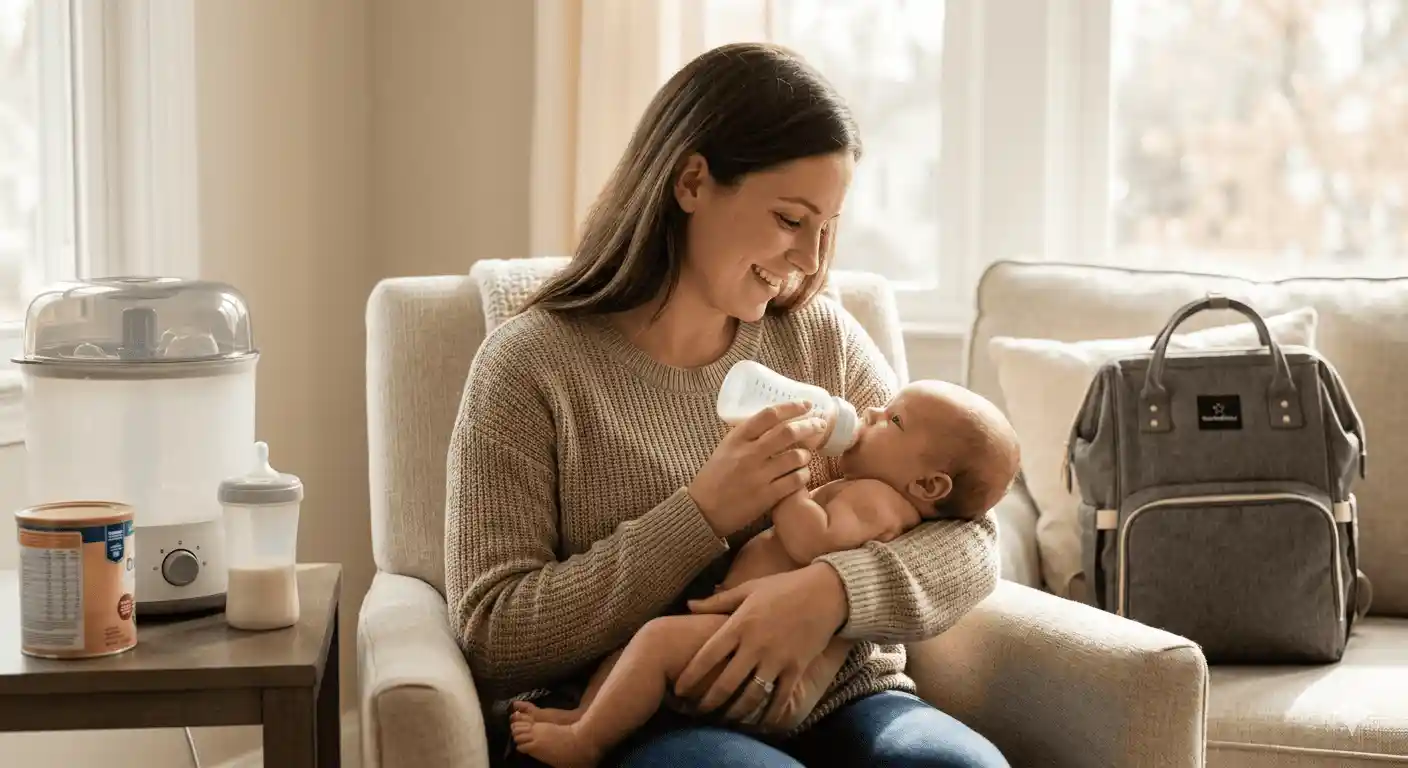
Top 10 Baby Feeding Essentials Every Parent Needs
product guides

Top 10 Baby Feeding Essentials Every Parent Needs

Feeding your baby happens multiple times a day—having the right tools doesn’t just make it easier, it makes it safer and far less stressful for parents.

Akash Jain, M.Ed 1 min
How to Choose the Right Baby Walker (Age-wise Guide)
baby common ailments

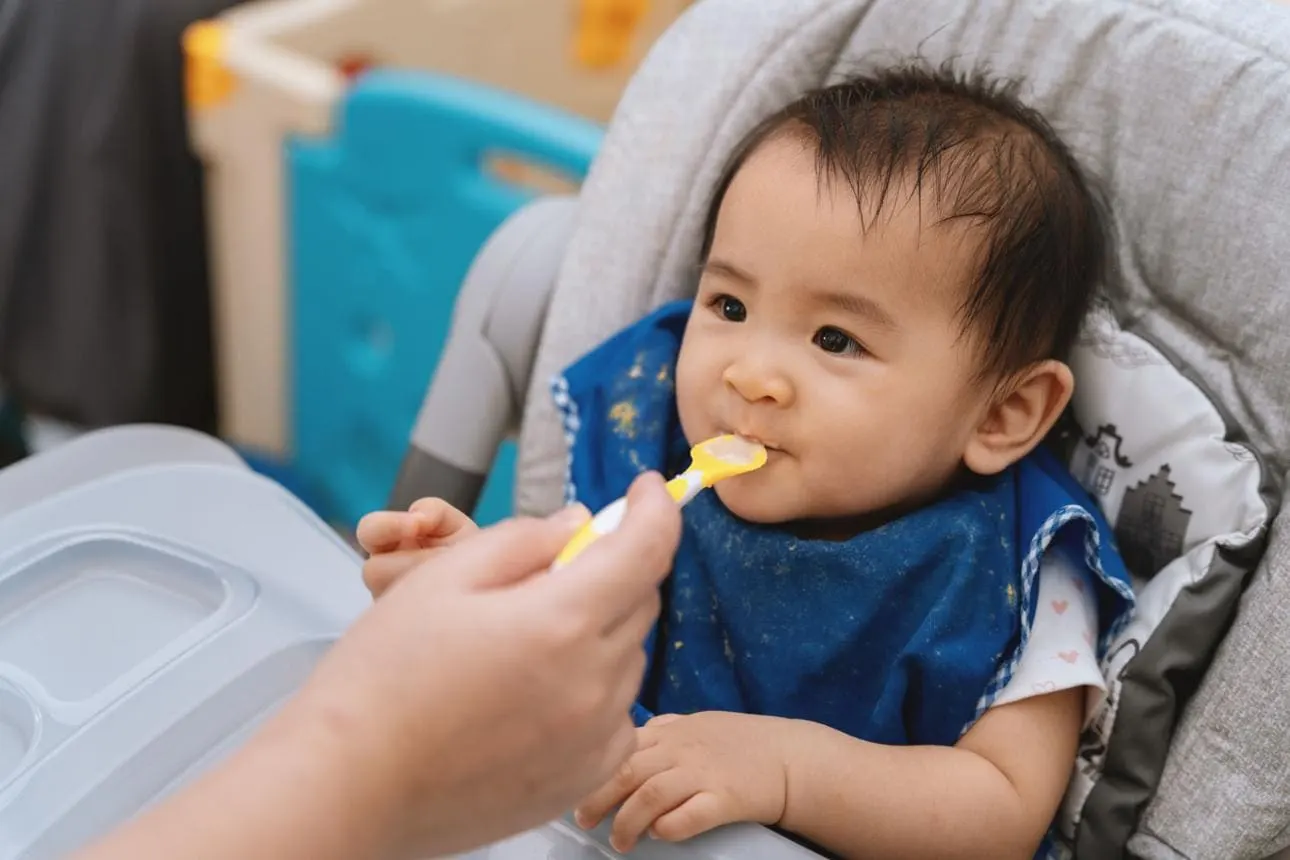
How to Choose the Right Baby Walker (Age-wise Guide)

Choosing a baby walker isn’t just about safety—it’s about timing. A walker that’s perfect for an 8-month-old can be completely wrong for a 5-month-old. Here’s how to choose correctly.
Dr. Sara Chaturvedi 1 min
Best Foldable Baby Products for Small Apartments
parenting tips

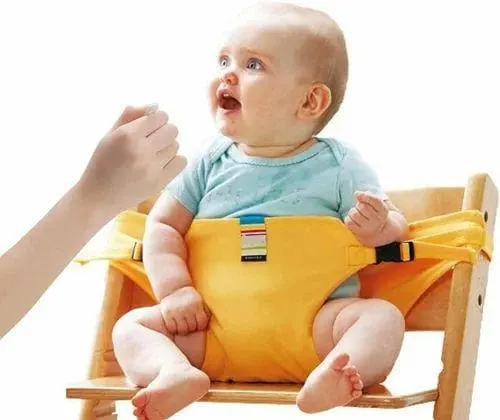
Best Foldable Baby Products for Small Apartments

Living in a compact apartment with a baby doesn’t mean compromising on comfort. The right foldable baby products can save space while keeping your home functional and clutter-free.
Editorial Team 1 min
High Chair vs Booster Seat: What Should You Choose?
growth development

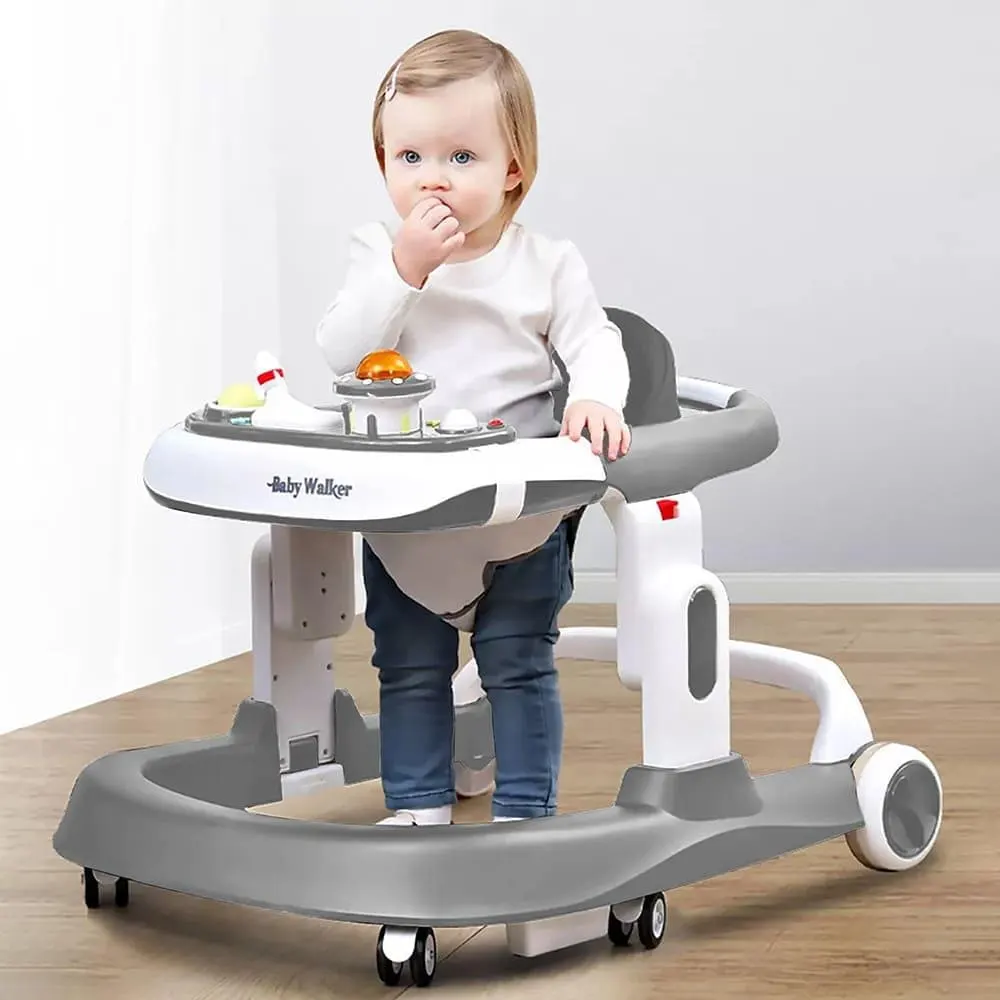
High Chair vs Booster Seat: What Should You Choose?

Both give your baby a safe elevated seat at mealtimes—but they differ in safety, age suitability, and practicality. Here’s a clear comparison to help you choose the right one.
Dr. Sara Chaturvedi 1 min
baby-walker-buying-guide-safety-tips-2026
growth development

baby-walker-buying-guide-safety-tips-2026

Baby walkers have been part of Indian homes for years—but not all are safe. Choosing the right one can support development, while the wrong one can pose serious risks. Here’s what every parent must know.

Dr. Priya Jain 1 min
Top Wardrobe Storage Solutions for Kids' Rooms
health wellness

Top Wardrobe Storage Solutions for Kids' Rooms

Kids’ rooms create chaos faster than you can manage it. Tiny clothes pile up, toys multiply overnight—but the solution isn’t more space, it’s smarter storage.

Akriti Rastogi, LCSW 1 min
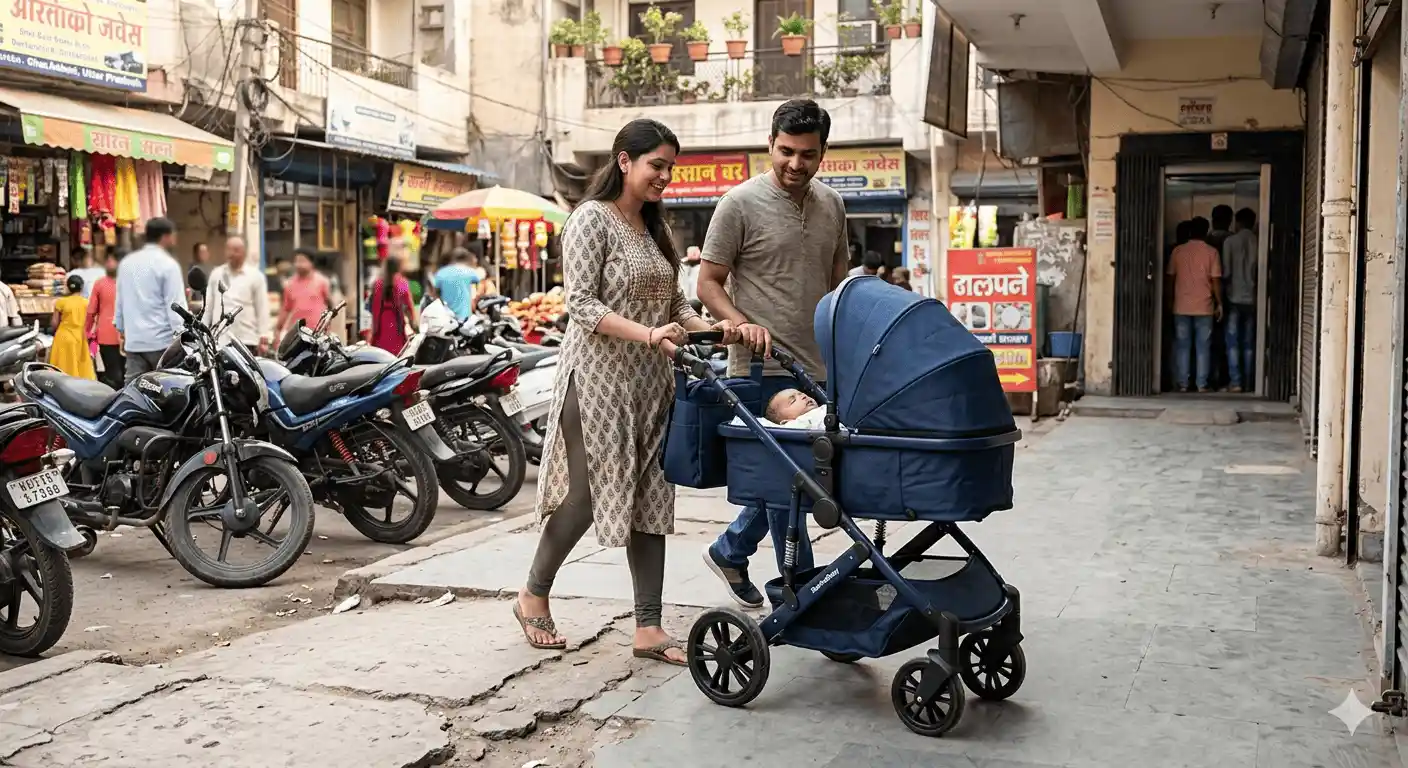
Best Baby Strollers in India (2026): Features, Safety & Buying Guide
product guides

Best Baby Strollers in India (2026): Features, Safety & Buying Guide

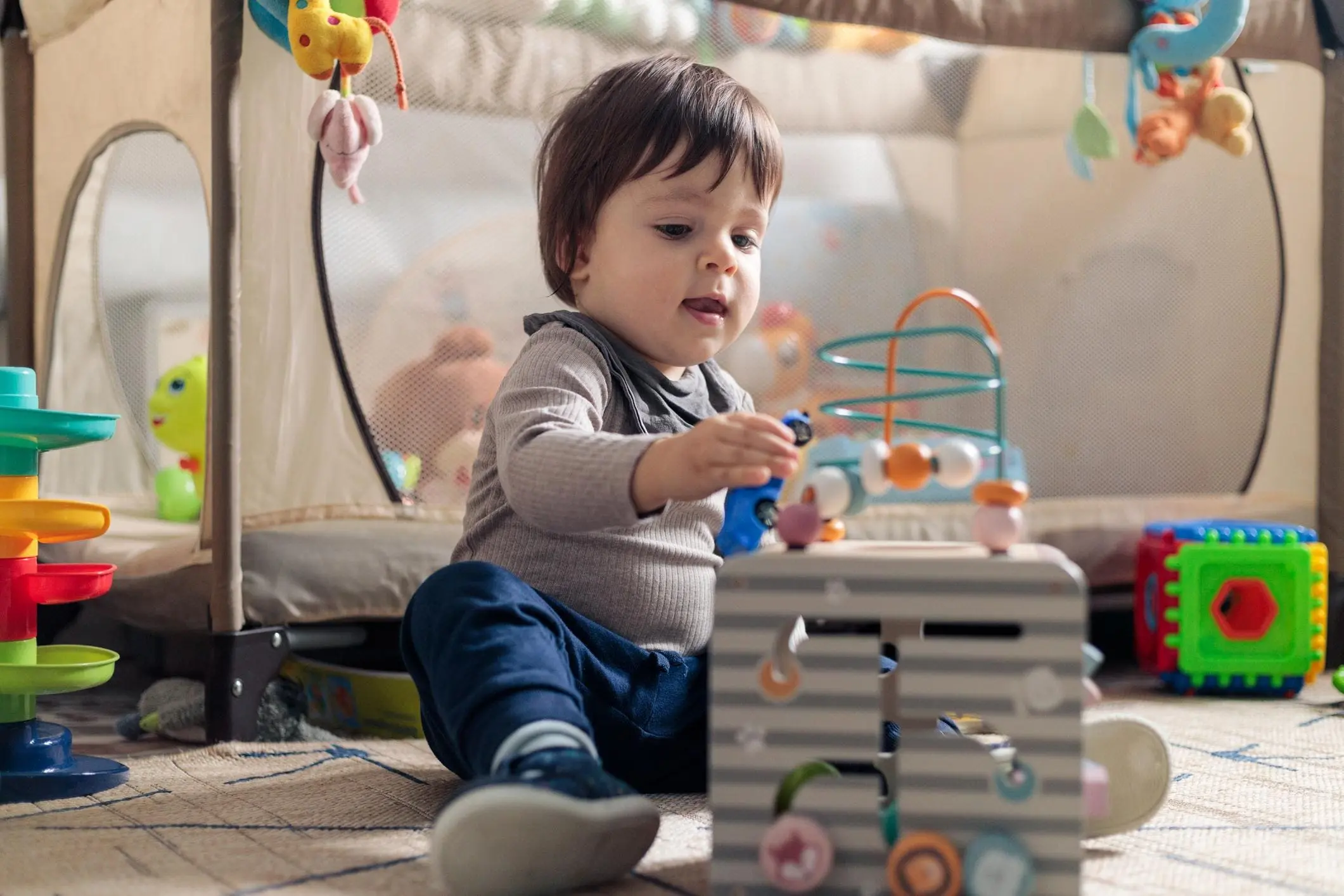
The right stroller makes daily outings enjoyable. The wrong one makes you dread leaving the house. Here’s exactly what to look for—and what to avoid—when choosing a baby stroller in India.
Akash Jain, M.Ed 1 min
Working Moms' Guide: Time-Saving Baby Products That Actually Help
parenting tips

Working Moms' Guide: Time-Saving Baby Products That Actually Help

A working mom in India? Discover the baby products that genuinely save time and reduce stress — from smart feeding gear to hands-free essentials, all curated for busy Indian mothers.

Dr. Sara Chaturvedi 1 min
How to Baby-Proof Your Home in India: Complete Safety Guide
safety

How to Baby-Proof Your Home in India: Complete Safety Guide

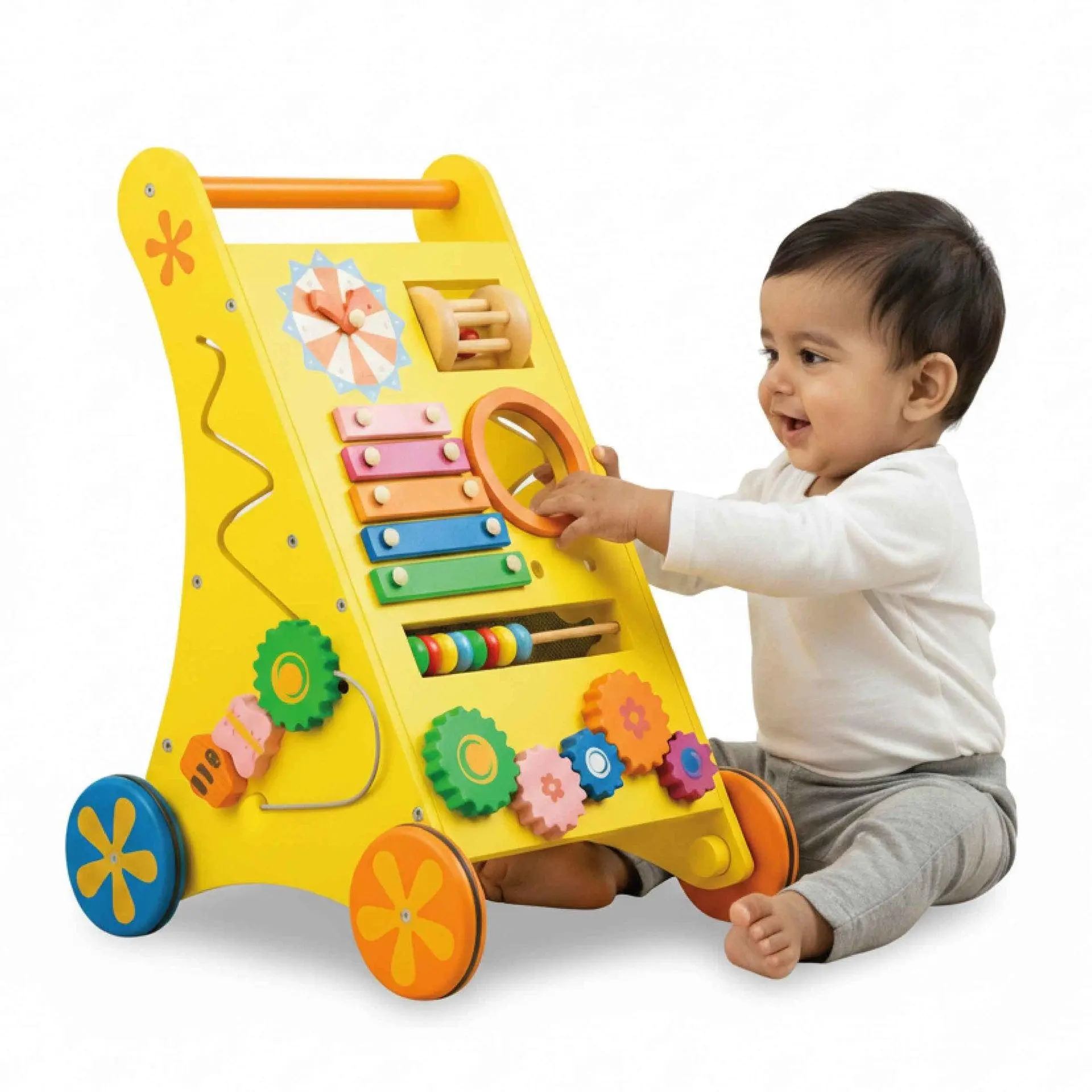
Learn how to baby-proof your Indian home room by room. From kitchen hazards to staircase gates and corner guards, this is the complete baby safety checklist every Indian parent needs.
Dr. Priya Jain 1 min
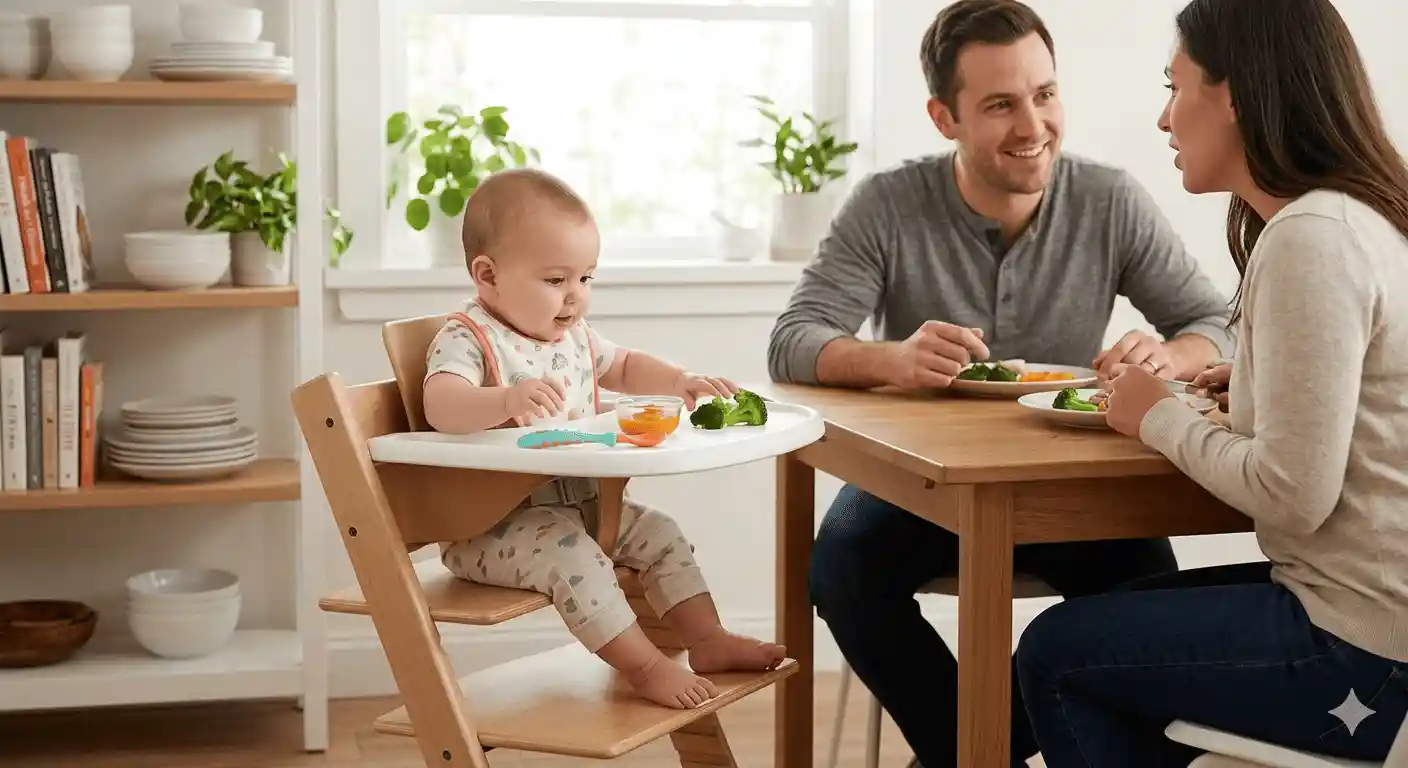
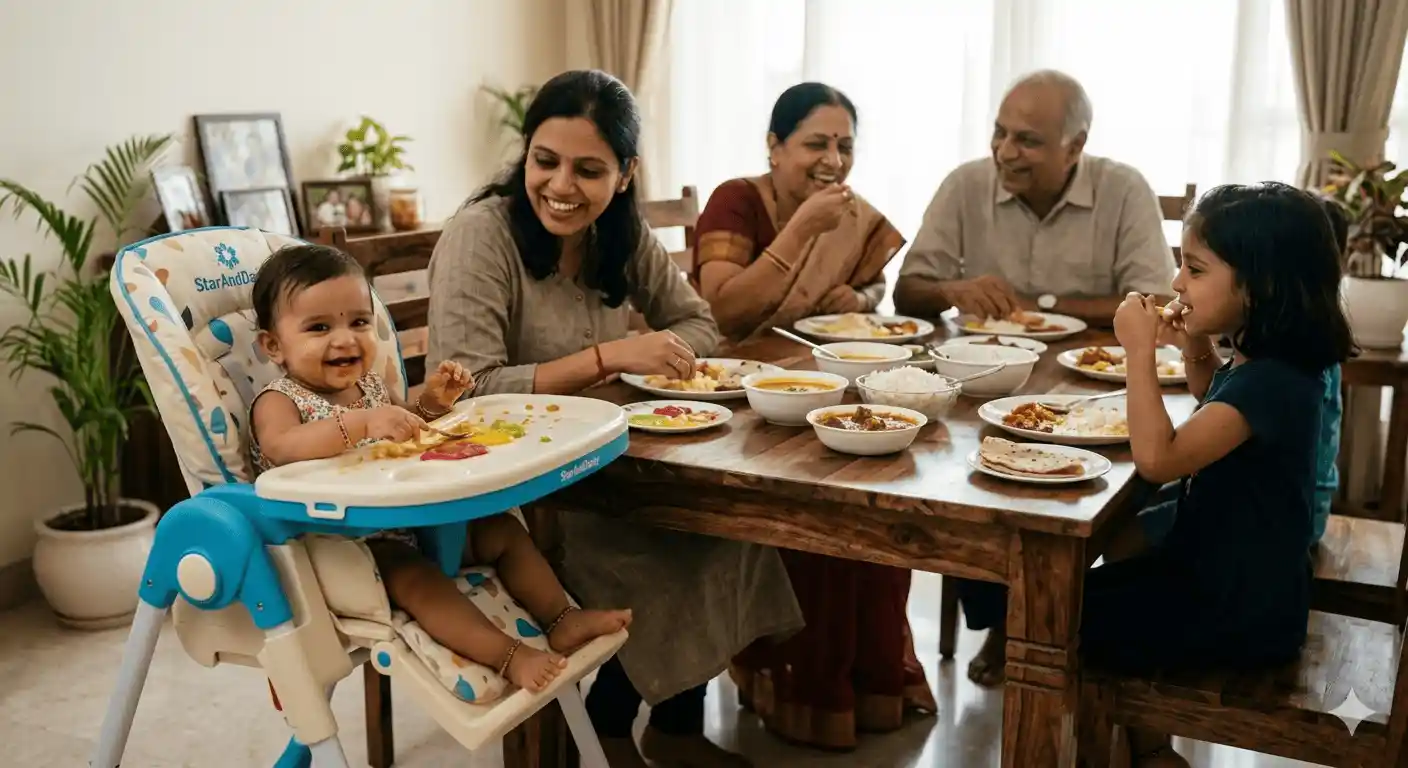
Best Baby High Chairs in India: Features That Make Feeding Easy
parenting tips

Best Baby High Chairs in India: Features That Make Feeding Easy

Discover the best baby high chairs in India for 2026. Learn what features matter, how to choose the right feeding chair, and which options suit Indian homes and budgets.

Dr. Sara Chaturvedi 1 min
Minimalist Parenting in India: 10 Baby Items You Actually Need
baby common ailments

Minimalist Parenting in India: 10 Baby Items You Actually Need

through the clutter with our minimalist parenting guide for Indian parents. Discover the 10 baby items you truly need — and ditch everything else without guilt.

Akash Jain, M.Ed 1 min
Traveling with a Baby in India: Must-Have Gear for Stress-Free Trips
travel kids

Traveling with a Baby in India: Must-Have Gear for Stress-Free Trips

Planning a trip with your baby in India? From train journeys to flights, here's the complete baby travel essentials checklist every Indian parent needs for a smooth, stress-free experience.

Divya Agarwal 1 min
Best Baby Walkers in India: Safety, Features & What to Avoid
growth development

Best Baby Walkers in India: Safety, Features & What to Avoid

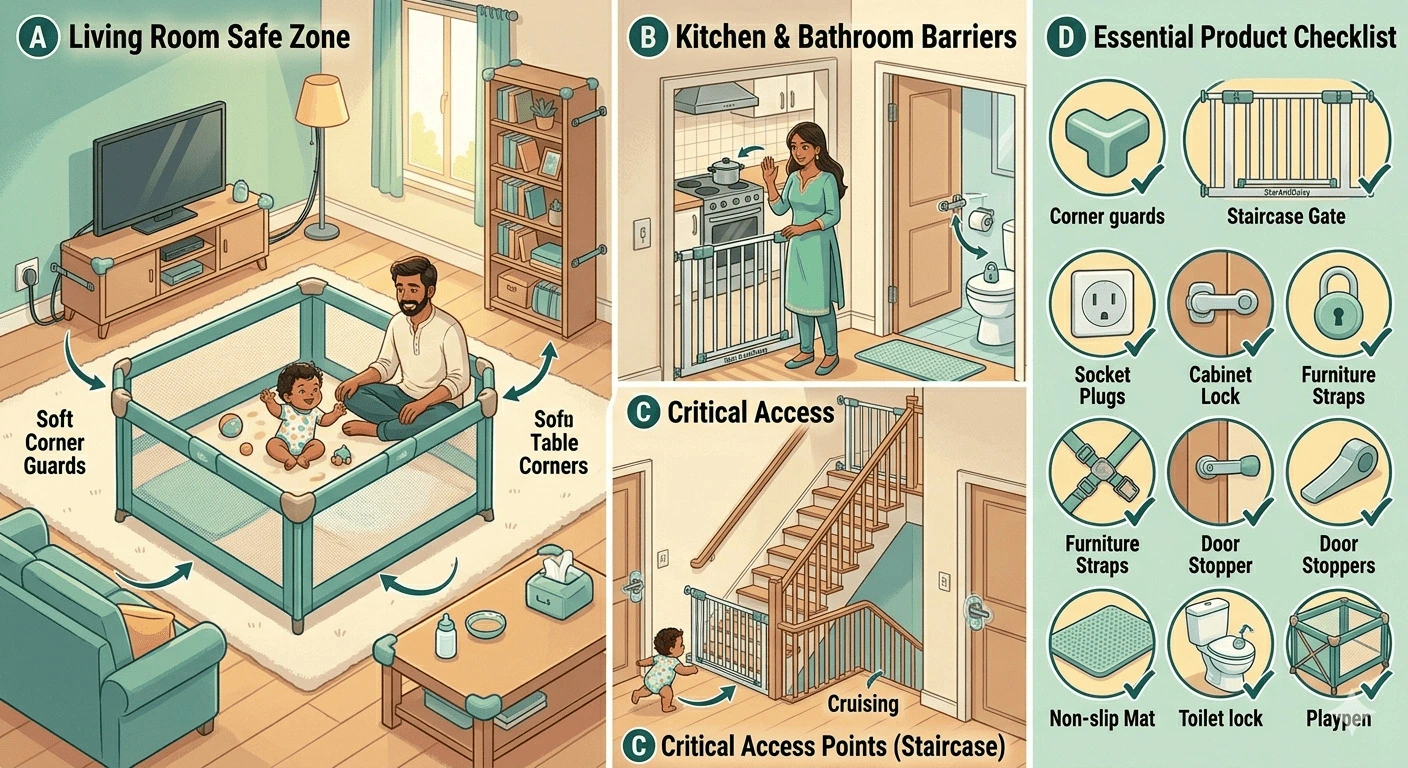
Looking for the best baby walker in India? This 2026 guide covers safety, essential features, ideal age, and what to avoid—helping parents make informed and safe choices.
Dr. Sara Chaturvedi 1 min
Newborn Essentials Checklist for Indian Parents
growth development

Newborn Essentials Checklist for Indian Parents

Your practical 0–6 months newborn checklist for India—only the essentials, nothing you don’t need.
Dr. Sara Chaturvedi 1 min
Baby Stroller Buying Guide India: How to Choose the Right One in 2026
growth development

Baby Stroller Buying Guide India: How to Choose the Right One in 2026

Confused about choosing the best baby stroller in India? This 2026 buying guide breaks down types, features, and must-know tips to help you pick the perfect stroller for Indian roads, travel, and daily life.
Akash Jain, M.Ed 1 min
Top Space-Saving Baby Furniture for Small Indian Homes
growth development

Top Space-Saving Baby Furniture for Small Indian Homes

A practical guide for Indian parents to choose the right baby products in 2026—focusing on real needs, budgets, and small-home living, without the overwhelm of unnecessary purchases.

Akash Jain, M.Ed 1 min
Best Baby Products in India 2026: What Every New Parent Actually Needs
health wellness

Best Baby Products in India 2026: What Every New Parent Actually Needs

Bringing a baby home can feel overwhelming, but you don’t need everything—just the right essentials. This practical 2026 guide helps Indian parents choose smart, space-friendly, and budget-conscious baby products that truly matter for comfort, safety, and everyday convenience.

Dr. Sara Chaturvedi 1 min
Minimalist Parenting: Buy Smart, Raise Happy
parenting tips

Minimalist Parenting: Buy Smart, Raise Happy

Discover how minimalist parenting helps Indian families reduce clutter and focus on essential, multi-functional baby products.

Dr. Sara Chaturvedi 1 min
The Gear Trap: Common Mistakes When Buying Baby Products
parenting tips

The Gear Trap: Common Mistakes When Buying Baby Products

Avoid common baby shopping mistakes in India by focusing on safety, functionality, and long-term usability.

Dr. Sara Chaturvedi 1 min
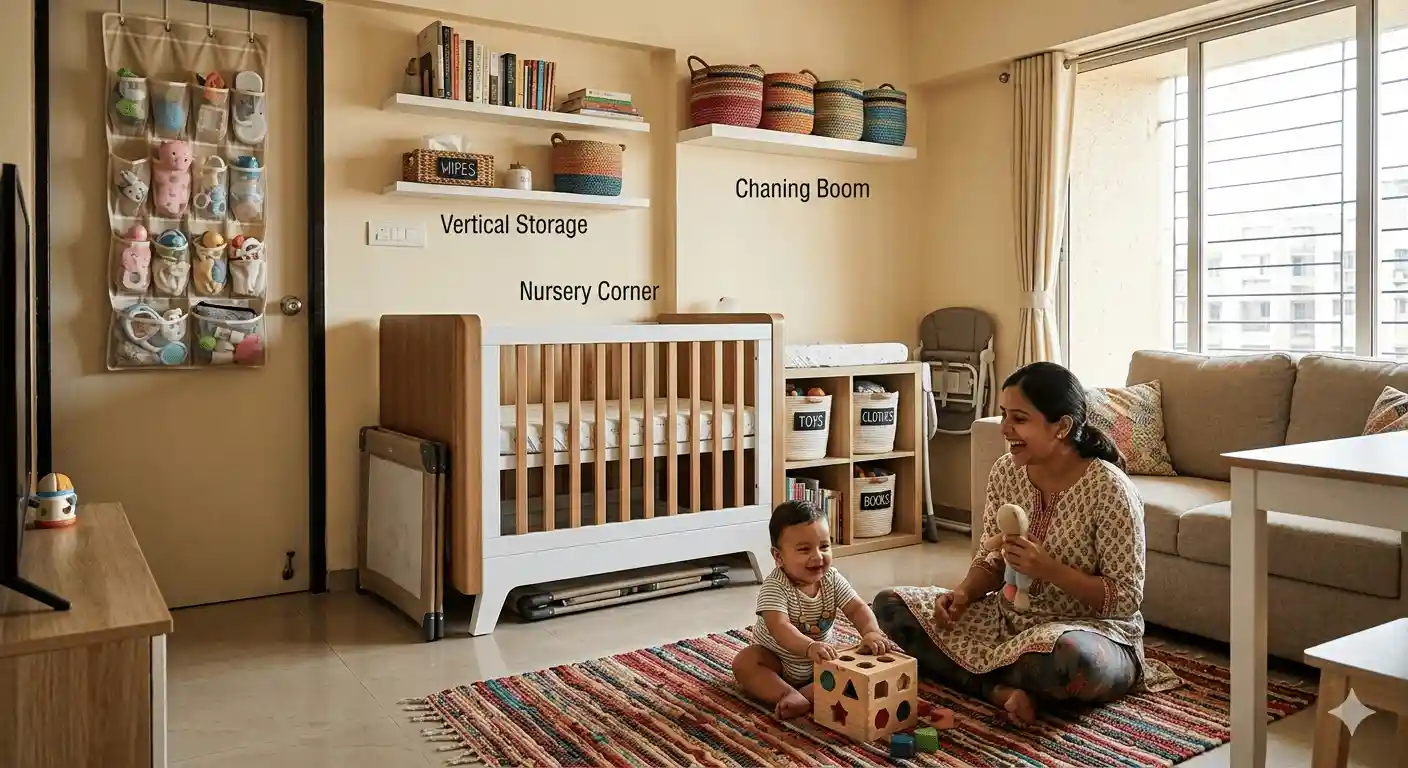
Smart Nursery Setup Ideas for Small Indian Homes
health wellness

Smart Nursery Setup Ideas for Small Indian Homes

Learn how to design a functional and space-saving nursery in small Indian homes using smart furniture and storage solutions.

Dr. Sara Chaturvedi 1 min
Monsoon Care: Protecting Your Baby During the Indian Rains
health wellness

Monsoon Care: Protecting Your Baby During the Indian Rains

Learn how to protect your baby during India’s monsoon with tips on hygiene, skin care, and mosquito safety.

Dr. Priya Jain 1 min
The Weekend Wanderer: Travel-Friendly Baby Essentials for Indian Families
travel kids

The Weekend Wanderer: Travel-Friendly Baby Essentials for Indian Families

A practical guide to traveling with a baby in India, covering lightweight gear, diaper bag essentials, and smart packing tips.

Akash Jain, M.Ed 1 min
Traveling with a Baby in India - Train, Flight and Car Survival Guide
travel kids

Traveling with a Baby in India - Train, Flight and Car Survival Guide

A complete survival guide for traveling with a baby in India by train, flight, or car.

Dr. Sara Chaturvedi 2 min
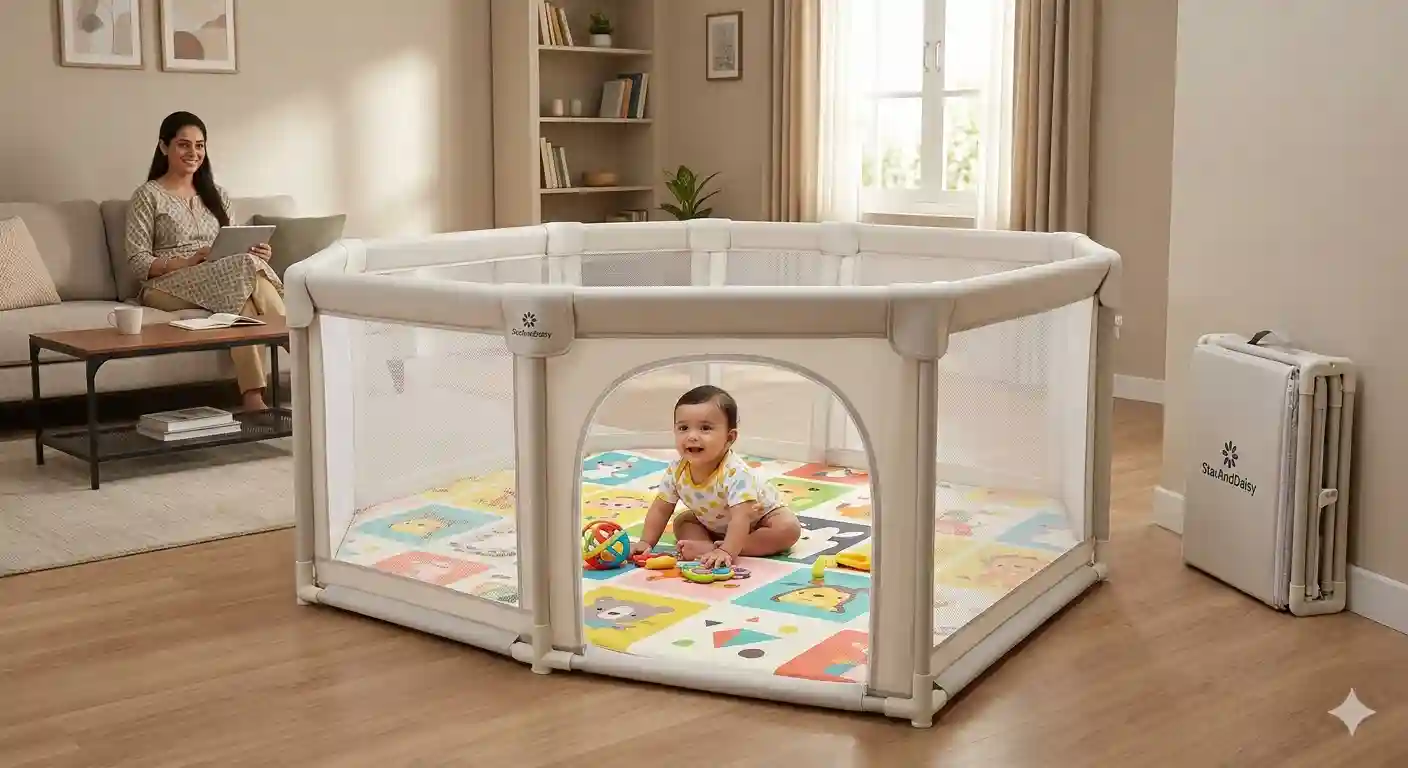
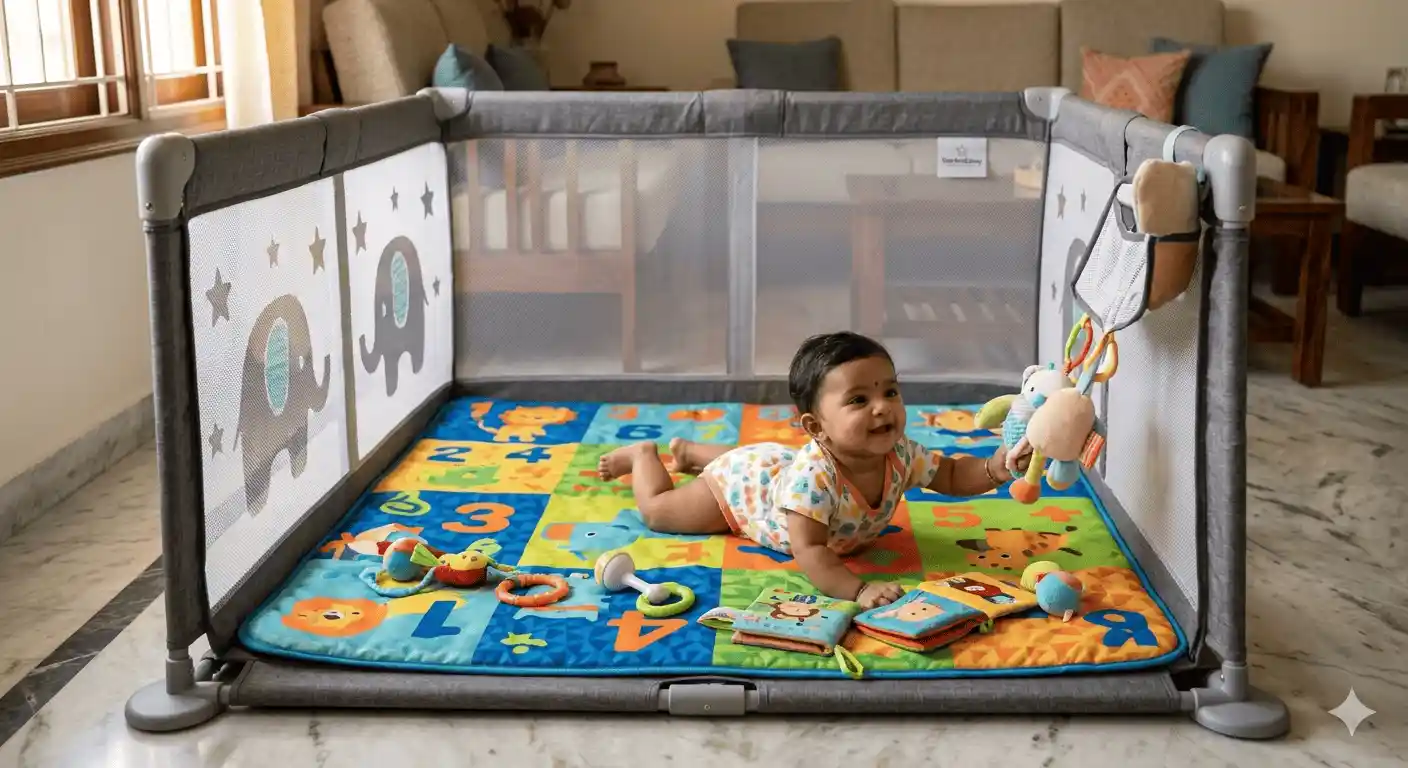
How to Create a Safe Play Area at Home for Babies
growth development

How to Create a Safe Play Area at Home for Babies

Learn how to create a safe and engaging play area at home for babies with simple steps.

Akash Jain, M.Ed 1 min
How to Handle Baby Sleep Regression (Without Losing Your Mind)
growth development

How to Handle Baby Sleep Regression (Without Losing Your Mind)

Simple and practical ways to manage baby sleep regression phases without stress or confusion.

Dr. Sara Chaturvedi 2 min
Smart Storage Hacks for Baby Essentials in Small Indian Homes
health wellness

Smart Storage Hacks for Baby Essentials in Small Indian Homes

Practical and space-saving storage ideas for baby essentials in small Indian homes without compromising comfort or aesthetics.

Dr. Priya Jain 1 min
Mom Hacks That Make Daily Baby Care Easier
parenting tips

Mom Hacks That Make Daily Baby Care Easier

Simple and practical mom hacks to make daily baby care easier—from organizing spaces to managing routines and reducing stress.

Dr. Priya Jain 1 min
Top 7 Baby Strollers for Indian Parents (Budget to Premium Guide)
baby common ailments

Top 7 Baby Strollers for Indian Parents (Budget to Premium Guide)

Discover the top 7 baby strollers for Indian parents—from budget-friendly to premium options. Learn features, pros, and how to choose the best stroller for your baby.

Akash Jain, M.Ed 2 min
Things No One Tells You About Baby Poop: Color, Frequency & What It Means
parenting tips

Things No One Tells You About Baby Poop: Color, Frequency & What It Means

Confused about your baby’s poop? Learn what different colors, frequency, and patterns mean—and when to worry as a new parent.

Dr. Sara Chaturvedi 3 min
Newborn Night Routine That Actually Works (Realistic for Indian Homes)
health wellness

Newborn Night Routine That Actually Works (Realistic for Indian Homes)

Struggling with sleepless nights? Discover a simple and realistic newborn night routine that works perfectly for Indian homes and busy family environments.

Dr. Priya Jain 2 min
The Truth About Overfeeding Your Baby: Are You Feeding Out of Love or Habit?
parenting tips

The Truth About Overfeeding Your Baby: Are You Feeding Out of Love or Habit?

Is overfeeding your baby doing more harm than good? Learn the signs, causes, and healthy feeding practices every parent should know.

Dr. Sara Chaturvedi 2 min
Why Babies Cry at the Same Time Every Day: Evening Fussiness Explained
baby common ailments

Why Babies Cry at the Same Time Every Day: Evening Fussiness Explained

Struggling with your baby crying every evening? Learn why evening fussiness happens, its causes, and practical solutions to soothe your baby during the “witching hour.”

Dr. Priya Jain 3 min
Baby Feeding Essentials Checklist for New Parents (0–12 Months)
growth development

Baby Feeding Essentials Checklist for New Parents (0–12 Months)

A practical baby feeding essentials checklist for new parents in India covering breastfeeding, bottle feeding, and weaning stages.

Dr. Sara Chaturvedi 1 min
Choosing the Right Baby Skincare Products for Indian Weather
parenting tips

Choosing the Right Baby Skincare Products for Indian Weather

A complete guide to choosing safe baby skincare products based on Indian weather, including oils, moisturizers, and rash care.

Akash Jain, M.Ed 2 min
Traveling with a Baby in India: Packing List & Safety Tips
growth development

Traveling with a Baby in India: Packing List & Safety Tips

A complete guide to traveling with a baby in India including packing checklist, safety tips, and travel essentials.

Divya Agarwal 2 min
Common Newborn Health Issues and When to See a Doctor
product guides

Common Newborn Health Issues and When to See a Doctor

Worried about your newborn’s health? Learn about common newborn health issues, symptoms to watch for, and when to consult a doctor for timely care.

Akriti Rastogi, LCSW 2 min
Complete Baby Hygiene Guide: Bathing, Skincare & Diaper Care for New Parents
parenting tips

Complete Baby Hygiene Guide: Bathing, Skincare & Diaper Care for New Parents

A complete baby hygiene guide for new parents covering bathing, skincare, and diaper care. Learn simple routines to keep your baby clean, safe, and comfortable.

Dr. Priya Jain 2 min
The Essential Guide to Newborn Baby Care Tips for First-Time Moms
health wellness

The Essential Guide to Newborn Baby Care Tips for First-Time Moms

A practical and comforting guide for first-time moms in India, covering essential newborn baby care tips, breastfeeding basics, hygiene, and when to consult a doctor.

Divya Agarwal 3 min
Baby Sleep Problems: How to Fix Your Newborn’s Sleep Cycle
health wellness

Baby Sleep Problems: How to Fix Your Newborn’s Sleep Cycle

Struggling with your newborn’s sleep? Learn practical tips to fix baby sleep problems, establish routines, and improve your baby’s sleep cycle naturally.

Dr. Priya Jain 3 min