
When Should You Start Using a Baby Walker, Carrier, or High Chair?
One of the most common — and genuinely important — questions in baby parenting isn't "which product should I buy?" It's "when should I actually use it?"
Timing matters enormously with baby gear. The same product that supports healthy development at the right stage can interfere with it if introduced too early. And in a market that tends to push "the earlier, the better," parents are often left confused about what's actually appropriate for their baby's stage.
This guide gives you honest, development-based guidance on three of the most commonly timed products: the baby carrier, the high chair, and the baby walker.
Baby Carrier: Earlier Than You Think
When Can You Start?
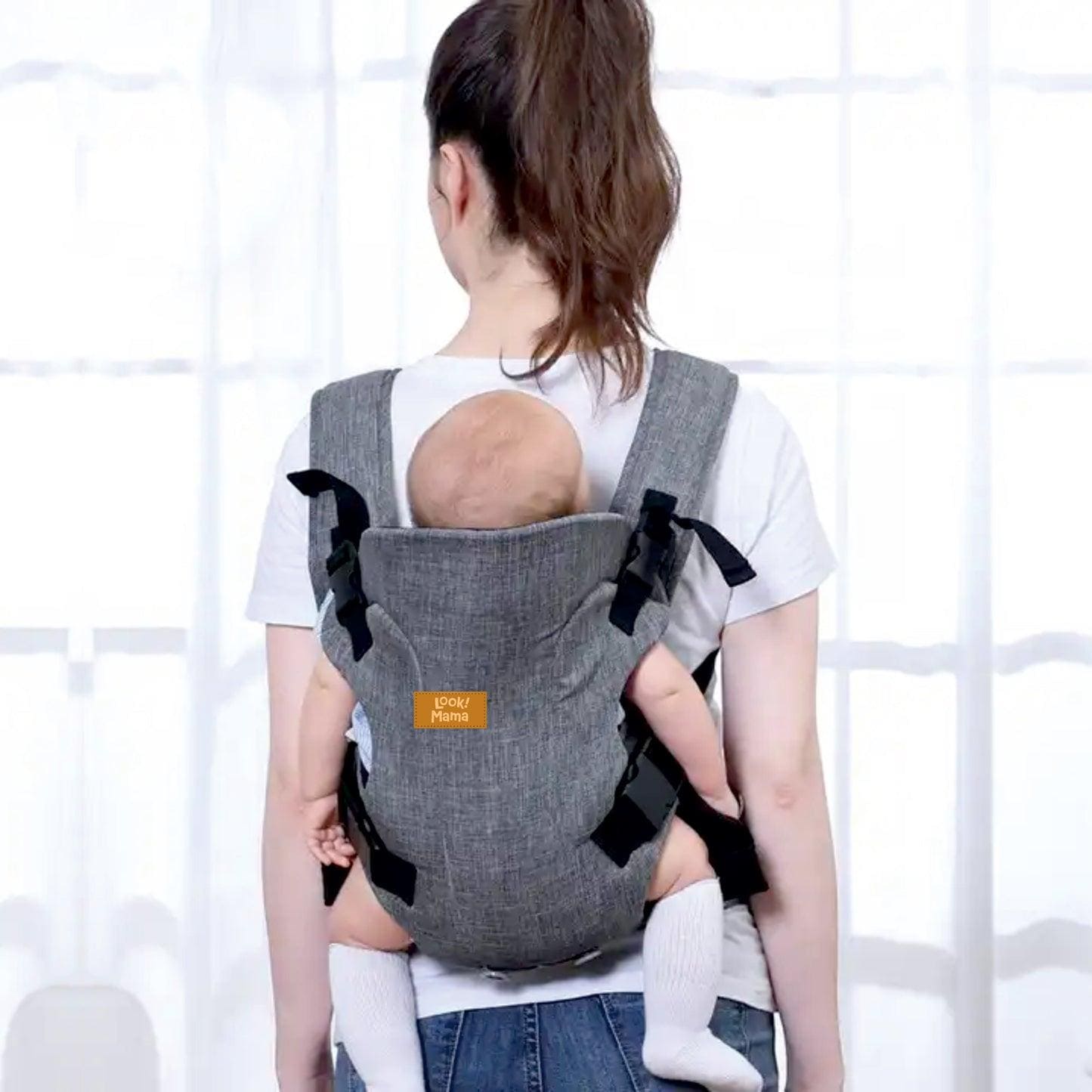
A baby carrier can be used from birth — even from day one — with the right carrier and correct positioning. Newborn-appropriate carriers come with an infant insert or built-in adjustment to support a baby whose muscle tone and head control are still developing.
This is one of the earlier introductions you can make, and it's often one of the most beneficial.
What to Look For at Each Stage
Newborn to 4 months:
- Baby must be in a fully supported, upright position against your chest
- Head must be supported (carrier should come up to the back of the head)
- Hips must be in the M-position (knees higher than bottom)
- Baby's face must always be visible to you
- Use a carrier with a newborn insert or one specifically designed for newborns
4–8 months:
- Baby is developing head control but still needs structured support
- Most ergonomic carriers now fit well without additional inserts
- Both front-carry (facing in) and hip-carry become options as baby gains control
8+ months:
- Back-carry becomes an option — keep sessions shorter as you learn the position
- Babies at this stage enjoy being higher up and seeing the world
- A well-fitted carrier continues to be ergonomically appropriate even as baby grows heavier
The Safety Non-Negotiables
The T-I-C-K-S framework from babywearing experts covers the key safety checks:
- Tight — carrier should be snug, not loose
- In view — you can always see baby's face
- Close enough to kiss — baby is high enough
- Keep chin off chest — airway must remain open
- Supported back — baby's back is supported in a natural curve
A well-designed ergonomic carrier makes all of these easier to achieve by default.
High Chair: The Six-Month Milestone
When Should You Start?
A high chair is appropriate from around 6 months — but the specific trigger isn't age. It's developmental readiness for solid foods.
- The ability to sit with support
- Showing interest in food
- Loss of tongue-thrust reflex
- Transition from exclusive milk feeding
Choosing the Right High Chair
- Adjustable footrest
- Five-point harness
- Removable tray
- Wipeable material
When to Stop Using a High Chair
Typically between 2–3 years when transitioning to a booster seat.
Baby Walker: The Most Complicated Conversation
The Honest Position
Baby walkers are widely debated due to safety risks and possible developmental delays.
The Distinction That Matters
- Wheeled walkers — higher risk
- Push walkers — safer and developmentally better
If You Choose to Use a Wheeled Walker
- Age: 6–12 months
- Supervision: Always
- Duration: 20–30 minutes max
- Feet position: Flat, not tip-toeing
What to Do Instead
Encourage floor play, cruising, and push walkers.
Quick Reference: Timing Guide
ProductWhen to StartKey Readiness SignsWhen to StopBaby CarrierFrom birthAny ageNo fixed endHigh Chair~6 monthsSits with support2–3 yearsWalker6 monthsSupervised12 monthsPush Walker9–10 monthsPull to standIndependent walking
Conclusion
Developmental readiness — not age or marketing — should guide your decisions. When in doubt, consult your paediatrician.
Frequently Asked Questions
Q1. Can I use a baby carrier from day one?
Yes, with proper positioning and guidance.
Q2. Baby refuses high chair?
Adjust comfort and start gradually.
Q3. Family insists on walker?
Set boundaries and limit use.
Q4. Is cooking with baby carrier safe?
No, avoid heat exposure risks.
Q5. Best carrier for Indian weather?
Lightweight breathable fabrics.