
What to Do When Your Baby Gets Overstimulated: A Parent’s Guide
Babies are naturally curious, and their senses are constantly absorbing the world around them. But sometimes, especially in new environments like during travel or family gatherings, the barrage of sights, sounds, and sensations can become overwhelming. Overstimulation is common and entirely normal, but it can be distressing for both baby and parent. Understanding what to do when your baby gets overstimulated is essential for nurturing a secure, happy child.
What Does Overstimulation Mean?
Overstimulation occurs when a baby is exposed to more experiences, sensations, or activity than they can handle at their developmental stage. Babies have limited capacity to process information, and too much input may lead to fussiness, crying, or difficulty settling.
Common Signs of an Overstimulated Baby
- Crying and Fussiness: Sudden, intense crying that doesn’t ease with feeding or changing is often a sign.
- Turning Away: Looking away from you, arching their back, or pushing away can indicate they need a break.
- Clenched Fists or Flailing Arms: Physical tension is a classic indicator.
- Hiccups or Sneezing: Some infants show subtle physiological cues.
- Difficulty Sleeping: Trouble settling or frequent waking can be linked to overstimulation.
Causes of Overstimulation in Babies
Understanding the triggers of overstimulation helps you prevent or minimize it. Common causes include:
- New environments (airports, malls, family parties)
- Loud noises or bright lights
- Multiple caregivers or visitors
- Travel schedules disrupting routines
- Excessive handling or play
How to Calm an Overstimulated Baby
- Remove the Baby from the Stimulating Environment: If possible, find a quiet, dimly lit room or a peaceful corner. Reducing noise, lights, and people can quickly help your baby reset.
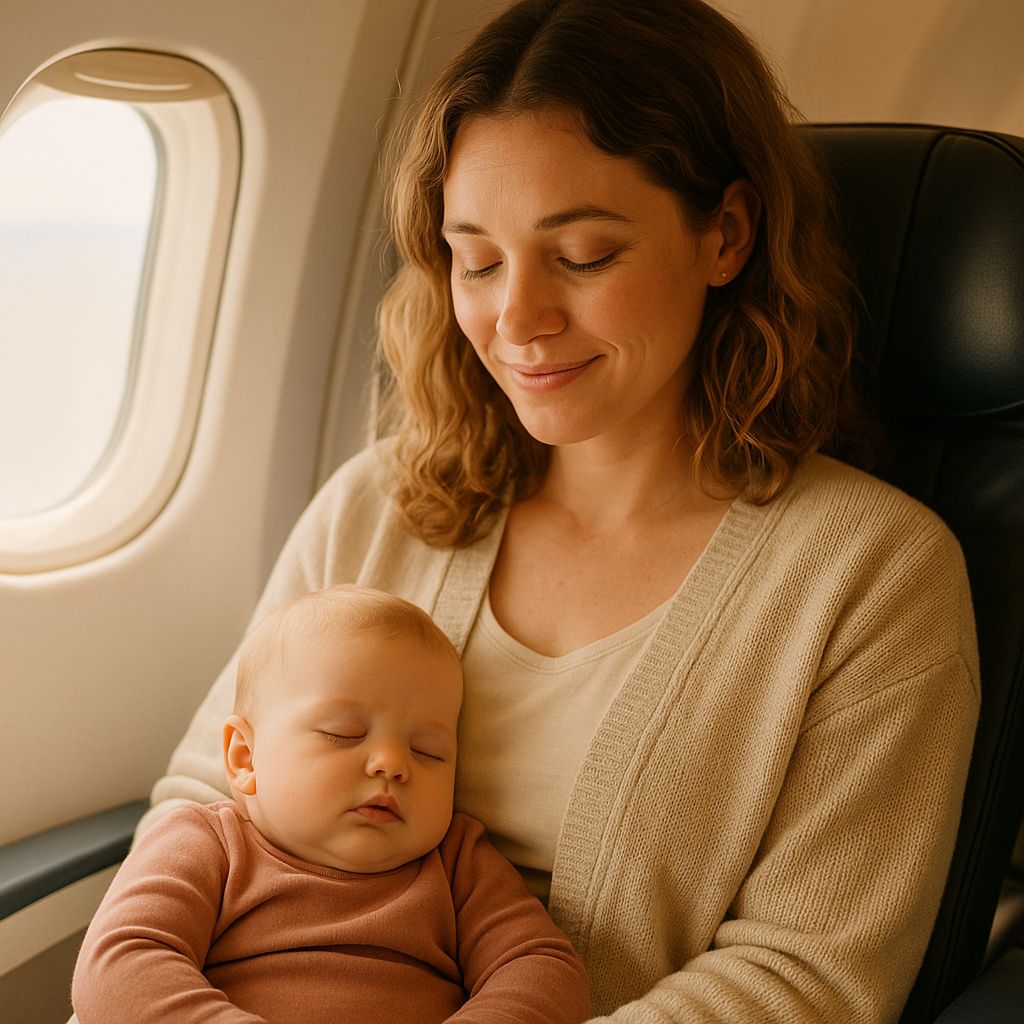
- Hold Your Baby Close: Gentle touch, skin-to-skin contact, or swaddling provides comfort and security. Your familiar scent and heartbeat can be very soothing.
- Use White Noise or Soft Sounds: Gentle shushing, white noise machines, or lullabies can calm frazzled senses.
- Minimize Eye Contact and Movement: Too much interaction can be overwhelming. Hold your baby quietly and avoid direct, intense eye contact until they settle.
- Feed if Needed: Sometimes, nursing or bottle-feeding can offer both nutrition and comfort.
- Stay Calm Yourself: Babies sense parental emotions. Take deep breaths, speak softly, and move slowly to convey reassurance.
- Offer a Pacifier: Sucking is a natural self-soothing mechanism for many infants.
- Maintain Routines: Familiar patterns of feeding, sleep, and play help your baby feel secure, especially during travel.
Tips for Managing Overstimulation When Traveling
Traveling with children brings unique challenges. Here’s how to minimize overstimulation on the go:
- Plan Ahead: Choose quieter travel times, and book accommodations with private, calm spaces.
- Pack Comfort Items: Bring familiar blankets, toys, or white noise machines to recreate home comforts.
- Keep Routines as Consistent as Possible: Stick to regular nap and feeding schedules.
- Take Breaks: During outings, schedule downtime in peaceful locations.
- Limit New Experiences: Introduce one new activity at a time and watch for your baby’s response.
Recognizing Your Baby’s Unique Cues
Every baby is different. Some are naturally more sensitive to stimulation than others. Learn your child’s personal signs of overload and intervene early. Keeping a journal of what triggers overstimulation and what soothes your baby can be helpful, especially if you’re traveling or have a busy social calendar.
When to Seek Help
Occasional overstimulation is common and manageable. However, consult your pediatrician if your baby:
- Has trouble feeding or gaining weight
- Shows persistent difficulties with sleep
- Rarely calms with your interventions or seems inconsolable
- Displays physical symptoms like vomiting or fever
These may indicate underlying medical issues that need addressing.
Preventing Overstimulation in Everyday Life
While you can’t shield your baby from all stimulation, you can create a balanced environment:
- Limit screen time and loud toys.
- Encourage periods of quiet play.
- Offer gentle, gradual exposure to new experiences.
- Respect nap times and avoid over-scheduling activities.
Expert Insights on Baby Overstimulation
Dr. Jane Williams, pediatrician and child development expert, explains: “Babies thrive with predictability. When they’re overwhelmed, their nervous system goes into overdrive. Quick, loving intervention helps them feel safe and learn to regulate emotions.”
Research shows that responsive parenting—attending promptly to your baby’s cues—not only soothes distress but also builds trust and security.
Frequently Asked Questions
- What are common signs of an overstimulated baby?
- Common signs include fussiness, crying, turning away from stimuli, clenched fists, arching of the back, and difficulty settling down or sleeping.
- How can I calm my overstimulated infant when traveling?
- Find a quiet spot, hold your baby close, use soft shushing sounds, and minimize new stimuli. Maintaining routines and packing familiar items can also help.
- Is overstimulation harmful to my baby?
- Occasional overstimulation is not harmful, but frequent or severe episodes can lead to sleep troubles or stress. Providing a calm environment and responding to cues helps your baby feel secure.
- How can I prevent my baby from becoming overstimulated?
- Limit exposure to loud noises, bright lights, and crowded places. Watch for signs of fatigue and offer breaks in calm settings, especially during outings or travel.
Conclusion
Understanding what to do when your baby gets overstimulated empowers you to respond with confidence and compassion. By recognizing early signs, creating soothing routines, and planning ahead—especially when traveling—you can help your baby navigate a stimulating world safely. Remember, every child is unique. With patience and attentive care, you’ll learn what works best for your family, turning moments of overwhelm into opportunities for connection and growth.
Key Takeaways
- Recognize the signs of an overstimulated baby early.
- Create a calm environment to help soothe your child.
- Use gentle techniques like swaddling or shushing.
- Prepare in advance when traveling to minimize overstimulation.
- Every baby is unique—observe your child’s cues and needs.