The First 12 Months: What Baby Gear You Actually Need at Each Stage
One of the most common mistakes new parents make — understandably, because the pressure to be prepared is enormous — is buying everything before the baby arrives. The nursery is stocked. The wardrobe is organised by size. The gear is assembled and waiting.
And then the baby comes, and you discover that about a third of what you bought is perfect, a third of it will become useful later, and a third of it you will never use at all. The reason is simple: babies change so fast that the gear they need at one month is almost completely different from what they need at six months.
Here is the guide nobody gave you — what to actually buy, and when.
0–3 Months: The Survival Stage
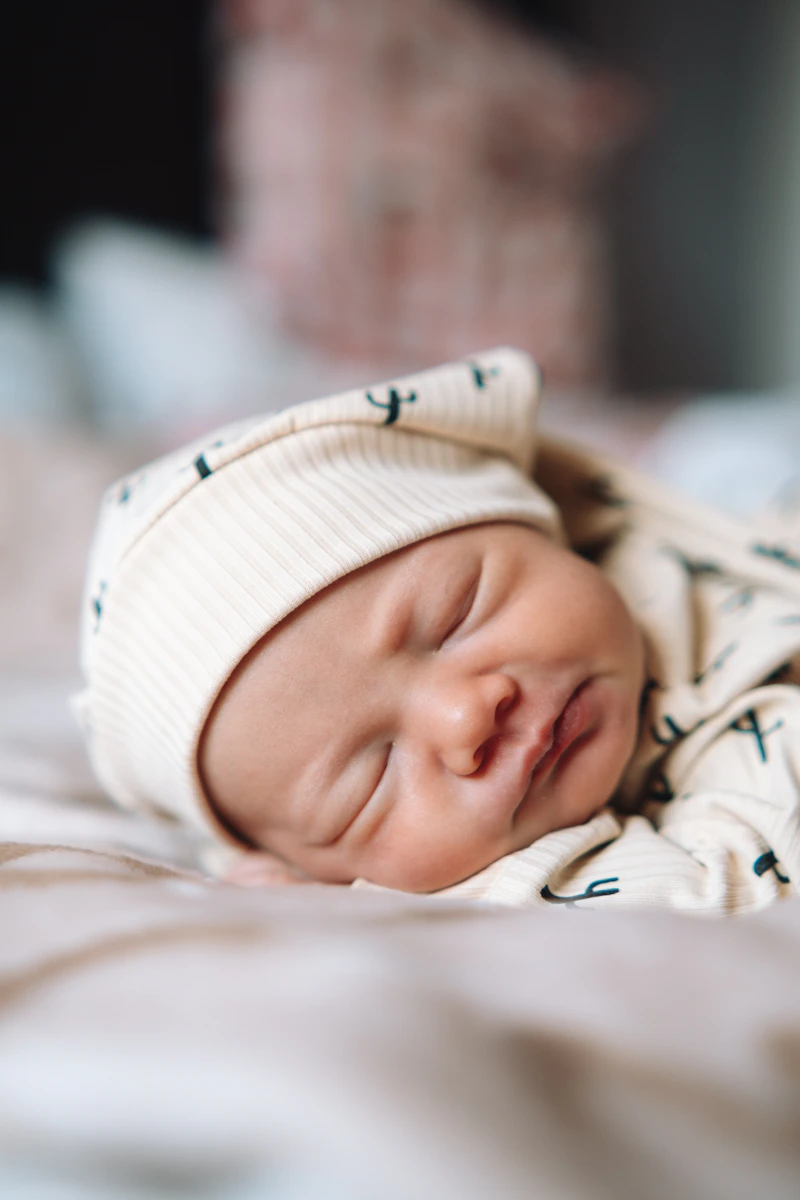
In the first three months, your baby is a newborn. They sleep, they feed, they need to be held. The gear that serves you here is almost entirely about safe sleep, feeding, and carrying a baby who cannot yet hold their own head.
- Safe sleep space: A firm bassinet or cot placed in your room. This is non-negotiable from day one.
- Swaddles and sleep sacks: For safe, contained sleep without loose blankets.
- Feeding supplies: Nursing pillow, breast pump if needed, bottles and steriliser.
- Baby carrier: For the constant holding that a newborn requires — a carrier with a newborn insert or a stretchy wrap.
- Bath tub: A supportive, reclined newborn bath tub for the terrifying early baths.
- Carry cot or infant car seat: For any journey, from the first day.
What you do NOT need yet: a walker, a high chair, a forward-facing car seat, a push toy, a playpen.
3–6 Months: The Awakening Stage
Around three months, something shifts dramatically. Your baby becomes interested in the world. They track objects with their eyes, reach for things, respond to faces and voices, and start to need stimulation beyond being held.
- Play mat with activity arch: Baby will spend increasing time on their back or tummy, batting at hanging toys.
- Bouncer or rocker: A safe, semi-reclined seat for alert awake time when you need your hands.
- Structured baby carrier: If you've been using a stretchy wrap, a more structured carrier becomes practical as baby gets heavier.
- Teething toys: The drooling and gum-chewing often begins before the teeth arrive.
The play mat is the most important investment of this stage. A large, well-cushioned mat gives baby a safe surface for the tummy time that builds neck, core, and shoulder strength — the foundation of all future motor milestones. Browse a range of quality play mats here — sized for Indian living rooms and cushioned for tile floors.
6–9 Months: The Mover Stage
Six months is when the baby gear landscape shifts most dramatically. Baby is likely sitting with support, possibly starting to pull to stand, and definitely becoming a person with opinions about where they want to be.
- High chair: Weaning begins around 6 months. A high chair with a multi-position recline is essential from day one of solids.
- Playpen: As baby starts to move independently, a safe contained area becomes genuinely useful — for tummy time, sitting play, and early crawling.
- Baby proofing: Socket covers, cabinet locks, corner guards. Baby is about to go everywhere.
- Sippy cup and weaning spoons: For the beginning of self-feeding exploration.
9–12 Months: The Explorer Stage
By nine months, most babies are crawling, pulling to stand, and edging toward cruising along furniture. The world is getting bigger. The gear needs to support movement, independence, and the increasingly urgent desire to go places.
- Push walker or activity walker: When baby starts pulling to stand and cruising, a push walker helps build the strength and confidence needed for independent steps.
- Forward-facing car seat: If baby has outgrown their infant car seat by weight or height.
- Baby gate: For the top and bottom of any stairs, and for closing off kitchen or bathroom access.
- Stroller upgrade: If you've been using a pram with a full recline, baby may be ready for a lighter, more upright stroller for daily outings.
For walkers and strollers suited to this stage, this collection of on-the-go baby gear covers everything from first push walkers to more capable activity walkers designed for curious, mobile babies.
The Rule That Saves You Money and Space
Buy for the stage you're in, not the stage you're approaching. Babies outgrow phases faster than you can imagine. A toy that is perfect at five months may be completely uninteresting at seven. Resist the urge to buy ahead — or borrow, accept hand-me-downs, and wait to see what your specific baby actually engages with.
The gear that earns its place is the gear that solves a real problem in a real moment. Buy that. Everything else can wait.
Frequently Asked Questions
Q: Do I need to buy all baby gear new?
A: Safety-critical items (car seats, cots, helmets) should ideally be bought new or verified second-hand with known history. Other items like clothes, bouncers, and toys are generally fine second-hand.
Q: What is the single most important piece of baby gear?
A: A safe sleep space — a firm, flat cot or bassinet — is the most non-negotiable item. Every other piece of gear is secondary to where baby safely sleeps.
Q: When should I buy a stroller?
A: Before the baby arrives, if it's a pram or travel system for newborns. If you're buying a lightweight stroller for older babies, it can wait until 4–6 months.
Q: What baby gear do I genuinely not need?
A: Baby shoes before walking, a dedicated changing table (a mat works), a wipe warmer, a bottle steriliser (boiling works), and most single-use gadgets marketed at new parents.
Q: How do I avoid over-buying baby gear?
A: Make a list of genuine problems you need solved (how will baby sleep safely? how will I feed them? how will I carry them?) and buy one solution per problem. Reassess every two months.