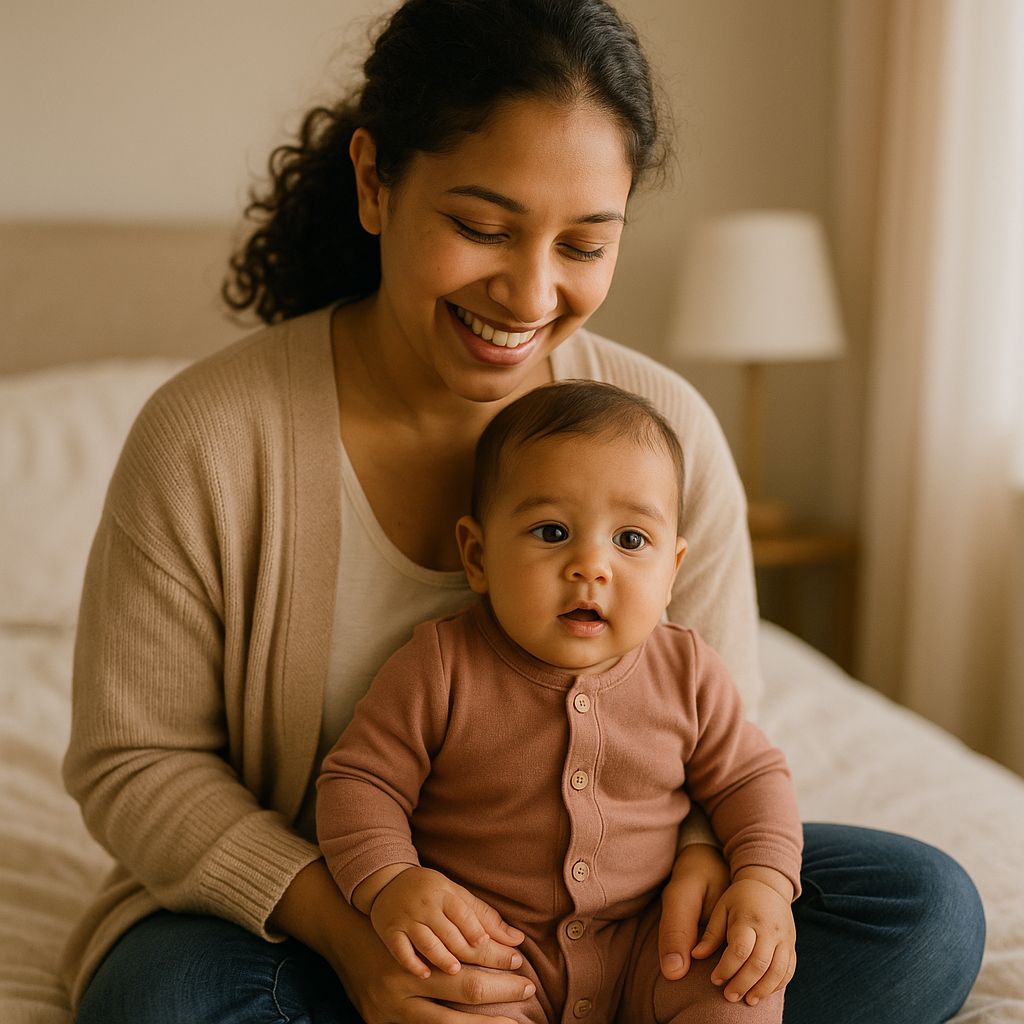

How to Help Your Baby Adjust After Returning from Travel
Traveling with a baby brings a sense of adventure and togetherness, but returning home can present a unique set of challenges for both parents and infants. From disrupted routines to changes in sleep patterns, post-travel adjustment is a common concern for families. In this article, we’ll explore expert-backed strategies to help your baby readjust smoothly after a trip, ensuring a gentle return to familiar rhythms and happy days ahead.
Why Do Babies Struggle to Adjust After Travel?
Babies thrive on predictability. Traveling often disrupts established routines, introduces new environments, and may involve changes in time zones, all of which can impact your baby’s sleep, feeding, and overall mood. Understanding why your baby may have difficulty settling back in is the first step in supporting a smoother transition.
- New Environments: Unfamiliar sights, sounds, and sleeping arrangements can cause overstimulation.
- Routine Disruptions: Different meal and nap times can throw off your baby’s internal clock.
- Time Zone Changes: Jet lag can affect babies just as it does adults, making sleep patterns unpredictable.
- Physical Fatigue: Extra activity, travel days, and less rest can result in overtiredness and crankiness.
Step 1: Ease Back Into Familiar Routines
Consistency is the cornerstone of helping your baby feel secure after travel. Start by reestablishing the routines you had before your trip.
- Meal Times: Serve meals and snacks at familiar intervals. This helps reset your baby’s internal clock and digestive system.
- Nap and Bedtime Routines: Follow the same steps you did pre-travel, whether that’s a warm bath, story time, or soft music.
- Morning Wake-Up: Try to wake your baby at their usual time, even if they’re sleepy, to reinforce their home schedule.
Step 2: Address Sleep Challenges and Jet Lag
Sleep disruptions are one of the most common post-travel issues for babies. Here’s how you can help:
For Minor Routine Disruptions
- Stick to your usual bedtime routine and encourage your baby to sleep in their own crib or bassinet.
- Dim the lights and reduce stimulation in the hour before bed.
- Offer familiar comfort items, such as a favorite blanket or stuffed animal.
For Time Zone Changes (Jet Lag)
- Gradually shift your baby’s schedule by 15-30 minutes each day toward the local time.
- Expose your baby to sunlight in the morning to help reset their circadian rhythm.
- Encourage naps at appropriate local times, but avoid letting your baby nap too late in the day.
Step 3: Recreate a Familiar Sleep Environment
Babies find comfort in the familiar. After returning home, make their sleep space as recognizable as possible:
- Use the same crib sheets, sleep sacks, or pajamas as before your trip.
- Play white noise or soft lullabies they’re accustomed to.
- Dim the lights and keep the room temperature consistent.
Step 4: Offer Extra Comfort and Patience
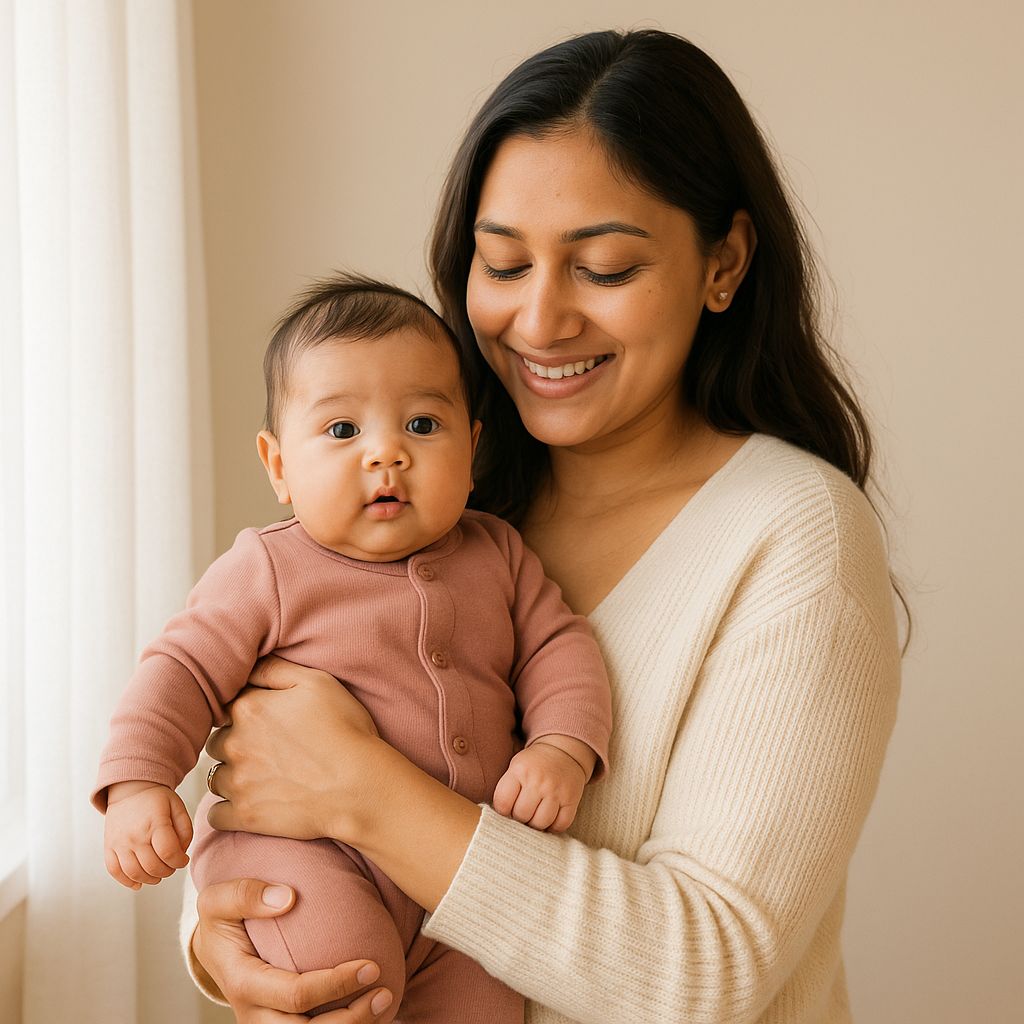
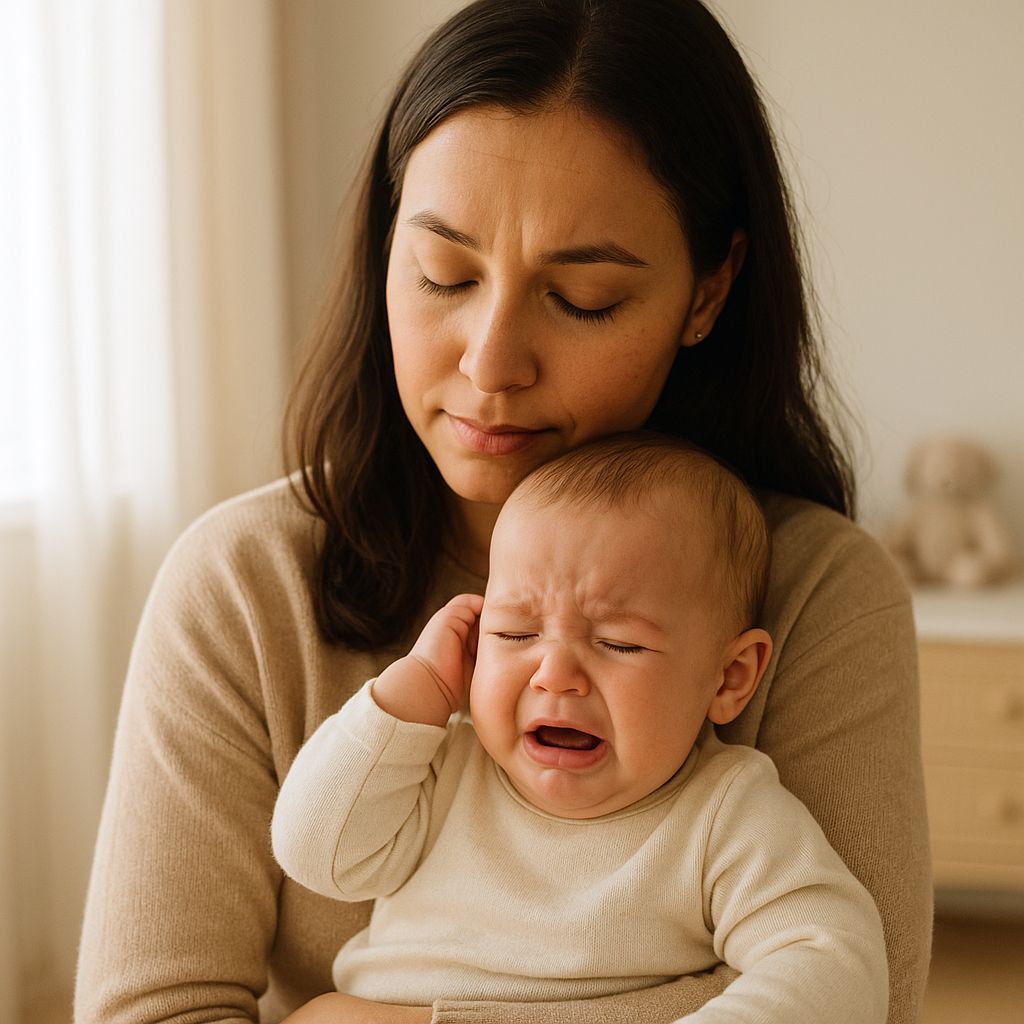
It’s normal for babies to seek more reassurance after travel. They might be clingy, fussy, or need more cuddles and attention.
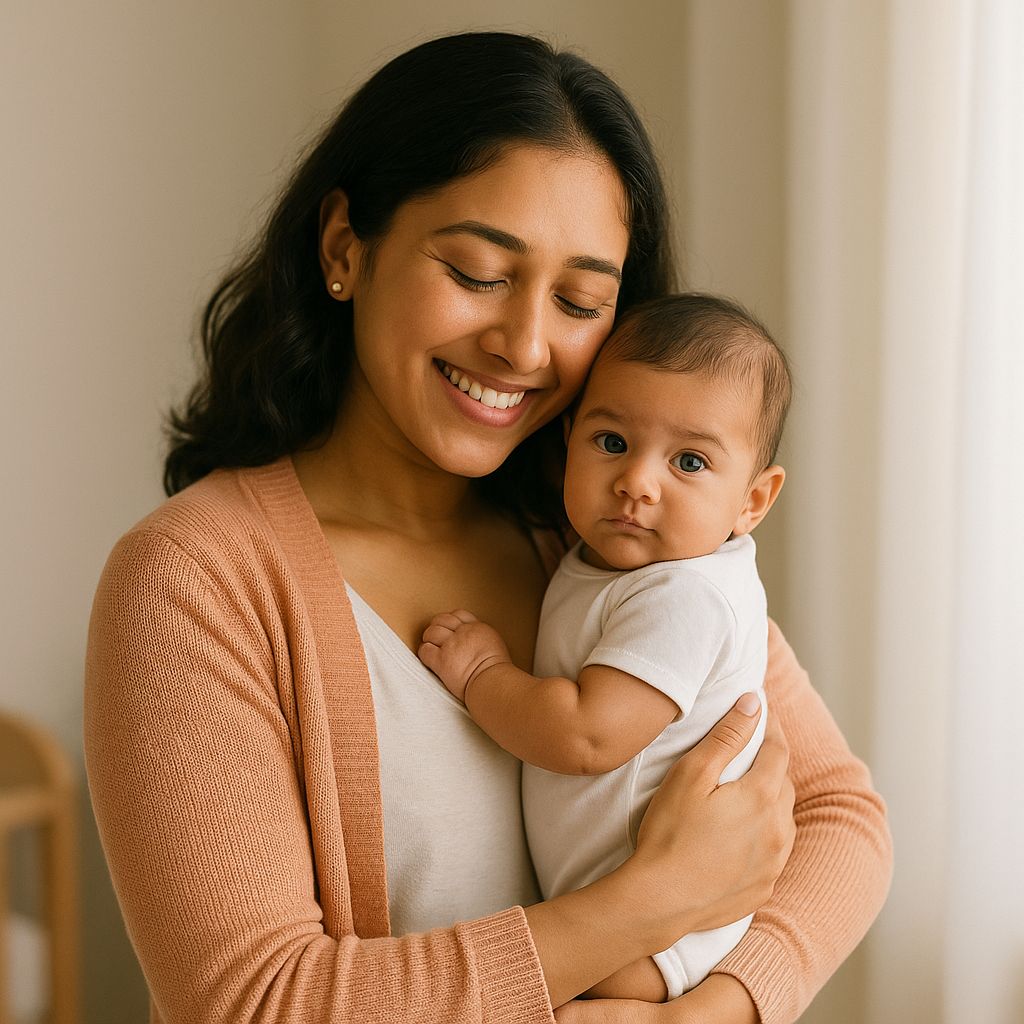
- Increase physical contact through rocking, holding, or babywearing.
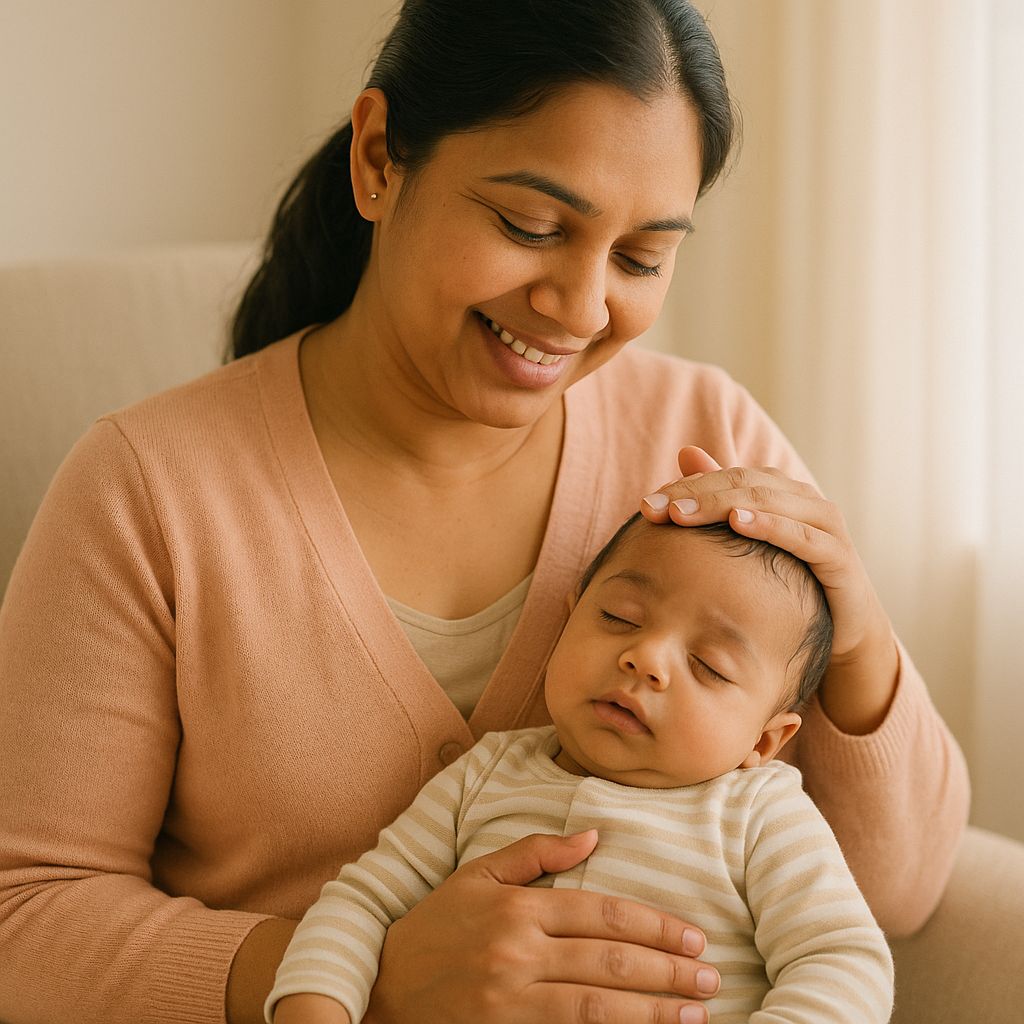
- Offer soothing words and gentle touch.
- Be patient with changes in mood or behavior; they’re temporary as your baby readjusts.
Step 5: Monitor for Illness or Overtiredness
Travel can sometimes expose your baby to new germs or extra fatigue.
- Watch for signs of illness such as fever, cough, or digestive issues.
- Encourage rest and hydration.
- If symptoms persist or worsen, consult your pediatrician.
Step 6: Gradually Resume Activities
Don’t rush back into a busy schedule right away. Allow a few days for your baby (and yourself) to settle in before taking on playdates, errands, or other commitments. Observe your baby’s cues and allow for extra downtime as needed.
Tips for Specific Age Stages
Newborns (0-3 months)
- Focus on feeding and sleep, as these are the main priorities at this age.
- Swaddling and white noise can help recreate the security of home.
Infants (3-12 months)
- Reinforce nap and bedtime routines with favorite books, songs, or comfort items.
- Spend extra time cuddling and playing to reassure your baby.
Toddlers (12+ months)
- Talk about the trip and returning home, even if your toddler’s language is limited.
- Offer choices (what pajamas to wear, which book to read) to give your child a sense of control.
Common Post-Travel Challenges & Solutions
| Challenge | Solution |
|---|---|
| Night waking | Check for hunger, discomfort, or need for comfort. Gradually return to your usual sleep routine. |
| Refusing naps | Offer nap opportunities at regular times, even if your baby resists. Use soothing techniques and a familiar environment. |
| Clinginess | Provide extra reassurance through cuddles, play, and patience. |
| Appetite changes | Stick to familiar meal routines and offer favorite foods. Appetite usually returns as your baby settles in. |
| Fussiness | Stick to routines, offer comfort, and allow your baby to decompress. Avoid overstimulation. |
When to Seek Professional Advice
Most post-travel adjustment issues resolve within a week. However, consult your pediatrician if your baby:
- Shows persistent sleep problems beyond two weeks
- Has ongoing signs of illness
- Experiences a significant change in feeding or behavior
Final Thoughts: Patience and Compassion Matter
Helping your baby adjust after returning from travel is a process that requires patience, consistency, and lots of love. Remember, it’s normal for babies to take some time to feel settled. By reestablishing routines, offering comfort, and observing your baby’s cues, you’ll help them transition back to home life with confidence and ease.
Further Reading
- Traveling with Baby: Essentials Checklist
- Baby Sleep Tips for Every Age
- Parenting After Travel: How to Rebalance Family Life
Every family’s journey is unique. For more expert parenting advice and travel tips, explore the Growing Giggles library or consult your child’s pediatrician for personalized recommendations.