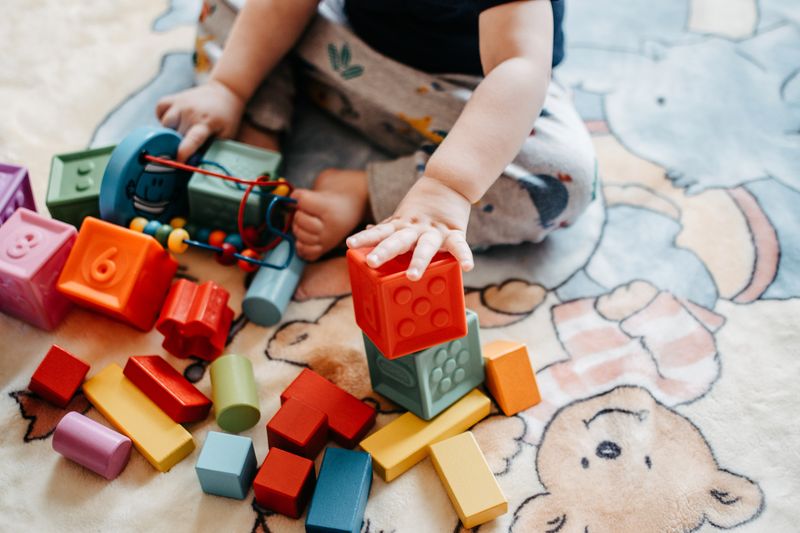
In a country where gifting is an art form and every relative has an opinion about what the baby "must have," minimalist parenting can feel radical. By the time the godh bharai gifts are opened, you're drowning in rattles, synthetic toys, elaborate play gyms, and gadgets that exist for no clear reason.
But here's what many experienced parents will tell you in retrospect: babies need far less than the industry wants you to believe. And often, the simpler the setup, the calmer the home — and the parent.
This is a guide for Indian parents who want to be intentional about what they bring into their homes and their lives.
What Minimalist Parenting Actually Means
Minimalist parenting isn't about deprivation. It's about choosing quality over quantity, function over novelty, and simplicity over stimulation overload. It means asking "do we actually need this?" before every purchase — and being honest with the answer. In India's context, it also means not succumbing to social pressure to "have everything" just because others do.
10 Baby Items You Actually Need
1. A Safe Sleep Space
One good quality crib, bassinet, or co-sleeper. That's it. You don't need a crib AND a bassinet AND a travel cot. One well-chosen piece, placed safely in your bedroom, is everything you need for the first year.
2. A Baby Carrier
This is the minimalist parent's best friend. A single ergonomic carrier replaces the stroller for shorter outings, keeps baby content, and leaves your hands free. Worn babywearing is as old as human history — and it still works brilliantly. < a href= "https://snd.in/collections/baby/baby-carrier/"> StarAndDaisy's Baby Carriers are a good starting point if you want something ergonomic and adjustable.
3. A Diaper Bag with Changing Mat
You need exactly one good diaper bag. The key word is "good" — one that has enough organization, a waterproof lining, a changing mat, and a bottle holder. StarAndDaisy's Infant Carry Bags and Diaper Backpacks are popular with minimalist-minded Indian parents because they're structured enough to carry everything, stylish enough to not embarrass you, and versatile enough to eventually be used as a regular backpack. Browse the range at snd.in.
4. Comfortable Clothing — in Small Quantities
10–15 pieces per size range. In India's warm climate, simple cotton jhablas, onesies, and light rompers are all you need. Resist the pile of synthetic branded outfits — your baby sweats, spills, and outgrows everything too fast for an elaborate wardrobe to make sense.
5. Feeding Essentials
Whether breastfeeding or bottle feeding: the minimum is a breast pump or 4 bottles, a sterilizer, and a nursing pillow. Nothing more until you know what your baby and you actually need day to day.
6. A Baby Bath Tub
A simple, sturdy bath tub with a newborn support insert. That's the whole bath category covered. StarAndDaisy's Baby Bath Tub is designed to grow from newborn to toddler stage, which means you buy once and use for years — the ultimate minimalist win. Check it out here.
7. A Play Mat
A padded, wipeable play mat is your baby's first gym, tummy time station, and creative space. It does triple duty and requires zero batteries. One mat — always in the same spot in the living area — is far more useful than three elaborate activity stations scattered around the house.
8. A Baby Car Seat (If You Have a Car)
This is non-negotiable for safety, not optional. If you have a car, your baby must be in a proper rear-facing car seat for every single trip — no exceptions.
9. Basic Medical Kit
Digital thermometer, nasal saline drops, nasal aspirator, and your pediatrician's number. Nothing elaborate — but genuinely essential to have ready from day one.
10. Muslin Wraps (4–6)
Muslin cloths are the Swiss Army knife of baby gear. Feeding cover, swaddle, burp cloth, changing mat cover, light blanket, pram shade — six muslin wraps will serve you better than a dozen single-use items combined.
What You Can Skip Entirely
- Baby wipe warmer (your hands can warm the wipe in seconds)
- Dedicated nappy bin (a regular bin with a lid works fine)
- Baby shoe collection (they don't walk for a year)
- Multiple sets of feeding pillows, rockers, and bouncers
- Elaborate musical mobiles (a simple black-and-white card works better for newborn vision)
- Electronic soothers (a parent's voice is more effective)
The Minimalist Mindset for Indian Families
Joint families make minimalism both harder and easier. Harder because everyone brings gifts. Easier because you have built-in support that reduces the need for gadgets. A grandmother's arms do more than a baby bouncer. An aunt's songs beat an electronic soother. Lean into your support network — it's genuinely one of India's greatest parenting advantages.
When relatives insist on buying gifts, gently share a wishlist of things you genuinely need — a specific size of diapers, a muslin wrap set, or a gift card. It channels love into something genuinely useful.
Frequently Asked Questions
What is minimalist parenting and how do I practice it in India?
Minimalist parenting means prioritizing what genuinely adds value to your child's development and your family's wellbeing, while resisting the pressure to accumulate. In India, it means being mindful of gift-giving culture, buying quality over quantity, and recognizing that babies are stimulated as much by people and experiences as by products.
Can I raise a baby in India with very few baby products?
Absolutely — generations of Indian parents did exactly this. The absolute basics are a safe sleep space, feeding supplies, clothing, nappies, and a bath setup. Everything beyond that is a convenience, not a necessity. A carrier and a play mat add genuine value; most other products are optional.
How do I decline gifts of unnecessary baby products politely in an Indian family?
Create a wishlist of things you actually need and share it with family before celebrations. Graciously receive what you receive, and quietly donate duplicates or unused items. Most family members want to support you — giving them a list of what's genuinely needed redirects generosity productively.
Is minimalist parenting better for the baby's development?
Research suggests that babies in toy-rich environments don't develop faster than babies in simpler setups. What matters most is responsive caregiving, physical touch, and human interaction — all things that cost nothing and are in abundant supply in the typical Indian joint family home. Fewer products often means more time for what actually matters.