How to Stay Flexible While Traveling with Kids: Expert Strategies for Stress-Free Family Adventures
Traveling with kids is often described as an adventure—and for good reason. While family travel creates opportunities for bonding, learning, and fun, it also introduces a unique set of challenges. Children, especially younger ones, are unpredictable. Their moods, needs, and energy levels can shift in an instant, and what once seemed like a perfectly planned itinerary may need to be adjusted on the fly. The secret to making the most of family travel? Flexibility.
The Importance of Flexibility in Family Travel
Flexibility means being willing to adapt your plans, expectations, and reactions as circumstances change. When traveling with kids, everything—from flight delays to sudden hunger pangs, or an unexpected downpour—can quickly derail your schedule. Being flexible allows you to respond calmly, keep stress at bay, and even transform potential mishaps into memorable moments.
The Mindset Shift: Letting Go of Perfection
Many parents embark on family trips with high hopes and detailed schedules. While planning is essential, so is accepting that not everything will go as intended. The key mindset shift is to view travel as a journey of experiences, not a checklist to complete. By letting go of the need for perfection, you can focus on connection, fun, and discovery—even when plans change.
Practical Strategies for Staying Flexible When Traveling with Kids
1. Prioritize, Don’t Overpack the Schedule
Instead of trying to see and do everything, choose a few must-see attractions or activities each day. Allow plenty of downtime for rest or spontaneous exploration. This approach reduces pressure and creates space for unexpected joys.
2. Involve Kids in Planning
Children are more cooperative and excited when they feel involved. Let them help choose activities or snacks for the trip. For older kids, offer a say in daily plans. This encourages flexibility and gives them a sense of control.
3. Build in Buffer Time
Traveling with kids takes longer—accept it and plan accordingly. Add extra time between activities, leave early for transportation, and expect that things will sometimes take twice as long as you hope.
4. Pack Smart and Light
Bring only what you truly need, focusing on essentials like snacks, water, a first aid kit, and comfort items (like a favorite toy or blanket). Overpacking can slow you down and make it harder to adapt to changing circumstances.
5. Stay Open to Change
Be willing to swap activities, change restaurants, or skip an attraction if your child is tired, hungry, or overwhelmed. Sometimes, the best moments come from unplanned detours, like stumbling upon a local park or festival.
Planning for the Unexpected
Have a Backup Plan (or Two)
Identify alternative activities near your main attractions in case of bad weather, closures, or cranky kids. For example, if your hike is rained out, is there a children’s museum nearby? Having options reduces disappointment and keeps the day moving smoothly.
Keep Essentials Accessible
Carry a travel kit with snacks, wipes, a change of clothes, and entertainment (like coloring books or a tablet). This helps you manage hunger, spills, or boredom without scrambling.
Embrace Technology
Use travel apps for real-time updates on flights, weather, and local activities. Having information at your fingertips makes it easier to pivot when plans change.
Managing Expectations: Yours and Theirs
Let Your Kids Know What to Expect
Before your trip, talk with your children about what will happen, including the possibility that plans might change. Use clear, age-appropriate language: “We might go to the zoo, but if it rains, we’ll find something fun indoors.”
Model Calm and Optimism
Children take cues from your reactions. If you stay calm and positive in the face of change, they’re more likely to do the same. Use phrases like, “Let’s see what else we can do!” or “This could be a fun adventure!”
Dealing with Meltdowns and Rough Moments
No matter how well you plan, there will be tough moments. When a child melts down in a crowded airport or refuses to walk another step, remember these strategies:
- Stay calm: Take deep breaths and speak softly.
- Acknowledge feelings: “I know you’re tired/hungry/frustrated.”
- Take a break: Find a quiet spot or offer a snack.
- Be willing to change plans: Sometimes, heading back to the hotel for a rest is the best choice.
Maintaining Routines—But Not at All Costs
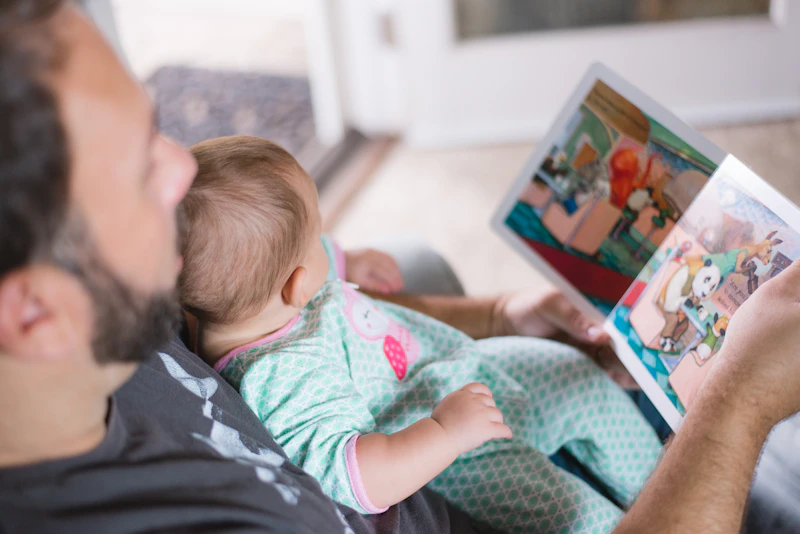
Children thrive on routines, but travel makes strict adherence difficult. Choose one or two routines to maintain (like bedtime or a bedtime story), but be flexible about less critical ones. The goal is to help your child feel secure, not to recreate home on the road.
Encouraging Flexibility in Your Children
Flexibility is a skill children develop over time. Encourage it by:
- Talking about change positively: Highlight the excitement of new experiences.
- Praising adaptability: Recognize when your child handles change well.
- Playing games that involve change: Board games or pretend play can help kids practice adapting to new rules or scenarios.
Self-Care for Traveling Parents
Flexibility is easier when you’re well-rested and calm. Prioritize your own self-care by:
- Getting enough sleep, when possible
- Sharing responsibilities with your partner or traveling companions
- Taking breaks for yourself, even if just for a cup of coffee or a short walk alone
Real-Life Scenarios: Flexibility in Action
Consider these examples of flexible family travel:
- A rainy beach day: Instead of sulking, your family turns a rainy day into a pancake breakfast and a museum visit, discovering a new favorite exhibit.
- Missed train: While waiting for the next departure, you explore the station’s shops, grab a local snack, and make up silly stories about fellow travelers.
- Overtired toddler: You skip the afternoon sightseeing and have a quiet movie time in the hotel, letting everyone recharge for the next adventure.
Tips for Different Age Groups
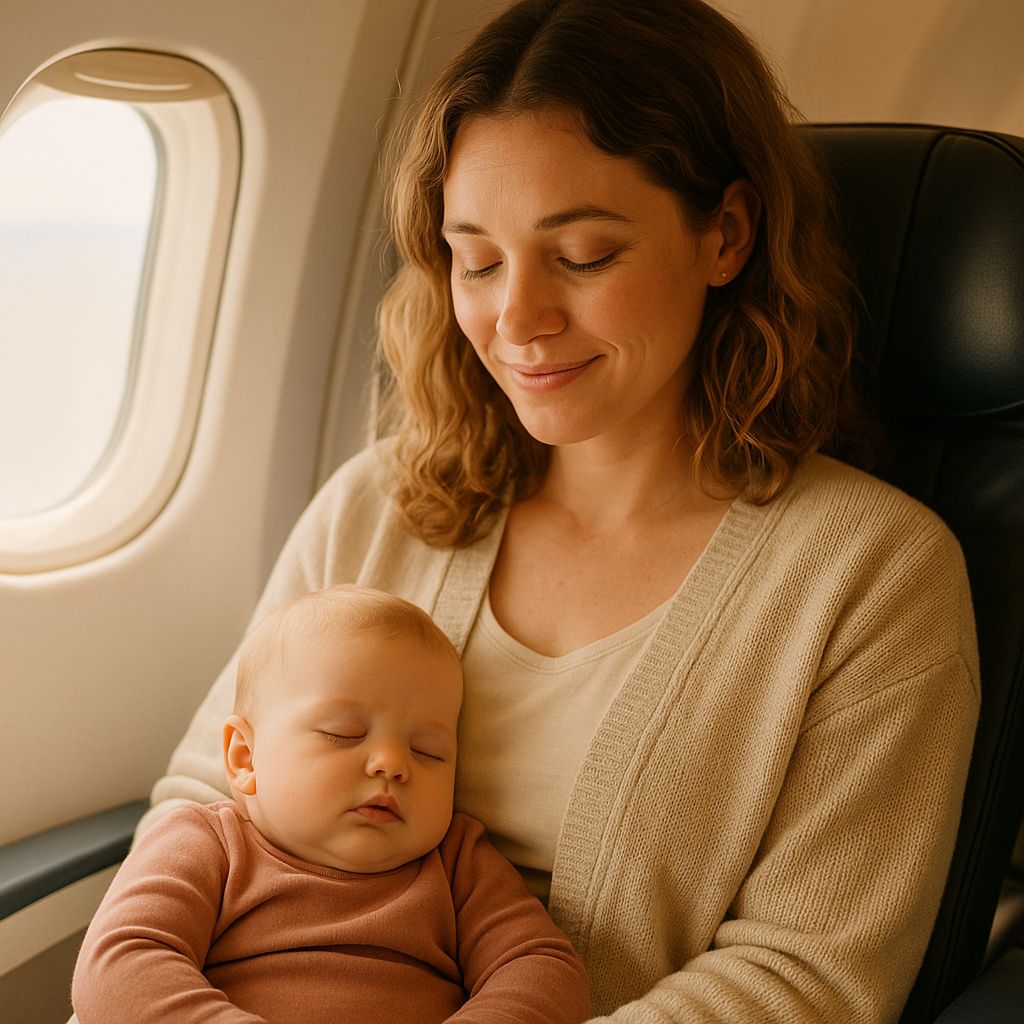
Traveling with Babies and Toddlers
- Keep days simple and allow for naps and down time.
- Bring comfort items and familiar snacks.
- Use a baby carrier or stroller for flexibility on the go.
Traveling with Preschoolers and Elementary-Age Kids
- Offer choices throughout the day.
- Keep activities short and varied.
- Bring entertainment and involve them in simple decisions.
Traveling with Tweens and Teens
- Give them input on the itinerary.
- Allow some independent time (with safety in mind).
- Respect their need for downtime or connection with friends online.
Creating Lasting Memories Through Flexibility
Some of the most cherished travel memories come from unplanned moments—finding a hidden street market, playing in the rain, or sharing a laugh over a travel mishap. By staying flexible, you not only reduce stress but also open your family up to the joy of discovery.
Conclusion
Staying flexible while traveling with kids isn’t always easy, but it’s a skill that pays off in more enjoyable, resilient, and memorable family adventures. Remember: the true goal of family travel is connection and shared experience. With preparation, the right mindset, and these expert strategies, you can adapt to whatever the journey brings—and teach your children powerful lessons about handling change along the way.
Frequently Asked Questions
- Why is flexibility important when traveling with kids?
- Children often have unpredictable needs and energy levels. Flexibility helps parents adapt to changes, reduce stress, and create positive travel experiences for the whole family.
- How can I prepare for unexpected changes during family travel?
- Pack essentials, have backup plans, manage expectations, and involve your children in discussions about possible changes. This helps everyone adjust more easily to shifting circumstances.
- What are some activities to keep kids entertained during travel delays?
- Bring a travel activity kit with books, coloring materials, puzzles, and small toys. Digital devices with headphones, storytelling, and interactive games also work well.
- How do I handle travel meltdowns or tantrums?
- Stay calm, acknowledge your child's feelings, and offer comfort. Take breaks when needed, and try to keep routines (like snacks and naps) as consistent as possible.
- Is it possible to stick to routines while being flexible?
- Yes, maintaining key routines like bedtime or mealtimes helps children feel secure. However, being open to minor changes or delays will make your trip smoother and more enjoyable.