
How to Introduce Solid Foods: A Warm & Supportive Guide for Preschoolers
Introducing solid foods is a joyful milestone in your child's growth and development. By preschool age (typically ages 3-5), children have usually been eating a variety of solid foods for some time. However, this stage is crucial for expanding their tastes, building positive mealtime habits, and nurturing a lifelong appreciation for nutritious eating.
In this comprehensive guide, we’ll help you navigate the world of preschool nutrition with warmth and expert advice. Whether you’re working through picky eating, introducing new foods, or striving to create positive mealtime experiences, you’ll find practical steps and supportive strategies for every family.
Why Preschool Is a Pivotal Time for Introducing (and Re-introducing) Solid Foods
During the preschool years, children’s palates are developing rapidly, and their social and emotional skills are blossoming. Mealtime becomes not only a chance to nourish their bodies but also an opportunity to bond, explore, and foster independence. While most toddlers begin solids around 6 months, the preschool years are about building on these foundations.
- Variety is Key: Preschoolers are more willing to try new foods than you might think. Repeated exposure paves the way for healthy preferences.
- Social Learning: Children model their eating habits after parents and peers. Family meals encourage exploration and acceptance.
- Building Healthy Habits: The routines and food choices you establish now can influence your child’s lifelong relationship with food.
Recognizing Readiness: Signs Your Preschooler Is Ready for More Complex Foods
Most preschoolers can handle a wide range of textures and flavors, but every child is unique. Look for these signs that your child is ready for more complex or unfamiliar solid foods:
- Can chew and swallow food without difficulty
- Shows interest in what others are eating
- Uses utensils with some independence
- Is open to tasting or touching new foods (even if only a little!)
Step-by-Step: How to Introduce Solid Foods to Your Preschooler
-
Start with Familiar Foods, Then Gradually Expand
Begin by offering foods your child already enjoys, then add new ingredients, flavors, or textures alongside. For example, if your child likes mashed potatoes, try adding mashed sweet potatoes or carrots.
-
Offer Variety and Balance at Each Meal
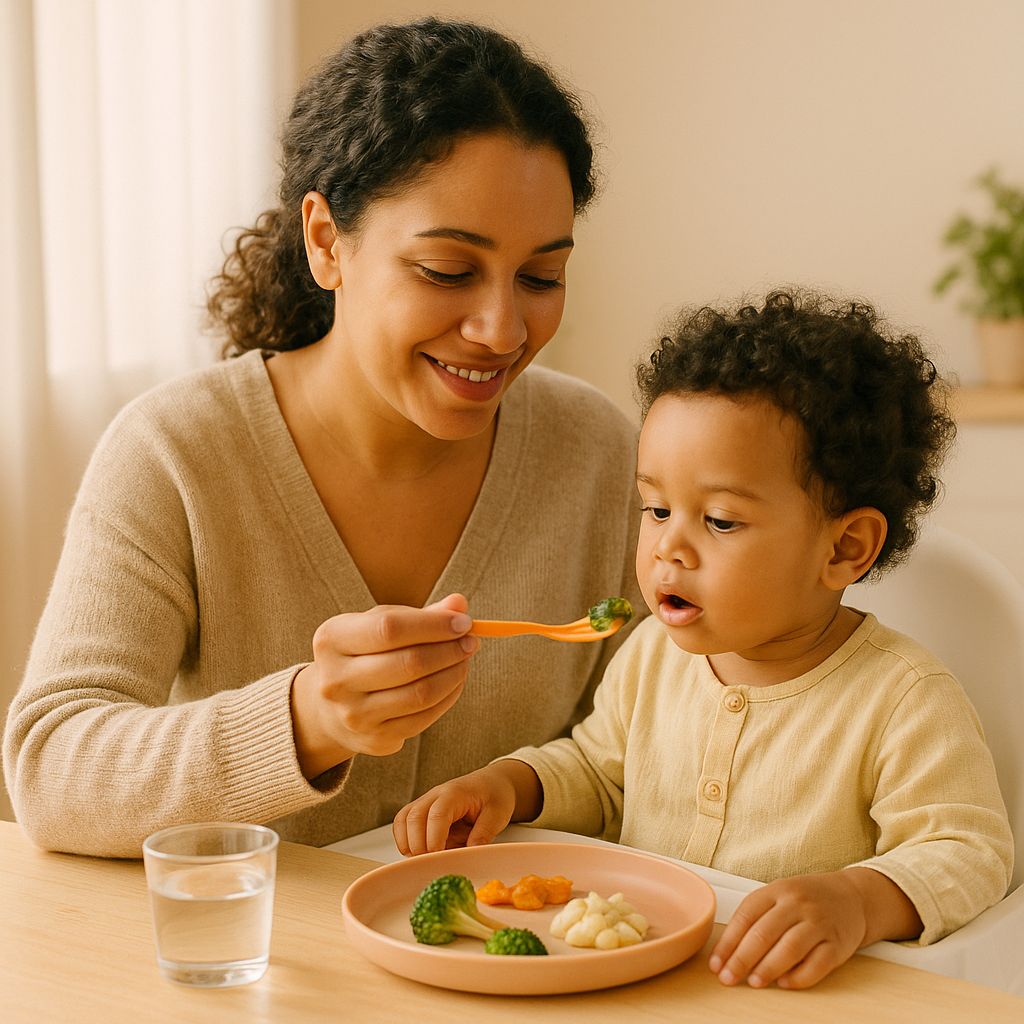
Aim for a colorful plate with fruits, vegetables, whole grains, proteins, and dairy. Let your preschooler choose which foods to try first, as this encourages autonomy.
-
Involve Your Child in Food Choices and Preparation
Let your preschooler help pick out fruits and veggies at the store, wash produce, or stir ingredients. Participation builds confidence and curiosity.
-
Practice Positive Mealtime Routines
Eat together as a family whenever possible. Avoid distractions like screens and focus on conversation, making meals a relaxed and enjoyable time.
-
Be Patient with Picky Eating
It’s normal for preschoolers to have strong food preferences or go through phases of picky eating. Continue to offer a variety of foods without pressure or bribes—gentle encouragement and repeated exposure work wonders.
-
Model Healthy Eating
Children learn by example. If you’re excited about trying new foods and eat a balanced diet yourself, your child is more likely to do the same.
-
Respect Your Child’s Appetite
Let your preschooler decide how much to eat from the healthy options you provide. Avoid forcing bites or using food as a reward.
Creative Ways to Make New Foods Appealing
Presentation can make a big difference! Try these fun ideas to spark your child’s interest in trying new foods:
- Cut foods into fun shapes using cookie cutters.
- Use colorful plates and utensils to make meals visually exciting.
- Arrange food in patterns or faces—think a smiley face made from fruit slices.
- Offer dips like yogurt, hummus, or guacamole alongside veggies or whole-grain crackers.
- Create “build-your-own” meals, like taco bars, salad bowls, or mini sandwiches, giving your preschooler some control and choice.
Sample Meal Ideas for Preschoolers
| Meal | Examples |
|---|---|
| Breakfast | Whole grain cereal with milk, sliced banana, and a side of scrambled egg |
| Lunch | Turkey and cheese roll-up, cucumber slices, cherry tomatoes, and apple wedges |
| Snack | Yogurt with mixed berries, or whole grain crackers with hummus |
| Dinner | Grilled chicken, brown rice, steamed broccoli, and peach slices |
Solving Common Challenges When Introducing New Foods
1. Picky Eating
Picky eating is common in preschoolers and often a part of asserting independence. Stay calm and consistent. Offer new foods alongside familiar favorites and avoid making separate meals. Remember, it may take 10-15 exposures before a child willingly tries something new.
2. Food Jags
Some children want to eat the same food every day for a while. As long as the rest of their diet is balanced, this phase usually passes. Continue to offer other options without pressure.
3. Refusal to Try New Foods
Try involving your child in cooking and shopping, reading books about food, or growing a small garden together. Sometimes learning about food in a fun, hands-on way piques curiosity.
Establishing a Positive Mealtime Environment
- Keep mealtimes relaxed and positive. Avoid pressure, bargaining, or punishments around eating.
- Provide regular meals and snacks at predictable times to help children recognize hunger and fullness cues.
- Encourage conversation and connection, making the table a place for family sharing.
- Minimize distractions by turning off TVs and putting away devices.
Ensuring Balanced Nutrition for Preschoolers
Preschoolers need a variety of nutrients to support their rapid growth and energy needs. Aim for:
- Fruits and Vegetables: Offer different colors and textures every day.
- Whole Grains: Choose whole grain bread, pasta, rice, and cereals.
- Protein: Include lean meats, poultry, fish, eggs, beans, and nuts (if no allergies).
- Dairy: Serve milk, cheese, and yogurt for calcium and vitamin D.
- Healthy Fats: Use olive oil, nut butters, and avocado for brain development.
Water should be the main drink. Limit sugary beverages and snacks, and offer treats occasionally without labeling foods as “good” or “bad.”
Food Safety for Preschoolers
- Cut foods into small, manageable pieces to prevent choking (especially grapes, hot dogs, or raw carrots).
- Supervise meals to ensure safe eating.
- Teach hand-washing before meals and snacks.
When to Seek Professional Advice
If your child is consistently refusing entire food groups, losing weight, or you have concerns about their nutrition or growth, consult your pediatrician or a registered dietitian. Most picky eating is normal, but persistent issues may need extra support.
Conclusion: Making Mealtimes Joyful and Nourishing
Introducing solid foods to your preschooler is a journey filled with new tastes, textures, and discovery. By offering a variety of nutritious options, modeling positive eating habits, and creating a relaxed mealtime environment, you set the stage for a lifetime of healthy eating.
Remember, every child is unique, and progress may be gradual. Your patience, encouragement, and love are the best ingredients for success. Happy eating!