
How to Build Positive Travel Behavior in Kids: Expert Strategies for Smooth Family Adventures
Family vacations and travel adventures can be some of the most memorable experiences for children and parents alike. However, traveling with kids also comes with its unique set of challenges, particularly when it comes to managing behavior in unfamiliar settings. Teaching positive travel behavior in kids not only ensures smoother journeys but also instills life-long values of respect, adaptability, and curiosity. In this comprehensive guide, we’ll explore expert-backed strategies to foster positive travel behavior, making every family trip a rewarding experience.
Why Is Positive Travel Behavior Important?
Positive travel behavior is more than just good manners on the move; it’s about helping children adapt to new environments, respect different cultures, and handle the stresses of travel. Well-behaved young travelers are happier, more adaptable, and better equipped to handle challenges. For parents, this means less stress and more enjoyment during family adventures.
1. Preparation: Set the Foundation Before the Trip
The groundwork for positive travel behavior starts long before you set foot on a plane, train, or in the car. Here’s how to prepare your child:
- Talk About the Trip: Share details about your destination, the travel plans, and what to expect. Use books, videos, or photos to make the journey relatable and exciting.
- Discuss Expectations: Explain the importance of following rules in airports, hotels, and public places. Use age-appropriate language and examples.
- Practice Routines: If your child hasn’t flown or taken long journeys before, practice sitting for extended periods at home, waiting in lines, or using travel gear like backpacks and suitcases.
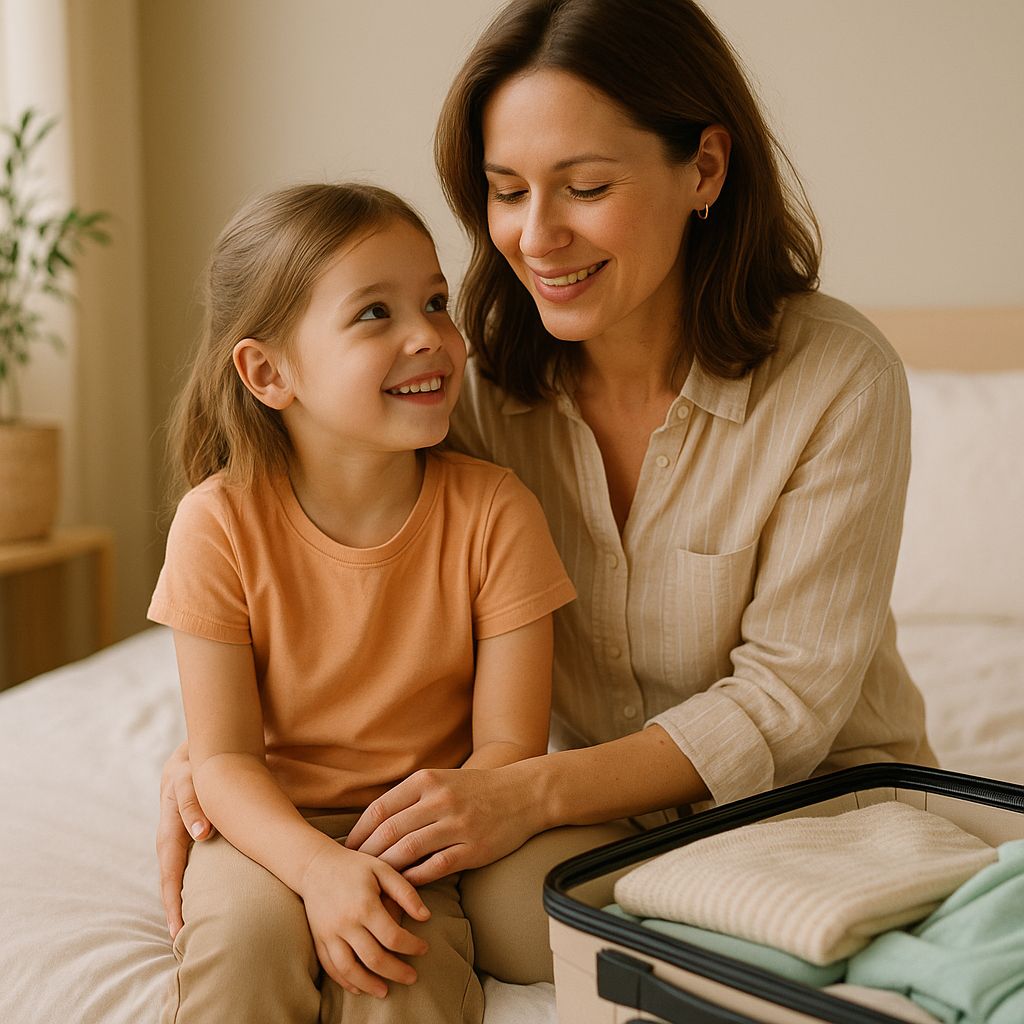
- Packing Together: Involve your child in packing their bag. Let them choose comfort items, snacks, and favorite activities. This gives them control and makes them feel included.
2. Model and Reinforce Positive Behavior
Children learn most by observing their parents. Consistently modeling respectful, calm, and adaptable behavior teaches kids how to act in new situations.
- Demonstrate Manners: Use polite language, say “please” and “thank you,” and greet people warmly. Encourage your child to do the same and praise their efforts.
- Stay Calm Under Stress: Travel can be unpredictable. When plans change or challenges arise, manage your reactions. Narrate your coping strategies so children learn resilience (‘It’s okay, let’s find out what our options are’).
- Respect Local Customs: Before traveling, research and discuss cultural norms. Practice greetings and simple phrases in the local language together.
3. Set Clear, Consistent Boundaries
Children thrive on consistency. Setting clear rules and gently reminding them during the trip helps manage expectations and behavior. For example:
- “On planes, we use our quiet voices.”
- “We stay close to parents in busy places.”
- “We treat hotel property with respect.”
Review these rules before each new part of the journey and use visual reminders for younger kids (such as a checklist or picture cards).
4. Encourage Participation and Responsibility
Engaging kids in the travel process helps them feel valued and responsible. Age-appropriate tasks might include:
- Carrying their own small backpack or comfort toy.
- Helping check items off a packing list.
- Choosing a snack or activity for the road.
- Learning a few words in the local language together.
These small responsibilities foster independence and investment in the family adventure.
5. Create Predictable Routines Amidst Change
Travel disrupts children’s routines, which can lead to behavioral challenges. Counteract this by preserving familiar elements wherever possible:
- Keep regular meal and bedtimes, adjusting gently to new time zones.
- Bring comfort items like a favorite blanket or stuffed animal.
- Use a familiar bedtime routine, even if it’s shortened or adapted for the trip.
Predictability provides security and helps children adjust more smoothly to new environments.
6. Provide Positive Reinforcement
Catch your child being good! Positive reinforcement is a powerful tool for building and maintaining travel-friendly behavior. Examples include:
- Verbal praise: “I love how you waited patiently at security.”
- Small rewards: Stickers, extra storytime, or choosing the next activity.
- Celebrating milestones: Mark special moments—first flight, trying a new food—with a photo or keepsake.
Focus on progress, not perfection. Acknowledge effort as much as outcomes.
7. Plan Engaging Activities and Breaks
Boredom is often the root of challenging behavior during travel. Combat this by planning age-appropriate activities and movement breaks:
- Packing a variety of books, crafts, or digital games for long journeys.
- Scheduling time to run, play, or explore between travel segments.
- Using travel journals or scavenger hunts to make the experience interactive.
Involvement and stimulation help children channel excitement and energy positively.
8. Manage Transitions and Big Emotions
Travel is full of transitions, which can trigger anxiety or meltdowns, especially in younger kids. Prepare for these moments:
- Give advance warnings before transitions: “We have 10 more minutes in the pool.”
- Empathize with their feelings: “It’s hard to leave when you’re having fun.”
- Offer choices when possible: “Would you like to walk or ride in the stroller to the gate?”
Validating feelings and maintaining flexibility can prevent escalation and help children feel understood.
9. Teach Travel Etiquette and Social Skills
Each travel environment—whether it’s an airplane, hotel, or tourist site—has its own social expectations. Teach kids:
- To use quiet voices and respect others’ space.
- To wait their turn and follow instructions from travel staff.
- To say “hello,” “please,” and “thank you” in the local language, if possible.
Role-playing tricky situations before the trip can boost confidence and reduce anxiety.
10. Be Patient and Adaptable
No matter how much you prepare, travel brings surprises. Maintain a sense of humor, show patience, and adapt plans as needed. Remember, every trip is an opportunity for children (and parents!) to learn and grow.
Real-Life Examples: Positive Travel Behavior in Action
Case Study 1: Long-Haul Flight with a Preschooler
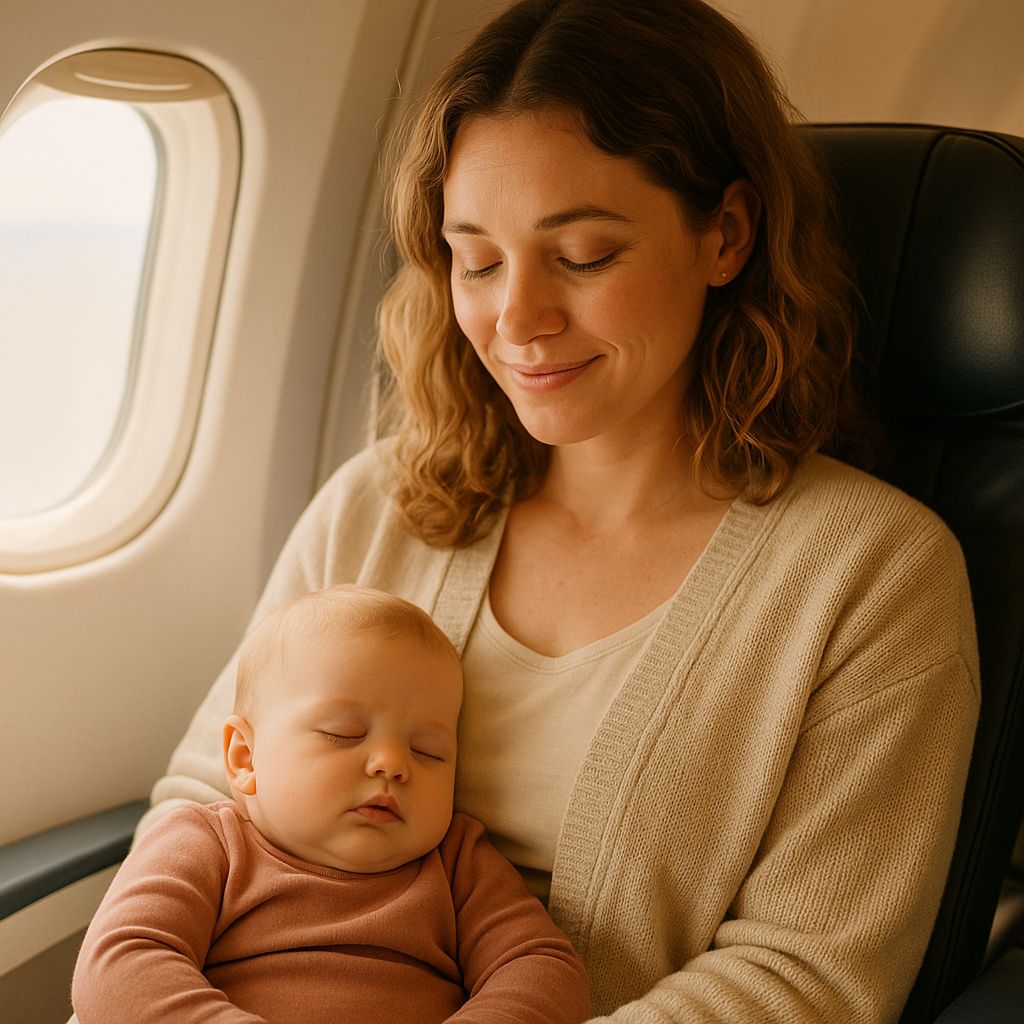
The Smith family prepared their four-year-old for her first international flight by practicing sitting quietly, packing familiar snacks, and bringing new coloring books. During the flight, they praised her for using her inside voice and took short walks every hour. When she felt overwhelmed, they offered her favorite blanket and validated her feelings, which prevented a meltdown.
Case Study 2: Exploring a New Culture
The Garcias took their two children to Japan. Before the trip, they watched videos about Japanese manners and practiced bowing. The parents modeled respectful greetings and gently reminded the kids to remove their shoes in homes and temples. The children felt proud when praised by locals, reinforcing their positive behavior.
Common Challenges and How to Address Them
- Tiredness and Jet Lag: Prioritize sleep, adjust gradually to new time zones, and keep comfort items handy.
- Picky Eating: Pack familiar snacks and encourage children to try new foods in a low-pressure way.
- Sibling Squabbles: Offer individual responsibilities and breaks, and praise cooperative behavior.
- Anxiety or Homesickness: Maintain routines, stay positive, and share stories about your own travel experiences as a child.
Resources for Parents
- TSA Guidelines for Traveling with Children
- CDC: Travel Health Tips for Children
- Growing Giggles Travel Guides
Conclusion
Building positive travel behavior in kids is a process that starts long before the journey and continues throughout your adventures together. By preparing thoughtfully, modeling kindness and adaptability, and reinforcing positive actions, you set the stage for stress-free, joyful family travel. Each trip becomes an opportunity to nurture curiosity, resilience, and respect—skills that will serve your child for a lifetime. Bon voyage!
Frequently Asked Questions
- How early should I start teaching my child about travel behavior?
- Start teaching travel behavior as soon as your child begins to understand routines and simple instructions, typically around age two or three. Consistent reinforcement before and during trips helps build lifelong positive habits.
- What should I do if my child misbehaves while traveling?
- Address misbehavior calmly and privately, using positive discipline strategies like redirection, natural consequences, and gentle reminders. Acknowledge their feelings and provide clear, consistent boundaries.
- Are there ways to make long journeys easier for kids?
- Yes! Bring engaging activities, snacks, and comfort items. Plan regular breaks, maintain routines when possible, and prepare your child with information about the journey to reduce anxiety and boredom.
- How can I encourage my child to be respectful in new cultures?
- Before your trip, talk about local customs, greetings, and behaviors. Practice together and emphasize the importance of respect and empathy. Lead by example and praise efforts to adapt.