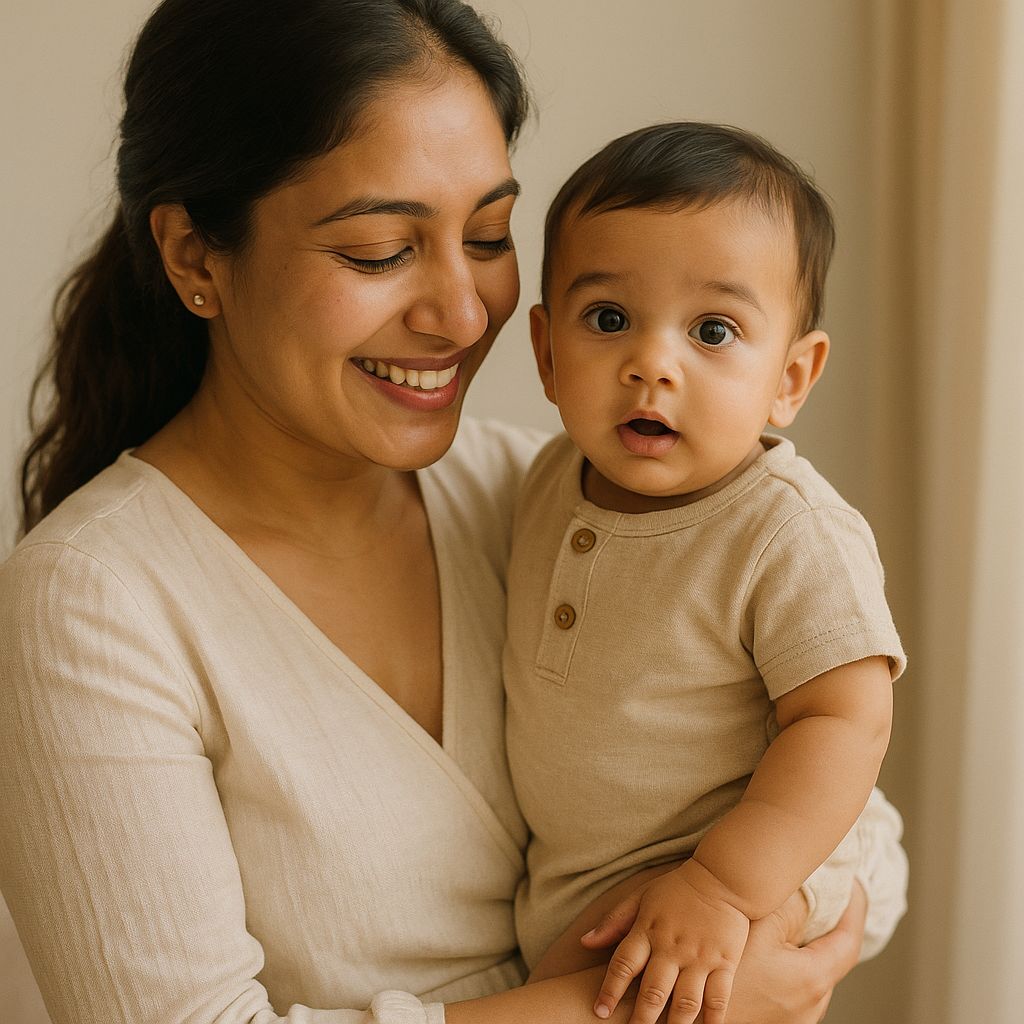

Sleep Tips for 9–12 Month Babies: A Supportive Guide for Parents
Sleep is essential for your baby’s growth, brain development, and overall well-being. Yet, as your little one approaches their first birthday, you may find that sleep patterns are shifting—sometimes in ways that leave both parents and babies a little tired! This detailed guide covers expert sleep tips for 9–12 month babies, including routines, managing night wakings, and supporting your child through sleep transitions with warmth and patience.
Understanding Sleep Needs for 9–12 Month Babies
At this age, your baby is growing rapidly—crawling, babbling, even standing with support. With all these milestones come changes in sleep. Most 9–12 month olds need about 14 hours of total sleep in 24 hours, typically split between 11–12 hours at night and 2–3 hours of daytime naps.
But, sleep at this stage can be unsettled, thanks to developmental leaps, separation anxiety, and shifting nap needs. Let’s explore how you can help your baby (and you!) get the restorative rest you both need.
Key Sleep Challenges Between 9 and 12 Months
1. The 9-Month Sleep Regression
Many parents notice a sudden change in sleep around 9 months. Babies may start waking more at night, resist naps, or have trouble settling at bedtime. This is the well-known 9-month sleep regression, often triggered by:
- Learning new skills like crawling, pulling to stand, or saying first words
- Increased awareness and curiosity about the world
- Separation anxiety as your baby starts to notice when you leave
While challenging, this phase is temporary and signals healthy development!
2. Nap Transitions
Between 8 and 10 months, most babies naturally shift from three naps to two. The timing and length of naps may fluctuate, and some days may be more challenging than others. Watch for tired cues and adjust nap times as needed.
3. Night Wakings and Feeding
By this age, many babies can sleep through the night without feeds, but it's common for some to still need comfort. Consider your baby’s growth, feeding patterns, and your family’s needs.
Expert Sleep Tips for 9–12 Month Babies
1. Create a Consistent Bedtime Routine
A predictable, gentle bedtime routine signals to your baby that sleep is coming. Ideal routines may include:
- A warm bath
- Changing into pajamas and a fresh diaper
- Soft lighting and calming sounds
- Reading a short story or singing a lullaby
- Cuddles and a loving goodnight
Try to keep the routine consistent, even when traveling or if bedtime is a little later than usual.
2. Encourage Self-Soothing Skills
Babies learn to fall asleep (and back to sleep) on their own through gentle practice. Here’s how you can encourage this:
- Place your baby in the crib drowsy but awake
- Offer a favorite comfort object, like a small blanket or soft toy (if safe)
- Use gentle, reassuring words or a soft touch if your baby fusses
- Give your baby a few moments to settle before intervening
Self-soothing takes practice, so be patient and supportive.
3. Optimize the Sleep Environment
Make your baby’s room conducive to sleep:
- Keep the room dark and cool (ideally 68–72°F or 20–22°C)
- Use white noise to block out household sounds
- Ensure the crib is free from pillows, blankets, or toys (other than a safe comfort item)
- Use a sleep sack for warmth and security
4. Support Healthy Daytime Naps
At 9–12 months, aim for two naps per day—typically a morning and afternoon nap. Watch for sleep cues, such as rubbing eyes, yawning, or fussiness, and adjust nap times as needed.
Try to avoid late afternoon naps that might push bedtime too late.
5. Handle Night Wakings with Gentle Reassurance
If your baby wakes during the night:
- Wait a moment to see if they will resettle on their own
- Offer brief reassurance if needed (gentle pat, soothing words)
- Avoid turning on bright lights or engaging in stimulating activities
- Keep interactions calm and minimal
If night waking is persistent, review their daytime sleep schedule and ensure they’re getting enough sleep during the day.
6. Respond to Separation Anxiety with Warmth
Separation anxiety peaks between 9 and 12 months. To ease bedtime transitions:
- Practice short separations during the day
- Offer a comforting phrase or routine (“Mommy always comes back!”)
- Be consistent with your goodnight routine
7. Balance Flexibility and Consistency
Life with a baby is full of changes. While routines are helpful, it’s okay to be flexible. If your baby is sick, teething, or going through a big milestone, offer extra comfort and adjust routines as needed.
Sample Sleep Schedule for 9–12 Month Olds
| Time | Activity |
|---|---|
| 7:00 am | Wake up |
| 9:30 am | Morning nap (1–1.5 hours) |
| 2:00 pm | Afternoon nap (1–1.5 hours) |
| 7:00 pm | Bedtime routine & sleep |
Every baby is unique—adjust these times to match your baby’s natural rhythms.
When to Seek Help
If your baby is consistently struggling with sleep, or if you have concerns about their well-being, consult your pediatrician. Persistent sleep issues may be caused by underlying medical conditions, such as reflux, allergies, or sleep disorders.
Gentle Sleep Training Approaches
Many families choose to introduce gentle sleep training between 9 and 12 months. Options include:
- Gradual Retreat: Slowly reduce your presence in the room as your baby falls asleep.
- Pick Up/Put Down: Comfort your baby as needed, then place them back in the crib awake.
- Timed Checks: Briefly check in at regular intervals, offering reassurance but allowing your baby to settle.
Always choose an approach that feels right for your family, and never hesitate to ask for support from a pediatrician or sleep consultant.
Common Sleep Questions for 9–12 Month Babies
- How much sleep does my baby need? Most need about 14 hours in 24 hours, including naps and nighttime sleep.
- Should I drop a nap? Many babies transition to two naps between 8 and 10 months.
- Is it normal for my baby to wake at night? Occasional night wakings are common due to development, teething, or changes in routine.
- How can I help my baby sleep better? Consistent routines, a calming sleep environment, and gentle support for self-soothing can all help.
Final Thoughts: Supporting Your Baby’s Sleep Journey
Sleep in the 9–12 month stage can be unpredictable, but it’s also a time of joyful growth and development. By practicing patience, maintaining comforting routines, and responding to your baby’s needs with love, you’re laying the foundation for healthy sleep habits that can last a lifetime.
Remember, every baby is different. What works for one family may be different for another. Trust your instincts, seek support when needed, and cherish these moments of closeness—even the sleepy ones!