
Making Travel Stress-Free for Parents: Expert Strategies for Smooth Adventures
Traveling with children is a rewarding experience, but it often comes with unique challenges. Whether you’re embarking on a weekend getaway or a cross-country adventure, parents can find themselves overwhelmed by logistics, packing, and managing the needs of little travelers. At Growing Giggles, we believe stress-free travel is achievable with the right strategies, preparation, and mindset. This comprehensive guide shares expert advice and actionable tips to ensure your next family journey is smooth, enjoyable, and memorable.
Understanding Travel Stress for Parents
Before diving into solutions, it’s essential to understand what causes travel stress for parents. Common triggers include:
- Unpredictable routines
- Packing and organizing for multiple ages
- Managing children’s emotions and behavior
- Handling travel delays or emergencies
- Ensuring everyone’s comfort and safety
Fortunately, many of these challenges can be mitigated with thoughtful planning and realistic expectations.
1. Advance Planning: The Foundation of Stress-Free Travel
Successful trips begin long before you leave home. Advance planning allows you to anticipate needs, reduce surprises, and delegate tasks. Here’s how to lay a strong foundation:
- Research Destinations: Choose places known for being family-friendly, with amenities and attractions suitable for children.
- Set Realistic Itineraries: Avoid over-scheduling. Allow downtime for rest, play, and spontaneous exploration.
- Book Accommodations Early: Opt for suites or apartments with kitchen facilities for flexibility. Check reviews for safety and comfort.
- Plan Transportation: Consider direct routes, child-friendly airlines, and car rentals with car seats. Always have backup options for delays.
2. Packing Smart: Less is More
Packing efficiently is crucial for reducing stress and maintaining organization. Follow these expert tips:
- Create Packing Lists: Make separate lists for each family member, including essentials, comfort items, and entertainment.
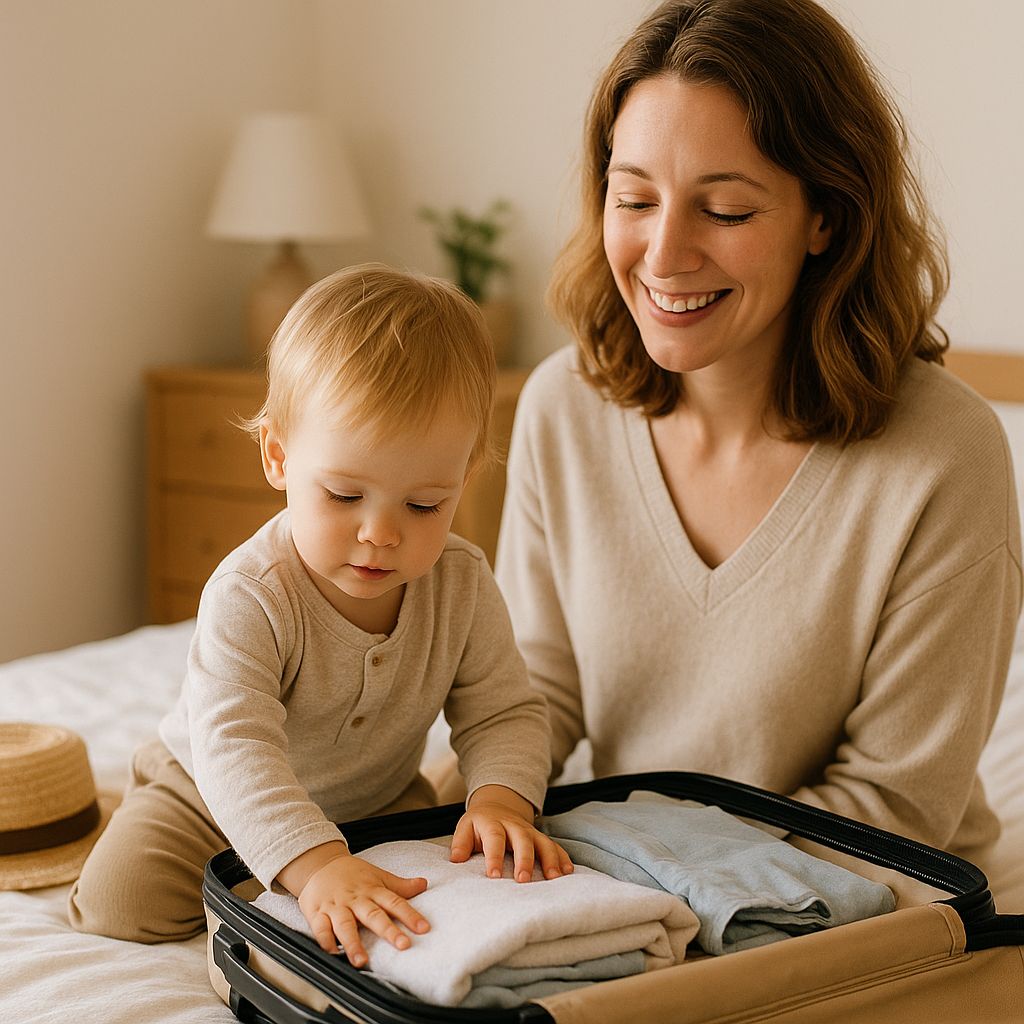
- Involve Kids: Allow children to choose a few toys or books, giving them a sense of ownership and excitement.
- Opt for Versatile Clothing: Select outfits that mix and match, and plan for weather variations.
- Pack Snacks and Water: Minimize hunger-induced meltdowns by keeping healthy snacks and water bottles accessible.
- Utilize Packing Cubes: These help separate clothing and gear, making unpacking in hotels easier.
- Keep Essentials Handy: Store passports, medications, and comfort items in a parent’s bag for quick access.
3. Preparing Kids for Travel
Children thrive on routine and familiarity. Preparing them for travel helps reduce anxiety and encourages cooperation.
- Discuss the Trip: Explain where you’re going, what to expect, and involve them in planning activities.
- Share Visuals: Show maps, photos, or videos of your destination to build excitement.
- Practice Travel Routines: For younger children, role-play airport security or train boarding to demystify the experience.
- Set Expectations: Talk about travel rules, such as staying close, listening to instructions, and using indoor voices.
4. Managing Routines and Flexibility
While it’s ideal to maintain routines, travel requires adaptability. Here’s how to balance structure and spontaneity:
- Keep Familiar Bedtimes: Try to stick to usual sleep schedules, but be open to adjusting for time zones and activities.
- Maintain Meal Patterns: Have regular meal and snack times, even if the menu changes.
- Embrace Change: Encourage children to try new experiences, foods, and activities, but respect their limits.
- Stay Flexible: If plans shift due to weather or delays, reframe the change as an adventure.
5. Choosing Family-Friendly Accommodations
The right place to stay can make or break your trip. Consider these factors:
- Space: Look for accommodations with separate sleeping areas for parents and kids.
- Facilities: Access to kitchens, laundry, and play areas is invaluable.
- Safety: Confirm secure locks, window guards, and childproofing.
- Location: Stay near attractions, parks, or public transit for easy access.
6. Entertainment and Engagement During Travel
Keeping children entertained is crucial during transit and downtime:
- Bring Age-Appropriate Activities: Pack books, games, coloring supplies, and digital devices with headphones.
- Interactive Play: Engage kids with travel-themed games, scavenger hunts, or storytelling.
- Observe and Participate: Encourage children to spot landmarks, learn new words, or document their journey in a travel journal.
- Rotate Activities: Switch between quiet and active play to match energy levels.
7. Handling Unexpected Challenges
No matter how well you plan, surprises will arise. Here’s how to handle them:
- Stay Calm: Model composure and problem-solving for your children.
- Have Backup Plans: Keep alternative activities or routes in mind.
- Carry Essentials: Always have a small first-aid kit, extra snacks, and emergency contacts.
- Seek Support: Don’t hesitate to ask hotel staff, guides, or locals for help.
8. Communication and Teamwork
Traveling as a family is a team effort. Strong communication prevents misunderstandings and builds cooperation:
- Check In Frequently: Ask children how they’re feeling and what they need.
- Delegate Tasks: Assign age-appropriate responsibilities, like carrying a backpack or choosing an activity.
- Celebrate Successes: Acknowledge moments when children adapt, cooperate, or show resilience.
9. Mindful Parenting on the Road
Mindfulness helps parents stay present and appreciative, even amid challenges:
- Pause for Gratitude: Reflect on unique experiences and family bonding moments.
- Let Go of Perfection: Accept that not everything will go as planned, and that’s okay.
- Prioritize Connection: Use travel as an opportunity to deepen relationships with your children.
10. Post-Trip Reflection and Growth
After your journey, take time to reflect:
- Discuss Highlights: Share favorite moments as a family.
- Learn from Challenges: Identify what worked and what could improve for next time.
- Document Memories: Create photo albums or journals to preserve your adventure.
Bonus: Sample Packing Checklist for Parents
- Travel documents: passports, tickets, insurance
- Comfort items: blankets, stuffed animals
- Snacks and water bottles
- Entertainment: books, games, tablets
- Clothing: weather-appropriate, extra layers
- Toiletries: toothbrushes, wipes, sunscreen
- First-aid kit and medications
- Backup chargers and power banks
Conclusion
Stress-free travel for parents is more than a dream—it’s a reality with the right strategies. By planning ahead, packing smart, preparing your children, and embracing flexibility, you can transform family journeys into joyful adventures. Remember, the goal isn’t perfection, but connection, growth, and fun. With these expert tips, your next trip will be filled with giggles, memories, and a sense of accomplishment. Happy travels from Growing Giggles!
Frequently Asked Questions
- How can parents reduce stress when traveling with kids?
- Parents can reduce stress by planning ahead, packing efficiently, involving children in the process, maintaining routines, and staying flexible to adapt to unexpected situations.
- What should parents pack for a family trip?
- Essentials include snacks, entertainment, comfort items, clothing for various weather conditions, first-aid supplies, and travel documents. Packing light and smart is key.
- How do you keep kids entertained during long travel days?
- Bring age-appropriate toys, games, books, and digital devices. Plan interactive activities and encourage kids to observe and participate in the travel experience.
- Are there ways to manage routines while traveling?
- Yes. Try to maintain familiar routines such as meal and sleep times when possible, but also be open to adjustments that suit the travel schedule.
- How can parents handle unexpected travel challenges?
- Stay calm, problem-solve as a team, and have backup plans. Carry essential items and keep important contacts handy for emergencies.