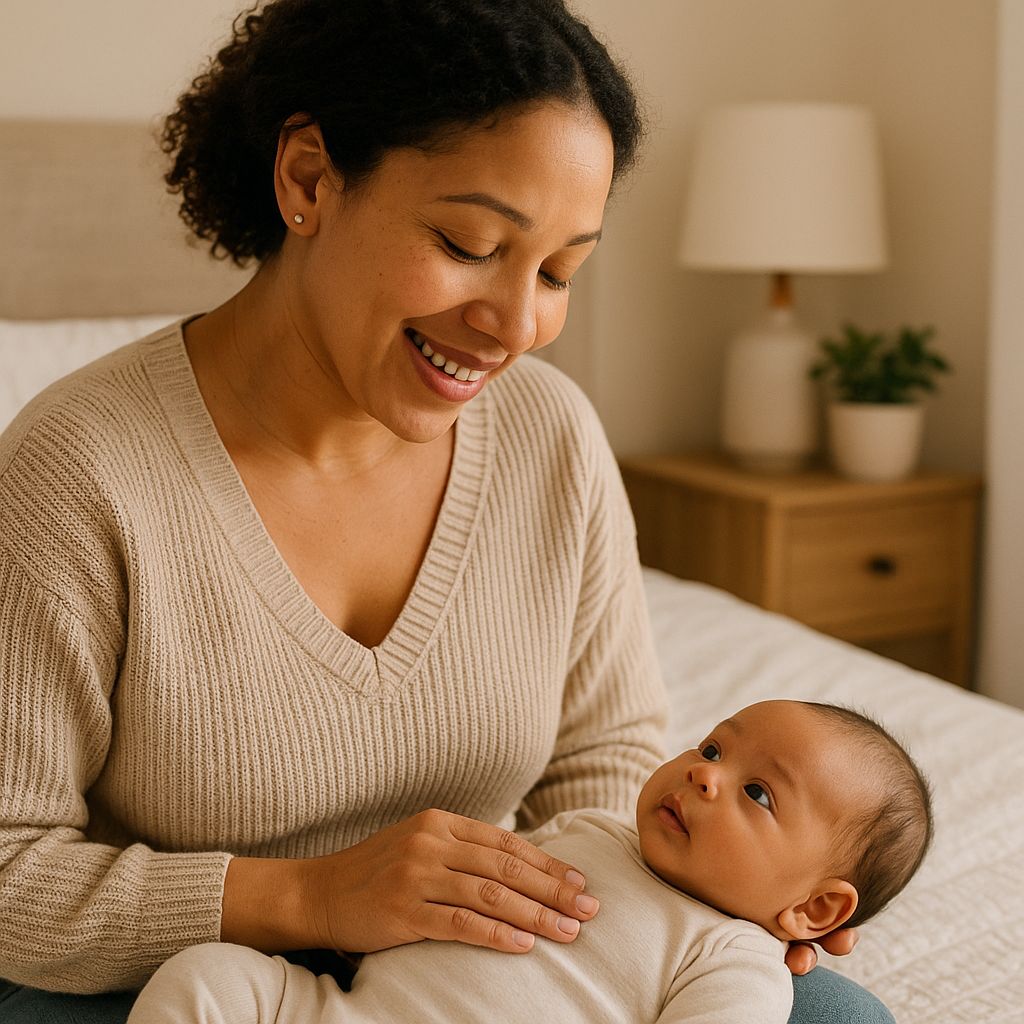

How to Maintain a Healthy Environment for Your Baby at Home
Welcoming a baby into your home is a joyous occasion, but it also brings a new set of responsibilities. One of the most important tasks for parents and caregivers is ensuring that your home is a safe, clean, and nurturing space for your little one. Babies are particularly vulnerable to environmental hazards due to their developing immune systems and curiosity, which means extra care is needed to create a healthy environment. At Growing Giggles, we’re here to guide you through every step of this journey.
Why a Healthy Home Environment Matters for Babies
From the moment your baby arrives, their surroundings play a significant role in their development and wellbeing. Exposure to dust, allergens, germs, and chemicals can impact their health, potentially leading to respiratory issues, infections, or allergic reactions. Creating a safe space isn’t just about baby-proofing; it’s about holistic wellness, encompassing air quality, hygiene, emotional comfort, and more.
1. Cleanliness and Hygiene: The Foundation of Baby Wellness
Maintaining a clean home is the cornerstone of a healthy environment for your baby. Here are expert tips to keep your home sparkling and germ-free:
- Regular Cleaning Schedule: Establish a routine for cleaning and disinfecting surfaces, especially in high-touch areas like doorknobs, light switches, and nursery furniture.
- Dust and Dander: Dust accumulates quickly and can trigger allergies. Use a damp cloth to dust surfaces and vacuum with a HEPA filter to capture allergens.
- Safe Cleaning Products: Opt for natural, non-toxic cleaners. Avoid harsh chemicals and fragrances which can irritate your baby’s skin and respiratory system.
- Hand Hygiene: Wash your hands before handling your baby, preparing bottles, or feeding.
- Laundry: Wash your baby’s bedding, clothing, and soft toys weekly with gentle, hypoallergenic detergent.
2. Air Quality: Breathing Easy for Better Health
Indoor air quality can be compromised by dust, mold, pet dander, and chemical fumes. Babies, with their faster breathing rates and developing lungs, are especially susceptible.
- Ventilation: Open windows daily to allow fresh air in, but ensure screens are secure to prevent insects or accidents.
- Air Purifiers: Consider investing in a HEPA-filtered air purifier for your baby’s nursery.
- No Smoking Indoors: Secondhand smoke is dangerous for babies and should never be permitted inside the home.
- Houseplants: Certain houseplants like spider plants and peace lilies can help purify the air, but ensure they are non-toxic and out of reach.
- Humidity Control: Use a humidifier if the air is dry, but clean it regularly to prevent mold growth.
3. Baby-Proofing: Safety First!
As your baby grows and becomes more mobile, baby-proofing becomes crucial. Accidents can happen in a split second, so proactive measures are essential.
- Secure Furniture: Anchor heavy furniture and TVs to walls to prevent tipping.
- Cord Management: Keep electrical cords, blind cords, and charging cables out of reach.
- Outlet Covers: Use safety plugs to cover electrical outlets.
- Gates and Barriers: Install gates at stairs and unsafe rooms.
- Edge and Corner Guards: Soften sharp edges on tables and furniture.
- Safe Storage: Keep medicines, cleaning supplies, and small objects locked away.
4. Choosing Non-Toxic Products
Babies explore their world by touching and mouthing objects, making them more prone to exposure from household products. Choose wisely:
- Toys: Select toys made from BPA-free plastics, untreated wood, or organic fabrics.
- Furniture: Prefer items with low-VOC finishes and natural materials.
- Personal Care: Use fragrance-free, gentle baby lotions, shampoos, and wipes.
- Cleaning Supplies: Check labels for toxic ingredients and opt for plant-based alternatives.
- Paint: If repainting, use non-toxic, water-based paints and ensure proper ventilation.
5. Emotional Wellness: Creating a Calm and Nurturing Atmosphere
A healthy home isn’t just about physical safety. Emotional wellness is equally important for your baby’s development.
- Routine and Consistency: Babies thrive on predictable routines. Set regular times for feeding, sleeping, and play.
- Positive Interaction: Engage with your baby using gentle tones, cuddles, and eye contact.
- Soothing Spaces: Create a relaxing nursery with soft lighting, calming colors, and cozy textures.
- Minimize Noise: Keep noise levels low, especially during sleep times. White noise machines can help if you live in a noisy area.
- Parental Wellness: Your mood and stress levels affect your baby. Prioritize self-care and seek support when needed.
6. Managing Allergens and Pests
Allergens and pests can pose significant risks to babies. Keep your home healthy by:
- Regular Vacuuming: Especially in carpets and upholstered furniture.
- Pet Management: Bathe pets regularly and keep them away from baby sleeping areas.
- Mold Prevention: Address leaks promptly and use mold-resistant paint in damp areas.
- Pest Control: Avoid chemical pesticides; use natural deterrents and keep food stored securely.
7. Safe Sleeping Practices
Sleep safety is paramount. Follow guidelines to reduce risks:
- Firm Mattress: Use a firm, flat mattress with a fitted sheet.
- Crib Safety: Ensure crib slats are no more than 2 3/8 inches apart.
- No Loose Bedding: Avoid pillows, blankets, and stuffed animals in the crib.
- Back to Sleep: Always place your baby on their back to sleep.
- Room Sharing: Share your room with your baby, but not your bed, for at least the first six months.
8. Kitchen and Feeding Safety
The kitchen can be a hazardous area for little ones. Protect your baby during feeding and food preparation:
- Clean Feeding Equipment: Sterilize bottles, nipples, and utensils regularly.
- Safe Food Storage: Refrigerate perishable items and discard expired foods.
- Choking Hazards: Avoid foods that pose choking risks and supervise meals closely.
- Hot Surfaces: Keep babies away from stoves, ovens, and hot pans.
9. Creating Safe Play Zones
Play is vital for your baby’s development. Designate safe areas for exploration:
- Soft Flooring: Use padded mats or rugs for crawling and playing.
- Age-Appropriate Toys: Ensure toys are suitable for your baby’s age and free from small parts.
- Supervision: Always supervise play, especially with new toys or in unfamiliar spaces.
10. Wellness for the Whole Family
A healthy home for your baby benefits everyone. Encourage family wellness by:
- Healthy Habits: Promote handwashing, balanced meals, and regular physical activity.
- Open Communication: Share responsibilities and support each other.
- Routine Medical Care: Stay up-to-date with well-baby visits and vaccinations.
Conclusion: Your Baby’s Home, Their Haven
Maintaining a healthy environment for your baby at home is a continuous process, but it doesn’t have to be overwhelming. By focusing on cleanliness, safety, air quality, and emotional wellness, you’re giving your child the best possible start. Remember, every family’s journey is unique—adapt these tips to suit your needs, and celebrate the little victories along the way. Your love, care, and attention are the most important ingredients in creating a happy, healthy home for your baby.
Frequently Asked Questions
- How often should I clean my baby's nursery?
Aim to clean your baby's nursery at least once a week, focusing on dusting, vacuuming, and disinfecting frequently touched surfaces. Daily spot cleaning is also recommended for areas like changing tables. - What are the best ways to improve air quality in my home for my baby?
Use HEPA filters, ventilate rooms regularly, avoid indoor smoking, and minimize the use of strong chemical cleaners or fragrances. Adding houseplants can also help purify the air. - How can I ensure products in my home are safe for my baby?
Always check product labels for toxic ingredients, opt for organic or natural brands when possible, and avoid items containing phthalates, parabens, or heavy fragrances. Keep cleaning supplies locked away and out of reach.