
How to Help Your Baby Fall Asleep Faster: Gentle Strategies for Peaceful Nights
Few parenting challenges are as universal—and as exhausting—as helping your baby fall asleep. The struggle to soothe a fussy newborn or overtired infant can leave even the most patient parents feeling frazzled. But understanding the science of baby sleep, recognizing your child’s cues, and implementing gentle, consistent bedtime routines can turn bedtime battles into peaceful rituals. In this comprehensive guide, discover proven, loving strategies to help your baby fall asleep faster and support their healthy sleep development.
Understanding Baby Sleep: Why It’s So Different
Babies aren’t born knowing how to fall asleep on their own. Unlike adults, who cycle through predictable sleep stages, newborns and infants have unique sleep patterns and shorter sleep cycles. They also need more sleep overall—up to 16-18 hours in the first few months—with frequent waking for feeding, comfort, and reassurance. Understanding these developmental differences is the first step toward creating a sleep-friendly environment tailored to your child’s needs.
Normal Sleep Patterns by Age
- Newborns (0-2 months): Sleep is fragmented, with short stretches around the clock.
- Infants (2-6 months): Sleep becomes more predictable, with longer nighttime stretches and 2-4 naps during the day.
- Older Babies (6-12 months): Night wakings decrease, and naps consolidate to 2 per day.
Recognizing Sleep Cues: Timing Is Everything
Babies can’t tell you when they’re tired, but they do show subtle signs. Catching these early cues before your baby becomes overtired (which can make falling asleep harder) is key to a smoother bedtime:
- Rubbing eyes, yawning, or staring off
- Decreased activity or interest in play
- Pulling ears or fussiness
- Clenched fists or jerky movements
Responding promptly to these signals with a calming pre-sleep routine helps your baby transition from wakefulness to sleep with less resistance.
Creating a Soothing Sleep Environment
Your baby’s sleep environment plays a critical role in how quickly and easily they drift off to sleep. Here’s how to set the stage for restful nights:
- Keep it dark: Use blackout curtains or dim lighting to cue your baby’s brain that it’s time to wind down.
- Consistent, gentle noise: White noise machines or soft lullabies can mask household sounds and create a comforting background.
- Comfortable temperature: Aim for a cool, breathable room (68-72°F/20-22°C) with appropriate sleepwear.
- Safe sleep space: Always lay your baby on their back in a firm, uncluttered crib or bassinet, following safe sleep guidelines.
Establishing a Consistent Bedtime Routine
A predictable bedtime routine is one of the most powerful tools for helping your baby fall asleep faster. Routines signal that sleep is coming, helping your baby’s body and mind unwind. Here’s a sample bedtime routine to try:
- Feed: A final feed can soothe hunger and signal the transition from play to sleep.
- Bath: A warm bath relaxes muscles and lowers body temperature, a natural sleep trigger.
- Gentle massage: Use calming lotion and gentle strokes to help your baby relax.
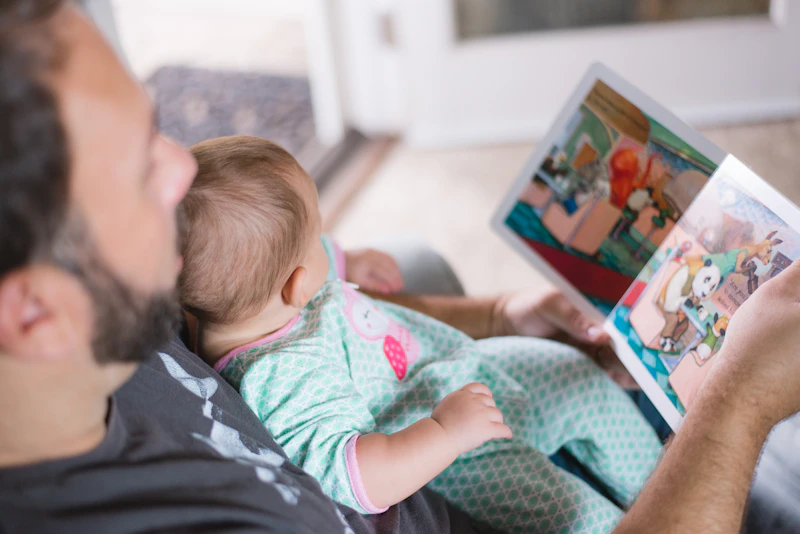
- Story or lullaby: Soft talking or singing provides comfort and connection.
- Low lighting: Dimming lights signals that it’s time for rest.
- Bedtime: Place your baby down drowsy but awake to encourage self-soothing skills.
Gentle Ways to Soothe Your Baby to Sleep
Every baby is unique, and what works for one may not work for another. Experiment with these gentle, expert-recommended techniques to help your baby settle more quickly:
- Swaddling: For newborns, a snug swaddle can mimic the womb and prevent startle reflexes from waking them.
- Rocking or rhythmic movement: Gentle rocking, swinging, or bouncing can be deeply soothing.
- Shushing or white noise: Mimics the sounds your baby heard in utero, which can be calming.
- Pacifier: Sucking can provide comfort and help some babies drift off more easily.
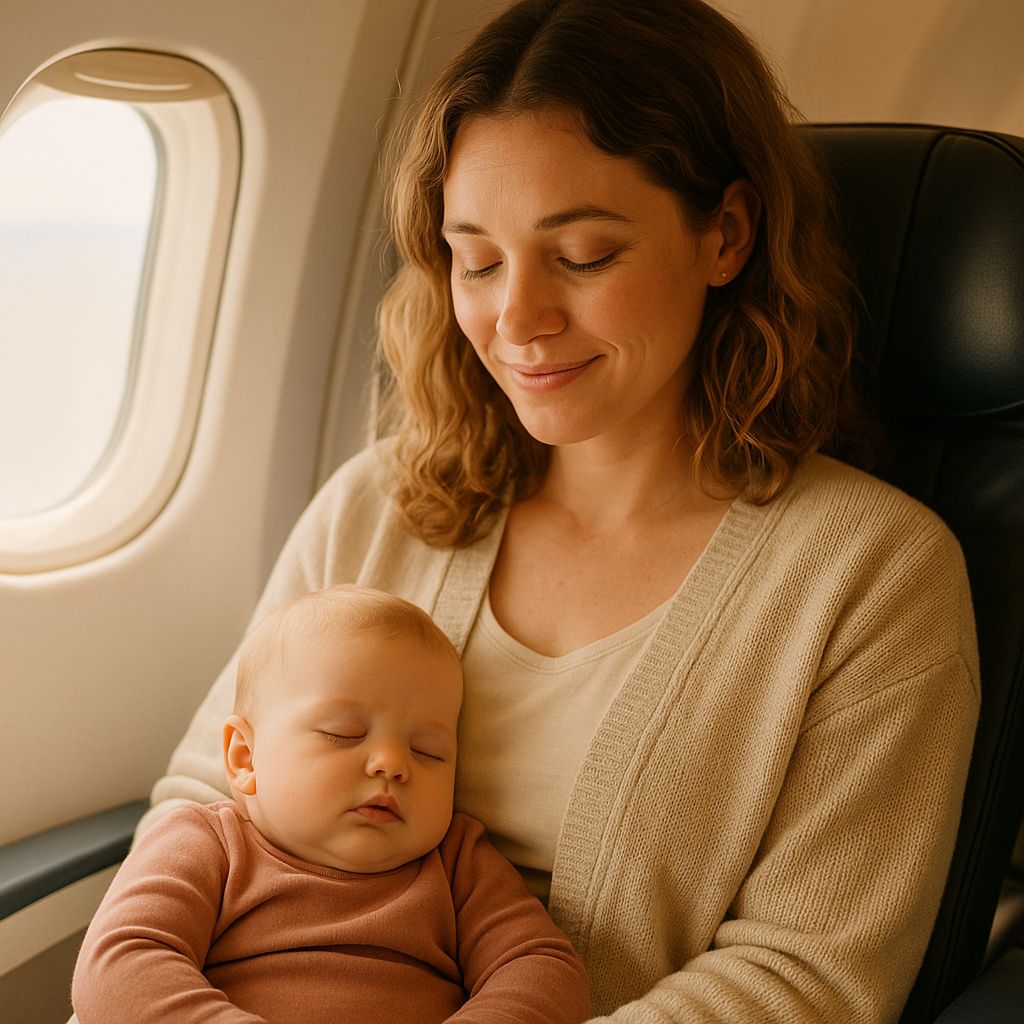
- Skin-to-skin contact: Holding your baby close, chest-to-chest, can ease anxiety and encourage sleepiness.
Common Baby Sleep Mistakes (and How to Avoid Them)
- Missing the window: Waiting until your baby is overtired makes falling asleep harder.
- Overstimulation before bed: Bright lights, lively play, or loud noises can make it difficult for your baby to wind down.
- Inconsistent routines: Babies thrive on predictability, so stick to a similar sequence each night.
- Relying only on feeding to sleep: While feeding can be soothing, try to avoid making it the only way your baby falls asleep.
- Changing sleep locations: Putting your baby to sleep in different places can be confusing and disruptive.
Addressing Sleep Challenges and Regressions
Even with the best routine, sleep challenges are normal. Growth spurts, teething, illness, and developmental milestones can all temporarily disrupt sleep. Stay patient, and return to your soothing routines once the disruption passes. If sleep issues persist for more than a few weeks, or your baby seems unusually irritable or difficult to console, consult your pediatrician to rule out underlying medical concerns.
When and How to Encourage Self-Soothing
Teaching your baby to fall asleep independently can be a gradual process. Start by putting your baby down drowsy but awake. If they fuss, offer gentle reassurance (patting, shushing, or briefly picking them up) until they settle. Over time, your baby will learn to associate their sleep space with comfort and safety, making it easier for them to fall asleep on their own.
Supporting Yourself as a Parent
Helping your baby fall asleep faster isn’t just about your child’s well-being; it’s also about supporting your own health. Sleep deprivation is hard, but remember: this phase is temporary. Accept help from your partner, family, or friends, nap when you can, and be gentle with yourself. Celebrate small victories and know that you’re giving your baby the foundation for healthy sleep habits that will last a lifetime.
Expert Tips for Better Baby Sleep
- Keep a sleep log to track your baby’s natural rhythms and identify patterns.
- Start your bedtime routine 20-30 minutes before your desired sleep time.
- Be flexible—some nights will be easier than others, and that’s okay.
- Trust your instincts—you know your baby best.
Frequently Asked Questions
- Why does my baby fight sleep even when tired?
- Babies may resist sleep due to overstimulation, overtiredness, or inconsistent routines. Recognizing early sleep cues and creating a calming bedtime environment can help your baby transition to sleep more easily.
- How long should it take for a baby to fall asleep?
- Most babies take 10-20 minutes to fall asleep, but this can vary depending on their age, temperament, and environment. If your baby regularly takes much longer, review your bedtime routine and sleep environment for possible improvements.
- At what age do babies start to sleep through the night?
- Most babies begin to sleep for longer stretches (6-8 hours) between 3 to 6 months, but every baby is unique. Factors like growth spurts, teething, and developmental milestones can temporarily disrupt sleep patterns.
- Does feeding right before bed help babies sleep longer?
- A full feed before bedtime can help your baby sleep longer, but avoid letting feeding become the only way your baby falls asleep. Encourage them to learn to self-soothe by putting them down drowsy but awake.
Conclusion: Building Lasting Sleep Habits
Helping your baby fall asleep faster is a journey, not a race. With patience, consistency, and a little trial and error, you can create a bedtime experience that brings rest to both your baby and your family. Remember: every baby is different, and what matters most is finding gentle, loving strategies that work for you. Sweet dreams!