
Early Signs of Healthy Development in Babies: What Every Parent Should Know
Watching your baby grow and change is one of the most rewarding experiences as a parent. These early months and years are filled with remarkable milestones that indicate healthy development. Understanding these signs not only provides reassurance but empowers parents to nurture their child’s growth confidently. In this comprehensive guide, we explore the early signs of healthy development in babies, expert tips for monitoring progress, and actionable steps to support your child’s journey through infancy.
Why Early Development Matters
The first few years of life are a critical period for brain growth, physical development, and social-emotional formation. Babies are constantly learning, adapting, and absorbing information from their environment. Early development is foundational for future learning, behavior, and health. Recognizing healthy signs early can help parents identify potential concerns, seek timely support, and foster optimal growth.
Key Indicators of Healthy Development in Babies
Healthy development encompasses physical, cognitive, social, and emotional milestones. While every child is unique, certain indicators are commonly observed during the first year:
1. Physical Growth and Movement
- Steady Weight Gain: Babies typically double their birth weight by six months and triple it by the end of the first year. Regular weight checks during pediatric visits offer valuable insight into nutritional health and growth.
- Motor Skills: Early signs include lifting their head during tummy time, rolling over, sitting with support, reaching for and grasping objects, and eventually crawling. These movements demonstrate muscle strength, coordination, and curiosity about their surroundings.
- Reflexes: Healthy babies display reflexes such as rooting, sucking, grasping, and the Moro (startle) reflex. These are essential for feeding and protection.
2. Cognitive and Sensory Development
- Tracking Objects: Babies begin to follow moving objects with their eyes and show interest in colorful or high-contrast visuals. This indicates healthy vision and attention.
- Exploring Through Touch: Reaching for toys, mouthing hands or objects, and responding to textures all reflect healthy sensory processing.
- Responding to Sounds: Turning their head towards voices or noises, cooing, babbling, and eventually recognizing their name are key cognitive milestones.
3. Social and Emotional Signs
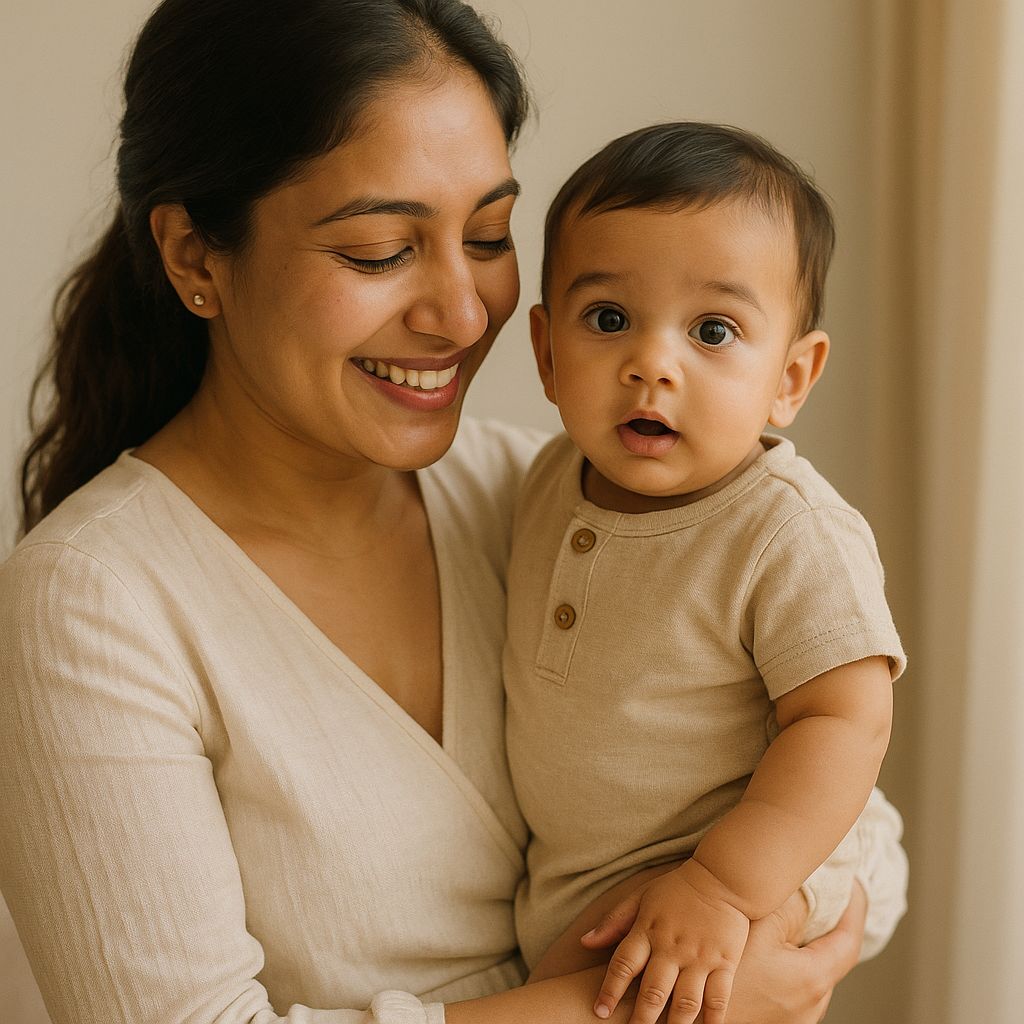
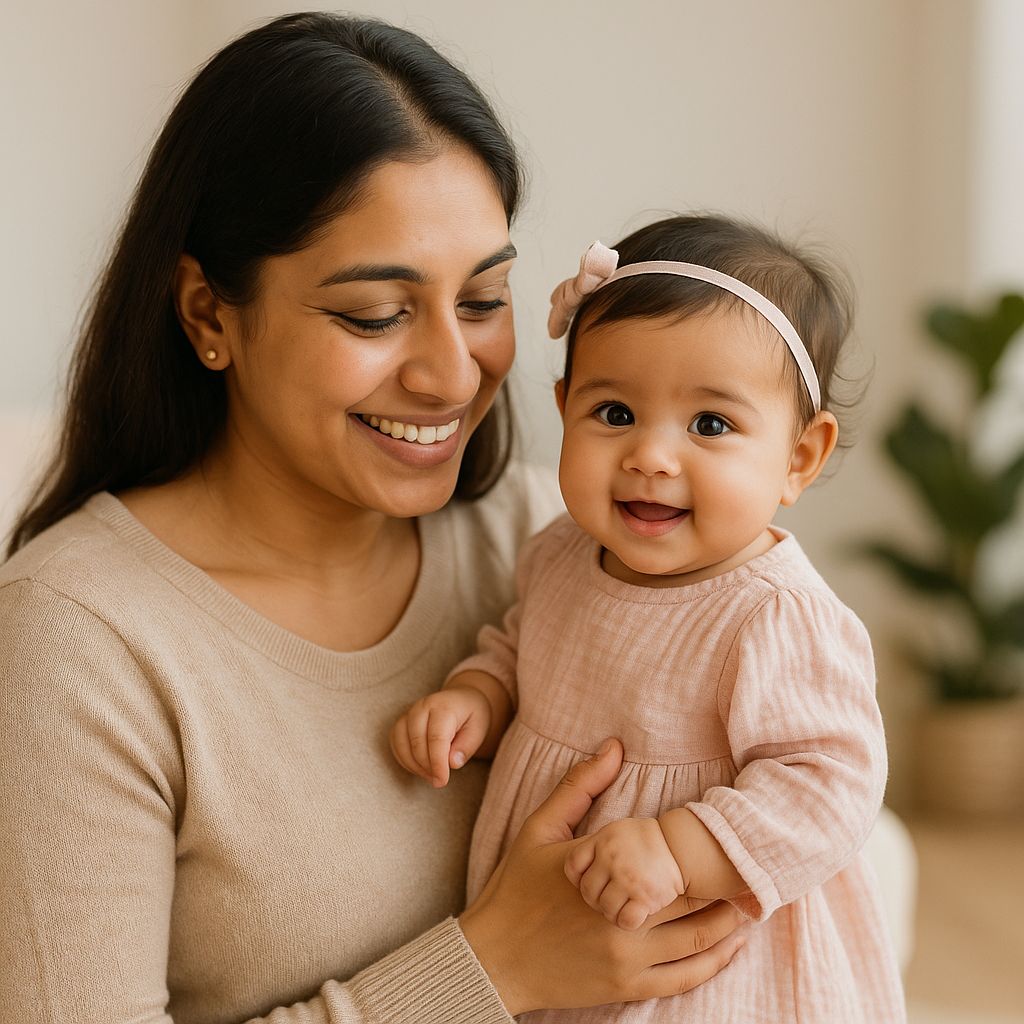
- Attachment and Bonding: Babies show preference for familiar faces, smile responsively, and seek comfort from caregivers. These behaviors are signs of emotional well-being and secure attachment.
- Facial Expressions: A healthy baby will express a range of emotions through facial cues, from joy to frustration. These expressions are important for communication and social interaction.
- Social Interaction: Early attempts to mimic sounds, gestures, or facial expressions indicate growing social awareness.
4. Communication Skills
- Cooing and Babbling: Around two to four months, babies begin cooing and making gurgling sounds. Babbling starts between four and six months, laying the foundation for language development.
- Listening and Responding: Healthy babies react to familiar voices, music, and respond to their name by the end of the first year.
Developmental Milestones Timeline
While every baby is unique, here’s a general timeline of milestones:
| Age | Milestone |
|---|---|
| Birth-2 Months | Rooting reflex, lifting head briefly, focusing on faces, responding to sound |
| 2-4 Months | Smiling responsively, cooing, tracking movement, holding head up |
| 4-6 Months | Rolling over, babbling, reaching for objects, laughing |
| 6-9 Months | Sitting without support, crawling, recognizing familiar people, responding to name |
| 9-12 Months | Standing with support, pointing, waving, saying simple words, showing affection |
Supporting Healthy Development
Parents play a vital role in fostering their baby’s development. Here are evidence-based strategies to encourage growth:
- Responsive Interaction: Engage your baby with eye contact, smiles, and conversation. Respond to their cues and emotions.
- Safe Exploration: Provide a secure environment for tummy time, crawling, and reaching. Use age-appropriate toys to stimulate curiosity.
- Regular Check-ups: Schedule pediatric visits to monitor growth and receive professional advice. Immunizations and screenings are important for health.
- Proper Nutrition: Breastfeeding or formula feeding supports brain and body development. Introduce solids as recommended by your pediatrician.
- Sleep Hygiene: Adequate sleep is essential for growth. Establish routines and ensure safe sleeping practices.
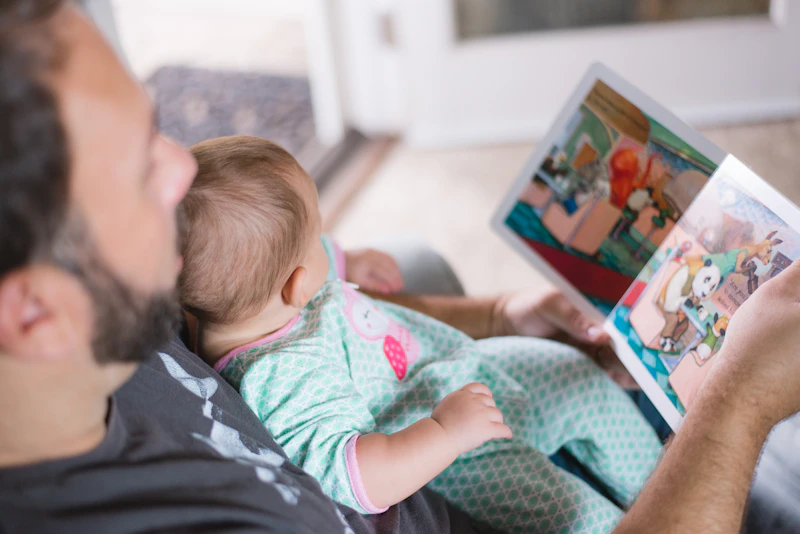
- Talk, Read, and Sing: Early exposure to language boosts cognitive and communication skills. Narrate your day, read stories, and sing songs.
Recognizing Variations and Addressing Concerns
It is normal for babies to develop at different rates. Some may reach milestones earlier or later than their peers. However, consistently missing major milestones, lack of interaction, or regression in skills may signal a need for professional evaluation. Parents should trust their instincts and consult their pediatrician if they have concerns.
Common Signs to Watch For
- Not smiling by three months
- No babbling by six months
- Difficulty holding head up by four months
- No response to sounds or visual cues
- Lack of interest in reaching or exploring
- Regression in skills previously mastered
The Role of Environment and Parental Support
Healthy development is influenced by genetics, environment, and caregiving. A nurturing atmosphere, free from excessive stress, with plenty of positive interaction, is key. Early childhood experiences shape the brain’s architecture and lay the foundation for lifelong learning and emotional resilience. Parental support, patience, and encouragement are the building blocks of healthy development.
Frequently Asked Questions
- What are the main early signs of healthy development in babies?
- Key early signs include steady weight gain, responsive smiles, cooing or babbling, reaching for objects, tracking movement with their eyes, and showing attachment to caregivers.
- How can parents support healthy development?
- Parents can support healthy development by providing a safe, nurturing environment, interacting with their baby regularly, ensuring proper nutrition, and attending regular medical check-ups.
- When should parents be concerned about their baby's development?
- If a baby consistently misses major milestones, shows little interest in interaction, or experiences sudden regression, parents should consult their pediatrician for guidance.
- Do all babies reach milestones at the same time?
- No, babies develop at their own pace. Some may reach milestones earlier or later than others, but significant delays should be discussed with a healthcare professional.
- How often should developmental progress be monitored?
- Developmental progress should be monitored regularly, particularly during well-child visits, and through daily observation at home.
Conclusion
Recognizing the early signs of healthy development in babies is an essential part of parenting. By understanding physical, cognitive, social, and emotional milestones, parents can foster a supportive environment that encourages growth. Every child’s journey is unique—embrace the milestones, trust your instincts, and seek guidance when needed. The investment in your baby’s early development lays the foundation for a lifetime of learning, health, and happiness.