
Winter Air Quality and Baby Health: What to Know
As the cold winds begin to blow and winter settles in, parents everywhere start to think about how to keep their little ones safe and healthy. While cozy blankets and warm pajamas are a must, there's another seasonal challenge that's often overlooked: winter air quality. For babies, whose bodies are still adjusting to the world, the air they breathe indoors during winter can have a big impact on their health.
Why Is Winter Air Quality Different?
Winter changes the way we live indoors. Windows stay shut to keep out the chill. Heaters and furnaces run non-stop, drying the air and sometimes circulating dust and other pollutants. Outdoor air might be fresher, but with the cold, we spend more time inside—meaning babies are exposed to whatever's floating around in our homes.
- Dry air: Heating systems reduce humidity, leading to dry skin, nasal passages, and even respiratory issues.
- Reduced ventilation: Closed windows trap air pollutants inside.
- Indoor pollutants: Dust, pet dander, mold spores, and even cooking fumes can build up.
- Outdoor pollution: In urban areas, winter smog and vehicle emissions can seep indoors.
How Does Air Quality Affect Babies?
Babies have developing respiratory systems, smaller airways, and sensitive skin. They're more susceptible to irritants, allergens, and the effects of dry air than adults. Poor air quality can lead to:
- Dry, itchy skin
- Stuffy or runny nose
- Coughing or wheezing
- Increased risk of respiratory infections
- Exacerbation of allergies or asthma
For babies with pre-existing conditions like asthma or eczema, winter air can make symptoms worse. Even healthy infants may experience discomfort or minor illnesses if air quality isn't managed.
Common Winter Air Quality Challenges
1. Dryness from Heating Systems
Central heating, space heaters, and radiators all decrease indoor humidity. Babies can develop dry skin, chapped lips, and nasal congestion. Low humidity also makes it easier for viruses to spread, increasing the risk of colds and flu.
2. Dust and Allergens
As homes stay closed up during winter, dust mites, pet dander, and other allergens accumulate. Babies crawling on floors or exploring with their hands are exposed to these particles.
3. Mold Growth
Winter condensation on windows and walls can lead to mold growth, especially in bathrooms or poorly ventilated rooms. Mold spores can trigger allergies and respiratory issues.
4. Indoor Air Pollutants
Cooking, cleaning products, and even scented candles can release volatile organic compounds (VOCs) and other pollutants. These may irritate a baby’s lungs and worsen indoor air quality.
5. Outdoor Pollution Seeping Indoors
Urban families may face higher risks as outdoor pollution from vehicles and factories can infiltrate homes through doors, windows, and ventilation systems.
How to Protect Your Baby: Expert Tips
1. Use a Humidifier
Adding moisture to the air helps keep your baby's skin and lungs comfortable. Choose a cool-mist humidifier and clean it regularly to prevent mold and bacteria growth. Aim for indoor humidity between 40-60%.
2. Ventilate Your Home
Even in winter, it's important to let in fresh air. Open windows for a few minutes each day when the outdoor air is clean. Use exhaust fans in the kitchen and bathroom to remove pollutants.
3. Reduce Indoor Pollutants
- Avoid smoking indoors.
- Limit use of strong cleaning products.
- Skip scented candles, air fresheners, and incense.
- Cook with exhaust fans on to reduce fumes.
4. Clean Regularly
Vacuum floors and carpets with a HEPA filter. Dust surfaces with a damp cloth to capture particles. Wash baby bedding and toys frequently.
5. Monitor for Mold
Check windows, walls, and bathrooms for signs of mold. Address leaks or condensation promptly. Use a dehumidifier in damp rooms if necessary.
6. Use Air Purifiers
Air purifiers with HEPA filters can trap dust, allergens, and pollutants. Place them in your baby's room and living areas for added protection.
7. Keep Pets Clean
If you have pets, bathe and groom them regularly to reduce dander. Keep pet beds and toys out of your baby's room.
Recognizing Symptoms in Babies
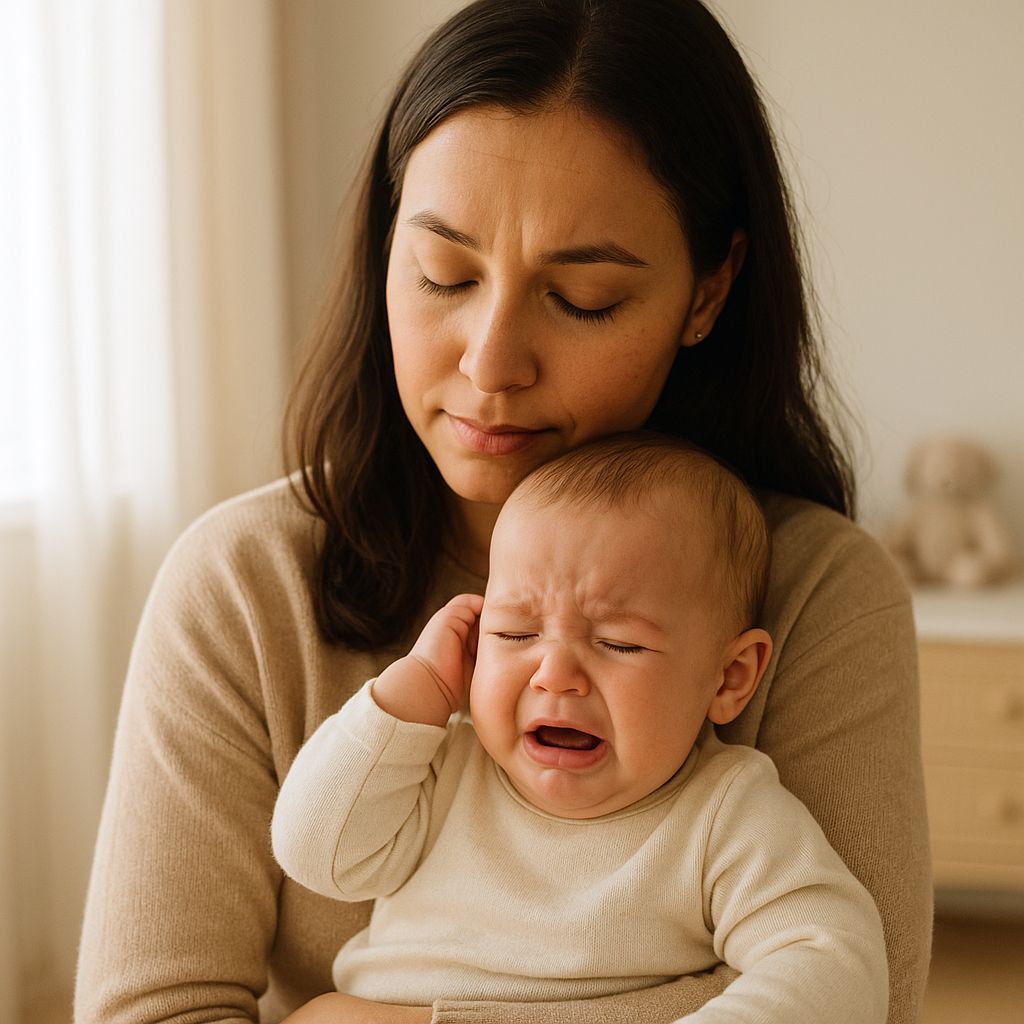
Babies may not be able to tell you when they're uncomfortable, but their bodies give clues. Watch for:
- Dry, flaky skin
- Red or irritated eyes
- Congested or runny nose
- Coughing or wheezing
- Unusual fussiness
If symptoms persist or worsen, consult your pediatrician. Severe symptoms—like labored breathing, high fever, or persistent coughing—require immediate medical attention.
Special Considerations for Babies with Respiratory Issues
Infants with asthma, bronchitis, or allergies need extra care. Ask your doctor about preventive medications and monitoring tools. Keep emergency contact information handy and update your care plan as needed.
Winter Allergy Triggers
Allergens don't disappear in winter. Dust mites thrive in heated homes. Mold spores may increase with condensation. If your baby has known allergies, maintain allergy-proofing strategies:
- Wash bedding in hot water
- Use allergy-friendly mattress and pillow covers
- Keep stuffed animals to a minimum
- Vacuum and dust regularly
Balancing Fresh Air With Warmth
It's tempting to keep your home sealed tight during cold snaps. But remember: Stale air is unhealthy air. Try these tips to balance warmth and ventilation:
- Open windows for 5-10 minutes during midday when temperatures are milder.
- Use fans to circulate air without creating drafts.
- Place humidifiers away from baby’s crib to avoid over-humidification.
Safe Humidifier Use: What Parents Need to Know
Humidifiers can be a game-changer for dry winter air, but they do need careful operation:
- Always use distilled or filtered water to prevent mineral buildup.
- Clean the device daily and deep clean weekly.
- Monitor humidity levels—too much moisture can promote mold.
- Keep cords and devices out of baby's reach.
Quick Checklist for Winter Air Quality
- Humidify and ventilate your home
- Clean regularly—especially baby’s sleeping and play areas
- Reduce indoor pollutants
- Monitor your baby for symptoms
- Consult your pediatrician with any concerns
When to Seek Medical Advice
If your baby develops severe respiratory symptoms, persistent cough, wheezing, or shows signs of distress, call your doctor immediately. Babies are more vulnerable to complications from poor air quality, so never hesitate to seek help.
Conclusion: Creating a Safe Winter Haven
Winter air quality might not be the first thing on your mind as you bundle up your baby, but safeguarding your indoor environment is just as important as keeping them warm. With simple steps—like humidifying, ventilating, cleaning, and monitoring—you can ensure your baby breathes easy all season long. Every family’s home is unique, so find what works best for you, and always reach out to your pediatrician with questions.
Here’s to a cozy, healthy winter filled with giggles and good air!