
Why Travel Disrupts Baby Sleep Patterns: What Every Parent Needs to Know
Traveling with a baby can be an enriching and memorable experience for families, but it often comes with one major challenge: disrupted sleep patterns. Many parents find themselves exhausted and stressed when their baby, once a champion sleeper at home, suddenly struggles to fall asleep, wakes frequently at night, or wakes up far earlier than usual while on the road. Understanding why travel disrupts baby sleep patterns can help parents anticipate challenges and implement effective strategies for smoother, more restful journeys.
The Science Behind Baby Sleep and Travel
Babies are creatures of habit. Unlike adults, whose sleep cycles are more resilient to change, infants and toddlers rely heavily on predictable routines and environments to feel secure enough to sleep. When these routines are interrupted—by travel, new surroundings, or time zone changes—their delicate sleep architecture is easily thrown off balance.
Understanding Circadian Rhythms in Babies
The term circadian rhythm refers to the body’s internal clock, which regulates cycles of sleep and wakefulness. In babies, this rhythm matures during the first few months of life but remains sensitive to external cues such as light, noise, temperature, and social interactions. When you travel, especially across time zones, your baby’s circadian rhythm may not immediately adapt to the new schedule, leading to disruptions such as:
- Difficulty falling asleep at the right time
- Night wakings
- Early morning wake-ups
- Shorter naps
How Environment Changes Affect Baby Sleep
Babies associate sleep with certain environmental cues: the feel of their crib, the sound of a white noise machine, the smell of home, and the presence of familiar bedtime routines. A hotel room, a relative’s house, or an airplane offers new sights, sounds, and smells, which can make it hard for your baby to relax and settle down for sleep. Even minor changes—like a different crib mattress or new pajamas—can be surprisingly disruptive to sensitive sleepers.
Common Ways Travel Disrupts Baby Sleep Patterns
1. Change in Routine
Travel often means shifting schedules—late bedtimes, skipped naps, or irregular feeding times. Since babies depend on consistency, these changes can cause confusion and resistance at sleep times.
2. New Sleep Environment
Unfamiliar places may be noisier, brighter, or have different temperatures than home. A new crib or sleeping in a portable play yard can feel strange and less safe to a baby, leading to increased nighttime awakenings and shorter sleep periods.
3. Jet Lag and Time Zone Changes
Flying across time zones can be particularly hard on babies, whose internal clocks don’t adjust quickly. Jet lag in babies may manifest as nighttime awakenings, early risings, or difficulty falling asleep at the local bedtime.
4. Overstimulation
Travel often involves new experiences, people, and activities. These can be exciting but also overwhelming to young children, making it harder for them to wind down and fall asleep.
5. Parental Stress
Babies are highly attuned to their caregivers’ emotions. If parents are stressed or anxious about travel, babies can pick up on these cues, which may further disrupt sleep.
How Travel Triggers Sleep Regressions
Sleep regressions are periods when a baby who previously slept well begins waking frequently or struggling to nap. Travel can act as a trigger for sleep regressions, especially during key developmental windows (such as at 4, 8, or 12 months). The combination of new environments, disrupted schedules, and increased stimulation can temporarily set back sleep progress.
Expert Strategies to Minimize Sleep Disruption When Traveling
1. Stick to Bedtime Routines
Consistency is comforting for babies. Try to replicate your usual bedtime routine as closely as possible, even if you’re in a different time zone or environment. This might include a bath, reading a book, singing a lullaby, and using familiar sleep cues (like a particular sleep sack or sound machine).
2. Bring Sleep Associations from Home
Pack your baby’s favorite blanket, pajamas, lovey, and white noise machine. These familiar items can help signal it’s time to sleep and make an unfamiliar environment feel safer and more predictable.
3. Control Light and Noise
Light is the primary cue for circadian rhythms. Use blackout shades or travel curtains to darken the sleep space for naps and bedtime. Portable white noise machines can mask unfamiliar sounds and make it easier for your baby to settle.
4. Gradually Adjust to New Time Zones
If traveling across time zones, shift your baby’s schedule by 15-30 minutes each day leading up to your trip. Once you arrive, expose your baby to natural sunlight during the day and keep the sleep environment dark at night to help reset their internal clock.
5. Prioritize Sleep-Friendly Travel Plans
Try to schedule flights or drives during your baby’s usual nap times. Avoid over-scheduling activities, and allow for downtime so your baby can rest. If possible, choose accommodations that offer a separate sleep space for your child.
6. Stay Calm and Flexible
Remember that some disruption is normal and temporary. Staying calm helps your baby feel secure. Be flexible with your expectations, and know that most babies bounce back to their regular sleep patterns within a week of returning home.
What to Do If Baby’s Sleep Is Disrupted During Travel
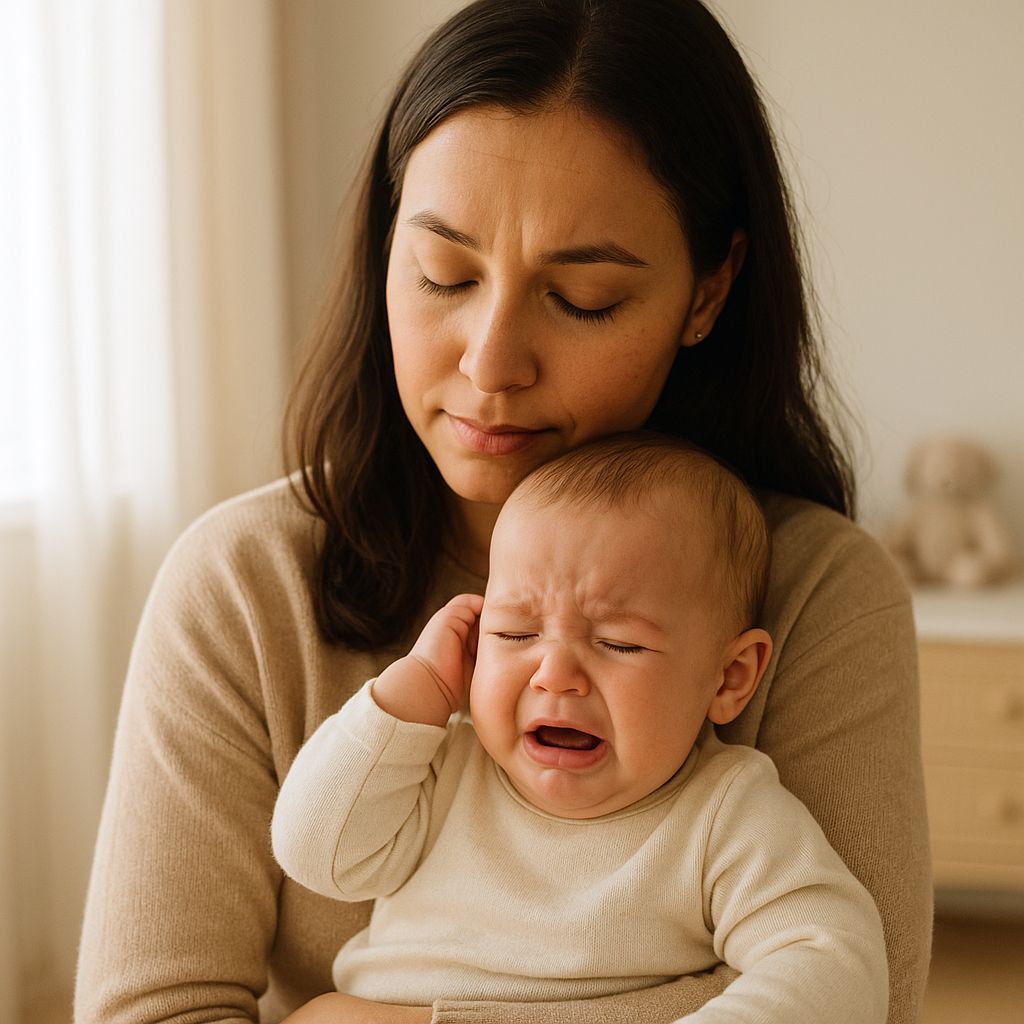
- Offer extra comfort and reassurance if your baby wakes at night. Sometimes, just being nearby is enough to help them resettle.
- Try not to introduce new sleep habits (like rocking to sleep if your baby usually self-settles) unless absolutely necessary. If you do, return to your usual routines as soon as you’re home.
- Be patient. It can take a few days for your baby to adjust to new surroundings or a new schedule.
Understanding Your Baby’s Unique Sleep Needs
Every baby reacts differently to travel. Some are more adaptable, while others are more sensitive to change. If your child has always been a challenging sleeper or is going through a developmental leap, you may need to plan more carefully and provide extra comfort during your trip.
Realistic Expectations: Travel and Baby Sleep
Despite your best efforts, some disruption is inevitable. The goal isn’t to prevent all sleep challenges but to minimize them and make travel as smooth as possible for your whole family. Focus on the big picture—memories made, experiences shared—and trust that with time, your baby’s sleep will return to normal.
When to Be Concerned About Baby Sleep After Travel
Most sleep disruptions resolve within a week of returning home. If your baby continues to have significant sleep difficulties (such as frequent night awakenings, trouble settling, or reduced overall sleep) for more than two weeks, consult your pediatrician to rule out other underlying issues.
Frequently Asked Questions
- Why does travel disrupt my baby's sleep?
- Travel introduces changes in routine, unfamiliar environments, and sometimes shifts in time zones—all of which can confuse your baby's internal clock and disrupt sleep patterns.
- How long does it take for a baby to adjust to a new time zone?
- It can take anywhere from a few days to a week for most babies to adjust, depending on the time difference and your approach to managing the transition.
- What are some tips to help my baby sleep while traveling?
- Maintain familiar bedtime routines, bring comfort items from home, control light exposure, and try to recreate your baby's usual sleep environment as much as possible.
- Can travel cause lasting sleep problems for babies?
- Most disruptions are temporary. With a consistent routine and patience, most babies return to their normal sleep patterns after travel.
Conclusion
Travel is a valuable experience for families, but it almost always disrupts baby sleep patterns to some degree. Armed with knowledge about why this happens and practical strategies to minimize disruptions, parents can approach travel with realistic expectations and greater confidence. Remember: flexibility, patience, and a sense of humor will be your greatest assets on the journey. Safe travels and sweet dreams!