
Why Some Newborns Cry More Than Others: Understanding Infant Crying Patterns
Newborn crying is a universal behavior, yet parents often ask why some infants cry more than others. Is it a sign of discomfort, temperament, or health issues? This comprehensive, research-based article explores the clinical factors underlying newborn crying, helping parents interpret, manage, and respond to their baby's needs.
Normal Crying Patterns in Newborns
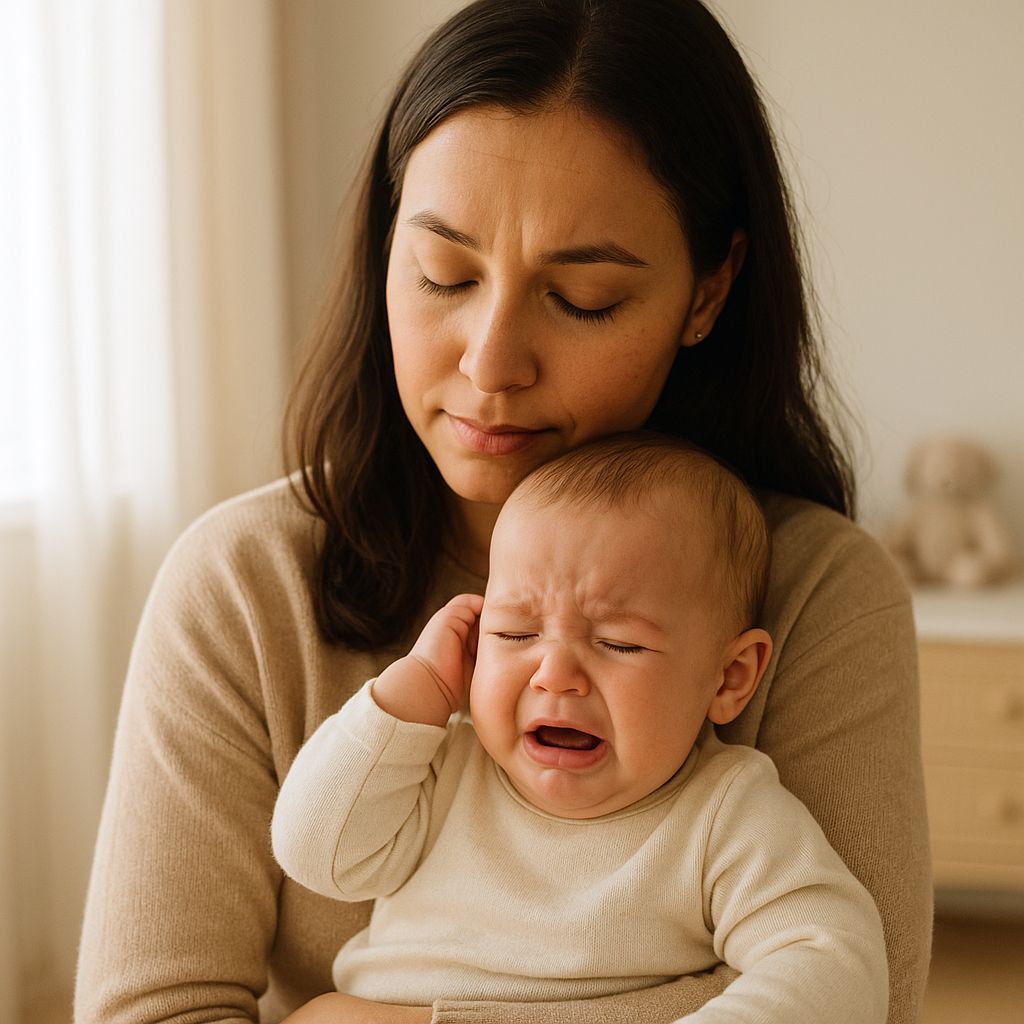
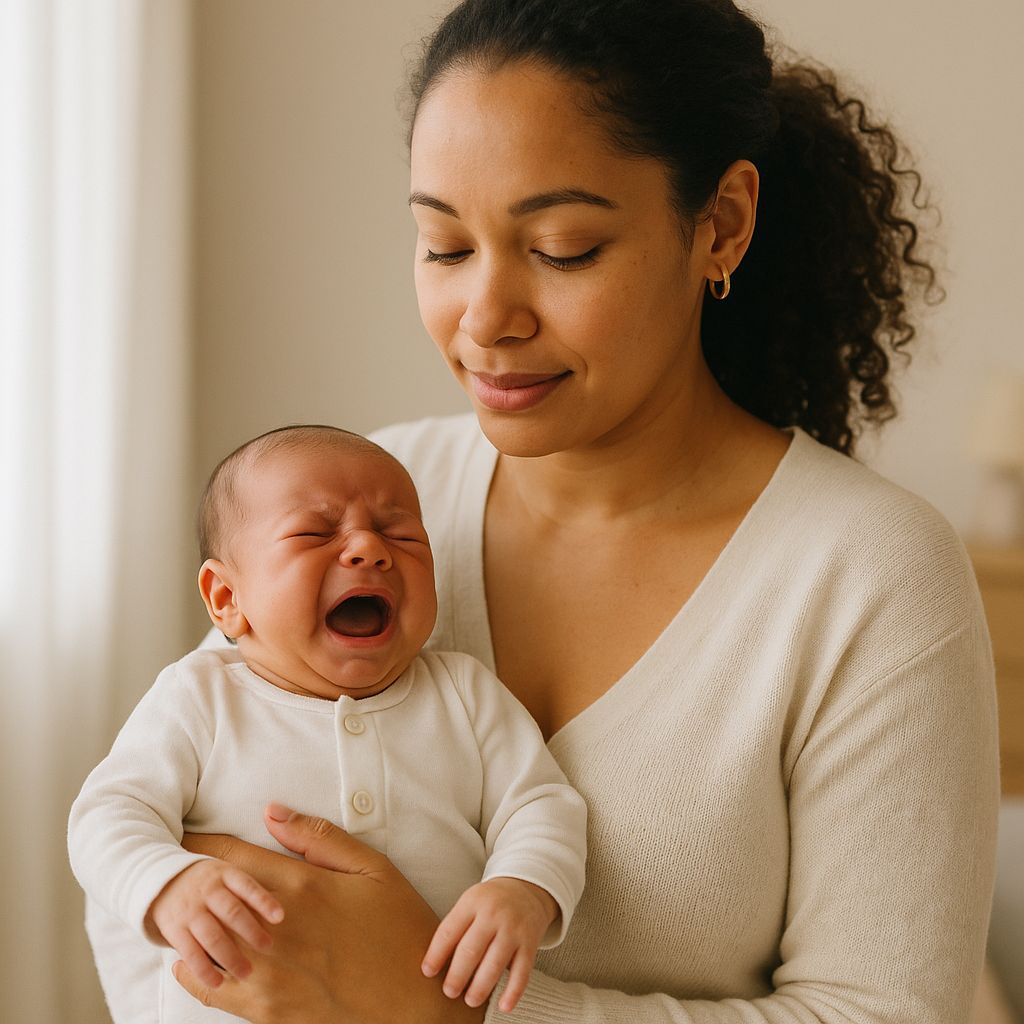
Crying is the primary means of communication for newborns (neonates). It signals physiological needs, including hunger, discomfort, fatigue, or overstimulation. According to clinical research, crying frequency peaks during the first three months, with an average of 2–3 hours per day (St. James-Roberts, 2012). However, there is significant variability between infants:
- Some newborns cry less than 30 minutes daily, while others may cry for up to 5 hours.
- Crying typically increases in the late afternoon and evening, a phenomenon known as the "evening fuss."
This variation is considered normal and often reflects differences in temperament and neurological development.
Individual Temperament and Neurological Factors
Temperament—the innate behavioral style of an infant—plays a crucial role in crying frequency. Research suggests that some newborns are more sensitive to environmental stimuli, have lower thresholds for discomfort, and express emotions more intensely (Hediger et al., 2014). Key factors include:
- Sensory Sensitivity: Babies with heightened sensitivity may cry in response to changes in light, noise, or touch.
- Neurological Maturity: Preterm infants or those with delayed neurological development may have difficulty self-soothing, leading to increased crying.
- Regulation of Sleep and Feeding: Irregular sleep-wake cycles or feeding patterns can contribute to irritability and crying.
These traits are largely inherited and are not a sign of poor parenting or underlying pathology.
Colic: Clinical Definition and Prevalence
Colic is a common term for excessive, unexplained crying in otherwise healthy newborns. Clinically, colic is defined as crying for more than 3 hours per day, at least 3 days per week, for 3 weeks or longer (Wessel's Criteria). Research estimates that colic affects up to 20% of infants, peaking at 6 weeks and resolving by 3–4 months (Cochrane Review, 2020).
Etiology of Colic:
- Gastrointestinal Discomfort: Immature digestive systems may lead to gas, cramps, or reflux.
- Neurological Immaturity: Difficulty regulating sensations and emotions.
- Environmental Factors: Overstimulation, parental stress, or changes in routine can exacerbate symptoms.
Though colic is distressing, it is not associated with long-term health problems.
Health and Medical Factors Influencing Crying
While most crying is benign, persistent or inconsolable crying may signal underlying medical issues:
- Feeding Difficulties: Hunger, overfeeding, or feeding intolerance can cause discomfort.
- Allergies and Intolerances: Milk protein allergy, lactose intolerance, or other sensitivities may lead to gastrointestinal symptoms and crying.
- Infections: Fever, ear infections, or urinary tract infections can present as increased crying.
- Neurological Disorders: Rarely, central nervous system abnormalities or birth injuries can affect crying behavior.
Clinical evaluation is recommended if crying is accompanied by symptoms such as lethargy, poor feeding, vomiting, or fever.
Environmental and Parental Influences
Parental response, caregiving practices, and environmental factors can modify newborn crying:
- Feeding Routines: Scheduled feeding versus demand feeding can impact hunger-related crying.
- Sleep Environment: Excessive stimulation, irregular sleep routines, or inadequate sleep can increase irritability.
- Parental Interaction: Responsive caregiving (prompt attention, soothing) reduces crying, while inconsistent responses may prolong it.
- Maternal Mental Health: Postpartum depression or anxiety can affect infant behavior and crying patterns (Field, 2018).
Studies show that skin-to-skin contact, gentle rocking, and swaddling are effective soothing techniques.
Developmental Changes in Crying
Newborn crying follows a predictable developmental trajectory:
- Crying peaks at 6–8 weeks, then gradually decreases.
- By 3–4 months, infants develop improved self-soothing abilities and communication skills.
- Crying becomes more purposeful, signaling specific needs rather than generalized distress.
This maturation is driven by neurological growth and increased parental attunement.
Clinical Assessment and When to Seek Help
Healthcare providers assess crying using history, physical examination, and observation. Warning signs that warrant medical evaluation include:
- Persistent, inconsolable crying
- Associated symptoms (vomiting, diarrhea, fever, poor feeding, rash)
- Signs of pain (arching, stiffening, facial grimacing)
Most cases resolve with supportive care, but underlying medical conditions must be excluded.
Practical Management Strategies for Parents
Evidence-based approaches to managing frequent newborn crying include:
- Soothing Techniques: Swaddling, skin-to-skin contact, gentle rocking, white noise, and pacifiers.
- Feeding Assessment: Ensure proper latch, feeding frequency, and burping to reduce gastrointestinal discomfort.
- Sleep Hygiene: Maintain regular sleep routines and minimize overstimulation.
- Parental Support: Seek help from healthcare providers, support groups, and trusted caregivers.
- Self-Care: Parental mental health is vital; rest, nutrition, and emotional support are important.
Parents should avoid unsafe practices such as shaking, excessive bouncing, or overfeeding.
Impact of Crying on Parental Well-being
Frequent newborn crying can increase parental stress, anxiety, and feelings of inadequacy. Research highlights the importance of education and reassurance:
- Understanding normal crying patterns reduces anxiety.
- Support from healthcare providers improves parental confidence.
- Early intervention prevents negative mental health outcomes.
Resources such as The Period of Purple Crying provide evidence-based guidance for families.
Summary: Why Some Newborns Cry More Than Others
Variability in newborn crying is multifactorial, reflecting differences in temperament, health, environment, and parental interactions. Most excessive crying is benign and resolves with maturation, but clinical evaluation is important for persistent or unusual symptoms. Parental understanding, supportive care, and expert guidance promote optimal infant well-being.
References
- St. James-Roberts, I. (2012). Infant crying and colic: How they affect families and how health professionals can help. Infant Mental Health Journal.
- Hediger, M. L., et al. (2014). Temperamental differences and infant crying. Pediatrics.
- Field, T. (2018). Maternal depression effects on infant crying. Infant Behavior & Development.
- Cochrane Review (2020). Interventions for excessive infant crying.
- The Period of Purple Crying. Educational resource for parents.
Frequently Asked Questions (FAQ)
- What causes some newborns to cry more than others?
- Newborn crying is influenced by factors such as temperament, neurological maturity, gastrointestinal discomfort (like colic), environmental stimuli, and parental interactions. Some infants are naturally more sensitive and expressive, leading to more frequent crying.
- When should parents be concerned about excessive crying?
- If a newborn's crying is persistent, inconsolable, or accompanied by signs of illness (fever, vomiting, poor feeding, lethargy), parents should seek medical evaluation to rule out underlying health issues.
- How can parents manage frequent newborn crying?
- Soothing techniques include skin-to-skin contact, swaddling, gentle rocking, feeding, and maintaining a calm environment. Establishing routines and responding promptly can help, but excessive crying may require support from healthcare professionals.
- Is crying always a sign of distress or discomfort in newborns?
- While crying often signals needs or discomfort, it is also a normal part of newborn communication and neurological development. Not all crying indicates distress, but persistent or unusual crying patterns warrant attention.
- Does newborn crying affect parental mental health?
- Frequent crying can increase parental stress and anxiety. Support, education, and reassurance from healthcare providers can help parents cope and reduce the risk of negative mental health outcomes.