
Why Play Is the Best Way Babies Learn
Watching your baby giggle as they reach for a colorful block or babble with delight during a game of peekaboo isn’t just heartwarming—it’s a powerful moment of learning in action. For infants, play is far more than a way to pass the time; it is the primary means through which they explore the world, build essential skills, and lay the foundations for lifelong growth. In this article, we’ll explore why play is the best way babies learn, supported by expert insights and practical strategies for parents.
The Science Behind Play and Baby Learning
From the earliest days of life, a baby’s brain is primed for growth. In fact, the first three years are a period of rapid neural development, with more than one million new neural connections forming every second (Zero to Three). Play is the vehicle that drives much of this growth. Through playful activities, babies engage their senses, experiment with cause and effect, and begin to understand the world around them.
Research from the American Academy of Pediatrics emphasizes that play supports cognitive, social, emotional, and physical development. When babies play, they are actively making sense of their experiences, testing boundaries, and building the skills they will use throughout life (Source).
How Babies Learn Through Different Types of Play
Not all play is created equal. Babies benefit from a variety of play experiences, each offering unique developmental advantages:
Sensory Play
- What it is: Sensory play involves activities that stimulate a baby's senses—touch, sight, hearing, taste, and smell.
- Examples: Squeezing soft toys, feeling different fabrics, listening to gentle music, or exploring safe household objects.
- Benefits: Sensory play helps babies develop fine motor skills, spatial awareness, and language as they describe and differentiate sensations.
Social Play
- What it is: Social play includes interactions with caregivers and other children, such as smiling, babbling, and making faces.
- Examples: Peekaboo, mimicry games, singing songs together.
- Benefits: Social play fosters emotional intelligence, attachment, and the early roots of communication.
Physical Play
- What it is: Physical play supports gross motor development through movement and active exploration.
- Examples: Tummy time, reaching for toys, gentle bouncing, crawling, or rolling.
- Benefits: Physical play strengthens muscles, coordination, and body awareness.
Why Play Is the Best Teacher for Babies
Here are some reasons why play trumps other methods of learning in infancy:
1. Play Activates Multiple Areas of the Brain
Unlike passive activities, play encourages babies to use all their senses and skills simultaneously. When a baby shakes a rattle, for example, they are seeing, hearing, grasping, and learning about cause and effect—all at once. This multisensory engagement strengthens neural pathways and supports holistic development.
2. Play Fosters Attachment and Emotional Security
Playful interactions with caregivers build trust and attachment. Simple games like singing, cuddling, and sharing smiles help babies feel secure and loved. Emotional security is the cornerstone of healthy development, giving babies the confidence to explore and learn.
3. Play Encourages Curiosity and Problem-Solving
Babies are natural scientists. Through play, they test hypotheses (“What happens if I drop this ball?”), notice patterns, and develop persistence. These early experiments with objects and people foster curiosity and lay the groundwork for advanced problem-solving skills later in life.
4. Play Supports Language Development
Babbling, singing, and interactive games expose babies to the rhythms and sounds of language. Even before they can speak, babies are absorbing vocabulary and learning the basics of communication through playful exchanges.
5. Play Builds Social Skills
Play is a baby’s first lesson in social interaction. By responding to facial expressions, taking turns, and imitating sounds, infants learn about empathy, cooperation, and self-regulation—skills that are essential for school and life success.
How Parents Can Nurture Baby Learning Through Play
As a parent or caregiver, you are your baby’s first and best playmate. Here are practical ways to make the most of playtime:
Follow Your Baby’s Lead
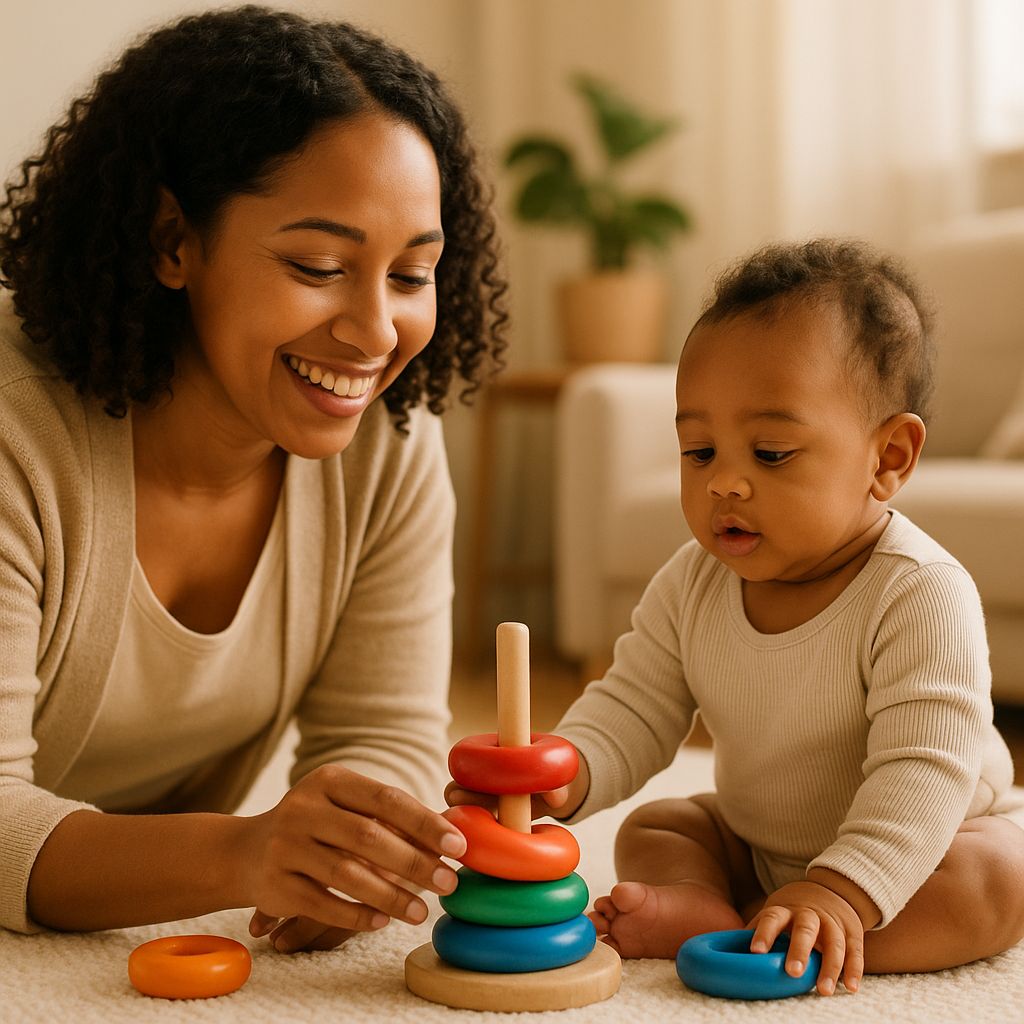
Babies learn best when play is child-led. Observe what catches your baby’s attention and build on their interests. If your baby is fascinated by banging blocks, join in—stack, knock down, and explore together.
Create a Safe, Stimulating Environment
Offer a variety of age-appropriate toys and household objects (always ensure safety). Simple items like measuring cups, scarves, or cardboard boxes can spark hours of imaginative play. Rotate toys regularly to keep your baby’s environment fresh and engaging.
Engage in Face-to-Face Play
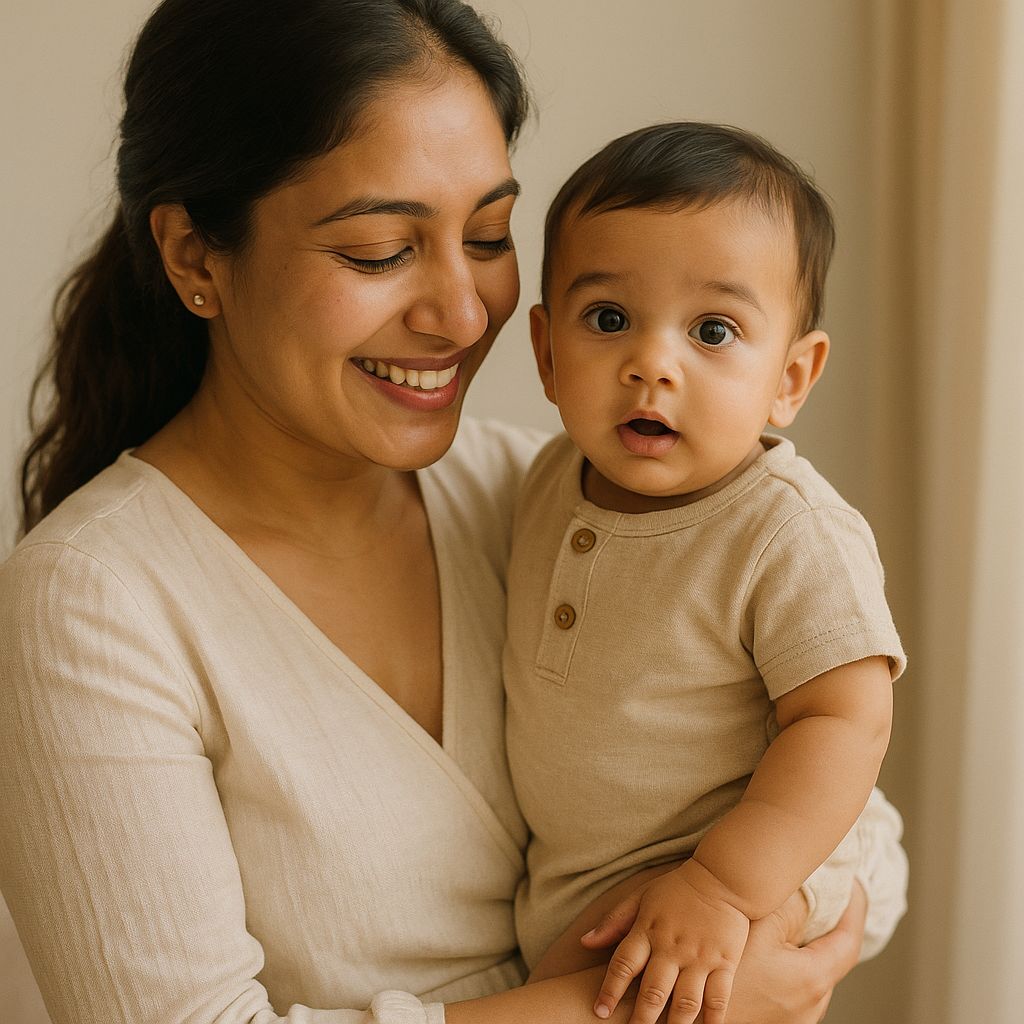
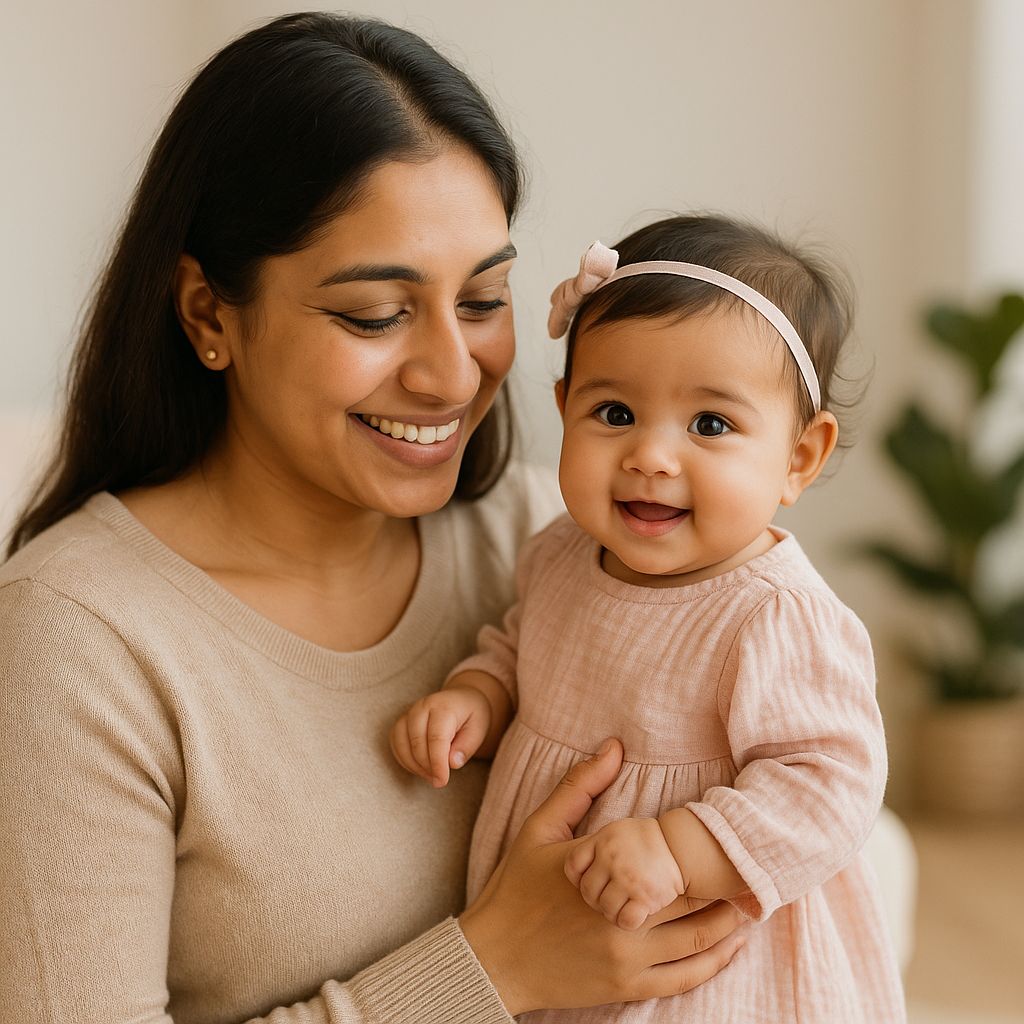
Hold your baby close, make eye contact, and mimic their sounds and expressions. Games like peekaboo or pat-a-cake are not only fun but also support social, emotional, and language development.
Talk, Sing, and Read Together
Even before they can speak, babies benefit from hearing language. Narrate your actions, sing songs, and read simple books every day. Repetition helps babies recognize words and rhythms, building early literacy skills.
Encourage Movement
Physical activity is crucial for motor development. Give your baby tummy time, help them reach and grasp, and celebrate every new movement. As your baby grows, encourage crawling, cruising, and other active exploration.
Limit Screen Time
The American Academy of Pediatrics recommends avoiding screen time for children under 18 months (except for video chatting). Real-world, hands-on play is far more effective for brain development than passive digital experiences.
Frequently Asked Questions
- How does play help a baby's brain development?
- Play stimulates neural connections in a baby’s brain, helping them develop cognitive functions like attention, memory, and problem-solving. Through playful exploration, babies learn cause and effect, recognize patterns, and build the foundation for later learning.
- What types of play are best for infants?
- For infants, the best types of play include sensory play (exploring textures and sounds), social play (babbling, making faces), and physical play (tummy time, reaching and grasping). These activities support all areas of a baby’s development.
- How can parents encourage learning through play?
- Parents can encourage learning by providing safe, stimulating environments, responding to their baby’s cues, and engaging in interactive games like peekaboo, singing, and gentle movement activities. The key is to follow the baby’s lead and make playtime enjoyable.
- Is structured playtime necessary for babies?
- While structured activities can be beneficial, babies learn best through unstructured, spontaneous play. Allowing your baby to explore and interact freely within a safe space supports creativity and self-motivation.
- Can too much screen time hinder learning through play?
- Yes, passive screen time can limit opportunities for hands-on, interactive play that is crucial for development. Experts recommend minimizing screen exposure for infants and focusing on real-world, multisensory experiences.
Everyday Play Ideas for Babies
Looking for inspiration? Here are some simple, developmentally-rich play activities you can try at home:
- Tummy Time: Place your baby on their tummy for a few minutes each day to build neck and upper body strength. Use mirrors, toys, or your own face to encourage lifting and reaching.
- Sensory Bottles: Fill clear plastic bottles with rice, water, or beads and let your baby shake and watch the movement.
- Peekaboo: Hide behind your hands, a blanket, or a toy and pop out to delight your baby. This classic game teaches object permanence and social interaction.
- Music and Movement: Dance gently with your baby, clap hands, or play soft instruments to stimulate hearing and rhythm.
- Story Time: Read brightly illustrated board books and let your baby touch and explore the pages.
- Mirror Play: Babies love looking at their reflection. Use a baby-safe mirror to encourage facial recognition and mimicking.
When to Seek Guidance
Every baby develops at their own pace, but if you notice your baby rarely engages in play, seems uninterested in interaction, or isn’t reaching typical developmental milestones, consult your pediatrician or a child development specialist. Early support can make a significant difference.
Conclusion
Play is not just the best way for babies to learn—it’s the most natural, joyful, and effective one. Through play, your baby develops the cognitive, social, and emotional skills that will help them thrive. By making play a central part of daily life, you’re giving your child the best possible start on their lifelong learning journey.
References: