Why Babies Cry More at Night When Unwell: An Expert Guide for Concerned Parents
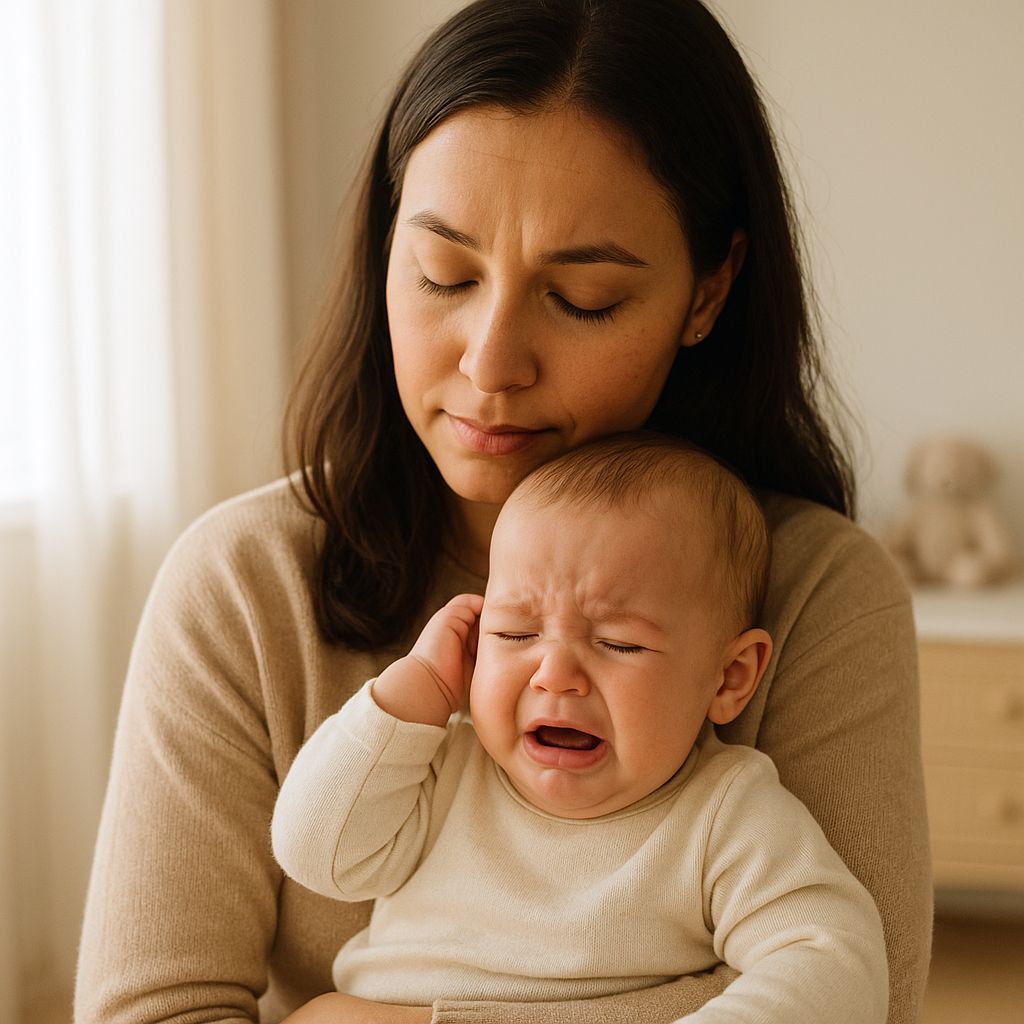
Few sounds tug at a parent’s heart more than hearing their baby cry in the middle of the night—especially when you know they’re not feeling their best. If you’re wondering why babies cry more at night when unwell, you’re not alone. Many parents experience increased nighttime fussiness when their little one is sick and often feel anxious or helpless in the face of their child’s discomfort. This comprehensive guide will demystify the reasons behind this behavior, offer practical support strategies, and help you determine when it’s time to call the doctor.
Understanding Why Babies Cry More at Night When Unwell
Babies cry to communicate their needs, and crying is their primary tool for expressing discomfort, hunger, fatigue, or illness. But why do babies cry more at night, especially when unwell? There are several physiological and psychological factors at play:
1. Less Distraction, More Focus on Discomfort
During the day, the hustle and bustle of daily life—voices, movement, light, and activity—provide distractions that can help mask a baby’s discomfort. At night, the environment is quieter and darker, giving babies fewer distractions and making them more aware of any pain or unease. This heightened awareness can translate into more frequent or intense crying spells.
2. Body’s Circadian Rhythm and Pain Sensitivity
Babies, like adults, have a circadian rhythm that influences hormones, body temperature, and sensitivity to pain. Some studies suggest that pain and discomfort can feel more intense at night due to changes in hormone levels, lower body temperature, and decreased levels of the body’s natural painkillers. This can make symptoms like sore throats, earaches, or body aches worse after sundown.
3. Nighttime Exacerbation of Symptoms
Some illnesses, such as colds or ear infections, tend to worsen at night. For example:
- Congestion can increase when lying down, making it harder for babies to breathe and get comfortable.
- Fever often spikes in the evening or overnight hours.
- Ear pain from infections can intensify when lying flat.
These factors can make nighttime particularly challenging for sick babies—and for their caregivers.
4. Separation Anxiety and Night Wakings
Illness can trigger or worsen separation anxiety, particularly if your baby is already prone to it. When babies wake up feeling unwell and alone, their distress may be amplified, leading to more intense crying episodes at night.
Common Illnesses That Lead to Increased Nighttime Crying
Several common childhood ailments are notorious for causing more crying at night. Understanding these can help you identify the source of your baby’s discomfort and respond more effectively:
- Colds and Respiratory Infections: Nasal congestion, coughing, and sore throats often worsen when a baby is lying down, leading to more awakenings and crying.
- Ear Infections: Pressure in the middle ear increases in a horizontal position, making nighttime especially painful.
- Teething: Gum pain may seem worse at night due to lower distractions and increased sensitivity.
- Gastroesophageal Reflux (GERD): Stomach acid can cause more discomfort when lying flat.
- Fever: Nighttime fevers are common and can make babies feel especially unwell in the dark, quiet hours.
How to Soothe a Sick Baby Crying at Night
While you can’t always prevent your baby from getting sick or crying, you can make them more comfortable and help them (and yourself!) get a bit more rest. Here are evidence-based strategies for soothing a sick baby at night:
1. Keep the Sleep Environment Comfortable
- Use a cool-mist humidifier to ease congestion and make breathing easier.
- Maintain a comfortable room temperature (68–72°F / 20–22°C).
- Dress your baby appropriately—avoid overheating or letting them get too cold.
2. Elevate Your Baby’s Head (Safely)
If your baby is congested, gently elevating the head of their mattress (never adding loose pillows or blankets to the crib) can help mucus drain and reduce discomfort. For young infants, always consult your pediatrician before making any adjustments to their sleep surface.
3. Offer Extra Comfort
- Respond promptly to cries with gentle soothing: cuddles, rocking, or soft singing can help your baby feel secure and calm.
- Try skin-to-skin contact, which can regulate your baby’s temperature and heart rate, and reduce crying.
- Nurse or offer a bottle if your baby is interested—feeding can provide comfort and hydration.
4. Address Symptoms Directly
- Follow your pediatrician’s advice for fever or pain (e.g., infant acetaminophen or ibuprofen, if age-appropriate and recommended).
- Use saline drops and a nasal aspirator for nasal congestion.
- Monitor and encourage fluid intake to prevent dehydration.
5. Create a Calm Bedtime Routine
Stick to a consistent, gentle bedtime routine even when your baby is sick. A warm bath, soft lullabies, and a favorite bedtime story can cue your baby that it’s time to wind down and help provide a sense of security.
When to Call the Doctor About Nighttime Crying
While most nighttime crying during illness is normal and resolves with home care, there are important signs to watch for. Call your pediatrician if your baby:
- Is inconsolable or has a change in their usual crying pattern
- Has a high fever (especially in babies under 3 months)
- Shows signs of difficulty breathing or persistent cough
- Is lethargic, unusually drowsy, or hard to wake
- Shows signs of dehydration (few wet diapers, dry mouth, sunken fontanelle)
- Develops a new rash or seizure activity
- Is refusing all feeds or vomiting persistently
Trust your instincts—if something doesn’t seem right, it’s always better to seek medical advice.
Supporting Yourself as a Parent
No one expects parents to operate at 100% when their baby is unwell and crying at night. Exhaustion, worry, and frustration are normal. Here are a few tips for self-care:
- Take shifts with a partner, relative, or friend to get some rest.
- Ask for help with meals, chores, or caring for other children.
- Remember that this phase is temporary—your baby will get better, and sleep will return.
- Be gentle with yourself. Parenting a sick, fussy baby is challenging, but your presence and comfort make a world of difference to your little one.
Frequently Asked Questions
- Is it normal for babies to cry more at night when they're sick?
- Yes, it's quite normal. Nighttime increases awareness of discomfort and reduces daytime distractions, which often leads to more crying.
- What illnesses cause babies to cry more at night?
- Colds, ear infections, teething, reflux, and fever are common causes of increased nighttime fussiness.
- How can I help my sick baby sleep better at night?
- Use a humidifier, elevate your baby's head (if safe), offer extra comfort and fluids, and follow your pediatrician’s advice for managing symptoms.
- When should I call the doctor?
- Contact your pediatrician if your baby is inconsolable, has a high fever, trouble breathing, lethargy, or signs of dehydration.
Conclusion
Understanding why babies cry more at night when unwell can help you navigate these tough nights with more confidence and compassion. While it’s difficult to see your little one uncomfortable, your attentive care, gentle soothing, and knowledge of when to seek help are invaluable. Remember, most illnesses are temporary, and with your support, your baby will soon be back to peaceful sleep and joyful days.
For more expert parenting advice and tips for baby sleep and health, explore our other resources at Growing Giggles.