
White Noise for Babies: Does It Help?
Sleep is one of the biggest challenges parents face in the early months of their baby’s life. With all the advice available, one trend continues to gain popularity: using white noise to help babies sleep. But does white noise for babies really work? Is it safe, and how should it be used? Let’s explore the science, benefits, safety considerations, and practical tips for using white noise to support your baby’s sleep.
What Is White Noise?
White noise is a consistent sound that covers a wide range of frequencies, similar to the static between radio stations. It’s called “white” noise by analogy to white light, which contains all visible light frequencies. White noise can mask other, more jarring environmental sounds, creating a steady background that can be soothing for babies (and adults!).
The Science Behind White Noise and Baby Sleep
Research suggests that white noise can have a positive effect on infant sleep. One notable study published in the journal Archives of Disease in Childhood found that 80% of newborns exposed to white noise fell asleep within five minutes, compared to just 25% of those without white noise. The soothing effect is thought to come from how white noise mimics the sound environment of the womb—constant and muffled, in contrast to the abrupt noises of the outside world.
White noise works by masking sudden noises that might startle a sleeping baby, such as a dog barking, a door slamming, or a sibling playing. This can help babies transition between sleep cycles more smoothly and may even lengthen the duration of their sleep.
Benefits of White Noise for Babies
- Helps Babies Fall Asleep Faster: The soothing consistency of white noise can help signal to your baby that it’s time to sleep, creating an association with bedtime.
- Minimizes Disruptions: White noise masks household and environmental sounds that can otherwise wake a baby.
- Mimics the Womb: The womb is a noisy place! White noise imitates the constant, rhythmic sounds babies are used to before birth.
- Supports Longer Sleep: By reducing the likelihood of waking due to external noises, white noise may help babies sleep for longer stretches.
Potential Drawbacks and Safety Concerns
While many families find white noise beneficial, it’s not without potential drawbacks. Here’s what parents should keep in mind:
- Volume Matters: The American Academy of Pediatrics (AAP) recommends keeping white noise machines at a volume below 50 decibels, which is about as loud as a quiet conversation. Placing the machine too close or playing it too loud may risk hearing damage.
- Dependency: Some babies may become reliant on white noise to fall asleep. While this is not necessarily harmful, it can make it challenging for babies to sleep in environments without it.
- Quality of Sound: Avoid machines or apps with sounds that change in pitch, volume, or have sudden pauses, as these can disrupt sleep rather than promote it.
- Location: Never place a white noise machine inside the crib or directly next to your baby’s head. Aim for a distance of at least 7 feet (2 meters).
How to Use White Noise Safely and Effectively
Ready to try white noise for your baby’s sleep? Here are some expert-backed guidelines to keep your little one safe and cozy:
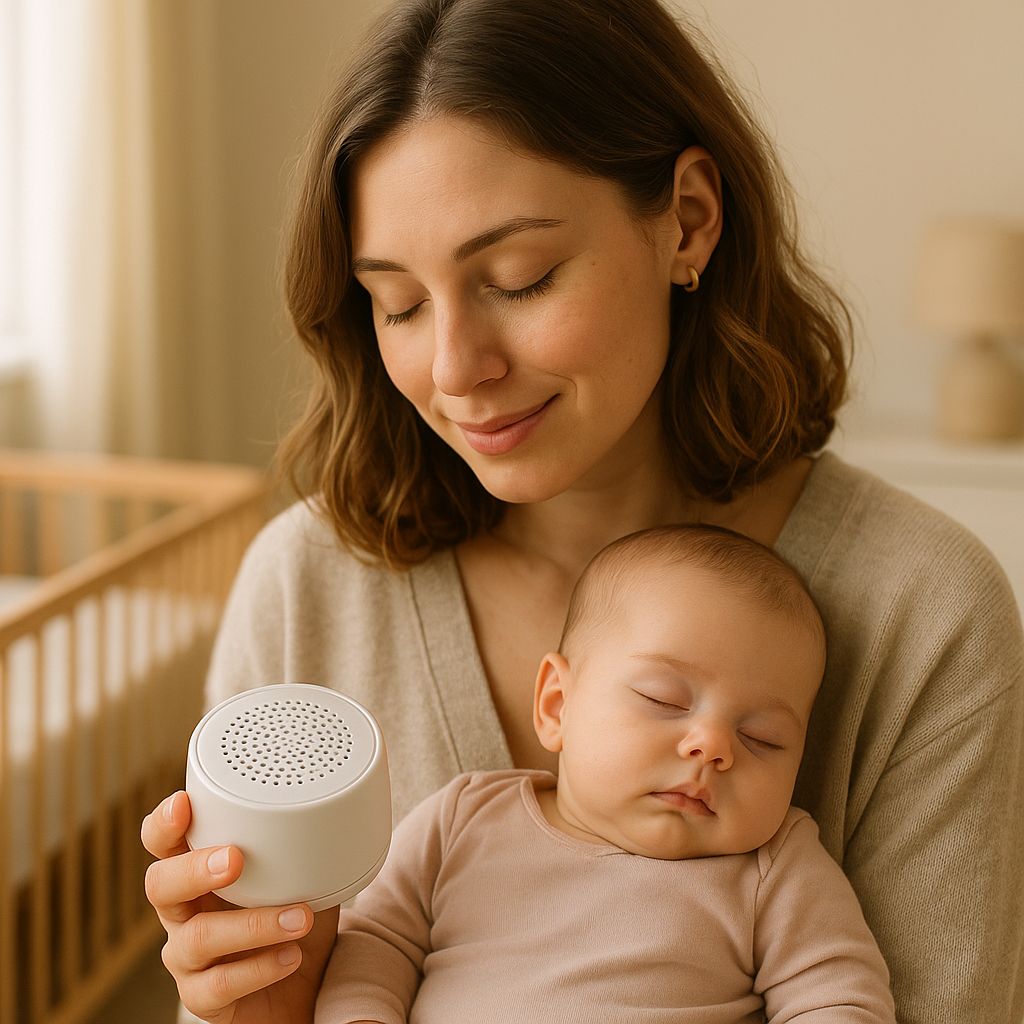
- Choose the Right Device: Opt for a high-quality, purpose-built white noise machine. While smartphone apps can be convenient, they often lack precise volume controls and may not run consistently all night.
- Set the Volume: Keep white noise at or below 50 decibels. Many machines have built-in volume controls—test the sound by listening from where your baby sleeps to ensure it’s not too loud.
- Position the Machine Safely: Place it across the room from your baby’s crib or bassinet, never inside or attached to the crib.
- Use Consistent, Gentle Sounds: Simple sounds like static, rain, or a fan are best. Avoid lullabies or nature sounds that may fluctuate and disturb sleep.
- Monitor Your Baby: Watch for signs that the noise is too loud or disruptive, such as fussiness, startles, or turning away from the sound.
- Establish a Routine: Use white noise as part of your baby’s bedtime routine to help create strong sleep associations.
Common Questions About White Noise for Babies
Is white noise safe for newborns?
Yes, when used at a moderate volume and placed at a safe distance, white noise is generally considered safe for newborns. Always supervise your baby and follow pediatric guidelines for safe sleep.
Can white noise help babies sleep through the night?
White noise may help by reducing wake-ups caused by environmental noises, but it doesn’t guarantee uninterrupted sleep for all babies. Each child is different, and other factors like feeding needs and developmental stages also play a role.
Will my baby become dependent on white noise?
While some babies develop a strong preference for white noise, it’s not usually a cause for concern. If you wish to stop using it, reduce the volume gradually over time to help your baby adjust.
What kind of white noise is best for babies?
Choose simple, steady, and gentle sounds. White noise machines that play static, fan sounds, or continuous rain are preferable to music or sounds with varying pitches.
White Noise vs. Other Soothing Sounds
Beyond white noise, parents may consider other soothing sounds like lullabies, heartbeat noises, or nature sounds. While these can also be calming, they often include melodies or volume changes that may disturb a light sleeper. White noise’s consistency is what makes it so effective for many babies.
When and How to Wean Off White Noise
If your child has been sleeping with white noise and you wish to stop, rest assured that it’s possible. The key is to reduce the volume gradually over several nights, giving your child a chance to adjust. Some children will naturally lose interest in white noise as they get older and their sleep patterns mature.
Tips for Introducing White Noise
- Start at Bedtime: Begin using white noise as part of your baby’s bedtime routine.
- Be Consistent: Use the same sound every night to help build positive sleep associations.
- Observe Your Baby: Every baby is different. If your child seems unsettled or you notice any negative changes in sleep, white noise may not be the right solution—and that’s okay.
- Prioritize Safe Sleep: Always follow safe sleep guidelines, including placing your baby on their back in a safe sleep environment.
Expert Insights
Dr. Rachel Moon, chair of the AAP’s Task Force on Sudden Infant Death Syndrome, notes, "White noise can be a helpful tool for some families, but it’s important to use it safely and not rely on it as a fix for underlying sleep issues." If sleep challenges persist, consult your pediatrician or a certified sleep consultant for personalized guidance.
Conclusion: Should You Try White Noise for Your Baby?
Many parents find white noise to be a simple, effective tool for improving infant sleep. When used properly—at a safe volume and distance—white noise can help mask household sounds, mimic the womb environment, and support longer, more restful sleep for babies. However, it’s not a guarantee for every child, and it’s not a substitute for healthy sleep routines and safe sleep practices.
If you choose to try white noise for your baby, start slowly, stay mindful of safety, and trust your instincts. Every baby is unique, and your gentle, responsive care is the most important ingredient for healthy sleep.
For more practical sleep tips and expert guidance, explore our full range of articles in the Growing Giggles sleep category!