
When to Worry About Development Delays in Preschoolers: A Parent’s Guide
Watching your preschooler grow and develop is one of the greatest joys of parenting. Every new word, skill, or social interaction feels like a small miracle. But what happens when your child doesn’t reach certain milestones as expected? How do you know if it’s a harmless variation or something to worry about? This guide will help you understand when to worry about development delays in preschoolers, what signs to watch for, and when to seek help.
Understanding Developmental Milestones for Preschoolers
Preschoolers, typically aged 3-5 years, are learning and growing at an astounding rate. They develop language, motor skills, social abilities, and cognitive functions that lay the foundation for future learning. While every child is unique, certain milestones are considered typical for this age stage:
- Language: Speaking in sentences, expressing needs, asking questions, and understanding instructions.
- Social: Playing with peers, taking turns, showing empathy, and following simple rules.
- Motor: Running, jumping, climbing, drawing simple shapes, using scissors, and dressing independently.
- Cognitive: Recognizing colors, counting, understanding basic concepts like big/small, and following stories.
It’s important to remember that milestones are guidelines, not deadlines. Some children may reach them a little earlier or later than their peers.
What Are Developmental Delays?
A developmental delay occurs when a child does not reach milestones within the expected timeframe. Delays can affect one or more areas—speech, motor skills, social interactions, or cognitive abilities. Sometimes, delays are minor and resolve on their own. Other times, they may signal underlying issues that require support.
Common Types of Developmental Delays
- Speech and Language Delay: Difficulty speaking, limited vocabulary, or trouble understanding instructions.
- Motor Delay: Trouble walking, using hands, or poor coordination.
- Social/Emotional Delay: Challenges interacting with others, excessive shyness, or trouble managing emotions.
- Cognitive Delay: Difficulty solving problems, understanding concepts, or remembering things.
Some delays may be temporary, while others could indicate more persistent issues like autism spectrum disorder, ADHD, or learning disabilities.
When Should Parents Start to Worry?
It’s natural to compare your child with others. However, real concern should start when delays are persistent, noticeable, and affect daily life. Here are some signs that warrant attention:
- Speech: By age 3, your child should be speaking in short sentences. If they aren’t talking, or you struggle to understand them, it’s time to consult a professional.
- Social: If your child doesn’t play with others, avoids eye contact, or doesn’t respond to social cues, it could be a sign of a delay.
- Motor: Difficulty running, jumping, or manipulating small objects may indicate motor delays.
- Learning: If your child cannot follow simple instructions or struggles with basic concepts, it’s worth investigating further.
Trust your instincts. If something feels off, don’t hesitate to seek advice.
Factors That Influence Development
Before panicking, consider factors that can influence development:
- Biological: Prematurity, genetics, medical conditions.
- Environmental: Language exposure, family dynamics, opportunities for play.
- Emotional: Stress, trauma, attachment issues.
Sometimes, delays can be caused by external factors and may improve with changes to the environment or extra support.
How to Spot Developmental Delays
Spotting delays can be tricky, especially if your child is shy or has a unique personality. Here are signs to watch for:
- Speech that is unclear or limited for their age.
- Difficulty making friends or playing cooperatively.
- Clumsiness or trouble with basic motor tasks.
- Struggles to follow instructions or understand basic concepts.
- Extreme tantrums or emotional outbursts beyond what is typical for preschoolers.
Keep a journal of what you observe, noting when and how often issues arise.
The Importance of Early Intervention
Early intervention can make a huge difference. The earlier a child receives help, the better their chances for improvement. If you suspect a delay:
- Talk to your pediatrician.
- Request a developmental screening.
- Follow up with specialists if recommended (speech therapist, occupational therapist, psychologist).
- Access early intervention programs—many are free or low-cost.
Don’t wait for your child to “catch up”—intervention is most effective when started early.
What Happens During Developmental Screening?
Developmental screenings are simple assessments done by healthcare providers. They may include:
- Parent questionnaires about behavior and skills.
- Observation of your child’s interactions and play.
- Standardized tests to measure abilities.
If concerns are found, your child may be referred for more detailed evaluation.
Supporting Your Preschooler at Home
Whether your child has a delay or not, you can help them grow by:
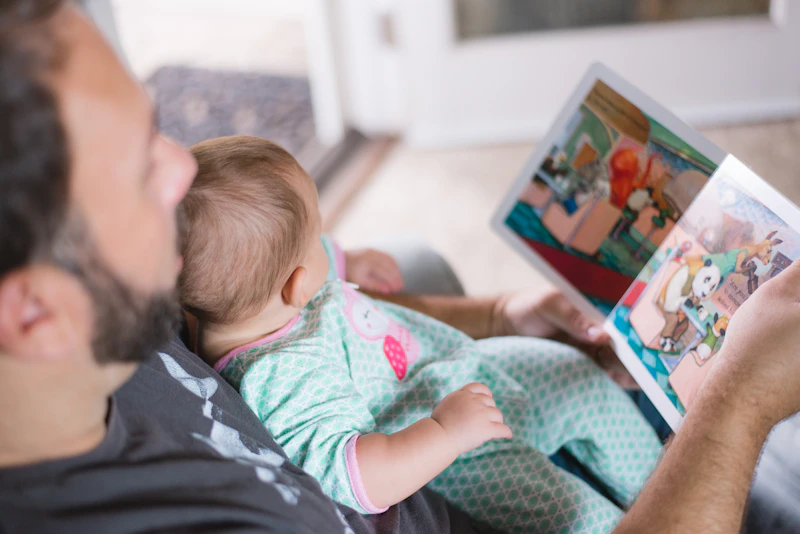
- Reading together every day.
- Encouraging play with peers and siblings.
- Offering toys that challenge motor skills (blocks, crayons, puzzles).
- Modeling and practicing social skills (sharing, taking turns).
- Talking about feelings and problem-solving.
Remember, your support matters more than you think! Children thrive with encouragement, patience, and love.
Common Myths About Developmental Delays
- Myth: "They’ll catch up on their own."
Fact: Some children do, but others need extra help. - Myth: "It’s the parents’ fault."
Fact: Delays are often caused by factors outside of your control. - Myth: "Delays mean a lifelong disability."
Fact: Many children overcome delays with early support.
When to Seek Professional Help
Seek help if:
- Your child isn’t speaking or communicating as expected.
- They don’t play with others or seem unaware of social cues.
- Motor skills are far behind peers.
- You notice regression—skills they once had are lost.
- Gut feeling tells you something is wrong.
Start with your pediatrician. They can refer you to specialists and guide you through next steps.
How to Talk to Your Pediatrician
Prepare for your visit by:
- Writing down concerns and giving examples.
- Bringing your developmental journal.
- Asking about screenings and early intervention.
- Staying open-minded—sometimes delays are temporary.
Your pediatrician is your partner. Don’t be afraid to ask questions or request referrals.
Early Intervention Services: What Are They?
Early intervention services include speech therapy, occupational therapy, physical therapy, and special education. They are designed for children under age 5 and provided by public health or school systems. These services help your child build skills and confidence for school and life.
The Emotional Side: Supporting Yourself as a Parent
Discovering your child has a delay can be emotional. It’s normal to feel worried, guilty, or overwhelmed. Remember:
- You’re not alone—many families face similar challenges.
- Seeking help is a sign of strength, not weakness.
- Support groups and counseling can help you process emotions.
Take care of yourself so you can take care of your child.
Success Stories: Children Who Overcame Developmental Delays
Thousands of children have overcome delays with early support. For example, Lily was struggling with speech at age 3. Her parents sought help from a speech therapist, and within a year, she was chatting confidently with friends. Early intervention can truly transform lives!
Conclusion: Trust Your Instincts and Take Action
Developmental delays in preschoolers are more common than you think. The key is to recognize signs early, seek help, and support your child at home. Trust your instincts—if you suspect something is off, don’t wait. Early intervention leads to better outcomes and happier kids.
If you’re worried about your preschooler’s development, reach out to your pediatrician, connect with early intervention programs, and remember: your love and support are the most powerful tools in your child’s growth journey.
Frequently Asked Questions
What are the signs of developmental delay in preschoolers?
Some signs include difficulty speaking, trouble interacting with peers, challenges with motor skills, or not reaching milestones typical for their age. If you notice persistent issues, consult your pediatrician.
Should I be worried if my preschooler isn’t talking as much as other kids?
Variation in speech development is normal, but if your child has trouble communicating or understanding, it’s wise to seek advice from a professional. Early intervention can help.
How is a developmental delay diagnosed?
A developmental delay is diagnosed through screenings by healthcare providers, which may include questionnaires, observation, and assessment of milestones. If concerns arise, further evaluation by specialists may be recommended.
What should I do if I suspect my preschooler has a developmental delay?
Document your concerns, talk to your child’s pediatrician, and request a developmental screening. Early intervention services are available and can make a significant difference.
Can developmental delays be outgrown?
Some children catch up on their own, while others benefit from therapy or support. The earlier the intervention, the better the chances for improvement.