
When Is Baby Fever Dangerous? Warning Signs Every Parent Should Know
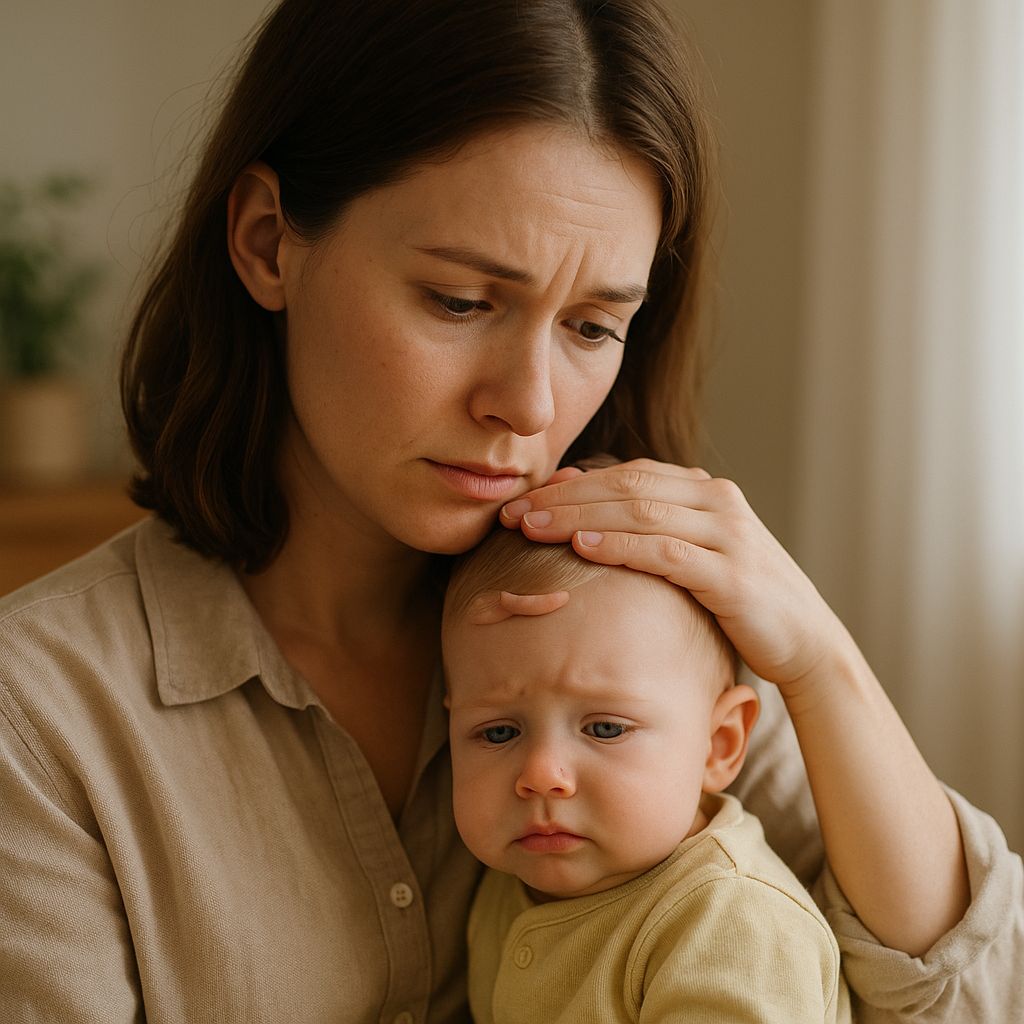
Few things make parents more anxious than a fever in their baby. That tiny forehead feels warm, and suddenly you’re Googling what’s normal, what’s not, and whether you need to rush to the emergency room. The good news? Most fevers in babies are harmless and simply mean their immune system is doing its job. But sometimes, a fever can signal something more serious. So, when is baby fever dangerous? And what warning signs should you never ignore?
Understanding Fever in Babies: What Counts as a Fever?
First, let’s clear up what’s considered a fever in babies. A fever is the body’s way of fighting off infection. For infants, a rectal temperature of 100.4°F (38°C) or above is generally defined as a fever (AAP).
- Birth to 3 months: Any temperature at or above 100.4°F (38°C) is considered a fever and should be checked by a doctor right away.
- 3 to 6 months: A fever higher than 102°F (38.9°C) or with other symptoms warrants a call to the doctor.
- 6 months and older: Fevers above 103°F (39.4°C) or lasting more than a few days should be discussed with your pediatrician.
Why Do Babies Get Fevers?
Fevers are most often caused by viral or bacterial infections, like colds, flu, ear infections, or even vaccinations. Occasionally, a fever is the first sign of a more serious condition, like a blood or urinary tract infection, or (rarely) meningitis.
When Is Baby Fever Dangerous?
While most fevers aren’t dangerous, certain situations require immediate medical attention:
- Baby under 3 months old: Any fever of 100.4°F (38°C) or higher
- Fever of 104°F (40°C) or higher in any age group
- Fever lasting more than 5 days
- Fever with other serious symptoms (see below)
Warning Signs: When to Call the Doctor or Go to the ER
Even if the fever itself isn’t high, certain symptoms mean you should call your doctor right away or head to the emergency department:
- Lethargy or unresponsiveness: If your baby is difficult to wake, excessively sleepy, or won’t interact with you.
- Trouble breathing or rapid breathing
- Persistent vomiting or refusal to feed
- Signs of dehydration: No wet diapers in 8 hours, dry mouth, no tears when crying
- Convulsions or seizures
- Stiff neck, severe headache, or sensitivity to light
- Rash: Especially a purple or bruise-like rash that doesn't fade when pressed
- Crying that can’t be soothed or a weak, high-pitched cry
- Bulging or sunken soft spot (fontanelle) on the head
- Fever after being left in a hot environment (possible heatstroke)
Trust your instincts: If your baby just doesn’t seem right to you, always call your pediatrician.
How to Check Your Baby’s Temperature Accurately
For infants, a rectal thermometer gives the most accurate reading. Ear, forehead, or armpit thermometers can be used for older babies, but may be less precise. Always follow your thermometer’s instructions, and don’t rely on hand or forehead touch alone.
What If My Newborn Has a Fever?
Newborns (0-3 months) with any fever should be evaluated by a doctor urgently. Their immune systems are still developing, and even a mild fever can be a sign of a serious infection.
Key Steps:
- Do not give any fever medicine unless instructed by a doctor.
- Call your pediatrician or go to the emergency room right away.
- Keep your baby hydrated and dressed in light clothing.
Home Care for Mild Fevers in Babies
If your baby is older than 3 months and doesn’t have any of the warning signs, you can manage a mild fever at home:
- Keep baby comfortable: Dress in lightweight clothes; avoid bundling.
- Offer fluids often: Breast milk or formula for infants, water for older babies as directed.
- Monitor for new symptoms: Check temperature every 4-6 hours.
- Fever reducers: Only give acetaminophen (Tylenol) or ibuprofen if your doctor says it’s okay, and use the correct dose for your baby’s weight and age.
- Do NOT give aspirin to babies or children.
Common Parent Questions About Baby Fever
Is It Normal for Babies to Have a Fever?
Yes, fevers are common in babies and are usually a sign that their immune system is working. Teething rarely causes a significant fever (>100.4°F/38°C).
How Long Does a Fever Last in Babies?
Most fevers from viral infections last 2-3 days. If the fever lasts more than 5 days, see your pediatrician.
Are Febrile Seizures Dangerous?
Febrile seizures (caused by fever) can be frightening but are usually not dangerous or harmful. However, any seizure should be evaluated by a doctor, especially in babies.
Can I Give My Baby a Bath to Lower Fever?
A lukewarm bath may help bring down a mild fever, but never use ice baths or very cold water. Focus on keeping your baby comfortable.
When to Go to the Emergency Room
Head to the ER if:
- Your baby is under 3 months old with any fever
- Your child is unresponsive, has trouble breathing, or has a seizure
- There is a new, unexplained rash, especially one that doesn’t blanch (fade when pressed)
- Signs of dehydration, like no wet diapers or very dry mouth
How to Prevent Serious Illness in Babies
- Keep up with well-baby visits and vaccines
- Wash hands often and avoid sick contacts
- Practice safe sleep and avoid overheating
- Breastfeed if possible for immune support
Summary Table: When Is Baby Fever Dangerous?
| Baby’s Age | Fever Temperature | Action |
|---|---|---|
| Under 3 months | >= 100.4°F (38°C) | See doctor immediately |
| 3-6 months | >102°F (38.9°C) | Call doctor |
| 6 months and older | >103°F (39.4°C) | Call doctor |
Final Thoughts: Trust Your Parenting Instincts
Fever is a common part of childhood, but knowing when a baby fever is dangerous can make all the difference. Watch for the warning signs, trust your gut, and call your pediatrician if you’re ever unsure. Your baby’s safety—and your peace of mind—come first!
Disclaimer: This article is for educational purposes only and does not replace medical advice. If you think your baby is seriously ill, seek medical attention immediately.