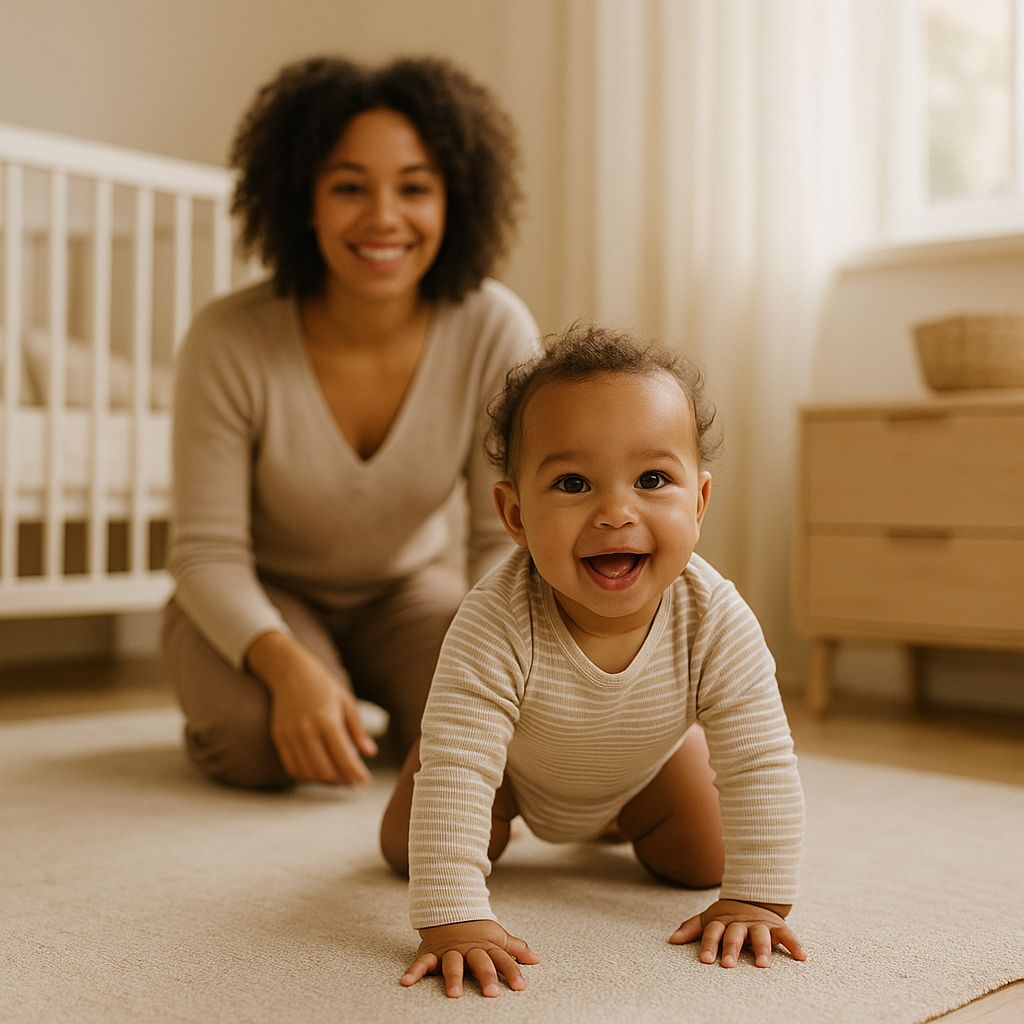

When Do Babies Start Crawling, Standing, and Walking? Understanding Key Developmental Milestones
Witnessing your baby’s first movements is a thrilling chapter for every parent. From those early attempts at crawling to the proud first steps, these milestones mark significant progress in your child’s physical and neurological development. Understanding when babies typically start crawling, standing, and walking—and how you can support these stages—empowers you to foster healthy growth and address concerns proactively.
Understanding Motor Development in Babies
Motor development refers to the progression of muscular coordination required for physical activities. Gross motor skills involve large muscle groups and are essential for movements like crawling, standing, and walking. These skills are influenced by genetics, environment, health, and the opportunities your child has to explore their world.
The Sequence of Movement Milestones
- Tummy Time: Foundation for strength; recommended from birth.
- Rolling Over: Usually between 4-6 months.
- Sitting Up: Often occurs between 5-9 months.
- Crawling: Typically begins between 6-10 months.
- Standing: With support around 8-12 months; independently by 9-14 months.
- Walking: Most babies take first steps between 12-18 months.
When Do Babies Start Crawling?
Crawling is an exciting milestone, as it signals your baby is ready to explore their environment with greater independence. Most babies start crawling between 6 and 10 months. However, the type of crawling varies:
- Classic Crawl: Hands and knees movement.
- Commando Crawl: Belly on the floor, pulling with arms.
- Bear Crawl: Hands and feet, bottom raised.
- Bottom Shuffling: Scooting on their bottom.
- Rolling: Some babies roll to move instead of crawling.
Some babies may skip crawling altogether and move directly to standing or walking. This is normal, as developmental timelines vary.
Signs Your Baby Is Ready to Crawl
- Can sit unsupported for short periods
- Reaches for objects while sitting
- Pushes up on hands and knees during tummy time
- Shows curiosity about their environment
Encouraging Crawling
To promote crawling, provide plenty of supervised tummy time, place toys just out of reach, and ensure a safe, open environment. Avoid restrictive devices like walkers or jumpers, which can hinder natural movement patterns.
When Do Babies Start Standing?
Standing is a precursor to walking and demonstrates your baby’s growing strength and balance. Babies typically begin pulling themselves up to stand with support—such as furniture or your hands—around 8-12 months. Independent standing is usually observed between 9-14 months.
Stages of Standing
- Pulling Up: Using objects or people for support.
- Standing with Support: Holding on to furniture, sometimes cruising.
- Standing Without Support: Brief moments of balance without holding on.
Signs Your Baby Is Ready to Stand
- Pulls up to furniture or your hands
- Bears weight on legs when held upright
- Attempts to cruise along furniture
- Shows interest in upright positions
Tips for Encouraging Standing
- Support your baby to stand by holding their hands
- Place favorite toys on low tables to encourage cruising
- Provide sturdy furniture for support
- Offer praise and encouragement for attempts
When Do Babies Start Walking?
Walking is a major milestone, symbolizing independence and mobility. Most babies take their first steps between 12-18 months. Some children may walk earlier or later, which is usually normal unless accompanied by other delays.
Stages of Walking
- Cruising: Walking while holding onto furniture.
- Standing Independently: Brief moments without support.
- First Steps: Unsteady, short walks.
- Confident Walking: Steady, coordinated movement.
Signs Your Baby Is Ready to Walk
- Stands without support
- Cruises along furniture
- Attempts to squat and stand
- Shows eagerness to move and explore
How to Encourage Walking
- Provide a safe, uncluttered space for movement
- Let your child go barefoot indoors for better grip
- Hold your baby’s hands and walk together
- Use positive reinforcement—cheer every effort
- Avoid baby walkers, which may delay walking and pose safety risks
Factors Influencing Motor Skill Development
Each child’s timeline is unique. The following factors can influence when a baby reaches crawling, standing, and walking milestones:
- Genetics: Family history may impact timing.
- Opportunity: Babies given time on the floor and encouragement may develop skills sooner.
- Health: Premature birth, muscle tone, or medical conditions can affect development.
- Environment: Safe spaces and stimulating toys promote movement.
Variations and Signs of Delay
While milestone ranges are broad, some signs may warrant consultation with your pediatrician:
- Not crawling by 12 months
- Not pulling to stand by 12-14 months
- Not walking independently by 18 months
- Limited movement, muscle weakness, or asymmetrical movements
Early intervention can address underlying issues, so it’s best to seek advice if you’re concerned.
Supporting Your Baby’s Motor Development
Parents play an essential role in encouraging movement:
- Tummy Time: Start from birth to strengthen muscles.
- Interactive Play: Engage your baby with toys and games that require reaching and moving.
- Safe Spaces: Remove hazards and provide padded surfaces.
- Limit Restrictive Devices: Avoid prolonged use of bouncers, walkers, and jumpers.
- Positive Reinforcement: Celebrate attempts and progress.
Common Questions About Crawling, Standing, and Walking
- At what age do most babies start crawling?
- Most babies start crawling between 6 and 10 months. However, some may begin earlier or later, and a few may skip crawling altogether.
- Do all babies crawl before they walk?
- No, some babies use alternative movements or skip crawling and move directly to standing or walking.
- What are signs my baby is ready to stand?
- Pulling themselves up to furniture, bearing weight on their legs, and showing interest in upright positions are common signs.
- How can I help my baby learn to walk?
- Encourage walking by offering safe spaces, using sturdy furniture for support, engaging in games that promote movement, and praising efforts. Avoid walkers.
- When should I be concerned about delayed walking?
- If your child hasn’t started walking independently by 18 months, consult your pediatrician.
The Importance of Milestone Monitoring
Tracking your baby’s progress helps you identify their strengths and areas where they may need extra support. Remember, every child develops at their own pace. Comparison can be tempting, but it’s more important to focus on providing opportunities for movement and celebrating your baby’s unique journey.
When to Seek Professional Support
If you notice significant delays or asymmetrical movement, consult your healthcare provider. Early intervention can address potential issues and support your child’s development. Your pediatrician may recommend a physical therapist or developmental specialist if needed.
Summary: Crawling, Standing, and Walking Milestones
- Crawling: 6-10 months
- Standing with support: 8-12 months
- Walking: 12-18 months
These milestones are signs of growing independence and confidence. Provide a loving, supportive environment and trust your baby’s natural progression.
Resources for Parents
- HealthyChildren.org: Ages & Stages
- CDC: Positive Parenting Tips for Infants
- Parenting.com: Baby Development
Final Thoughts
Crawling, standing, and walking are among the most exciting milestones in your baby’s first years. Understanding the typical timelines and signs of readiness helps you support their growth, celebrate their achievements, and address any concerns early. Every baby’s journey is unique—embrace each stage, offer encouragement, and consult your pediatrician if you notice delays. With your support, your child will develop the confidence and strength to explore the world on their own two feet.