
When Do Babies Start Crawling, Sitting, and Walking? A Guide to Key Developmental Milestones
As parents and caregivers, one of the most exciting parts of raising a baby is witnessing their growth and development. Among the most celebrated milestones are sitting, crawling, and walking—each representing a leap in independence and mobility. But when do these milestones typically occur, and what factors influence their timing? In this comprehensive guide, we’ll explore the averages, variations, and strategies for supporting your child’s journey through these stages.
Understanding Baby Developmental Milestones
Developmental milestones are skills or behaviors that most children can do by a certain age. While guidelines offer average timelines, it’s important to remember that each child is unique. Genetics, environment, temperament, and health all play a role in how and when milestones are reached.
- Sitting: Marks core strength and balance.
- Crawling: Demonstrates coordination and muscle development.
- Walking: Signals readiness for independent mobility.
When Do Babies Start Sitting?
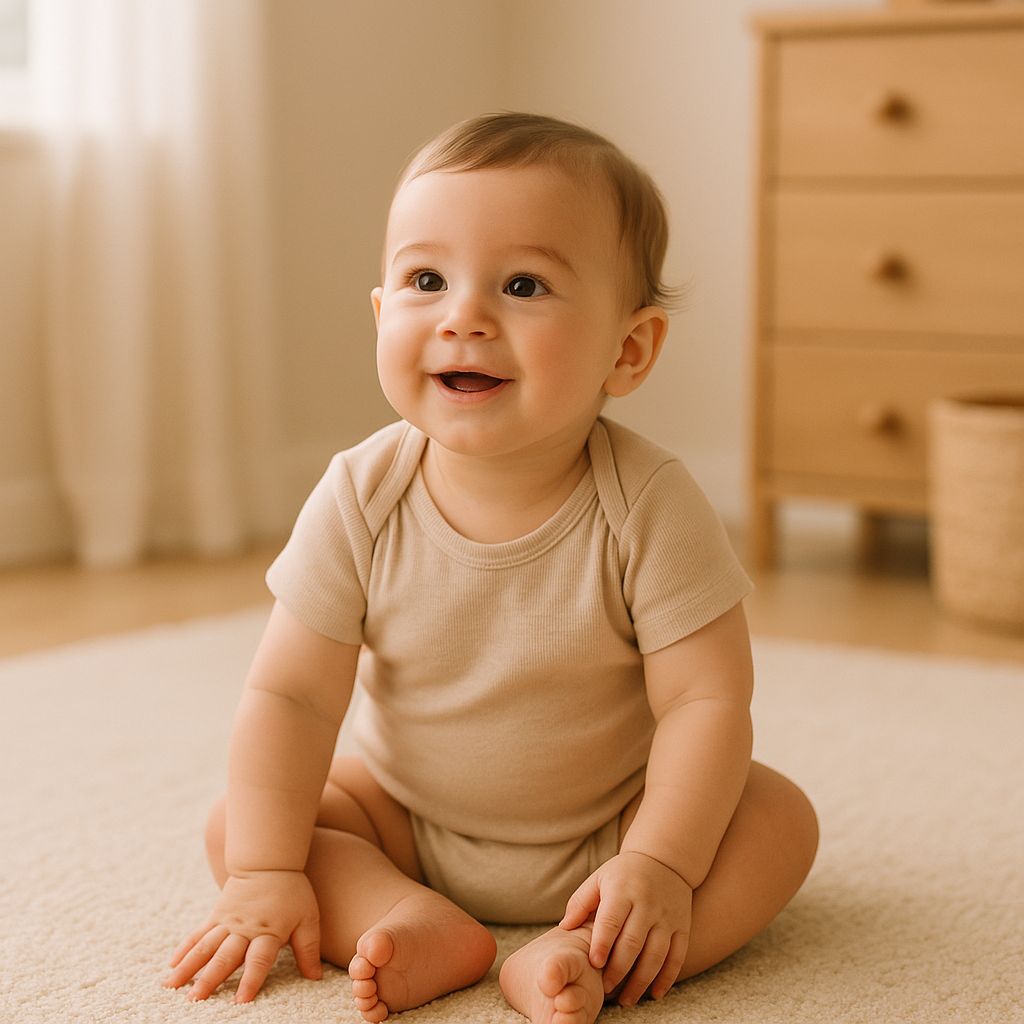
Sitting is often the first major motor milestone that signals your baby is gaining strength and control over their body. Most babies begin to sit with support around 4-6 months and can sit unsupported between 6-8 months.
Signs Your Baby Is Ready to Sit:
- Good head control
- Ability to roll over
- Interest in reaching for toys while lying down
How to Encourage Sitting
- Offer supervised tummy time daily
- Prop baby with pillows in a seated position for short periods
- Place toys just out of reach to encourage leaning and balance
It’s normal for babies to topple over as they learn. Never leave a baby unattended in a sitting position, especially on elevated surfaces.
When Do Babies Start Crawling?
Crawling usually follows sitting and is a sign that your baby is developing coordination between their arms, legs, and torso. The average age for crawling is between 7-10 months, but some babies start earlier, later, or skip crawling entirely.
Types of Crawling
- Belly crawling: Also known as “commando” crawling, where the baby drags their body forward using their arms.
- Classic crawl: Hands and knees movement, often seen as the standard crawl.
- Bear crawl: Moving on hands and feet, bottom in the air.
- Bottom scooting: Using their bottom to move forward while sitting.
Why Crawling Matters
Crawling isn’t just about mobility. It’s crucial for:
- Cross-body coordination (left/right brain development)
- Strengthening muscles for walking
- Visual tracking and spatial awareness
Supporting Crawling
- Encourage tummy time from birth
- Clear floor space for safe exploration
- Place toys to motivate movement
Don’t worry if your baby doesn’t crawl in the “classic” way. Some skip crawling altogether and move straight to pulling up or cruising.
When Do Babies Start Walking?
Walking is one of the most anticipated milestones, marking the transition from babyhood to toddlerhood. Most babies take their first steps between 12-15 months, though some may walk as early as 9 months or as late as 18 months.
Stages Leading Up to Walking
- Pulling up: Babies grasp furniture to stand upright.
- Cruising: Moving sideways while holding onto furniture.
- Standing unassisted: Brief periods of balance without support.
- Walking: First steps, often wobbly and unsteady.
Signs Your Baby Is Ready to Walk
- Can stand holding onto objects
- Shows eagerness to move between furniture
- Attempts to let go and balance briefly
How to Support Walking
- Give plenty of floor time
- Encourage cruising along safe furniture
- Hold hands and guide your baby through steps
- Offer praise for effort, not just success
Walking aids like baby walkers are discouraged due to safety and developmental concerns. Instead, focus on natural movement and supervised exploration.
Factors Influencing Milestone Timing
Every child develops at their own pace. Factors that influence when your baby sits, crawls, or walks include:
- Genetics: Family history can affect timing.
- Prematurity: Premature babies often reach milestones later (adjusted for corrected age).
- Health: Medical conditions or low muscle tone may delay development.
- Environment: Opportunities for movement, parental encouragement, and safe spaces matter.
What if My Baby Seems Delayed?
If your baby isn’t sitting by 9 months, crawling by 12 months, or walking by 18 months, talk to your pediatrician. Slight variations are normal, but persistent delays may warrant evaluation for underlying issues. Early intervention can help address challenges.
Tips for Encouraging Healthy Motor Development
- Provide regular tummy time. This builds neck, back, and core strength.
- Offer safe, open spaces. Remove hazards and create a soft area for practice.
- Use toys strategically. Place favorite toys just out of reach to motivate movement.
- Limit restrictive equipment. Avoid prolonged use of swings, seats, or walkers.
- Celebrate effort. Encourage and praise attempts, not just accomplishments.
Common Questions About Baby Milestones
- Is it normal for a baby to skip crawling?
- Yes, some babies skip crawling altogether and move straight to pulling up, cruising, or walking. Crawling is a common milestone but not mandatory for healthy development.
- How can I help my baby learn to sit or crawl?
- Provide plenty of supervised tummy time, encourage reaching for toys, and offer a safe environment. Avoid using baby seats excessively, as they can restrict movement.
- When should I be concerned about delayed milestones?
- If your baby isn’t sitting by 9 months, crawling by 12 months, or walking by 18 months, consult your pediatrician for evaluation. Always trust your instincts and seek advice if you have concerns.
- Do premature babies reach milestones later?
- Premature babies often reach milestones later than their full-term peers. Adjust expectations based on their corrected age, and consult your healthcare provider for guidance.
- Are walking aids like walkers recommended?
- Most pediatricians advise against walkers, as they can pose safety risks and may hinder natural motor development. Instead, encourage cruising along furniture and supervised play.
When to Seek Professional Advice
If you notice any of the following, reach out to your healthcare provider:
- Stiff or floppy limbs
- Little interest in movement or play
- Difficulty holding head up
- Regression in skills
Early support can make a significant difference in a child’s development.
Summary: Every Baby Is Unique
While most babies sit unsupported between 6-8 months, crawl between 7-10 months, and walk between 12-15 months, individual variation is common. Celebrate your child’s progress, provide opportunities for safe exploration, and consult your pediatrician if you have any concerns. Remember, milestones are guides—not deadlines.
References & Further Reading
Growing Giggles is committed to helping parents navigate every stage of their child’s development. For more expert guides, visit our Growth & Development section.