What to Expect from Your Preschooler’s Growth
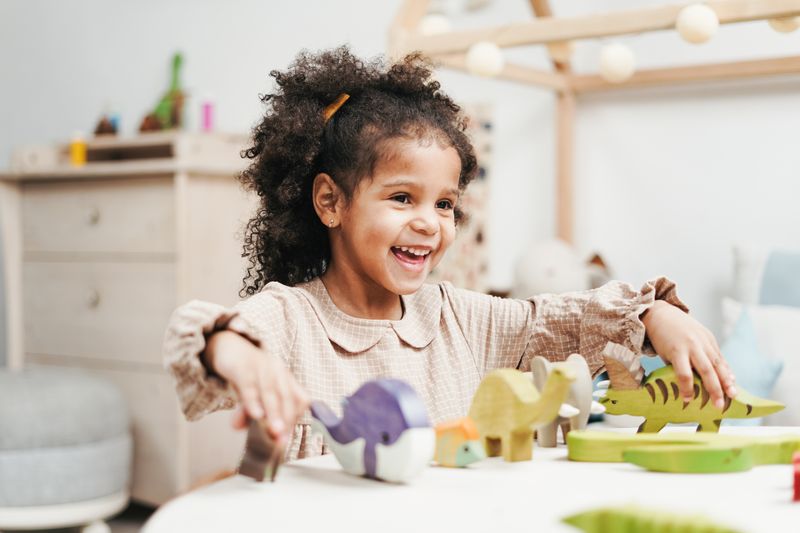
Preschoolers are bundles of energy and curiosity, learning at lightning speed and growing in ways that can leave even the most prepared parent amazed. Between ages 3 and 5, your child will go through a whirlwind of changes—physically, emotionally, cognitively, and socially. This period is often called the 'magic years' because of the incredible leaps they make.
Understanding Preschooler Growth: The Big Picture
Growth isn’t just about height and weight—it encompasses every aspect of your child’s development. Preschoolers are busy mastering new skills, exploring their environment, and building the foundation for lifelong learning.
- Physical Growth: Growing taller, gaining strength, and improving coordination.
- Emotional Growth: Learning to express, understand, and manage feelings.
- Cognitive Growth: Developing language, reasoning, and problem-solving abilities.
- Social Growth: Becoming more aware of others, learning to cooperate and share.
Physical Milestones: Moving and Grooving
Preschoolers develop rapidly in the physical domain. You’ll notice:
- Improved Gross Motor Skills: Running, jumping, climbing, throwing, and catching become smoother and more coordinated.
- Fine Motor Skills: Using crayons, scissors, building with blocks, and manipulating small objects with increasing dexterity.
- Growth Spurts: Height and weight increase steadily, though growth rates vary from child to child.
- Self-care Skills: Dressing, washing hands, brushing teeth, and feeding themselves with less help.
It’s normal for children to have bursts of activity, followed by periods of rest. Encourage active play, but don’t be alarmed if your child seems tired after a busy day.
Cognitive Development: The Curious Mind
This age is marked by a big jump in thinking skills. Preschoolers:
- Ask Lots of Questions: “Why is the sky blue?” “How do cars go?” Their curiosity is boundless.
- Expand Vocabulary: From a few hundred words at age three to thousands by age five.
- Begin to Understand Time: Concepts like 'today,' 'tomorrow,' and 'yesterday' start to make sense.
- Engage in Pretend Play: Imaginary friends, role-playing, and elaborate scenarios are common and healthy.
- Develop Early Math Skills: Recognizing numbers, counting objects, understanding patterns and shapes.
- Problem-Solving: Figuring out puzzles, building with blocks, or negotiating rules in games.
Support cognitive growth by reading together, asking open-ended questions, and providing a variety of stimulating activities.
Emotional Growth: The Rollercoaster Ride
Preschoolers are learning to navigate their feelings. This can mean dramatic mood swings, but it’s all part of the process:
- Self-Awareness: Beginning to recognize and name their emotions—happy, sad, angry, scared.
- Empathy: Noticing when others are upset and sometimes offering comfort.
- Independence: Wanting to do things themselves, sometimes resisting help.
- Frustration: Meltdowns are common as they learn to cope with disappointment or limits.
Help your child by acknowledging their feelings, modeling calm responses, and teaching simple coping strategies like taking deep breaths.
Social Development: Making Friends
Preschoolers move from parallel play to more interactive play:
- Sharing and Cooperation: Learning to take turns, follow rules, and work in groups.
- Friendship: Forming bonds with peers, though friendships may be fleeting.
- Role Play: Acting out real-life scenarios, such as playing 'house' or 'store.'
- Understanding Differences: Becoming aware that people have different perspectives and feelings.
Encourage social growth by arranging playdates, modeling respectful behavior, and teaching conflict resolution skills.
Behavioral Changes: Testing the Waters
Preschooler behavior can be unpredictable. You might notice:
- Testing Boundaries: Saying 'no,' ignoring instructions, or challenging rules.
- Imitating Adults: Copying words, actions, and routines.
- Attention Span: Still short, but gradually lengthening for favorite activities.
- Fears: Fear of the dark, monsters, or separation from parents is common.
Set clear, consistent limits. Use positive reinforcement and gentle guidance to teach appropriate behavior.
Health and Nutrition: Fueling Growth
Proper nutrition and sleep are vital:
- Balanced Diet: Offer a variety of fruits, vegetables, proteins, grains, and dairy.
- Healthy Habits: Encourage hand-washing, tooth brushing, and regular physical activity.
- Sleep Needs: Preschoolers require about 10–13 hours of sleep daily, including naps.
Consult your pediatrician about growth charts and any concerns with eating or sleeping habits.
Supporting Your Preschooler’s Growth
Every child is unique, and growth comes at its own pace. Here’s how you can help:
- Be Patient: Celebrate small victories and don’t stress over minor setbacks.
- Stay Involved: Engage in activities, listen to their stories, and join in play.
- Create Routines: Predictable schedules help children feel secure.
- Encourage Exploration: Offer safe spaces for active play and new experiences.
- Model Positive Behavior: Show kindness, respect, and resilience.
When to Seek Help
Some variation in development is normal. However, consult your pediatrician if you notice:
- Significant delays in speech, motor, or social skills
- Regression (losing skills previously mastered)
- Extreme behavioral challenges
- Health concerns like poor appetite, sleep issues, or frequent illnesses
Fun Activities to Foster Growth
Make learning part of everyday life:
- Art Projects: Finger painting, drawing, and crafting boost creativity and fine motor skills.
- Outdoor Play: Running, climbing, and playing games improve physical health.
- Story Time: Reading together fosters language and imagination.
- Building and Puzzles: Encourage problem-solving and patience.
- Music and Dance: Promote rhythm, coordination, and joy.
Preschooler Growth: Milestones at a Glance
| Age | Physical | Cognitive | Social/Emotional |
|---|---|---|---|
| 3 Years | Runs, climbs stairs, uses crayons | Names colors, asks questions | Plays alongside peers, expresses basic emotions |
| 4 Years | Hops, uses scissors, dresses self | Counts, recognizes letters | Shares, shows empathy, forms friendships |
| 5 Years | Balances on one foot, ties shoes | Understands time, follows directions | Cooperates, resolves conflicts, understands rules |
Final Thoughts: Enjoy the Journey
Preschool years are filled with wonder, excitement, and sometimes a few tears. Remember, your child’s development is a unique adventure—soak up the giggles, encourage exploration, and support their growth every step of the way. If you’re ever concerned, your pediatrician or early childhood educator can offer guidance and reassurance.
Frequently Asked Questions
- What are common growth milestones for preschoolers?
- Preschoolers typically develop improved motor skills, expand their vocabulary, start understanding social norms, and display greater independence. They may also show emotional swings as they learn to manage feelings.
- How can I support my preschooler’s development?
- Encourage active play, read together, establish routines, and offer opportunities for social interaction. Always provide emotional support and model positive behavior.
- Should I worry if my preschooler isn’t meeting every milestone?
- Children grow at their own unique pace. If you have concerns, speak with your pediatrician, but remember that variations are normal.
- How much should my preschooler sleep?
- Preschoolers generally need 10–13 hours of sleep each day, including naps if needed.
Resources for Parents
- CDC Positive Parenting: Preschoolers
- KidsHealth: Preschool Growth and Development
- NAEYC: Early Childhood Resources
For more expert advice and tips, keep exploring Growing Giggles—your partner in nurturing happy, healthy preschoolers!