What Is Early Learning and Why Does It Matter for Babies?
From the moment a baby is born, they embark on a remarkable journey of growth and discovery. The earliest years are not only filled with adorable milestones but are also a critical window for learning and development. But what exactly is early learning, and why does it matter so much for babies? This comprehensive guide dives into the science and strategies behind early learning, offering parents and caregivers expert insights into nurturing a child’s full potential from day one.
Understanding Early Learning: A Foundation for Life
Early learning refers to the range of experiences, interactions, and education that shape a child’s brain, behavior, and skills during their first years of life—typically from birth to age five. It encompasses everything from sensory exploration and language acquisition to emotional bonding and problem-solving. These formative experiences lay the foundation for all future learning, making the early years uniquely significant in a child’s development.
The Science Behind Early Learning
Research in neuroscience and child development reveals that a baby’s brain develops at an astonishing rate. By age three, a child’s brain has formed roughly 80% of its adult size and is creating more than one million neural connections every second. These connections are heavily influenced by a child’s environment, experiences, and relationships.
- Responsive interactions—like talking, singing, and reading—strengthen neural pathways related to language, cognition, and social-emotional skills.
- Positive attachments with caregivers foster a sense of security, boosting emotional regulation and resilience.
- Exploratory play stimulates curiosity, problem-solving, and motor skills.
Why Early Learning Matters: Lasting Impacts on Development
Early learning isn’t just about preparing a child for school—it’s about building the architecture for lifelong health, happiness, and achievement. Here’s why these first years are so important:
1. Cognitive Development
Babies are born ready to learn. Through everyday experiences—like hearing new words, touching objects, or watching faces—babies build cognitive skills such as:
- Language and communication abilities
- Memory and attention span
- Problem-solving and reasoning
Rich early learning environments help babies reach key milestones, such as babbling, recognizing objects, and following simple instructions.
2. Social and Emotional Development
Babies are social beings. Secure relationships with parents and caregivers teach them how to trust, empathize, and manage emotions. Early learning experiences foster:
- Attachment and bonding
- Self-regulation and coping skills
- Social awareness and cooperation
These skills are the building blocks for friendships, confidence, and mental health later in life.
3. Physical and Motor Skills
From reaching and grasping to crawling and walking, early learning supports the development of both fine and gross motor skills. Babies learn through movement and play, which strengthens their bodies and coordination.
4. Lifelong Outcomes
Decades of research confirm that children who receive quality early learning experiences are more likely to:
- Perform better in school
- Develop strong social skills
- Enjoy better health
- Have lower rates of behavioral and emotional problems
- Achieve higher levels of education and employment in adulthood
The Role of Parents and Caregivers in Early Learning
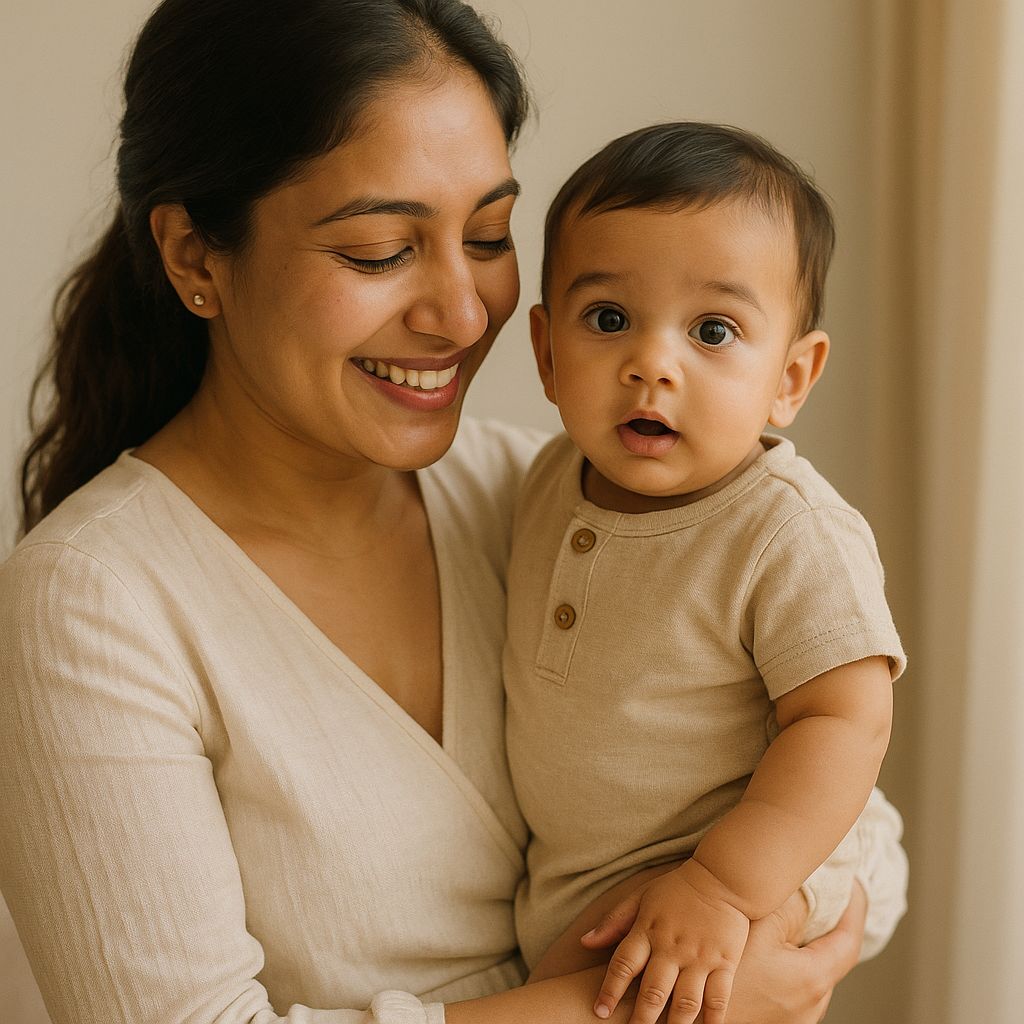
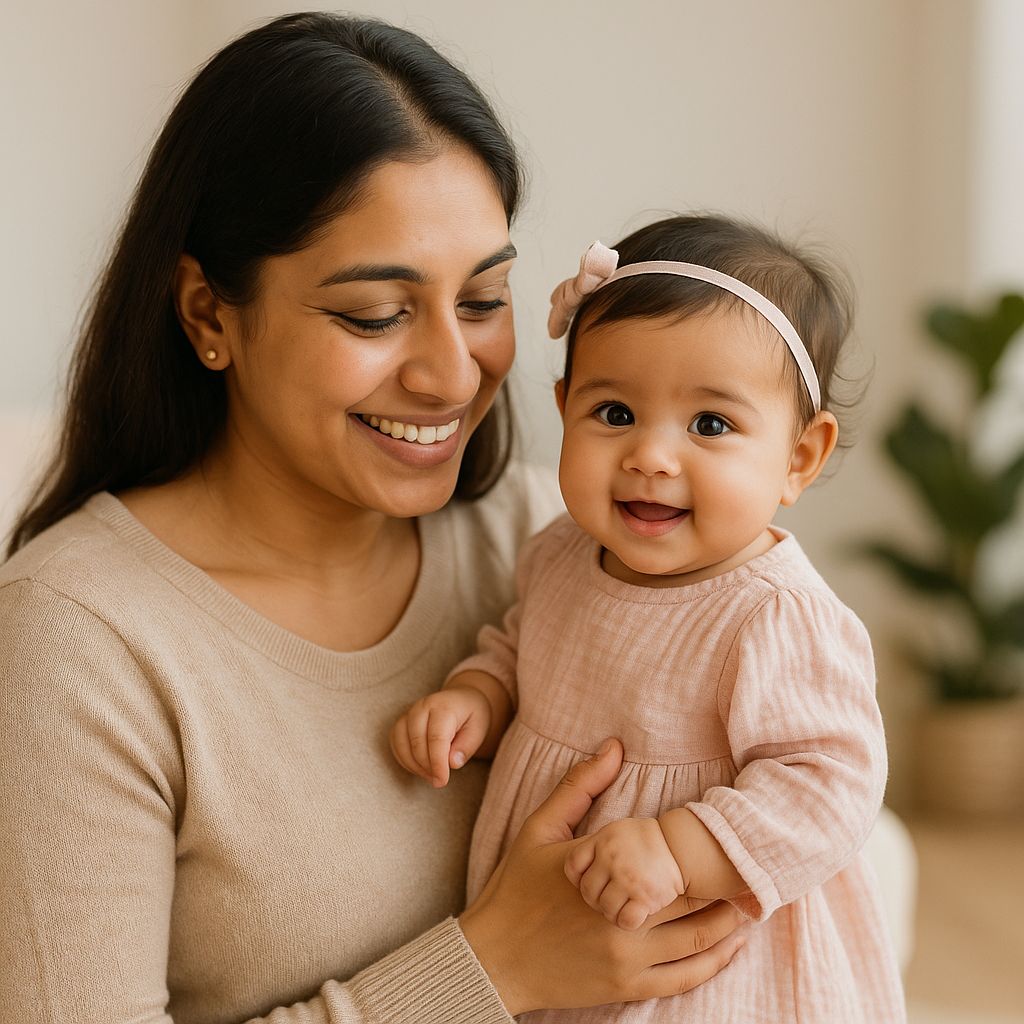
Parents and caregivers are a baby’s first and most influential teachers. The everyday moments you share—feeding, cuddling, playing, or simply talking—provide powerful learning opportunities. You don’t need fancy toys or formal lessons; what matters most is responsive, loving engagement.
Simple Ways to Support Early Learning at Home
- Talk and Listen: Narrate your day, respond to your baby’s sounds, and engage in back-and-forth conversations—even before your child can speak.
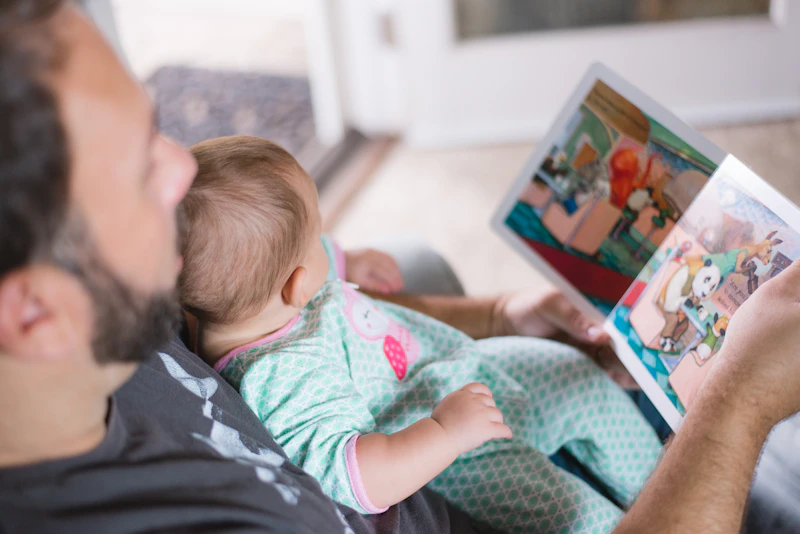
- Read Aloud: Share books with your baby daily. Point to pictures, use different voices, and encourage your child to interact with the story.
- Sing Songs: Music stimulates language and memory. Sing nursery rhymes, clap rhythms, and dance together.
- Play Together: Follow your baby’s interests. Offer safe objects to explore, build with blocks, or play peek-a-boo. Play develops creativity and problem-solving.
- Offer Choices: Let your child make simple decisions—like choosing a toy or a snack. This builds confidence and independence.
- Provide a Safe, Stimulating Environment: Ensure your home is safe for exploration and filled with interesting textures, sounds, and sights.
Recognizing and Supporting Early Milestones
Every child develops at their own pace, but knowing common milestones helps you support your baby’s progress. Look for:
- Smiling and cooing (by 2–3 months)
- Babbling and turning to sounds (by 6 months)
- Sitting, crawling, and standing (by 6–12 months)
- First words and gestures (by 12 months)
- Simple pretend play (by 18–24 months)
If you have concerns about your child’s development, talk with your pediatrician or a child development specialist. Early intervention can make a significant difference.
Common Myths About Early Learning
Despite what you may hear, early learning doesn’t require expensive toys or advanced classes. Let’s debunk a few myths:
- Myth: Babies are too young to learn.
Fact: Babies are constantly learning from birth through their senses and relationships. - Myth: Only formal education matters.
Fact: Informal, everyday interactions have the greatest impact on early development. - Myth: Learning happens only through instruction.
Fact: Play, exploration, and social engagement are essential for early learning.
The Power of Play in Early Learning
Play is the “work” of childhood. It’s how babies make sense of the world, test new ideas, and practice skills. Both free play and guided play have unique benefits:
- Free play encourages independence, creativity, and self-expression.
- Guided play (where an adult joins in) helps babies learn new concepts and language.
Examples of powerful play activities for babies include:
- Peek-a-boo and hiding games (object permanence)
- Stacking blocks (problem-solving and motor skills)
- Imitating sounds and gestures (language and social learning)
- Dancing to music (rhythm, coordination, bonding)
Early Learning and the Bigger Picture
Investing time and attention in your baby’s early learning pays dividends across their lifetime. On a societal level, strong early childhood education programs lead to better outcomes for communities, too—reducing educational gaps, improving health, and fostering engaged citizens.
Frequently Asked Questions About Early Learning
- What age does early learning start?
- Early learning begins at birth and continues through the early childhood years, typically up to age five. Babies are constantly absorbing information from their surroundings right from the start.
- How can parents support early learning at home?
- Parents can support early learning by talking, reading, singing, and playing with their babies. Creating a nurturing and stimulating environment encourages curiosity and builds foundational skills.
- Does early learning affect a child’s future?
- Yes. Studies show that children who receive quality early learning experiences tend to perform better academically and develop stronger social and emotional skills, impacting their lifelong success.
- Is play important for early learning?
- Absolutely. Play is a primary way babies explore, learn about the world, and develop critical skills. Engaging in play helps with language, problem-solving, social, and motor development.
Conclusion: The Gift of Early Learning
Early learning is more than a buzzword—it’s the key to unlocking your child’s unique abilities, confidence, and love of discovery. By nurturing your baby’s curiosity, responding to their needs, and enjoying simple daily moments together, you are laying the groundwork for a bright and successful future. Remember, every giggle, cuddle, and conversation matters. Start early, and watch your little one thrive!
For more expert parenting tips and resources on early learning, visit Growing Giggles: Learning & Education.