
What Affects a Baby’s Growth and Development? Key Factors Explained
Every parent wants their child to thrive, but understanding what influences a baby’s growth and development can be complex. Growth and development encompass not just a baby’s physical size, but also cognitive, emotional, social, and motor skills. The journey from infancy to toddlerhood is filled with remarkable milestones, shaped by a blend of genetic, environmental, and parental factors. In this expert guide, we’ll explore the key influences on your child’s progress, how you can optimize their development, and when to seek help if you notice concerns.
1. Genetics: The Blueprint of Growth
Genetics play a foundational role in determining a baby’s physical attributes, such as height, weight, and even susceptibility to certain health conditions. Inherited genes from both parents set the baseline for growth patterns, organ function, metabolism, and brain development.
- Physical Traits: Hair color, eye color, and even temperament can be traced back to genetics.
- Growth Rate: Some children naturally grow faster or slower, depending on their genetic makeup.
- Health Conditions: Genetic predispositions may affect developmental disorders or chronic illnesses.
While genetics lay the groundwork, they are not the sole determinants. The environment can influence how genes are expressed, meaning that nurturing and care can actively shape outcomes.
2. Nutrition: Fuel for Growing Minds and Bodies
Nutrition is a critical factor affecting baby growth, especially in the first two years of life—often called the “window of opportunity.” Adequate nutrition supports brain development, organ function, immune resilience, and physical growth.
- Breastfeeding: Breast milk provides ideal nutrients and antibodies, supporting immunity and cognitive development.
- Formula Feeding: Modern formulas are designed to mimic breast milk, offering the nutrition necessary for healthy development.
- Introduction of Solids: At around six months, introducing solid foods ensures babies receive essential vitamins and minerals.
- Micronutrients: Iron, calcium, vitamin D, and omega-3 fatty acids are vital for brain and bone health.
Malnutrition, whether from insufficient or excessive intake, can lead to stunted growth, developmental delays, and health problems. Parents should consult with pediatricians to ensure their child’s diet is balanced and age-appropriate.
3. Environment: The World Around Baby
A baby’s immediate environment—including home, family, and community—greatly shapes development. Cleanliness, safety, stimulation, and emotional security are all crucial.
- Physical Safety: A safe home protects against injuries and accidents, allowing babies to explore freely.
- Cleanliness: Good hygiene reduces risk of infections, which can impair growth.
- Stimulation: Exposure to varied sights, sounds, and textures encourages brain development.
- Emotional Security: A loving, stable environment fosters confidence and social skills.
Environmental toxins, like cigarette smoke or lead, can negatively impact development. Parents should ensure their baby’s surroundings are safe, clean, and stimulating.
4. Parental Care and Interaction: Nurturing Development
Responsive, loving care is essential for optimal growth and development. Babies thrive when parents or caregivers are attentive to their needs, provide warmth, and offer stimulation.
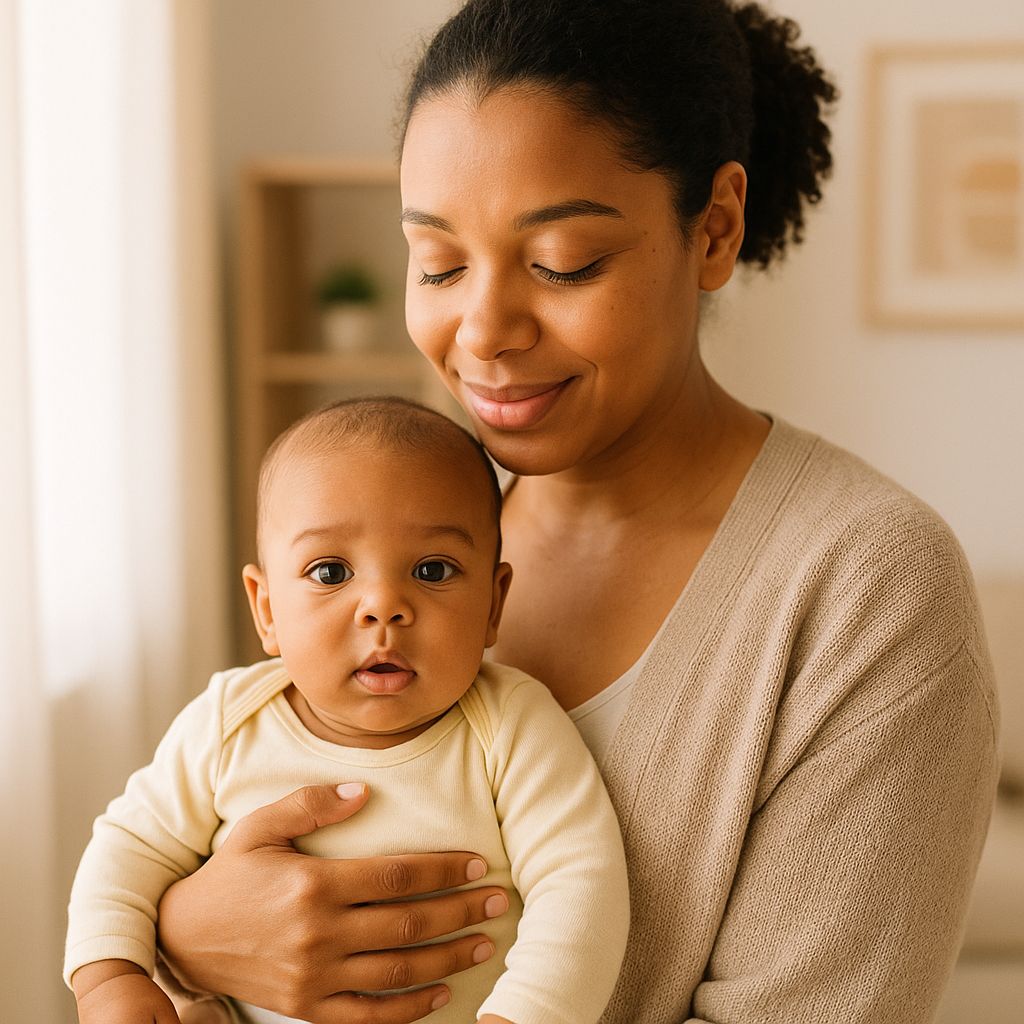
- Bonding: Skin-to-skin contact, cuddling, and eye contact build emotional security.
- Talking and Playing: Talking, singing, and playing support language and cognitive development.
- Routine: Consistent routines help babies feel secure and establish healthy sleep and feeding patterns.
- Observation: Parents who observe and respond to their baby’s cues foster trust and attachment.
Parental stress, neglect, or lack of stimulation can hinder development. It’s important for caregivers to prioritize quality time and seek support when needed.
5. Health and Medical Factors
Babies’ health status influences their growth and development. Regular checkups, immunizations, and early interventions are crucial.
- Birth Weight: Low birth weight can signal underlying health issues and may require extra monitoring.
- Preterm Birth: Premature babies may face developmental challenges and benefit from specialized care.
- Chronic Illnesses: Conditions like congenital heart disease or metabolic disorders can affect growth rates.
- Infections: Frequent infections may hinder development if not managed properly.
Pediatricians track milestones and growth curves to detect potential issues and recommend interventions.
6. Socioeconomic Status and Access to Resources
Families’ socioeconomic status impacts their ability to provide nutritious food, safe housing, medical care, and stimulating environments.
- Access to Healthcare: Regular pediatric visits and immunizations are vital, but may be limited by financial constraints.
- Education: Parents who are informed about child development can better support their children’s needs.
- Nutrition: Food insecurity can lead to malnutrition and developmental delays.
- Community Support: Extended family, social programs, and childcare resources can bolster development.
Advocating for community resources and support systems can help bridge gaps for families facing challenges.
7. Cultural Influences
Cultural beliefs and practices shape parenting styles, nutrition, discipline, and developmental expectations.
- Parenting Styles: Some cultures emphasize independence, others prioritize close family bonds.
- Nutrition Traditions: Cultural foods can affect dietary balance and preferences.
- Milestone Expectations: Cultural norms influence when milestones are expected, such as walking or speaking.
Understanding and respecting cultural differences is important in supporting diverse families.
8. Early Childhood Education and Stimulation
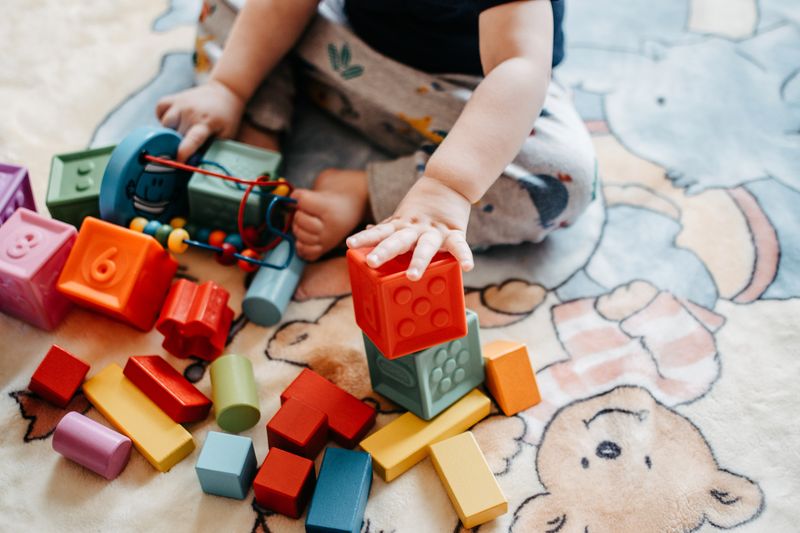
Providing age-appropriate stimulation—through toys, music, books, and play—boosts cognitive, motor, and social development.
- Reading: Reading to babies enhances language skills and imagination.
- Play: Interactive play encourages problem-solving and coordination.
- Music: Exposure to music supports auditory development and emotional expression.
- Exploration: Safe exploration helps babies learn cause and effect, spatial awareness, and confidence.
Parents should offer a variety of experiences and encourage curiosity.
9. Sleep and Rest
Sleep is a vital ingredient in growth and development. Babies need regular, restful sleep to process information, grow, and repair tissues.
- Sleep Patterns: Newborns require 14-17 hours of sleep daily; toddlers need 11-14 hours.
- Sleep Environment: Quiet, dark, and safe spaces promote restful sleep.
- Impact on Development: Poor sleep can affect mood, cognitive function, and physical growth.
Establishing healthy sleep routines is just as important as nutrition.
10. Emotional Well-Being
Emotional health is intertwined with physical and cognitive development. Babies who feel loved, secure, and valued are more likely to develop confidence, resilience, and social skills.
- Attachment: Secure attachment allows babies to explore the world safely.
- Stress: Chronic stress or exposure to conflict can disrupt growth and brain development.
- Support: Early intervention and counseling can help families manage emotional challenges.
Fostering a warm, supportive environment helps babies build strong emotional foundations.
Signs of Healthy Growth and Development
Every child is unique, but there are general milestones parents can watch for:
- Steady weight and height gain
- Reaching physical milestones (rolling over, sitting, crawling, walking)
- Responsive to voices and faces
- Babbles, coos, and eventually forms words
- Shows curiosity and interest in surroundings
- Forms attachment to caregivers
If you notice significant delays or concerns, don’t hesitate to consult your pediatrician for guidance.
How Parents Can Support Optimal Development
Here are actionable steps parents can take to nurture their baby’s growth:
- Provide balanced nutrition and ensure regular feeding
- Establish safe, clean, and stimulating environments
- Engage in responsive, loving interactions
- Encourage exploration and play
- Maintain regular pediatric checkups
- Monitor milestones and seek help if needed
- Advocate for resources and support when facing challenges
Conclusion
Understanding what affects a baby’s growth and development can empower parents to foster optimal progress. Genetics, nutrition, environment, parental care, health, and emotional well-being all play vital roles. By staying informed, nurturing, and proactive, you can support your child’s journey through infancy and beyond. If you ever have concerns, early intervention is key—consult your healthcare provider to ensure your baby receives the best possible start in life.
Frequently Asked Questions
- How do genetics influence a baby’s growth and development?
- Genetics set the foundation for a baby’s physical traits, growth rate, and even predisposition to certain health conditions. However, environmental and parental factors can modify genetic potential.
- Can nutrition really make a difference in my baby’s development?
- Yes. Proper nutrition, especially during the first years, is crucial for brain development, physical growth, and immune system strength. Breastfeeding, formula, and later solid foods all play vital roles.
- How important is parental interaction for my baby's development?
- Parental interaction is essential. Responsive care, talking, playing, and emotional support help build cognitive abilities, social skills, and emotional security.
- When should I be concerned about my baby’s growth or development?
- If you notice significant delays in milestones (like sitting, crawling, talking), or your baby isn’t gaining weight appropriately, consult your pediatrician for early assessment and support.