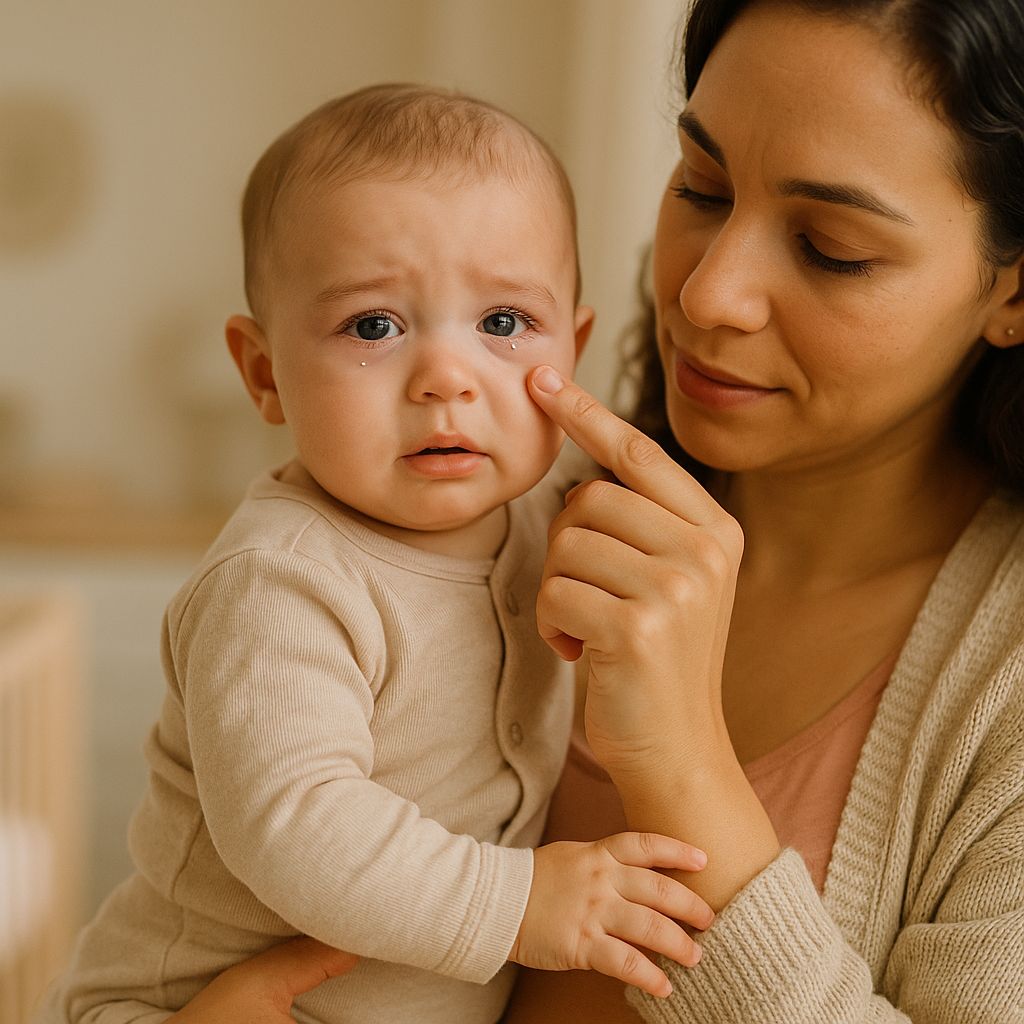

Watery Eyes in Babies: Common Causes and Simple Home Care
Few things are as concerning to parents as noticing their baby's eyes constantly watering, tearing up, or producing discharge. While watery eyes in babies can be alarming, it's important to know that this is a common issue, especially in newborns and infants. Understanding the causes and how to care for your baby's sensitive eyes can offer reassurance and help you determine when to seek medical attention.
Why Do Babies Have Watery Eyes?
Watery eyes in infants, also called epiphora, happen when there is an imbalance in tear production or drainage. Tears are essential for keeping the eyes moist and protecting them from irritants and infection. However, if tears can't drain properly or if too many are produced, they may overflow onto the cheeks.
How the Tear Drainage System Works
Each time your baby blinks, tears are spread across the eye and then drain through small openings called puncta, located at the inner corners of the eyelids. From there, tears travel through the nasolacrimal duct (tear duct) into the nose. If this passage is blocked, tears will pool and spill out instead of draining.
Common Causes of Watery Eyes in Babies
- Blocked Tear Duct (Nasolacrimal Duct Obstruction): The most frequent cause of watery eyes in babies, especially in newborns. Up to 20% of infants are born with a tear duct that isn't fully open, leading to constant tearing and sometimes mild discharge.
- Neonatal Conjunctivitis (Ophthalmia Neonatorum): An eye infection acquired during birth, especially if the mother has a vaginal infection. It may cause watery eyes, redness, and pus.
- Viral or Bacterial Conjunctivitis: Pink eye caused by germs can also result in watery eyes, often accompanied by redness, swelling, and sticky discharge.
- Allergies: Less common in infants, but exposure to dust, pet dander, or pollen can cause watery, itchy eyes.
- Irritants: Smoke, wind, harsh soaps, or shampoo can irritate a baby's sensitive eyes and trigger tearing.
- Other Rare Conditions: Structural eye problems, glaucoma, or eyelid malposition are uncommon but possible causes.
Recognizing Symptoms: When Is Watery Eyes a Problem?
While mild tearing is usually harmless, be alert for these signs that may require medical attention:
- Persistent redness or swelling around the eye
- Thick yellow or green eye discharge
- Fever or irritability
- Baby rubbing or scratching at their eyes
- Swelling of the eyelids
- Light sensitivity or difficulty opening the eye
Always trust your instincts. If your baby’s symptoms worsen or you notice anything unusual, consult your pediatrician promptly.
Blocked Tear Duct: The Most Common Culprit
The majority of cases of watery eyes in newborns are caused by a blocked tear duct. This condition usually presents within the first few weeks of life and can affect one or both eyes. It's reassuring to know that over 90% of blocked tear ducts resolve on their own by the baby’s first birthday.
Signs of a Blocked Tear Duct
- Constant tearing, even when the baby isn’t crying
- Pooling of tears along the lower eyelid
- Crusting or mild discharge, especially after naps
- Occasional mild redness of the skin below the eye
Simple Home Care for Watery Eyes in Babies
For most babies, home care can alleviate symptoms and prevent complications. Here are expert-recommended strategies:
1. Gentle Tear Duct Massage
If your pediatrician suspects a blocked tear duct, they may recommend a gentle massage technique. This can help open the duct and encourage drainage.
- Wash your hands thoroughly.
- Using your clean finger, locate the area just below the inner corner of your baby's eye (near the side of the nose).
- Apply gentle downward pressure in a circular motion, about 2-3 times, several times a day.
Ask your doctor for a demonstration to ensure you’re doing it correctly.
2. Keep the Eye Area Clean
- Use a clean, soft cotton pad or gauze moistened with warm water.
- Wipe away any discharge, always moving from the inside (near the nose) outward.
- Never use the same cloth for both eyes to prevent spreading infection.
3. Monitor for Infection
Check your baby’s eyes daily for signs of infection, such as increased redness, swelling, or pus. If you notice these symptoms, call your pediatrician.
4. Avoid Irritants
- Keep your baby away from cigarette smoke, perfumes, and strong cleaning products.
- Use gentle, tear-free baby shampoos and soaps.
5. Hand Hygiene
- Wash your hands before and after touching your baby’s eyes.
- Discourage older siblings from touching the baby's face or eyes.
When to See a Doctor
While blocked tear ducts and mild watery eyes often resolve without treatment, seek medical attention if:
- Watery eyes persist beyond 9-12 months of age
- There is significant redness, swelling, or pain
- Discharge becomes thick, yellow, or green
- Your baby develops a fever or appears unwell
- There are any changes in vision or your baby avoids opening their eyes
In some cases, your pediatrician may prescribe antibiotic eye drops or refer you to a pediatric ophthalmologist for further evaluation.
Medical Treatments for Persistent Cases
If a blocked tear duct doesn’t resolve by 12 months or if infections recur, your doctor may recommend:
- Probing: A minor procedure done by an eye specialist to gently open the blocked duct.
- Antibiotic eye drops/ointment: Used for bacterial infections.
- Surgical procedures: Rarely needed for persistent or complex cases.
Preventing Eye Problems in Babies
While you can’t always prevent watery eyes, you can help protect your baby’s eyes by:
- Practicing good hand and face hygiene
- Avoiding exposure to sick contacts
- Using gentle products for bathing and cleaning
- Monitoring for early signs of infection
Frequently Asked Questions About Watery Eyes in Babies
- Is it normal for newborns to have watery eyes?
- Yes, many newborns have watery eyes due to blocked tear ducts. This usually resolves on its own within the first year.
- How can I tell if my baby's watery eyes are caused by an infection?
- Look for redness, swelling, yellow or green discharge, and your baby rubbing their eyes. These may indicate an infection and should be evaluated by a doctor.
- What home remedies can help with watery eyes in babies?
- Gentle tear duct massage, keeping the eye area clean, and using a warm damp cloth to wipe away discharge can help. Always consult your pediatrician for persistent symptoms.
- When should I take my baby to the doctor for watery eyes?
- If symptoms persist, are severe, or are accompanied by fever, redness, or swelling, consult your pediatrician promptly.
Conclusion
Watery eyes in babies are common and, in most cases, harmless. The most frequent cause is a blocked tear duct, which typically resolves without intervention as your baby grows. Simple home care—such as gentle massage, keeping the area clean, and maintaining good hygiene—can provide relief and prevent complications.
However, be vigilant for signs of infection or persistent symptoms and do not hesitate to consult your pediatrician. Timely medical assessment ensures your baby’s eyes remain healthy and comfortable, allowing you both to enjoy those bright-eyed, giggling moments together.