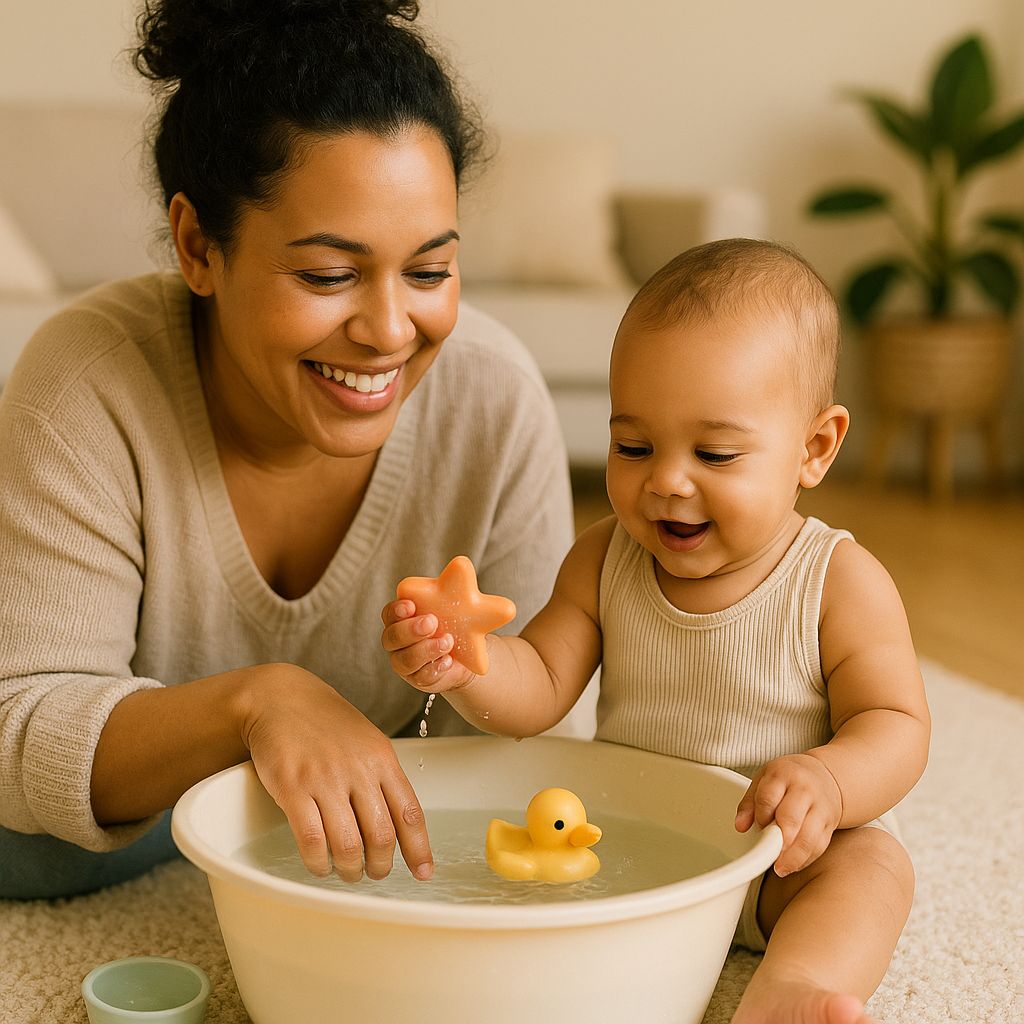

Water Play Ideas for Babies: Safe, Fun, and Developmental Activities
Looking for creative and safe ways to introduce your baby to the wonders of water? Water play is more than just splashing around – it’s a sensory-rich, developmental adventure that helps babies explore textures, temperatures, and movement, all while strengthening their bodies and minds. In this guide, we’ll share our favorite water play ideas for babies, along with tips for safety, developmental benefits, and how to make water play a magical bonding experience for your family.
Why Is Water Play Great for Babies?
Water play is more than a summertime treat. It’s a fantastic opportunity for babies to learn, grow, and connect with their caregivers. Here’s why water play is a must for early development:
- Sensory Stimulation: Water introduces new textures, sounds, and temperatures, engaging all the senses.
- Motor Skills: Scooping, splashing, and reaching help develop fine and gross motor abilities.
- Cognitive Development: Watching water pour and swirl builds cause-and-effect understanding.
- Social Bonding: Water play is a wonderful way for parents and babies to interact and create joyful memories.
Safety First: Tips for Water Play with Babies
- Always supervise your baby during any water activity. Never leave them unattended, even for a second.
- Use only a shallow amount of water (just enough to splash) – a few centimeters is plenty for infants.
- Choose non-slip mats for tubs or play areas to prevent slips and falls.
- Keep water at a safe, lukewarm temperature (about 37°C/98.6°F).
- Store all electrical items far away from water play zones.
- Dry your baby thoroughly and keep them warm after water play to avoid chills.
Indoor Water Play Ideas for Babies
Rainy day? No problem! Here are some easy and mess-friendly indoor water play activities perfect for your baby’s age and stage.
1. Sensory Water Bins
Fill a shallow plastic bin with warm water. Add floating toys, plastic spoons, cups, or soft sponges. Let your baby swish, scoop, and explore as you describe the sensations (“Look, the water feels cool!”). For younger babies, support them in your lap and let them splash with their hands and feet.
2. Bubble Bath Fun
Make bath time a playtime! Add a small amount of baby-safe bubble bath to the tub. Encourage your baby to pop bubbles, catch them, or watch them float. Try singing songs or playing peek-a-boo with handfuls of bubbles for giggles galore.
3. Floating and Sinking Experiments
Introduce the concept of floating and sinking by adding lightweight (like rubber ducks) and heavier (like bath blocks) toys to the water. Help your baby notice which ones float and which ones sink. This is a simple way to spark curiosity and early scientific thinking.
4. Water Painting
Give your baby a large paintbrush and a tray of water. Let them “paint” on a piece of construction paper, a chalkboard, or even the bathtub wall. Watch the water marks appear and fade – no mess, just fun!
5. Pouring Practice
Offer small cups or containers for your baby to practice pouring water from one to another. This helps develop hand-eye coordination and introduces volume and measurement, even if most of the water ends up on the floor!
Outdoor Water Play Ideas for Babies
On sunny days, take the water fun outside! Outdoor water play offers more room to splash and explore (and is easier to clean up!).
6. Splash Mats or Baby Pools
Set up a baby splash mat or a small inflatable pool in the shade. Add a few favorite bath toys and let your baby kick, splash, and lounge. Always stay close – babies can tip over easily, even in shallow water.
7. Water Table Exploration
Water tables are perfect for standing babies and toddlers. Fill with a few inches of water, add cups, boats, and scoops. Let your baby experiment with pouring, floating, and stirring. Don’t have a water table? A shallow bin on a low table works, too.
8. Sprinkler Play
For older babies (who can sit steadily), try a gentle garden sprinkler on low. Sit together and let the mist tickle your skin. It’s a delightful way to cool off and encourage movement.
9. Nature Water Play
Fill a bucket with water and add natural items like leaves, flowers, or pebbles (large enough not to be choking hazards). Let your baby watch them float or swirl. This introduces new textures and colors, sparking curiosity about the natural world.
10. Washing Station
Turn water play into pretend play! Set up a “baby car wash” for toy cars or a “baby bath” for dolls. Use gentle cloths and sponges to wash and rinse together. This helps your baby practice caregiving skills and understand routines.
Developmental Benefits of Water Play for Babies
Each splash, scoop, and giggle helps your baby learn and grow. Here’s how water play supports healthy development:
- Physical Skills: Reaching, grasping, and splashing build arm and core strength.
- Sensory Processing: Water, bubbles, and toys stimulate touch, sight, sound, and even smell.
- Cognitive Growth: Pouring, filling, and watching cause-and-effect in action spark curiosity and problem-solving.
- Language Development: Narrate your play! Naming actions, objects, and sensations boosts early language skills.
- Social-Emotional Bonding: Shared laughter, eye contact, and play deepen your connection.
Adapt Water Play for Your Baby’s Age and Stage
Every baby is different. The best water activities match your baby’s developmental stage and interests. Here are a few tips:
- Newborns (0-3 months): Stick to gentle sponge baths and let your baby kick in a few centimeters of water while you hold them securely.
- Young Infants (3-6 months): Offer hand and foot splashing in shallow water. Show floating toys and let baby reach and touch.
- Older Babies (6-12 months): Encourage pouring, scooping, and picking up small toys. Try water tables and outdoor splashing.
- Crawlers and Early Walkers (12+ months): Offer more active play like sprinklers, larger splash mats, and pretend washing stations.
What to Avoid During Water Play
- Never leave your baby alone near water, even briefly.
- Avoid deep water or large pools until your child is older and can swim with floats and constant supervision.
- Skip hard or sharp objects in water bins, and always check for choking hazards.
- Be cautious with soapy or bubble baths – use only tear-free, baby-safe products in small amounts.
Making Water Play a Joyful Routine
Water play doesn’t need to be elaborate or expensive. The simple act of splashing in a sink or tub can be the highlight of your baby’s day. Try to include water play a few times a week, adjusting activities to your baby’s mood and the weather. Most importantly, let your baby lead – follow their curiosity and enjoy the fun together!
Quick Clean-Up Tips
- Keep towels and a change of clothes handy.
- Use a plastic mat or play in the bathroom for easy cleanup.
- Clean and dry toys after each use to avoid mold or mildew.
Conclusion
Water play is a wonderful way to fuel your baby’s curiosity, creativity, and connection with you. With a few household items and a dash of imagination, every splash can become a learning adventure. Remember: safety first, smiles always, and get ready for lots of giggles!