
How to Use Baby Essentials Safely and Effectively: A Parent’s Ultimate Guide
Bringing home a new baby is both exhilarating and overwhelming. With a nursery full of baby gear, it's easy to feel lost in a sea of instructions, recommendations, and well-meaning advice. But the most important thing? Using baby essentials safely and effectively so your little one stays protected, comfortable, and happy.
Why Baby Essentials Safety Matters
Babies are curious, tiny explorers, and their safety depends on us understanding how to use everything from cribs to car seats correctly. Each year, thousands of infants are injured due to improper use of baby products. By understanding best practices, you can avoid common mistakes and create a safer home environment.
Common Baby Essentials and How to Use Them Safely
1. Car Seats
- Installation: Always read the manufacturer’s manual and your vehicle’s manual. More than half of car seats are installed incorrectly, so use the NHTSA guidelines and consider a local car seat check.
- Rear-facing: Keep your baby rear-facing as long as possible (up to the seat’s height or weight limit).
- Strap Safety: The harness should be snug with the chest clip at armpit level—no bulky coats in the seat!
- Avoid Used Seats: Never use a car seat that’s expired, recalled, or has been in an accident.
2. Cribs & Sleep Gear
- Assembly: Follow step-by-step instructions, double-checking every screw and latch. Only use parts from the original manufacturer.
- Bedding: Keep the crib bare—no pillows, bumpers, or stuffed animals to reduce the risk of SIDS.
- Mattress: Ensure a snug fit (no more than two fingers between mattress and crib sides).
- Recalls: Register your crib with the manufacturer and check for recalls regularly.
3. Strollers
- Assembly: Make sure all parts click into place and lock securely. Follow the manual for first-time setup.
- Harness Up: Always buckle the harness—even for short trips.
- Weight Limit: Don’t exceed the stroller’s recommended weight or height limit.
- Brakes: Use the brakes every time you stop, even briefly.
- Storage: Don’t hang heavy bags on the handles; it can tip the stroller backward.
4. Baby Carriers & Slings
- Positioning: Keep baby’s face visible and close enough to kiss. Their chin should not rest on their chest.
- Check Fastenings: Inspect buckles, straps, and fabric for wear before each use.
- Follow Age/Weight Guidelines: Not all carriers are suitable for newborns. Always check the label.
5. High Chairs
- Assembly: Securely attach all parts, and ensure the tray locks into place.
- Harness: Use the safety straps every time, even if your baby is just snacking.
- Location: Keep the high chair away from walls, counters, or anything the baby could push off of and tip the chair.
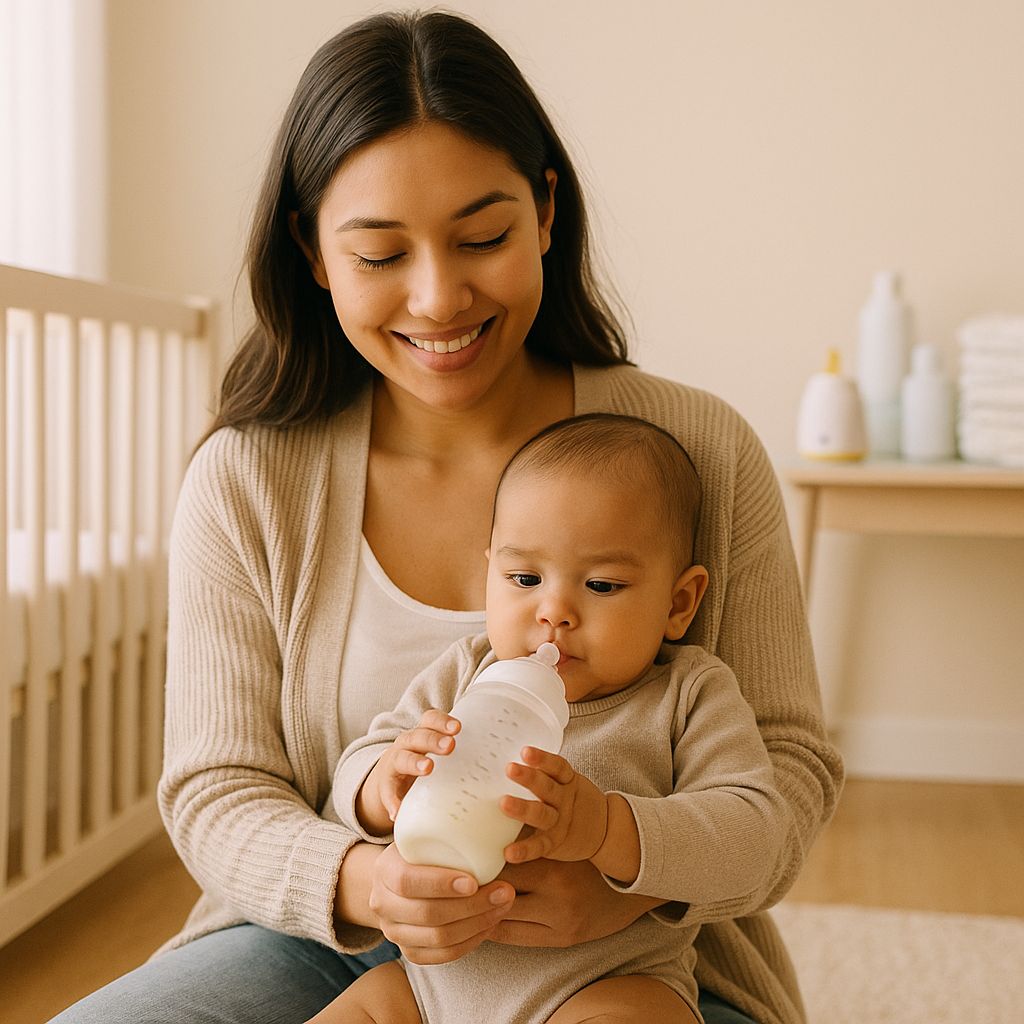
6. Bottles and Feeding Gear
- Sterilize: Before first use and regularly thereafter, sterilize bottles, nipples, and pacifiers.
- Check for Wear: Replace nipples that are cracked or sticky. Don’t use bottles with chips or cracks.
- Heating: Avoid microwaving bottles; use a bottle warmer or bowl of hot water to heat milk evenly.
7. Changing Tables
- Never Leave Unattended: Always keep one hand on your baby during changes.
- Straps: Use the safety strap, but don’t rely on it alone.
- Supplies: Keep diapers, wipes, and creams within reach.
8. Baby Monitors
- Placement: Place cameras and cords at least 3 feet away from the crib to avoid strangulation hazards.
- Check Functionality: Test the monitor regularly to ensure it’s working and in range.
9. Bath Time Gear
- Temperature: Water should be lukewarm—test with your elbow or a bath thermometer (about 100°F/38°C).
- Never Leave Baby Alone: Not even for a second. Gather all supplies beforehand.
- Support: Use a non-slip bath seat for infants who can’t sit unassisted, but always supervise closely.
General Tips for Safe, Effective Baby Gear Use
- Read Manuals Thoroughly: Keep them handy for reference.
- Register Your Products: This ensures you’ll be notified about recalls or important updates.
- Inspect Often: Look for missing parts, loose screws, or signs of damage.
- Stay Up to Date: Check trusted sources like the CPSC for recalls or new safety recommendations.
- Keep Essentials Clean: Follow manufacturer cleaning guidelines to prevent mold, bacteria, and grime.
- Store Properly: Store items in clean, dry areas, away from pets and pests. Fold strollers and carriers safely out of baby’s reach.
What to Avoid: Common Baby Gear Mistakes
- Using products beyond their expiration date or weight limit.
- Adding aftermarket products (like car seat covers or crib bumpers) that aren’t approved by the manufacturer.
- Skipping harnesses or straps, even for short periods.
- Ignoring recalls or using second-hand gear without checking its history.
Creating a Safe Baby Environment: Room by Room
Safety isn’t just about individual products—it’s about your whole home. Here’s how to set up safe baby zones:
- Nursery: Anchor furniture to walls, keep cords out of reach, and install outlet covers.
- Bathroom: Lock up cleaning supplies, and use non-slip mats.
- Living Areas: Use gates to block stairs, and keep small objects off low tables.
- Car: Remove loose items that could become projectiles and keep emergency supplies handy.
When in Doubt, Ask for Help
If you’re unsure about assembling or using a baby product, don’t hesitate to ask for help! Many hospitals, fire stations, and local parenting groups offer car seat checks or parenting classes. Your pediatrician is also a great resource for questions about gear and safe sleep.
Conclusion: Safety and Confidence Go Hand in Hand
Knowing how to use baby essentials safely and effectively gives you peace of mind, so you can focus on what really matters—enjoying those precious first years with your baby. Take your time, read instructions, and trust your instincts. You’ve got this!
Key Takeaways
- Always follow manufacturer guidelines and register your products for recall alerts.
- Inspect and clean baby gear regularly.
- Never leave your baby unattended on high surfaces or in the bath.
- Prioritize age-appropriate, up-to-date gear for every stage.
FAQ: Using Baby Essentials Safely
- How often should I check my baby gear for safety?
- You should inspect your baby essentials before every use and perform a thorough safety check at least once a month. Look for recalls, signs of wear, and ensure all parts are functioning properly.
- Is it safe to use second-hand baby products?
- Some second-hand items, like clothes or books, may be fine. However, avoid using used car seats, cribs, or anything with worn parts, as they may not meet current safety standards or have hidden damage.
- What’s the most important baby essential for new parents?
- A properly installed, up-to-date car seat is essential for newborns and infants. It’s legally required and vital for your baby’s safety during travel.
- How can I keep baby products clean and safe?
- Follow manufacturer instructions for cleaning. Wash fabrics frequently, sanitize bottles after each use, and store items in clean, dry places away from pets and pests.
By being proactive, informed, and attentive, you’re not just keeping your baby safe—you’re setting the foundation for a lifetime of healthy habits. Happy parenting!