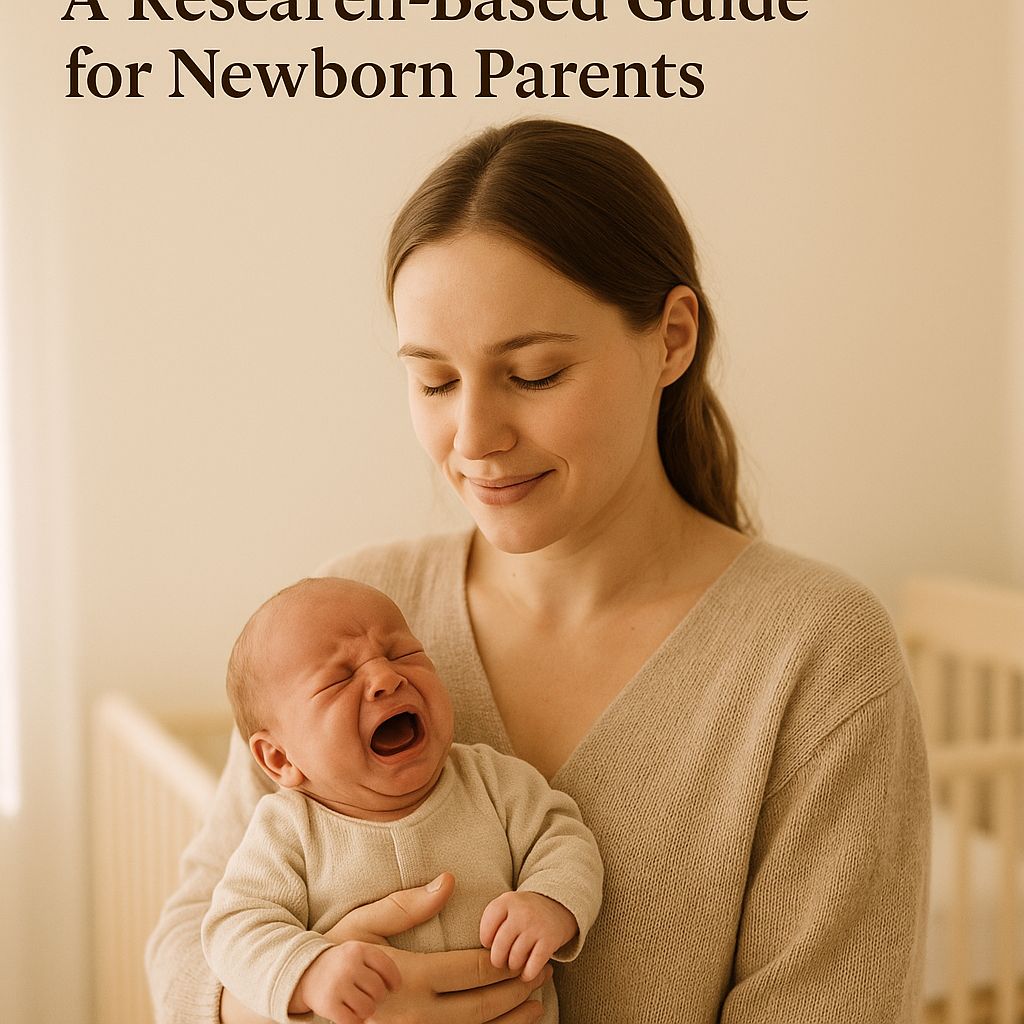

Understanding Different Types of Baby Cries: A Clinical, Research-Based Guide for Newborn Parents
Crying is the newborn’s primary form of communication. For new parents, deciphering these vocal cues can be challenging, especially given the complexity and variability of infant crying. However, clinical research and observational studies have shown that baby cries are not random; they are specific signals reflecting a range of needs and emotional states. This article provides a comprehensive, research-based overview of the different types of baby cries, their physiological and psychological underpinnings, and evidence-backed strategies for effective soothing.
The Importance of Crying in Newborns
From birth, newborns rely on crying to express needs, discomfort, and emotional states. According to the Journal of Pediatrics, crying serves multiple functions:
- Communication: Alerts caregivers to essential needs (hunger, pain, discomfort).
- Biological Regulation: Facilitates homeostasis by prompting responses that maintain warmth, nutrition, and comfort.
- Bonding: Initiates caregiver-infant interactions, promoting attachment and emotional development.
Research on Cry Patterns and Types
Several studies have analyzed the acoustic properties, behavioral cues, and physiological responses associated with different baby cries. Notably, the work of Dr. Priscilla Dunstan and subsequent research in neonatal medicine have categorized cries into distinct types:
- Hunger Cry
- Pain Cry
- Discomfort Cry
- Fatigue Cry
- Attention-Seeking Cry
- Overstimulation Cry
Each cry type is characterized by unique sound patterns, pitch, rhythm, and accompanying behaviors.
1. Hunger Cry
The hunger cry is the most common signal in newborns, often occurring every 2–3 hours. Clinical observations note:
- Sound: Rhythmic, low-pitched, repetitive.
- Intensity: Starts soft, escalates if unmet.
- Behavior: Sucking motions, rooting reflex (turning head toward touch), clenched fists.
Research (Pediatrics, 2013) indicates that prompt feeding reduces stress and supports healthy weight gain.
2. Pain Cry
Pain cries are distinct and universally recognized:
- Sound: Sharp, high-pitched, sudden onset.
- Intensity: Loud, persistent, difficult to soothe.
- Behavior: Facial grimacing, rigid body, possible arching of the back.
Studies in neonatal units show that pain cries often prompt immediate medical assessment. Causes can include gas, colic, or injury.
3. Discomfort Cry
This cry signals physical discomfort (wet diaper, temperature issues, clothing irritation):
- Sound: Whiny, less intense than pain cry.
- Rhythm: Irregular, intermittent.
- Behavior: Squirming, grimacing, pulling at clothing or diaper.
Addressing the environment often resolves this cry quickly.
4. Fatigue Cry
When a newborn is tired, the cry reflects exhaustion:
- Sound: Weak, nasal, often accompanied by yawning.
- Rhythm: Fussy, intermittent.
- Behavior: Rubbing eyes, decreased activity, droopy eyelids.
Sleep research indicates that prompt response to fatigue cues improves sleep quality and reduces overtiredness.
5. Attention-Seeking Cry
This cry is often linked to emotional needs and the desire for closeness:
- Sound: Soft, intermittent, escalating if ignored.
- Behavior: Reaching out, seeking eye contact.
Responsive parenting, according to attachment theory, strengthens emotional bonds and supports neurodevelopment.
6. Overstimulation Cry
Newborns are sensitive to their environment. Overstimulation (bright lights, noise, activity) can trigger:
- Sound: Frantic, high-pitched, inconsistent.
- Behavior: Turning away, flailing arms, crying harder when held.
Reducing stimuli and creating a calm environment is an evidence-backed solution.
Acoustic Analysis of Baby Cries
Advanced studies using spectrograms and acoustic analysis (e.g., Frontiers in Psychology, 2019) confirm that the frequency, duration, and modulation of cries differ according to the underlying need:
- Hunger: Frequency range 400–600 Hz, rhythmic.
- Pain: Peaks up to 1000 Hz, abrupt onset.
- Discomfort: Variable frequency, softer.
These findings assist clinicians and parents alike in distinguishing cries objectively.
Behavioral and Physiological Cues
Understanding cries involves more than listening. Combining auditory cues with behavioral and physiological signals enhances accuracy:
- Facial Expressions: Furrowed brows, clenched jaws, open mouth.
- Body Movements: Kicking, arching, squirming.
- Vital Signs: Increased heart rate, flushed skin, sweating (for pain).
Clinical guidelines recommend systematic observation for comprehensive assessment.
Common Challenges in Decoding Cries
Parents often face difficulties distinguishing between cry types, especially in the first weeks postpartum. Factors contributing to confusion include:
- Individual Variability: Each infant has unique crying patterns.
- Overlapping Needs: Hunger and fatigue may co-occur.
- Parental Fatigue: Sleep deprivation can impair cue recognition.
Clinical support and education improve parental confidence and reduce stress.
Evidence-Based Soothing Strategies
Once a cry is identified, targeted interventions can effectively soothe the infant:
- Hunger: Feed promptly; observe for cues before crying escalates.
- Pain: Address medical issues, provide gentle holding, consult healthcare providers if persistent.
- Discomfort: Change diapers, adjust clothing, modify room temperature.
- Fatigue: Establish sleep routines; use swaddling, rocking, dim lighting.
- Attention-Seeking: Hold, cuddle, maintain eye contact, speak softly.
- Overstimulation: Reduce sensory input; retreat to a quiet, dim room.
Research (Harvard Center on the Developing Child, 2017) supports responsive caregiving as fundamental to emotional and neurological health.
When to Seek Medical Attention
Some cries may indicate underlying health issues. Seek medical evaluation if:
- Crying is incessant, accompanied by fever, vomiting, or lethargy.
- Baby is difficult to console, shows signs of pain, or has abnormal breathing.
- There are concerns about colic, reflux, or feeding difficulties.
Prompt intervention ensures safety and supports optimal development.
Supporting Parental Wellbeing
Decoding cries is emotionally taxing. Clinical studies recommend:
- Utilizing support networks (family, peer groups, healthcare professionals).
- Practicing self-care, mindfulness, and stress reduction.
- Seeking education through parenting classes or trusted resources.
Parental self-efficacy correlates with improved infant outcomes and reduced postpartum distress.
Summary Table: Types of Baby Cries
| Cry Type | Sound Characteristics | Behavioral Cues | Recommended Response |
|---|---|---|---|
| Hunger | Rhythmic, low-pitched, escalating | Sucking, rooting, clenched fists | Feed promptly |
| Pain | Sharp, high-pitched, sudden | Rigid body, grimacing | Assess for injury, medical attention |
| Discomfort | Whiny, intermittent | Squirming, grimacing | Change diaper, adjust clothing |
| Fatigue | Weak, nasal, fussy | Yawning, rubbing eyes | Initiate sleep routine |
| Attention-Seeking | Soft, escalating | Reaching, eye contact | Cuddle, respond emotionally |
| Overstimulation | Frantic, inconsistent | Turning away, flailing | Reduce stimuli, calm environment |
Conclusion
Understanding the different types of baby cries is foundational for newborn care. Clinical and research-based evidence demonstrates that cries are purposeful signals, each reflecting specific physiological or emotional needs. By decoding these cues, parents can provide timely, appropriate care, foster secure attachment, and enhance both infant wellbeing and parental confidence. Education, observation, and responsive caregiving are key to navigating the early months of parenthood.
References
- Journal of Pediatrics. (2013). "Crying Patterns and Their Clinical Significance in Newborns."
- Frontiers in Psychology. (2019). "Acoustic Features of Infant Crying."
- Harvard Center on the Developing Child. (2017). "Responsive Parenting and Child Development."
- Dunstan, P. (2006). "Infant Cry Language."
Frequently Asked Questions
- How can parents distinguish between hunger and pain cries in newborns?
- Hunger cries often start softly and build in intensity, featuring rhythmic patterns and sucking motions. Pain cries are typically high-pitched, intense, and sudden, with facial grimacing. Observing both the cry's sound and accompanying behaviors helps differentiate between the two.
- Are all baby cries the same, or do they change as the child grows?
- Crying patterns evolve with age, but newborns display distinct cries for hunger, pain, discomfort, and attention. As infants mature, cries become more varied and can reflect emotional states, not just physiological needs.
- What should parents do if they cannot identify the cause of their baby's cry?
- If the cause is unclear, systematically check for hunger, diaper needs, temperature, pain, and overstimulation. If the cry persists and is accompanied by signs of illness or distress, consult a pediatrician promptly.