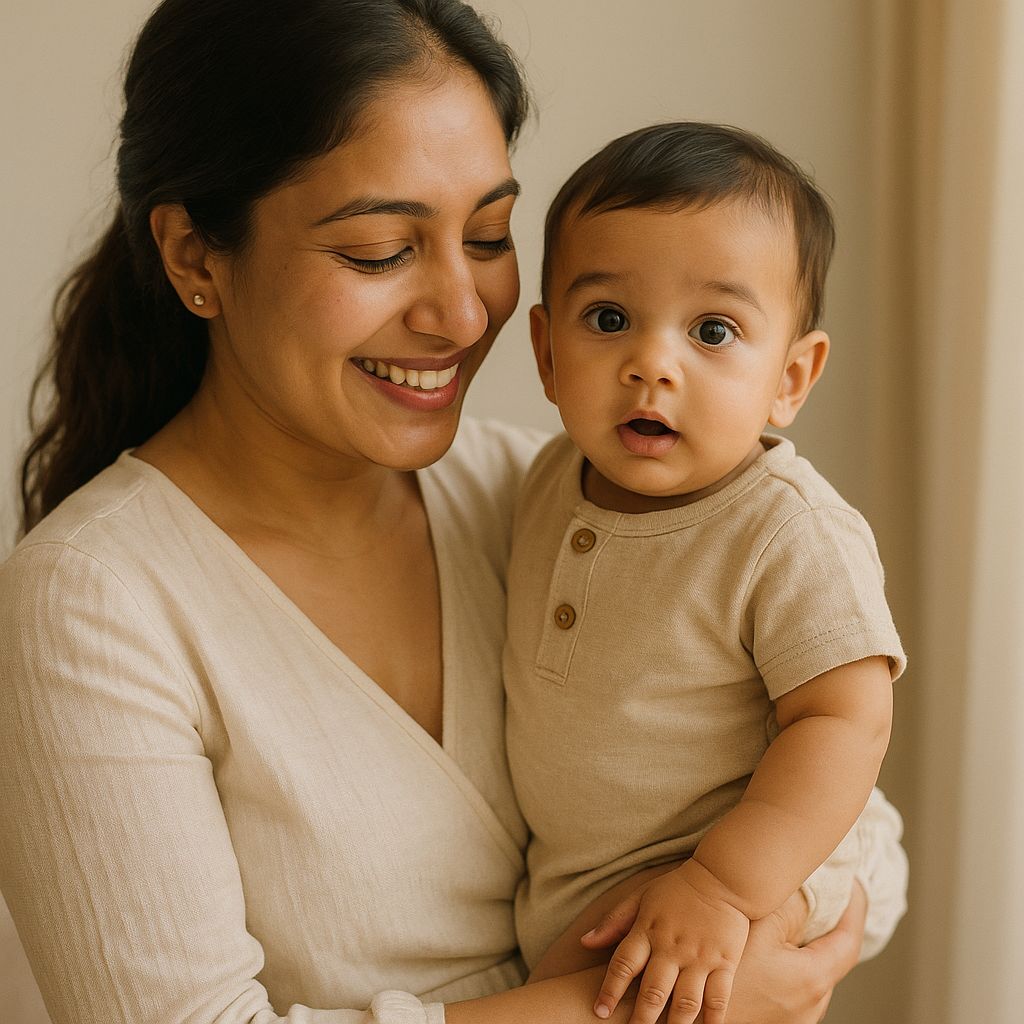

Understanding Baby Growth and Development: A Complete Guide
From the first smile to the first steps, every moment in your baby’s growth and development is precious—and understanding these stages is fundamental for nurturing a healthy, thriving child. This comprehensive guide explores the science behind baby growth, reveals the milestones parents should expect, and offers expert advice on supporting your child’s journey from infancy through early childhood.
Why Is Baby Growth and Development Important?
Baby growth and development encompass the physical, cognitive, social, and emotional changes that occur from birth onward. These processes are shaped by genetics, environment, nutrition, and parental interaction. Understanding them helps parents identify normal progress, support their child’s needs, and spot potential concerns early for timely intervention.
Stages of Baby Growth and Development
- Newborn (0–2 Months): Rapid physical changes, sensory exploration, and bonding.
- Infant (2–12 Months): Motor skills, communication, emotional attachment, and curiosity.
- Toddler (1–3 Years): Walking, talking, social interaction, and independence.
Physical Growth: What to Expect
Physical growth is measured by weight, length, and head circumference. Pediatricians track these markers using growth charts, comparing your child’s progress to standardized percentiles.
- Birth to 6 Months: Most babies double their birth weight, grow about 1 inch per month, and their head circumference increases rapidly.
- 6 to 12 Months: Growth slows slightly, with babies tripling their birth weight by one year and growing 0.5 inches per month.
- 1–3 Years: Growth continues steadily; toddlers gain about 4–6 pounds and 2–4 inches each year.
Developmental Milestones: A Month-by-Month Breakdown
Milestones are markers of developmental progress. While every child is unique, the following timeline offers a general overview:
| Age | Physical | Cognitive | Social/Emotional |
|---|---|---|---|
| 0–2 Months | Reflexes, lifts head briefly | Tracks objects visually | Cries to communicate needs |
| 2–4 Months | Holds head up, begins to roll | Recognizes faces, smiles | Social smiles, enjoys interaction |
| 4–6 Months | Rolls over, reaches for objects | Explores with hands and mouth | Babbles, shows affection |
| 6–9 Months | Sits without support, may crawl | Responds to name, understands "no" | Stranger anxiety, attachment |
| 9–12 Months | Pulls to stand, cruises | Uses gestures, recognizes objects | Waves bye-bye, shows preferences |
| 12–18 Months | Walks independently | Points, uses simple words | Imitates, seeks approval |
| 18–24 Months | Runs, climbs | Uses 2-word phrases | Shows independence, tantrums |
| 2–3 Years | Jumps, kicks ball | Follows instructions, sorts objects | Plays with others, understands emotions |
Factors Influencing Baby Growth and Development
- Genetics: Inherited traits determine baseline growth and potential.
- Nutrition: Breastmilk or formula provides essential nutrients; as babies grow, balanced solid foods are vital.
- Environment: A stimulating, safe, and loving environment encourages exploration and learning.
- Health: Illness, chronic conditions, or premature birth can impact growth and development.
- Parental Interaction: Responsive caregiving, talking, and play foster cognitive and emotional growth.
How Parents Can Support Healthy Development
- Provide Proper Nutrition: Ensure breastfeeding or formula meets nutritional needs. Introduce solids at around six months, focusing on variety.
- Encourage Safe Exploration: Allow tummy time, crawling, and supervised play to build motor skills.
- Engage in Interactive Play: Talk, read aloud, sing songs, and play games to stimulate brain growth.
- Foster Emotional Security: Respond to cries, offer comfort, and establish routines for sleep and feeding.
- Monitor Milestones: Keep track of developmental progress and consult your pediatrician if you have concerns.
Signs of Healthy Development
- Steady weight gain and growth
- Achievement of age-appropriate milestones
- Curiosity and engagement with surroundings
- Responsive to interaction and affection
- Gradual increase in independence
When to Seek Help: Recognizing Developmental Delays
While every child develops at their own pace, certain signs warrant professional evaluation:
- No smiling or eye contact by 3 months
- Not rolling over by 6 months
- No babbling or gestures by 9 months
- Not walking by 18 months
- Regression in previously acquired skills
If you notice these signs, consult your pediatrician. Early intervention can make a significant difference.
The Role of Pediatric Check-Ups
Regular pediatric visits are crucial for tracking growth, assessing milestones, and ensuring vaccinations. Pediatricians offer guidance, answer questions, and identify potential concerns early.
Supporting Cognitive Development
Cognitive development involves learning, memory, and problem-solving. Parents can support this by:
- Providing age-appropriate toys
- Reading books and storytelling
- Encouraging exploration and curiosity
- Celebrating achievements and offering praise
Supporting Social and Emotional Development
Social and emotional growth shapes relationships and self-awareness. Foster this by:
- Modeling positive behavior
- Encouraging play with peers
- Teaching empathy and sharing
- Providing consistent routines
Nutrition for Optimal Growth
Proper nutrition is foundational for physical and cognitive development. Breastmilk or formula is recommended for the first six months, followed by gradual introduction of solids:
- Iron-fortified cereals
- Pureed fruits and vegetables
- Protein sources (beans, lean meats)
- Healthy fats (avocado, yogurt)
Always consult your pediatrician before introducing new foods, especially if allergies are a concern.
Common Myths About Baby Growth and Development
- Myth: "Milestones are rigid timelines."
Fact: Children develop at their own pace; ranges are normal. - Myth: "More stimulation is always better."
Fact: Balance is key; overwhelming babies can hinder learning. - Myth: "Physical growth equals healthy development."
Fact: Cognitive, social, and emotional growth are equally vital.
Frequently Asked Questions
- What are the main stages of baby growth and development?
- The main stages include newborn (0-2 months), infant (2-12 months), and toddler (1-3 years). Each stage features physical, cognitive, social, and emotional milestones.
- How can parents support healthy baby development?
- Parents can support development by providing proper nutrition, engaging in interactive play, fostering a safe and loving environment, and attending regular pediatric appointments.
- When should I be concerned about my baby's development?
- If your baby consistently misses major milestones, shows signs of regression, or you notice any unusual behaviors, consult your pediatrician promptly for evaluation.
- How do genetics and environment influence baby growth?
- Genetics set the baseline for growth and development, while environmental factors such as nutrition, stimulation, and parental interaction can significantly enhance or impede progress.
Conclusion: Every Child’s Journey is Unique
Understanding baby growth and development empowers parents to nurture their child holistically. By recognizing milestones, providing responsive care, and seeking support when needed, you lay the foundation for lifelong health and learning. Remember, every child’s journey is unique—celebrate progress, support setbacks, and cherish each stage.