
How to Turn Every Trip into a Learning Experience
Travel is more than just a break from routine—it's a dynamic classroom without walls. When families journey together, every destination, interaction, and adventure holds the potential for meaningful learning. Whether you're exploring distant countries, traversing national parks, or enjoying local weekend getaways, you can transform each trip into an educational experience for your children. This comprehensive guide will provide you with expert strategies to unlock the learning potential of family travel, ensuring your kids return home with new skills, perspectives, and memories.
Why Travel Is a Powerful Teacher
Children learn best when they're engaged, curious, and hands-on. Travel offers all of this and more. Unlike traditional classroom settings, travel:
- Encourages real-world problem-solving
- Fosters adaptability and resilience
- Exposes kids to diverse cultures, languages, and landscapes
- Promotes independence and self-confidence
- Sparks creativity and curiosity
With intentional planning and mindful guidance, parents can amplify these benefits, making every trip a rich learning journey.
Step 1: Involve Kids in the Travel Planning Process
Learning begins before you even leave home. Involving your children in the planning process helps them develop critical thinking, research skills, and a sense of ownership. Here’s how:
- Destination Research: Encourage kids to research places of interest. Use books, documentaries, and websites to learn about the history, geography, and culture of your destination.
- Itinerary Creation: Ask children to help design the trip. Let them suggest activities, sites, or foods they want to experience.
- Budgeting & Packing: Involve them in budgeting and packing. Explain costs, help them make packing lists, and discuss what’s essential versus optional.
This collaborative approach not only builds practical skills but also increases excitement and engagement.
Step 2: Integrate Educational Activities into Your Travel
Every destination offers unique learning opportunities. Here are ways to weave education into your travel experiences:
Cultural Exploration
- Museums & Historical Sites: Visit museums, monuments, and historical landmarks. Encourage children to ask questions and reflect on what they see.
- Local Traditions: Participate in festivals, watch traditional performances, or engage in cultural workshops.
- Language Learning: Practice basic phrases. Challenge kids to greet locals or order food in the local language.
Nature & Science
- National Parks and Wildlife: Explore nature trails, observe wildlife, and discuss ecosystems. Bring along binoculars and field guides.
- Geography & Weather: Discuss climate differences, terrain, and natural phenomena. Track weather patterns and compare them to home.
- Hands-On Activities: Try science experiments using local materials, such as testing water pH or identifying minerals.
History & Storytelling
- Local Legends: Read or listen to stories about the area. Encourage children to retell or dramatize these tales.
- Historic Walks: Take guided tours or self-guided walks using audio guides. Discuss significant events and their impact.
Art & Creativity
- Street Art & Galleries: Explore local art scenes. Encourage children to sketch, take photos, or write about their favorite pieces.
- Craft Workshops: Join local art or craft classes. Learn to make traditional crafts, pottery, or paintings.
Step 3: Encourage Hands-On Learning and Participation
Kids learn best by doing. Make learning interactive with these activities:
- Scavenger Hunts: Create lists of things to find or observe. This keeps kids engaged and sharpens observation skills.
- Journaling: Provide notebooks for daily entries. Journaling encourages reflection and documentation of experiences.
- Photography: Give children cameras or smartphones. Ask them to capture their favorite moments and explain why they chose them.
- Cooking Classes: Take local cooking lessons. Children learn about ingredients, measurements, and cultural food traditions.
- Interacting with Locals: Arrange visits with local families or participate in community events. These interactions foster empathy and communication skills.
Step 4: Foster Curiosity and Critical Thinking
Encourage your children to ask questions, ponder new ideas, and make connections. Here’s how:
- Ask open-ended questions: “Why do you think this monument is important?” or “What did you notice about the way people dress here?”
- Discuss similarities and differences between the destination and home.
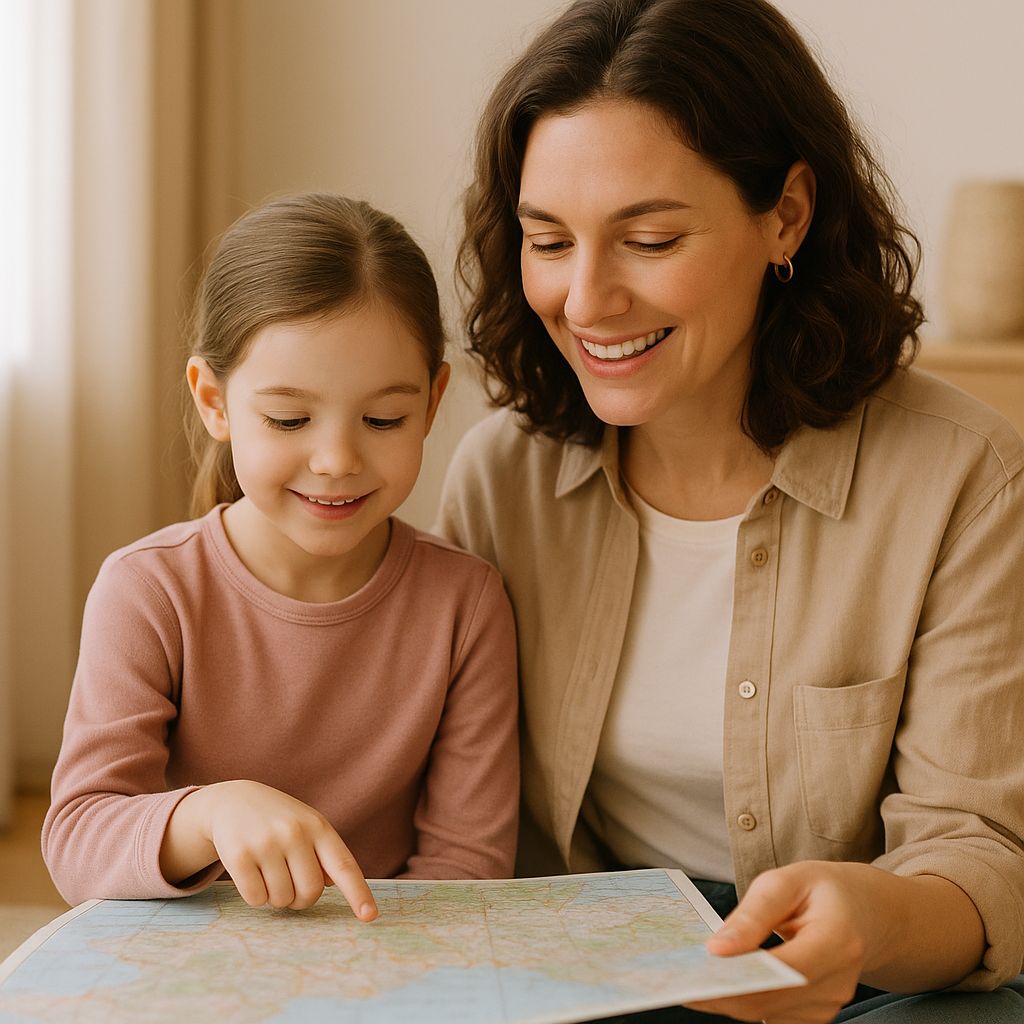
- Encourage problem-solving: Let kids navigate maps, translate signs, or figure out public transport.
These moments cultivate analytical skills and deepen understanding.
Step 5: Reflect and Share Learning
Reflection solidifies learning. After each trip, encourage your kids to:
- Share what they learned with friends or family.
- Create presentations, scrapbooks, or digital albums.
- Discuss favorite memories and new discoveries.
Reflection helps children process experiences, celebrate achievements, and retain knowledge.
Step 6: Use Technology Wisely
Technology can enhance learning if used thoughtfully. Consider:
- Educational Apps: Use language learning apps, geography games, or museum guides.
- Digital Journaling: Encourage blogging or vlogging about the trip.
- Photo Editing: Teach basic editing skills to create photo stories.
Balance screen time with real-world exploration to maximize learning.
Step 7: Adapt to Different Travel Styles
Whether you’re embarking on international adventures, road trips, camping, or city breaks, tailor learning opportunities to your environment:
- International Travel: Focus on cultural immersion, language skills, and global awareness.
- Road Trips: Use maps, discuss geography, and explore local landmarks.
- Camping: Teach nature skills, wildlife identification, and conservation principles.
- City Breaks: Explore architecture, public art, and urban history.
Every travel style brings unique educational opportunities.
Common Challenges and How to Overcome Them
Traveling with kids isn’t always smooth. Here are expert tips for overcoming common obstacles:
- Short Attention Spans: Break activities into manageable chunks. Alternate between structured learning and free play.
- Unpredictable Schedules: Plan flexible itineraries and keep backup activities ready.
- Resistance to New Experiences: Offer choices and involve kids in decision-making. Celebrate small achievements.
- Language Barriers: Use translation apps, learn key phrases together, and encourage non-verbal communication.
Benefits of Turning Trips into Learning Experiences
The rewards extend far beyond academic skills. Children who travel and learn:
- Build adaptability and resilience
- Develop social and emotional intelligence
- Gain global awareness and empathy
- Strengthen family bonds through shared discovery
- Grow in self-confidence and independence
These lifelong benefits shape children into curious, capable, and compassionate individuals.
Expert Tips for Maximizing Educational Travel
- Balance structured activities with spontaneous exploration.
- Use every moment—waiting in lines, meals, transit—as learning opportunities.
- Encourage kids to document their experiences creatively.
- Connect learning to school subjects—math, science, history, language.
- Celebrate curiosity and mistakes as part of the learning process.
Conclusion: Make Every Journey Count
Travel is a powerful tool for lifelong learning. By intentionally weaving educational moments into every trip, parents empower their children to grow, explore, and thrive. Whether you're venturing far or staying close to home, remember: curiosity is the best souvenir, and every journey can be a catalyst for discovery. Start planning your next adventure with a learning lens, and watch your children gain skills, confidence, and a world of new perspectives.
Frequently Asked Questions
- How can I make travel educational for my kids?
- Involve your children in planning, encourage curiosity, provide hands-on experiences, and engage in reflection. Use local museums, historical sites, and cultural traditions as learning platforms.
- What are some fun learning activities during travel?
- Scavenger hunts, journaling, photography, interacting with locals, cooking classes, and exploring nature are excellent ways to incorporate learning into travel.
- Is it necessary to plan every detail for educational travel?
- While planning is helpful, leaving room for spontaneous discovery is crucial. Flexibility allows for authentic learning moments and encourages kids to ask questions.
- How does travel benefit my child’s development?
- Travel boosts adaptability, social skills, cultural awareness, critical thinking, and self-confidence. It exposes children to new ideas, languages, and environments.