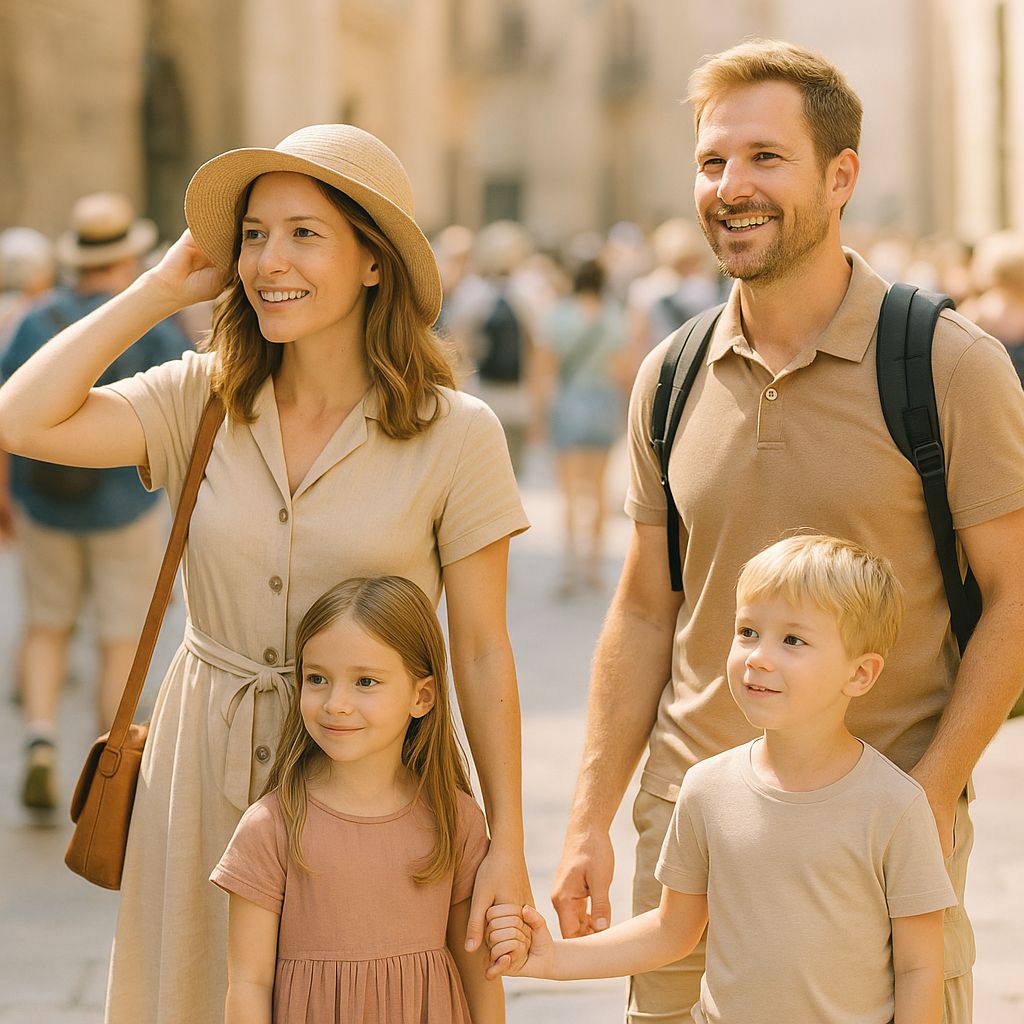

Traveling with Kids in Crowded Tourist Places: Expert Strategies for Stress-Free Adventures
Family travel can be magical, but navigating crowded tourist places with kids poses unique challenges. From bustling theme parks to historic sites teeming with visitors, parents must balance safety, enjoyment, and logistical planning. This comprehensive guide offers expert strategies to ensure your family’s adventures remain stress-free and memorable, no matter how busy the destination.
Understanding the Challenges of Crowded Tourist Destinations
Popular tourist attractions draw throngs of visitors, creating environments that can overwhelm even the most seasoned travelers. For children, these places may be overstimulating, confusing, and sometimes frightening. Parents face the task of keeping kids safe, engaged, and comfortable amidst the chaos. Recognizing these challenges is the first step toward effective planning.
- Safety Concerns: Risk of separation or getting lost.
- Overstimulation: Loud noises, crowds, and unfamiliar sights.
- Physical Fatigue: Extended walking, standing in lines.
- Emotional Stress: Anxiety or frustration due to crowds and waiting.
Preparation: Setting the Stage for Success
Preparation is the cornerstone of stress-free travel. Before you set out, invest time in planning logistics, prepping your children, and packing the right supplies.
Research Your Destination
Understand the layout, busiest times, and family-friendly facilities of your chosen tourist spot. Look for:
- Family restrooms and nursing areas
- Children’s play zones or quiet spaces
- Accessibility for strollers and wheelchairs
- Emergency exits and first aid stations
Choose the Right Time
Whenever possible, visit tourist sites during less crowded hours. Early mornings, late afternoons, and weekdays often see fewer visitors. Avoid holidays and weekends if flexibility allows.
Set Expectations with Your Kids
Explain what the day will look like, including crowds, waiting, and activities. Use age-appropriate language and visual aids (like maps or photos) to help them understand.
Pack Wisely
- Snacks and water to prevent hunger and dehydration
- Sunscreen, hats, and weather-appropriate clothing
- Hand sanitizer and wipes for hygiene
- Small toys or books for entertainment
- ID cards or bracelets with parent contact information
- Comfort items (blanket, stuffed animal) for security
Safety Measures: Keeping Your Family Secure
Safety is paramount in crowded tourist places. Adopting proactive measures minimizes risks and helps everyone stay calm and collected.
Establish Clear Rules
Set boundaries and rules with your children before entering crowded areas. Examples include:
- Always hold hands or stay within reach
- Never wander off without telling an adult
- Identify safe places to wait if separated
Use Identification Tools
Equip your children with ID bracelets, lanyards, or cards featuring your contact information. For non-verbal or younger children, consider using a GPS tracker or child harness.
Choose Visual Outfits
Dressing your kids in bright, distinctive clothing makes them easier to spot in a crowd. Take a photo at the start of the day for quick reference if needed.
Designate a Meeting Spot
Upon arrival, select a clear, easily recognizable location as your family’s meeting point. Teach your kids to head there if they become separated.
Practice Emergency Drills
Walk your children through what to do if they get lost. Role-play scenarios and reinforce seeking help from uniformed staff or families with children.
Engaging Kids in Crowded Environments
Boredom and frustration can escalate quickly in busy places. Keeping kids engaged is crucial for a positive experience.
Interactive Activities
- Play “I Spy” or scavenger hunts using landmarks and exhibits.
- Encourage kids to take photos or draw what they see.
- Let older children help navigate with maps or apps.
Frequent Breaks
Plan regular stops for snacks, rest, and bathroom breaks. Seek out quieter corners or designated family areas to regroup and decompress.
Maintain Routines
Try to stick to usual meal and nap times. Familiar routines provide comfort and reduce meltdowns.
Positive Reinforcement
Use praise and small rewards for good behavior. Celebrate cooperation and patience, making the travel experience feel special and rewarding.
Managing Stress: Tips for Parents
Children often mirror their parents’ emotions. Staying calm and adaptable helps everyone navigate crowded environments with ease.
- Model Calm Behavior: Practice deep breathing and positive self-talk.
- Stay Flexible: Be ready to modify plans based on your child’s needs or unexpected circumstances.
- Communicate: Keep open lines of communication with your kids and co-travelers.
- Backup Plans: Prepare alternatives in case attractions are too crowded or inaccessible.
Dealing with Lost Children: What Every Parent Should Know
Despite precautions, separations can occur. Knowing how to respond quickly and effectively is crucial.
Immediate Actions
- Alert staff or security immediately.
- Provide a recent photo and description.
- Stay at the designated meeting spot while others search.
Teach your child to remain calm, stay in place, and seek help from uniformed staff or another family. Practice these steps before your trip.
Choosing Family-Friendly Crowded Destinations
Some tourist sites are better equipped for families than others. Research locations with child-friendly amenities and clear signage.
- Theme Parks: Offer family services, child tracking programs, and plenty of staff.
- Museums: Often have children’s areas, interactive exhibits, and educational programs.
- Historic Sites: Look for guided tours tailored to families and hands-on activities.
Travel Tech and Tools: Modern Solutions for Parents
Leverage technology to streamline your experience and enhance safety.
- GPS Trackers: Attach to your child’s wrist or backpack for real-time location updates.
- Family Locator Apps: Keep track of everyone’s whereabouts via smartphones.
- Digital Tickets and Maps: Avoid paper clutter and make navigation easier.
Special Considerations for Children with Sensory Needs
Crowded environments can be especially challenging for children sensitive to noise, lights, or touch. Prepare with:
- Noise-canceling headphones
- Sensory toys or fidget tools
- Pre-arranged quiet breaks
- Comfortable, non-restrictive clothing
Case Study: A Day at a Crowded Museum
Imagine a family with two children, ages 5 and 9, visiting a popular city museum during peak season. The parents:
- Arrive early to avoid crowds
- Dress the children in bright shirts
- Pack snacks, water, and comfort items
- Review the museum map and set meeting points
- Engage kids in a scavenger hunt
Throughout the visit, they take frequent breaks, use positive reinforcement, and adapt their plan as needed. The result? A safe, enjoyable, and educational day for the whole family.
Conclusion: Embrace the Adventure
Traveling with kids in crowded tourist places requires thoughtful preparation, effective safety measures, and creative engagement strategies. By anticipating challenges and equipping your family with the right tools and mindset, you can transform bustling destinations into unforgettable adventures. Remember: flexibility, patience, and proactive planning are your best allies for stress-free family travel.
Frequently Asked Questions
- How can I keep my child safe in crowded tourist places?
- Ensure your child has identification, set clear meeting points, and use child harnesses or strollers for younger children. Always maintain visual contact and teach them whom to approach if separated.
- What should I pack for visiting crowded destinations with kids?
- Pack essentials such as snacks, water, sunscreen, hats, hand sanitizer, small toys, and a comfort item. Make sure each child has a card with your contact information.
- How do I manage my child's anxiety in busy environments?
- Prepare your child beforehand, explain what to expect, and use calming techniques like deep breathing. Keep routines as consistent as possible and provide reassurance throughout the journey.
- Are there recommended times to visit crowded tourist spots with kids?
- Visiting early in the morning or during off-peak hours can help avoid crowds. Weekdays are often less crowded than weekends, and shoulder seasons can offer a more relaxed experience.
- What if my child gets lost in a crowded place?
- Stay calm and alert local authorities or staff immediately. Teach your child beforehand to stay put and seek help from a uniformed employee or another parent with children.