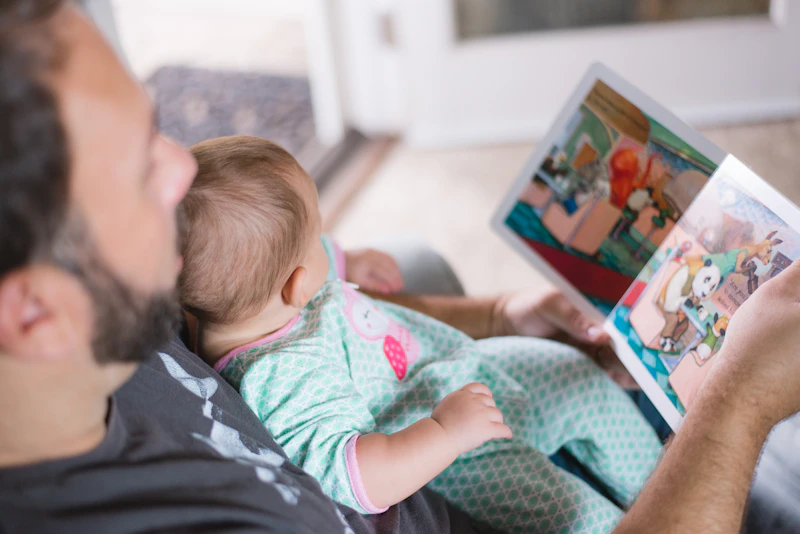

How to Track Your Baby’s Growth and Development at Home
As a parent, there’s nothing more rewarding than watching your baby grow and reach new milestones. While regular pediatric check-ups are crucial, tracking your baby’s growth and development at home empowers you to notice progress and address concerns early. In this comprehensive guide, we’ll explore expert-backed strategies for monitoring your infant’s growth, understanding developmental milestones, using growth charts, and identifying red flags—all tailored for proactive parents like you.
Why Tracking Your Baby’s Growth and Development Matters
Monitoring your baby’s progress helps ensure they are growing healthily and meeting age-appropriate milestones. Early detection of potential issues allows for timely intervention, supporting optimal physical, cognitive, and emotional development.
Understanding Baby Growth: What to Measure
Growth involves more than just physical size. Here are the main parameters parents should track:
- Weight: Reflects nutrition and overall health.
- Length/Height: Indicates skeletal growth.
- Head Circumference: Monitors brain development in infants up to age 2.
Recommended Measurement Frequency
- Weight: Every month in the first year.
- Length/Height: Monthly or at each well-baby visit.
- Head Circumference: Monthly, especially in the first year.
Tools You Need for Home Tracking
To accurately track your baby’s growth, assemble these essentials:
- Digital baby scale (for infants)
- Soft, non-stretch measuring tape
- Reliable growth charts (CDC or WHO recommended)
- Notebook or digital app for recording data
How to Measure Your Baby at Home
Weighing Your Baby
- Use a flat, stable surface for the baby scale.
- Weigh your baby undressed to avoid clothing weight.
- Take measurements at the same time of day, ideally before feeding.
- Record the weight in kilograms (kg) and pounds (lbs).
Measuring Length
- Lay your baby on a firm, flat surface (like a changing mat).
- Gently straighten their legs.
- Measure from the top of the head to the heel using a soft tape.
- Repeat twice for accuracy and record the average.
Measuring Head Circumference
- Wrap the tape around the largest part of the head, just above the eyebrows and ears.
- Ensure the tape is snug but not tight.
- Take the measurement in centimeters (cm).
Growth Charts: Your Reference Guide
Growth charts help you compare your baby’s measurements with healthy averages for their age and sex. The CDC and WHO provide downloadable charts. Plot your baby’s weight, length, and head circumference to track their growth percentile over time.
Understanding Percentiles
A percentile shows how your child compares to others. For example, the 50th percentile means your baby is right in the middle for that measurement. Sudden jumps or drops across percentiles may warrant a pediatrician’s attention.
Developmental Milestones: What to Watch For
Physical growth is just one side of the coin. Babies also achieve developmental milestones—key skills like rolling over, sitting, babbling, and walking. Each baby develops at their own pace, but milestones provide helpful guidelines.
Major Milestones by Age
| Age | Physical | Cognitive | Social/Emotional |
|---|---|---|---|
| By 3 months | Raises head, opens hands | Follows faces, recognizes voices | Smiles, coos |
| By 6 months | Rolls over, sits with support | Transfers objects hand to hand | Responds to name, enjoys play |
| By 9 months | Sits without support, crawls | Finds hidden objects, uses gestures | Stranger anxiety, shows preferences |
| By 12 months | Stands, may take first steps | Imitates, understands simple commands | Waves bye, shows emotions |
Developmental Checklists
Use checklists from trusted sources like the CDC’s Learn the Signs. Act Early program. Mark off each achieved milestone and note those that are delayed.
Red Flags: When to Seek Guidance
Every child is unique, but certain signs mean you should consult your pediatrician promptly:
- No social smile by 3 months
- Poor head control by 4 months
- Not sitting by 9 months
- No babbling or gestures by 12 months
- Sudden loss of skills at any age
If you notice any of these, don’t wait—early intervention can make a significant difference.
Supporting Healthy Growth and Development
Tracking is only part of the process. Here’s how to foster your baby’s well-being:
- Nutrition: Breast milk or formula in the first year, then introduce solids as recommended.
- Active Play: Encourage tummy time, reaching, and grasping to boost motor skills.
- Talking and Reading: Stimulate language and cognitive skills by engaging with your baby often.
- Safe Sleep: Follow safe sleep practices to support healthy brain development.
- Routine: Babies thrive on predictability—establish consistent sleep, feed, and play routines.
Tips for Accurate Home Tracking
- Measure at the same time of day for consistency.
- Record each measurement in a dedicated notebook or digital tracker.
- Bring your records to pediatric appointments for discussion.
- Don’t panic over small fluctuations; look for steady trends.
Common Questions About Tracking Baby Growth and Development
- How often should I measure my baby’s height and weight at home?
- Every month in the first year is ideal. Compare with growth charts and share your findings with your pediatrician.
- What are the signs my baby is not meeting developmental milestones?
- Red flags include lack of eye contact, not responding to sounds, poor head control, and lack of babbling by age 1. Discuss any concerns promptly with your healthcare provider.
- Can I trust home measurements as much as those from the doctor’s office?
- While home measurements are valuable for ongoing monitoring, they may not be as precise as professional assessments. Use them as a supplement to regular doctor visits.
- What tools do I need to track my baby's growth at home?
- You’ll need a baby scale, a soft measuring tape, and growth charts. Consider using a tracking app for convenience.
When to Consult Your Pediatrician
If your baby’s measurements deviate significantly from the norm or if you notice missed milestones or regression, reach out to your pediatrician. Trust your instincts—no concern is too small when it comes to your child’s well-being.
Conclusion
Tracking your baby’s growth and development at home is a proactive way to support their health and happiness. With the right tools, reliable resources, and regular check-ins, you’ll be well-equipped to celebrate every milestone and address challenges early. Remember, every baby is unique—steady progress is more important than perfection. Stay engaged, stay informed, and cherish every giggle and step along the way.
For more expert parenting guides and resources, explore our Growth & Development section on Growing Giggles.