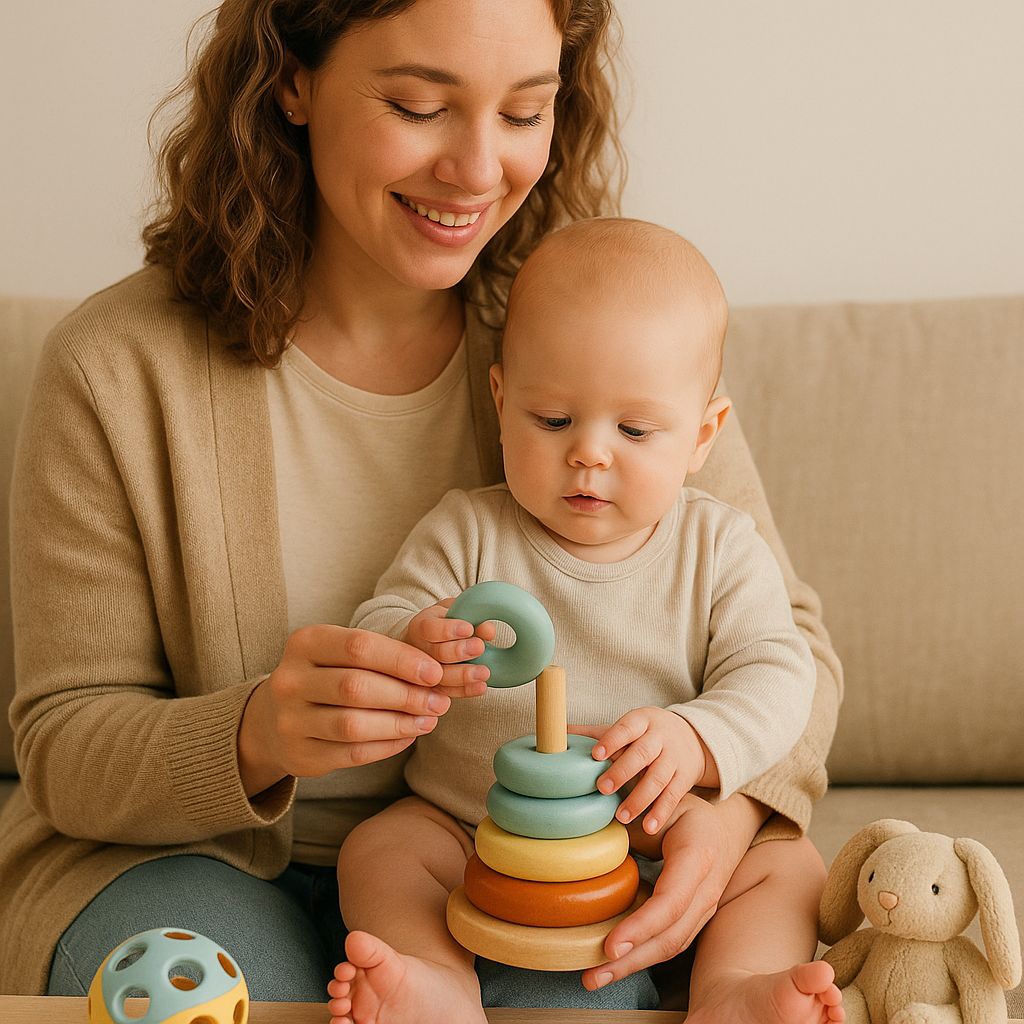

Toys That Support Brain Development in Babies: A Comprehensive Parent’s Guide
As parents, we all want the very best for our children, especially when it comes to their early learning and brain development. The first year of life is a period of rapid brain growth, with more than a million new neural connections forming every second. During this critical window, play is more than just fun—it’s how babies explore their world, strengthen essential skills, and lay the groundwork for lifelong learning. Choosing the right toys that support brain development in babies can make a remarkable difference in their cognitive, social, and emotional growth.
Why Are Developmental Toys Important for Babies?
Babies are born curious, and play is their natural way of learning. The toys you introduce can:
- Stimulate the senses: Touch, sight, sound, and even smell are all engaged through play.
- Encourage movement: Fine and gross motor skills develop as babies reach, grasp, and explore.
- Foster problem-solving: Simple puzzles or cause-and-effect toys build critical thinking from an early age.
- Promote language and social skills: Interactive play with caregivers nurtures communication and bonding.
Key Features of Brain-Boosting Baby Toys
When selecting toys for infant brain development, consider the following features:
- Age-appropriateness: Ensure the toy matches your baby’s developmental stage.
- Safety: Toys should be free from small parts, sharp edges, and toxic materials.
- Simplicity: Simple toys encourage creative thinking and reduce overstimulation.
- Sensory stimulation: Different textures, colors, sounds, and shapes engage multiple senses.
- Open-ended play: Toys without a single “right” use inspire imagination and experimentation.
Top Categories of Toys That Support Brain Development in Babies
Below, we explore the best types of toys to nurture your baby’s mind at every stage:
1. High-Contrast Toys (0-3 Months)
- Why: Newborn vision is limited; high-contrast black-and-white or bold-colored toys are easiest to see and track.
- Examples: High-contrast flashcards, crib mobiles, fabric books, and soft blocks.
- Brain Benefits: Encourages visual tracking, focus, and early pattern recognition.
2. Rattles and Grasping Toys (2-6 Months)
- Why: Babies begin to grasp and shake objects. Rattles reward these actions with sound.
- Examples: Soft rattles, grasping rings, textured teething toys.
- Brain Benefits: Enhances hand-eye coordination, cause and effect, and auditory processing.
3. Sensory Balls and Textured Toys (3-9 Months)
- Why: Different textures and sizes stimulate tactile exploration.
- Examples: Sensory balls, crinkly fabric toys, silicone teethers, and touch-and-feel books.
- Brain Benefits: Develops sensory integration, grip strength, and curiosity.
4. Tummy Time Mats and Activity Gyms (Birth-9 Months)
- Why: Motivate babies to lift their heads, reach, and roll by providing engaging visuals and textures during tummy time.
- Examples: Play mats with hanging toys, mirrors, and safe, washable fabrics.
- Brain Benefits: Builds core strength, visual tracking, and spatial awareness.
5. Mirrors (3 Months+)
- Why: Babies are fascinated by faces, including their own reflection.
- Examples: Unbreakable floor mirrors, mirror cards on play gyms.
- Brain Benefits: Promotes self-recognition, social-emotional learning, and focus.
6. Stacking Cups and Nesting Toys (6-12 Months)
- Why: Encourage problem-solving, sequencing, and early math concepts like big and small, in and out.
- Examples: Stacking cups, nesting boxes, simple shape sorters.
- Brain Benefits: Boosts fine motor skills, spatial reasoning, and logical thinking.
7. Musical Toys (Birth-12 Months)
- Why: Early exposure to music and rhythm supports language and listening skills.
- Examples: Soft musical toys, baby-safe drums, shakers, and xylophones.
- Brain Benefits: Enhances auditory discrimination, memory, and emotional expression.
8. Soft Books and Cloth Books (Birth-12 Months)
- Why: Introduce babies to language, colors, and textures through reading and exploration.
- Examples: Fabric books with flaps, squeakers, or mirrors.
- Brain Benefits: Encourages early literacy, vocabulary, and bonding with caregivers.
9. Push-and-Pull Toys (9-12 Months)
- Why: As babies begin to crawl and walk, these toys motivate movement and coordination.
- Examples: Baby walkers, rolling animals, pull-along cars.
- Brain Benefits: Strengthens gross motor skills, spatial awareness, and confidence.
Choosing Safe and Effective Toys
When selecting toys for your baby, keep these safety tips in mind:
- Check for age recommendations and avoid toys with small parts for children under 12 months.
- Ensure toys are made from non-toxic, BPA-free materials and are easy to clean.
- Inspect toys regularly for damage or loose pieces.
- Supervise play, especially with new or unfamiliar toys.
How to Maximize Playtime for Brain Development
Simply providing toys isn’t enough—engagement is key. Here’s how parents can make the most of playtime:
- Play together: Babies learn best when adults interact, narrate, and respond to their cues.
- Rotate toys: Swap toys in and out to keep interest high and avoid overstimulation.
- Follow your baby’s lead: Observe what captures their attention and build on their interests.
- Describe and model: Talk about colors, shapes, sounds, and actions during play to build language skills.
- Allow for repetition: Babies learn through doing the same thing repeatedly—repetition cements new skills.
Common Myths About Baby Toys and Brain Development
- Myth: Electronic or “smart” toys are always better.
Fact: Simple toys that invite interaction and imagination often provide greater developmental benefits than electronic toys. - Myth: Babies need lots of toys.
Fact: A few well-chosen, open-ended toys are more beneficial than an overwhelming variety. - Myth: Expensive toys are superior.
Fact: Many homemade or low-cost items (like scarves or wooden spoons) are just as effective for brain development.
Expert Recommendations: Top 10 Brain-Boosting Toys for Babies
- High-contrast soft books
- Textured sensory balls
- Rattles and teethers
- Tummy time mats with mirrors
- Stacking cups or rings
- Soft musical instruments (e.g., shakers, drums)
- Push-and-pull toys
- Fabric activity cubes
- Nesting boxes or bowls
- Cloth books with flaps and textures
These toys align with research-backed principles for healthy infant brain development. Always supervise play and adapt to your baby’s unique interests and abilities.
When to Introduce Educational Toys
Developmental toys can be introduced from birth, beginning with simple, high-contrast objects and gradually expanding to more interactive and complex toys as your baby grows. Always follow age recommendations and observe your child’s readiness for each new toy or activity.
Conclusion: Play Is the Brain’s Favorite Way of Learning
The journey of brain development in babies is an exciting adventure for both children and parents. By thoughtfully choosing toys that support brain development in babies, you’re providing more than entertainment—you’re helping build the foundation for future learning, creativity, and confidence. Remember, your presence and interaction are the most valuable “toys” of all. Enjoy every playful moment as your baby giggles, explores, and grows!
Frequently Asked Questions
- What types of toys are best for a baby’s brain development?
- Simple, age-appropriate toys that stimulate the senses, encourage movement, and promote problem-solving are best. Examples include rattles, soft books, stacking cups, and activity gyms.
- How early can babies benefit from developmental toys?
- Babies can benefit from developmental toys from birth. Even newborns enjoy high-contrast visuals and respond to gentle sounds and textures.
- Are electronic toys better for brain development?
- Not necessarily. Research suggests that simple, non-electronic toys often provide richer opportunities for interaction, imagination, and skill-building.
- How can I make playtime more educational for my baby?
- Follow your baby’s lead, describe what you’re doing, use toys in creative ways, and interact face-to-face to enhance learning and bonding.