Teaching Your Baby to Sleep Independently: A Gentle Guide for Parents
Sleep is a precious commodity for every family with a baby. While cuddling your baby to sleep is a cherished bonding moment, there comes a time when helping your little one learn to sleep independently becomes important for their development—and your rest. Teaching your baby to sleep independently is a gradual process that nurtures self-soothing skills, fosters healthy sleep patterns, and promotes family well-being. This comprehensive guide offers expert tips and gentle strategies to help your baby (and you!) achieve peaceful, restorative nights.
Why Independent Sleep Matters for Babies
Independent sleep is not about expecting your baby to ‘sleep through the night’ without any support. Instead, it’s about guiding your baby to fall asleep—and return to sleep—on their own when they naturally wake between sleep cycles. This milestone is beneficial for:
- Promoting self-soothing abilities: Babies who learn to self-settle are better equipped to manage brief awakenings.
- Establishing predictable routines: Consistent sleep habits lead to more restful nights for everyone.
- Supporting emotional development: Gentle sleep transitions help instill confidence and a sense of security in your baby.
Understanding Your Baby’s Sleep Cues and Needs
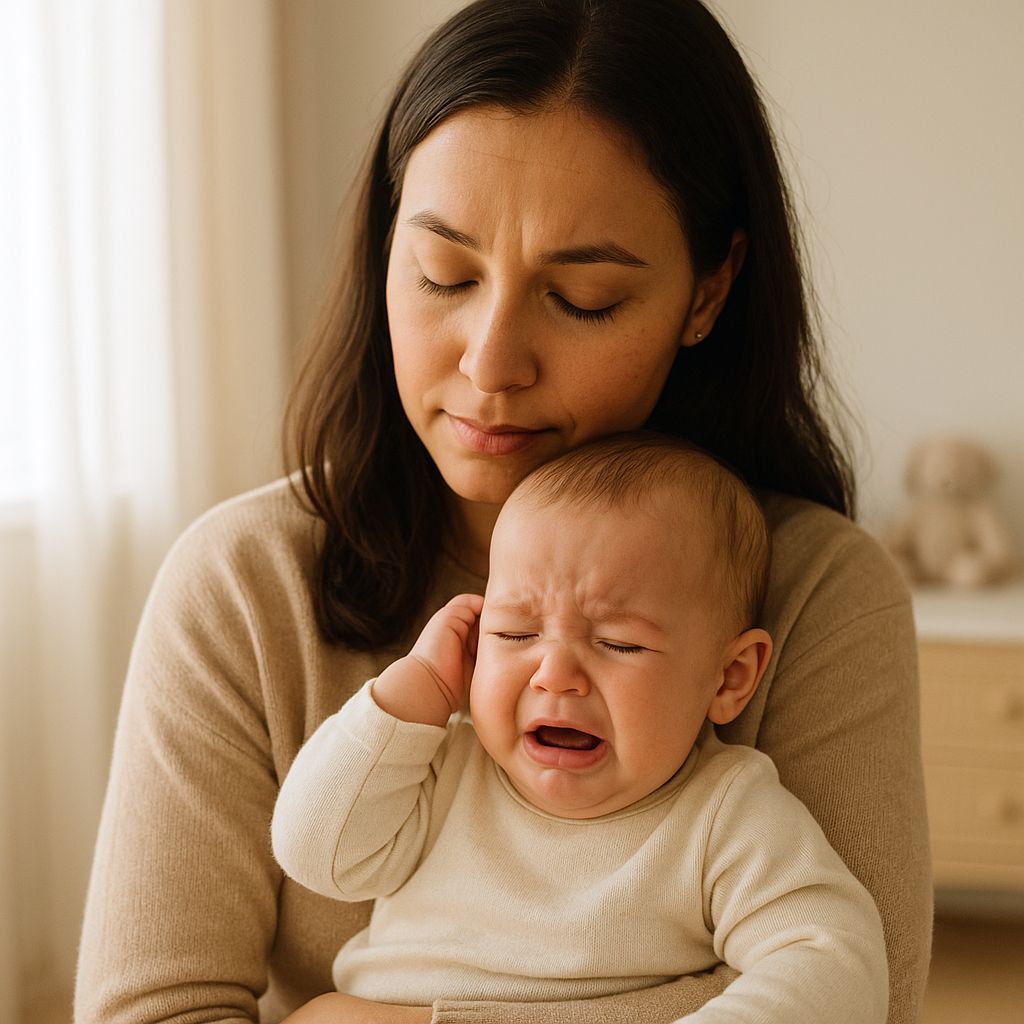
Every baby is unique. Before beginning the journey toward independent sleep, observe your baby’s natural rhythms and cues. Watch for signs of sleepiness such as rubbing eyes, yawning, fussiness, or pulling at ears. Responding promptly helps prevent overtiredness, which can make sleep transitions more challenging.
Developmental Readiness
Most babies are developmentally ready for gentle sleep training between 4 and 6 months of age. By this stage, circadian rhythms are emerging, and some babies are capable of self-soothing. However, it’s important to consider factors like feeding needs, growth spurts, and any medical concerns before making changes to your baby’s sleep routine.
Setting Up a Sleep-Friendly Environment
Your baby’s sleep space plays a crucial role in independent sleep success. Create a calm, safe, and consistent environment by:
- Keeping the room dim and quiet for nighttime sleep
- Maintaining a comfortable temperature (68–72°F or 20–22°C)
- Using a firm, flat crib mattress with a fitted sheet—no loose bedding or toys
- Considering white noise to mask household sounds
- Establishing clear cues that differentiate day from night (e.g., lights on for naps, lights off for bedtime)
Building a Gentle Sleep Routine
Babies thrive on predictability. A consistent pre-sleep routine signals to your little one that it’s time to wind down and rest. Try the following steps:
- Wind down: Begin 20–30 minutes before sleep time with quiet activities like a warm bath, gentle massage, or soft lullabies.
- Feeding: Offer a final feed, but aim to put your baby down drowsy, not fully asleep, to encourage self-settling.
- Storytime: Read a short book or sing together to associate positive feelings with bedtime.
- Consistent sleep words: Repeat a comforting phrase, such as “It’s time to sleep now,” each night.
- Dim the lights: Lowering the lights helps trigger melatonin production for sleepiness.
Gentle Methods for Teaching Independent Sleep
There’s no single “right” way to help your baby learn to sleep independently. What matters most is consistency, loving reassurance, and adapting to your baby’s temperament. Here are gentle, expert-recommended methods:
1. The Pick Up/Put Down Method
This approach involves putting your baby in their crib when drowsy but awake. If your baby fusses, pick them up for comfort, then put them back down once calm. Repeat as needed, gradually reducing your intervention over time. This method helps your baby learn that their crib is a safe, comforting place.
2. The Chair Method (Camping Out)
Place your baby in their crib and sit nearby, offering verbal and gentle physical reassurance without picking them up. Over several nights, gradually move your chair farther from the crib until you’re out of the room. This slow transition reassures your baby as they adjust to falling asleep on their own.
3. Fading Parental Presence
If you typically rock, nurse, or pat your baby to sleep, start by gradually reducing the amount of help you provide. For example, reduce rocking time each night or gently stop patting before your baby is fully asleep. This gradual process gives your baby a chance to practice self-soothing while still feeling supported.
4. Responsive Settling
Responsive settling involves staying attuned to your baby’s cries and cues, providing comfort as needed but allowing brief pauses before responding. This technique supports self-regulation without ignoring your baby’s emotional needs.
Supporting Your Baby Through Sleep Transitions
Learning to sleep independently is a journey with ups and downs. Here’s how you can support your baby during sleep transitions:
- Stay consistent: Stick with your chosen routine or method for at least 1–2 weeks to give your baby time to adapt.
- Offer reassurance: Gentle touch, soothing words, and your presence help your baby feel secure.
- Be flexible: If your baby is sick, teething, or going through a developmental leap, it’s okay to offer extra comfort. Return to your routine once things settle.
- Celebrate progress: Even small steps toward independent sleep are victories!
Handling Common Challenges and Setbacks
Every baby encounters bumps along the road to independent sleep. Here’s how to handle some common challenges:
Sleep Regressions
Sleep regressions are periods when babies experience disrupted sleep due to growth, teething, or developmental milestones. These phases are temporary. Continue your routine, offer extra comfort as needed, and know that your efforts are laying the groundwork for long-term sleep success.
Night Wakings
It’s normal for babies to wake several times a night. Focus on giving your baby the chance to resettle before intervening. If your baby continues to wake frequently and you’re concerned about hunger or medical issues, consult your pediatrician.
Separation Anxiety
Separation anxiety can make sleep transitions tricky, especially around 8–10 months. Offer extra reassurance, stick to routines, and practice short periods of separation during the day to build your baby’s confidence.
Frequently Asked Questions
- At what age can I start teaching my baby to sleep independently?
- Most experts recommend starting gentle sleep independence routines around 4 to 6 months, when babies are developmentally able to self-soothe. Always consult your pediatrician if you have concerns.
- Will teaching my baby to sleep independently cause emotional harm?
- When approached with sensitivity and responsiveness, teaching independent sleep fosters a baby's sense of security and routine. Gentle methods respect your baby's emotional needs.
- What if my baby cries during sleep training?
- Some protest is common as babies adjust to new routines. Respond with comfort and reassurance as needed. Gradually increase your baby's opportunities to self-soothe, adapting to their cues.
- How long does it take for a baby to learn to sleep independently?
- Every baby is unique. Some may adjust within a few days, while others take several weeks. Consistency, patience, and gentle guidance are essential throughout the process.
When to Seek Additional Support
If you’ve tried gentle methods for several weeks and your baby continues to have sleep difficulties (such as persistent night wakings, trouble settling, or signs of distress), it may be helpful to consult your pediatrician or a certified sleep consultant. Underlying issues such as reflux, allergies, or feeding concerns can impact sleep and may require professional guidance.
A Warm Word for Parents
Teaching your baby to sleep independently is a gift—for your baby and for your family. Remember, there is no perfect method, and it’s normal to have setbacks along the way. Trust your instincts, lean on your support network, and celebrate each step forward. With time, consistency, and lots of love, you and your baby will find your peaceful rhythm together.
For more warm, expert-backed parenting tips and sleep insights, explore other guides from Growing Giggles.