Teaching Sharing and Cooperation: Nurturing Social Skills in Preschoolers
Preschool is a magical stage of childhood filled with curiosity, creativity, and the first steps toward lifelong friendships. As parents and caregivers, one of the most rewarding—and sometimes challenging—tasks is teaching your little one the art of sharing and cooperation. These social skills lay the foundation for healthy relationships, teamwork, and emotional intelligence. But how do you encourage your preschooler to share their favorite toys or work together with others? Let’s dive into practical strategies, expert insights, and fun activities to make teaching sharing and cooperation a joyful part of your everyday parenting.
Why Sharing and Cooperation Matter
Sharing and cooperation aren’t just polite behaviors—they’re essential life skills. When children learn to share, they practice empathy, patience, and communication. Cooperation fosters a sense of belonging and teamwork, helping kids navigate group dynamics and resolve conflicts. These skills are crucial for preschoolers as they begin to interact more with peers in playgroups, classrooms, and family settings.
The Emotional Roots of Sharing
Sharing can be tough for young children because it requires them to let go of something they value. Preschoolers are still learning to manage their emotions and understand perspectives beyond their own. With gentle guidance, they begin to realize that sharing can lead to more fun and stronger friendships.
Cooperation: Building Blocks for Teamwork
Cooperation involves working toward a common goal. It teaches children to listen, take turns, and respect others’ ideas. These skills not only smooth out playtime but also prepare kids for future group activities, sports, and school projects.
Modeling Sharing and Cooperation
Children are keen observers. They learn by watching the adults around them. Modeling sharing and cooperation is one of the most powerful teaching tools.
- Share with your child: Offer them a bite of your snack or invite them to help with a task. Narrate what you’re doing and why.
- Use cooperative language: Say, “Let’s work together to clean up,” or “Would you like to share your crayons with me?”
- Show gratitude: When your child shares or cooperates, thank them and describe the positive impact.
Role-Playing and Storytelling
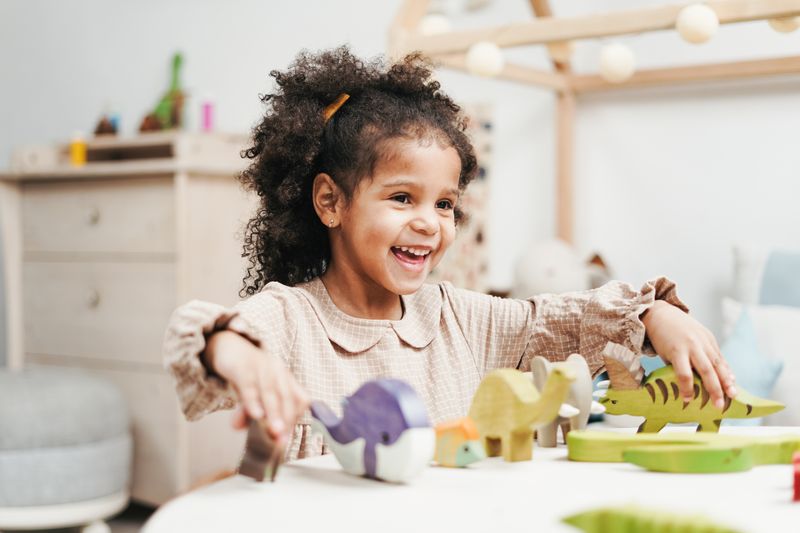
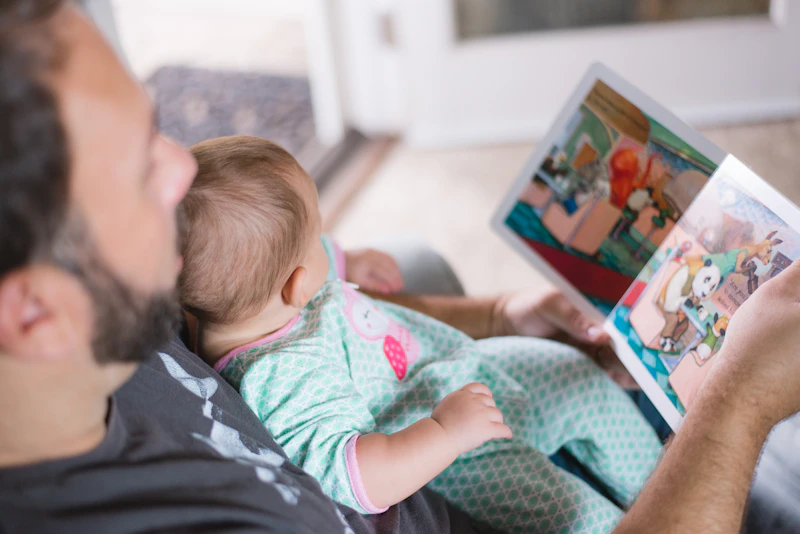
Role-playing is a fun way to demonstrate sharing and cooperation. Use puppets or toys to act out scenarios like sharing blocks or working together to build a tower. Storytelling also helps—choose books that highlight teamwork and sharing, then discuss the characters’ actions afterward.
Practical Strategies for Teaching Sharing
Teaching sharing isn’t about forcing kids to give up their toys on command. It’s about helping them understand why sharing matters and how it feels to be on both sides.
- Start Small: Begin with items that aren’t precious, like art supplies or snacks.
- Use Timers: When two children want the same toy, set a timer for each turn. This makes sharing predictable and fair.
- Encourage Empathy: Ask, “How would you feel if someone didn’t share with you?”
- Celebrate Success: Praise your child when they share, using specific language: “I noticed you gave your friend a turn with the truck. That was very kind!”
- Discuss Feelings: Help your child express their emotions if sharing feels hard. “It looks like you’re upset about sharing your teddy. Can you tell me why?”
Handling Reluctance and Resistance
It’s normal for preschoolers to resist sharing, especially with favorite possessions. Avoid forcing or shaming. Instead, offer alternatives like trading toys, playing together, or taking turns. If your child isn’t ready to share a special item, respect their feelings and focus on sharing less treasured objects.
Guiding Cooperation During Play
Cooperation flourishes in group activities. Here’s how you can encourage teamwork and collaborative play:
- Set Up Cooperative Games: Try activities like building a block tower together, painting a mural, or playing “Parachute Play.”
- Assign Roles: In group play, give each child a role—one can be the builder, another the decorator. This helps children focus on working together.
- Provide Positive Feedback: When children cooperate, acknowledge their efforts: “You worked together to finish the puzzle. Great job!”
- Encourage Communication: Teach children to ask for help, offer suggestions, and listen to each other.
- Resolve Conflicts Constructively: Guide children in expressing their feelings, finding compromises, and apologizing if needed.
Cooperation Through Everyday Routines
Involve your child in daily tasks that require teamwork, like setting the table, tidying up, or gardening. These moments are perfect for practicing cooperation and learning responsibility.
Creating a Supportive Environment
The home environment plays a big role in nurturing sharing and cooperation. Here’s how to set the stage for positive social growth:
- Designate Shared Spaces: Set up play areas with communal toys and supplies. This encourages natural sharing.
- Use Visuals: Post charts or pictures showing children sharing and cooperating. Visual cues reinforce positive behavior.
- Establish Routines: Use predictable routines for shared activities, like snack time or group games.
- Offer Choices: Let your child decide which items to share. Having control can make sharing easier.
Fun Activities to Teach Sharing and Cooperation
Children learn best when they’re engaged and having fun! Here are some creative activities to build sharing and cooperation skills:
1. Cooperative Art
Provide a large sheet of paper and art supplies. Invite your child and a friend to create a mural together. Encourage them to discuss their ideas and take turns with materials.
2. Parachute Play
Using a play parachute or a large sheet, gather a group and practice lifting, lowering, and moving the parachute together. This activity requires teamwork and communication.
3. Building Together
Set up a block-building area and encourage children to collaborate on a structure. Celebrate their joint creation!
4. Cooking as a Team
Invite your preschooler to help make a snack or meal. Assign roles like pouring, mixing, or setting the table. Cooking together is a wonderful way to practice cooperation and sharing.
5. Sharing Circle
Sit in a circle and pass around a favorite toy or object. Each child gets a turn to hold and talk about the item. This exercise teaches patience and respect for others’ turns.
Handling Common Challenges
Even with the best intentions, conflicts will arise. Here’s how to manage them gracefully:
- Stay Calm: Model calm problem-solving when disagreements occur.
- Encourage Communication: Help your child use words to express their feelings.
- Guide Toward Solutions: Ask, “What can we do so everyone feels happy?”
- Allow Natural Consequences: If a child refuses to share, gently explain how it affects others, and let them see the impact.
- Be Patient: Social skills take time to develop. Celebrate progress, no matter how small.
Encouraging Growth Over Time
Learning to share and cooperate is a journey, not a destination. Preschoolers need time, practice, and lots of encouragement. Here are some tips for nurturing growth:
- Practice Regularly: Make sharing and cooperation part of daily life.
- Use Positive Reinforcement: Praise and reward cooperative behavior.
- Reflect Together: After playtime, talk about what went well and what could be improved.
- Stay Consistent: Set clear expectations and routines.
When to Seek Help
If your child struggles significantly with sharing or cooperating, or if conflicts are frequent and intense, it may be helpful to consult a pediatrician or child psychologist. Every child develops at their own pace, but professional guidance can offer tailored strategies and support.
Conclusion: Planting Seeds for Lifelong Friendship
Teaching sharing and cooperation to preschoolers is one of the most meaningful gifts you can give. These skills blossom into empathy, teamwork, and lasting friendships. By modeling positive behavior, creating supportive environments, and using playful activities, you’ll help your child grow into a caring and cooperative individual. Remember, progress is gradual, and your patience and encouragement make all the difference.
Ready to start? Gather your little ones, pick a favorite activity, and watch those social skills grow—one giggle at a time!
Frequently Asked Questions
- Why is sharing important for preschoolers?
Sharing helps preschoolers develop empathy, communication, and friendship skills. It lays the groundwork for positive relationships and teamwork as they grow. - How can I encourage my child to cooperate with others?
Model cooperative behavior, provide opportunities for group play, and use praise to reinforce positive actions. Explain the benefits of working together and resolve conflicts calmly. - What should I do if my preschooler refuses to share?
Stay patient and avoid punishment. Use gentle reminders, offer alternatives, and explain the feelings of others. Over time, consistent guidance will help your child understand the value of sharing. - Are there games or activities that teach cooperation?
Yes! Activities like building together with blocks, cooperative art projects, and team games like 'Parachute Play' are excellent for teaching cooperation in a fun way. - How can I handle conflicts over toys?
Facilitate communication between children, encourage them to express their feelings, and guide them toward finding solutions together. Remain neutral and supportive throughout the process.