How to Create a Travel Routine That Works Anywhere
Traveling with kids can be an exhilarating adventure, but it also comes with unique challenges. As any parent knows, children thrive on routine. The predictability of daily patterns provides comfort, security, and the foundation for healthy development. But what happens when you swap your home’s familiar rhythm for the unpredictability of new places, time zones, and cultures? The key is building a travel routine that’s both consistent and adaptable—one that works anywhere your family’s curiosity leads you.
Why Routines Matter (Especially on the Road)
Children, especially young ones, rely on routines to help them understand the world and feel safe. When routines are disrupted—by travel, new environments, or time changes—kids may become anxious, overtired, or irritable. Maintaining a sense of structure, even in small ways, can help your child adjust faster and enjoy the journey more fully.
- Predictability helps reduce anxiety and behavioral issues.
- Anchors like meals and sleep ensure health and resilience.
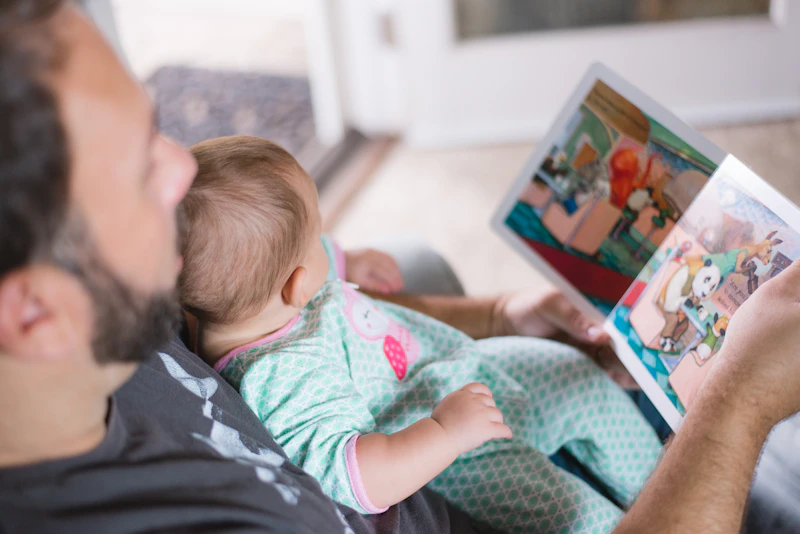
- Shared rituals (like a favorite bedtime story) build connection and comfort.
Core Principles of a Flexible Travel Routine
No two trips are alike, and your routine shouldn’t be rigid. A successful family travel routine is built on these guiding principles:
- Consistency with Flexibility: Keep routine anchors (like meals and sleep) consistent, but be ready to adapt timing and activities as needed.
- Preparation: Discuss plans and routines with your child before and during travel.
- Simplicity: Focus on a few key routines rather than trying to replicate your entire home schedule.
- Comfort: Bring familiar items and rituals from home to new environments.
- Communication: Involve children in the process and offer choices when possible.
Step-by-Step Guide to Building a Travel Routine
1. Identify Your “Routine Anchors”
Routine anchors are the non-negotiable parts of your day that help your child feel grounded. These usually include:
- Wake-up time
- Meals and snacks
- Naps or quiet time
- Bedtime ritual
- Daily hygiene (bath, brushing teeth)
Decide which anchors are most important for your child’s well-being. These become your top priorities, even when schedules are tight or unpredictable.
2. Prepare Before You Go
Set expectations by talking about the trip in advance. Discuss where you’ll sleep, what you’ll eat, and what the days might look like. Involve kids in packing their comfort items—favorite pajamas, stuffed animal, or nightlight.
- Adjust schedules gradually: If crossing time zones, start shifting bedtime or naptime by 15-30 minutes per day a few days before departure.
- Pack familiar comforts: Bring travel versions of routine items (travel pillow, bedtime book, portable white noise machine).
3. Create a Flexible Daily Travel Schedule
Your travel schedule should reflect your anchors, but allow for adventure and spontaneity. Here’s a sample template for a day on the road:
| Time | Activity |
|---|---|
| 7:30 AM | Wake up, breakfast, morning routine |
| 9:00 AM | Morning activity (sightseeing, playground, etc.) |
| 12:00 PM | Lunch and quiet time/naptime |
| 2:00 PM | Afternoon outing or relaxed activity |
| 5:00 PM | Dinner |
| 6:30 PM | Wind-down, bath, bedtime story, sleep |
This template can be shifted as needed (for flights, tours, or family events), but keeping the order and types of activities consistent helps children know what to expect.
4. Adapt to Local Time Zones and Cultures
Traveling across time zones can be tough on little ones (and grown-ups!). Help your family adjust by:
- Getting sunlight exposure during local daytime hours.
- Gradually shifting meal and sleep times toward the new schedule.
- Being patient—most kids adjust within a few days!
Embrace local customs when you can, but don’t feel pressured to mimic them exactly. If your child needs an earlier bedtime than local norms, that’s okay.
5. Keep Bedtime and Sleep Routines Sacred
A solid bedtime routine is your best weapon against travel fatigue and meltdowns. Whether you’re in a hotel, rental, or grandma’s house, try to keep the following consistent:
- Bath or wash-up
- Pajamas, teeth brushing
- Story or quiet time
- Familiar comfort item (blanket, stuffed animal)
- Nightlight or white noise if you use it at home
Even if the timing is off, the ritual cues your child that it’s time to wind down.
6. Manage Meals and Snacks
Hunger can quickly derail even the most exciting travel plans. Keep your child’s energy and mood steady by:
- Packing healthy, familiar snacks for transit days.
- Trying to keep meal times within an hour of your home schedule.
- Introducing new foods alongside familiar favorites.
- Bringing a favorite water bottle to encourage hydration.
If you’re eating out, involve your child in choosing dishes or bring a backup snack if they’re picky eaters.
7. Build in Downtime
It’s tempting to pack every day with activities, but kids need time to rest and process new experiences. Schedule downtime for:
- Naps or quiet play
- Reading or drawing
- Simple routines like a walk or cuddle time
Downtime helps prevent overstimulation and gives everyone a chance to recharge.
8. Use Routine Tools and Products
There are many products designed to help traveling families stick to routines:
- Travel clocks with nightlights or sleep sounds
- Portable blackout curtains for hotel rooms
- Meal prep containers for familiar snacks
- Routine cards or picture schedules for young children
Choose what works for your family and destination.
9. Communicate and Involve Your Kids
Kids cope better when they know what’s coming. Each morning, review the plan for the day and check in about how they’re feeling. Offer choices (“Would you like to read before nap or after dinner?”) to give them a sense of control.
10. Embrace Imperfection and Make Memories
No routine is perfect, and travel always brings surprises. Remember that flexibility is a superpower. If schedules slip, focus on enjoying the moment and making memories. Even small routine connections—like a bedtime hug or special song—can make new places feel like home.
Common Travel Routine Challenges & Solutions
- Jet lag and time changes: Adjust gradually, use sunlight to reset body clocks, and be patient with sleep disruptions.
- Unpredictable days: Stick to routine anchors (like meals and naps) and fill the rest with flexible activities.
- Different sleep environments: Recreate your home sleep setup as much as possible, bring comfort items, and use portable blackout curtains or white noise.
- Picky eating: Keep snacks handy, offer familiar foods, and try new dishes in low-pressure situations.
Expert Tips for a Smoother Family Travel Routine
- Keep your child’s temperament in mind—some kids need more routine than others.
- Use visual schedules or routine cards for younger children.
- Give advance notice before transitions (“Ten minutes until we leave for the museum!”).
- Celebrate small wins and resilience when routines are disrupted.
- Share responsibilities with co-parents or caregivers to reduce stress.
Final Thoughts
Creating a travel routine that works anywhere takes a blend of consistency, flexibility, and creativity. By anchoring your days in familiar rituals, preparing ahead, and embracing the adventure of travel, you’ll help your children feel secure and excited no matter where you go. The memories you make on the road will last a lifetime—and your adaptable routine will help make every trip smoother and more joyful for the whole family.
Frequently Asked Questions
- Why is a travel routine important when traveling with kids?
- A travel routine provides structure and predictability, helping children feel secure and reducing stress for the whole family. It helps manage sleep, meals, and activities, making travel smoother and more enjoyable.
- How can I maintain a sleep routine in different time zones?
- Gradually adjust your child's schedule before departure, use familiar sleep cues (like a favorite blanket or story), and try to stick to your home bedtime routine as closely as possible even in a new environment.
- What should I include in a travel routine for kids?
- Include consistent times for wake-up, meals, naps, play, and bedtime. Incorporate simple rituals from home (like songs or books) and allow for flexibility based on your travel plans.
- How do I handle disruptions to our routine during travel?
- Anticipate some disruptions and stay flexible. Focus on the most important routine anchors, communicate changes to your kids, and use comfort items or rituals to help them adjust.
- Are there tools or products that help keep routines on track during travel?
- Yes! Travel clocks, portable blackout curtains, meal prep containers, and digital reminders can help maintain routines. Familiar comfort items like stuffed animals or storybooks also provide reassurance.