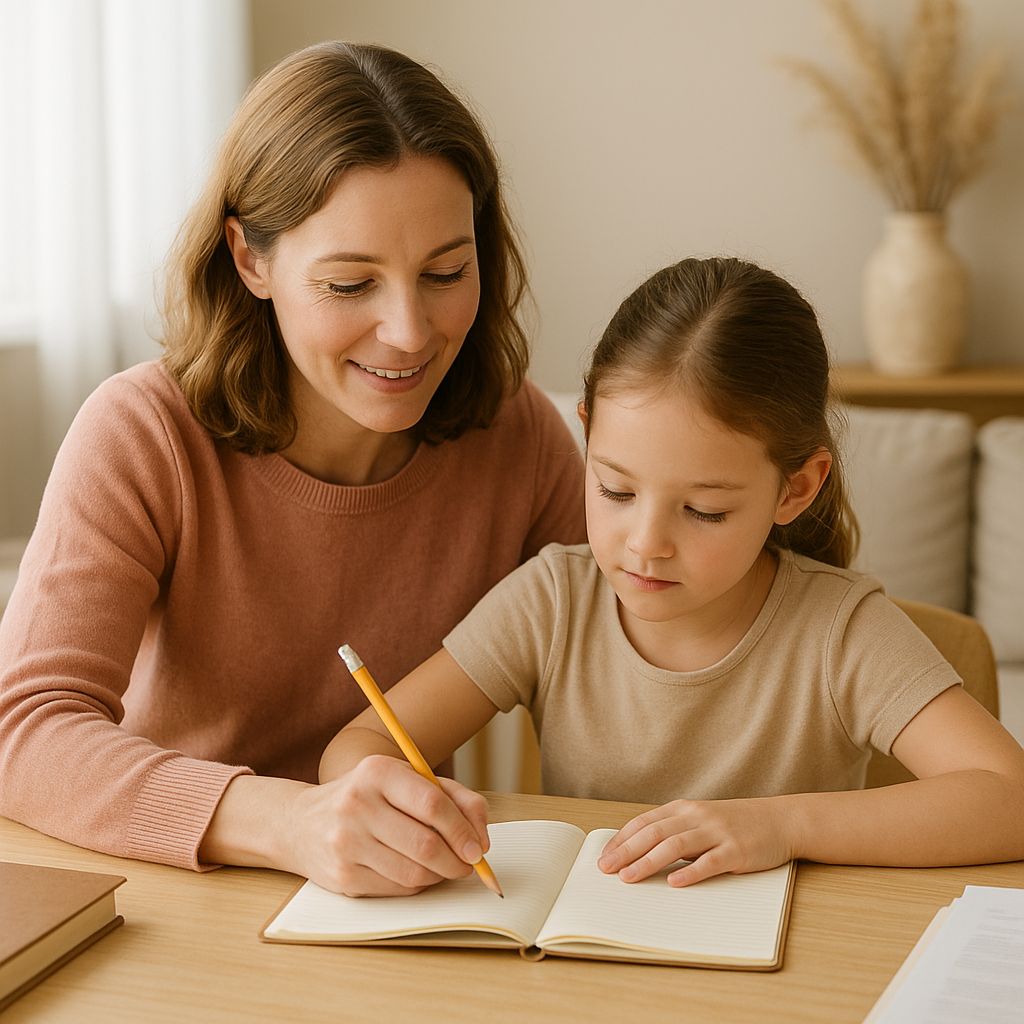

Teaching Respect and Responsibility: Raising Kids Who Care and Contribute
As parents, we all hope our children will grow into kind, considerate, and responsible adults. Two of the most critical values we can instill are respect—for themselves, others, and the world around them—and responsibility—for their actions, choices, and contributions. But in a fast-paced, ever-changing world, teaching these values can feel daunting. The good news? With intention, consistency, and compassion, we can raise kids who not only embody respect and responsibility but also inspire it in others.
Why Are Respect and Responsibility So Important?
Respect and responsibility lay the groundwork for strong relationships, academic success, and personal fulfillment. Children who understand and practice these values are better equipped to:
- Navigate social situations with empathy and confidence
- Take initiative and follow through on commitments
- Resolve conflicts in healthy, constructive ways
- Develop resilience and a strong moral compass
Fostering these qualities early in life sets the stage for lifelong success—both in personal and professional spheres.
The Role of Parents: Modeling Respect and Responsibility
Children are keen observers. They watch how adults treat one another, solve problems, and handle mistakes. Modeling is the most powerful teaching tool you possess. Here’s how to put it into practice:
- Speak Respectfully: Use polite language, even during disagreements. Say “please,” “thank you,” and “I’m sorry.”
- Honor Commitments: Follow through on promises. If you say you’ll play a game after dinner, make it happen.
- Own Your Mistakes: Admit when you’re wrong and apologize. This shows humility and accountability.
- Respect Boundaries: Knock before entering your child’s room; listen when they express feelings or opinions.
When children see respect and responsibility in action, they’re more likely to internalize these behaviors.
Teaching Respect: Practical Strategies for Every Day
Nurturing respect goes beyond good manners—though manners are a great start! Here are practical ways to cultivate respect in kids:
1. Encourage Empathy
Help children consider others’ feelings. Ask questions like, “How do you think your friend felt when that happened?” or “What could you do to help?”
2. Set Clear Expectations
Define what respectful behavior looks like in your family. This could include taking turns speaking, listening without interrupting, and caring for shared spaces.
3. Praise Positive Behavior
When you catch your child being respectful—sharing, using kind words, or helping others—acknowledge it. Positive reinforcement strengthens desired behaviors.
4. Address Disrespect Calmly
If your child is disrespectful, stay calm. Discuss what happened, why it was hurtful, and what can be done differently next time. Avoid shaming; focus on teaching.
5. Expose Kids to Diversity
Read books, watch shows, and engage in activities that introduce different cultures and perspectives. This broadens empathy and appreciation for others.
Teaching Responsibility: Age-Appropriate Approaches
Responsibility means being reliable, accountable, and proactive. Here’s how to nurture it at every stage:
1. Start Small and Build Up
Young children can put toys away or feed a pet. As they grow, increase responsibilities—making their bed, packing a backpack, or helping with meal prep.
2. Assign Regular Chores
Chores teach kids that their contributions matter. Create a family chore chart and rotate tasks to build a sense of teamwork and accountability.
3. Allow Natural Consequences
When children experience the outcomes of their actions (e.g., forgetting homework, not cleaning up), they learn to connect choices with consequences. Guide them through problem-solving rather than rescuing immediately.
4. Encourage Decision-Making
Give children opportunities to make age-appropriate choices—what to wear, which snack to eat, or how to manage time. This fosters independence and ownership.
5. Involve Kids in Family Decisions
Invite your child’s input on family rules or weekend plans. This inclusion builds investment and a sense of shared responsibility.
Balancing Respect and Responsibility: Positive Discipline Strategies
Discipline isn’t about punishment—it’s about teaching. Positive discipline reinforces both respect and responsibility:
- Set Consistent Boundaries: Children thrive when expectations are clear and consistent. Review rules regularly and explain the reasons behind them.
- Use Logical Consequences: Ensure consequences relate to the behavior. If a child spills milk, they help clean it up.
- Problem-Solve Together: When mistakes happen, involve your child in finding solutions. “What can we do differently next time?”
- Recognize Effort: Praise progress, not perfection. “I appreciate how you remembered to put your shoes away.”
Common Challenges and How to Overcome Them
Every family faces hurdles. Here’s how to navigate common challenges:
1. Sibling Rivalry
Set ground rules for respectful interactions. Encourage sharing, turn-taking, and use family meetings to resolve conflicts collectively.
2. Resistance to Chores
Make chores routine, not negotiable. Offer choices (e.g., “Would you rather set the table or sweep?”) and use a reward system for consistency.
3. Disrespect in Public
Prepare your child for social situations by role-playing and discussing expectations. Address incidents privately and constructively.
4. Forgetfulness or Carelessness
Use reminders, visual schedules, and gentle prompts. Gradually transfer ownership as your child demonstrates responsibility.
Building a Foundation for Lifelong Success
Respect and responsibility are not one-time lessons—they’re ongoing conversations. As children grow, their understanding deepens. Continue to:
- Model values in everyday life
- Engage in open, honest communication
- Adapt responsibilities as your child matures
- Celebrate growth, both big and small
The investment you make today shapes not just your child, but the future communities they will serve and lead.
Conclusion
Teaching respect and responsibility is a journey, not a destination. It requires patience, consistency, and a commitment to growth—for both children and parents. By embedding these core values into daily life, you empower your child to navigate the world with confidence, compassion, and a sense of purpose. The seeds you plant now will blossom throughout your child’s life—and beyond.