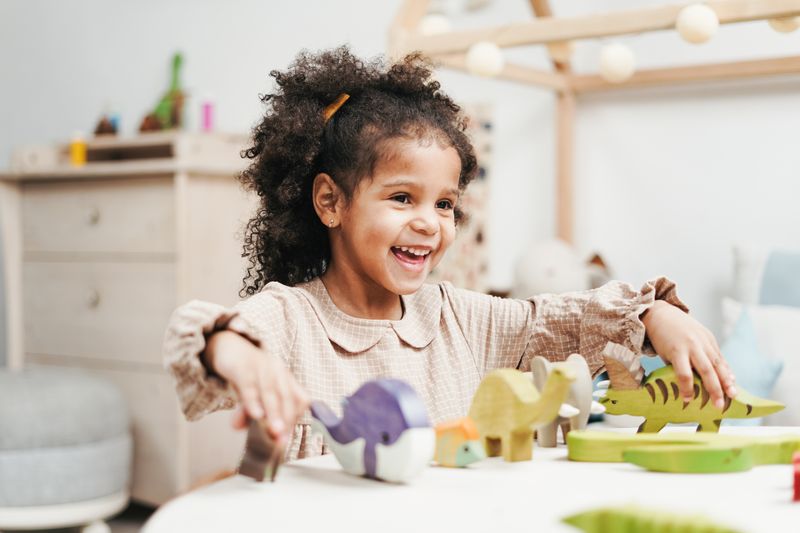
Teaching Kids to Express Their Feelings: A Guide for Preschool Parents
Preschoolers are little explorers—not just of the world around them, but of their own hearts and minds. Every day brings new experiences and, with them, a whirlwind of emotions. Sometimes those feelings burst forth in giggles, sometimes in tears, and occasionally in stomping feet or crossed arms. As parents, our role is to help our children make sense of these emotions and give them the tools to express themselves in healthy, constructive ways.
Why Emotional Expression Matters in Preschool Years
Emotional expression is a cornerstone of early childhood development. When children learn to identify, understand, and communicate their feelings, they build emotional intelligence—a skill that will serve them for life. It helps them handle stress, forge friendships, and resolve conflicts. But for many preschoolers, finding the right words or actions to express complex feelings like frustration, excitement, or sadness can be tricky.
Common Preschooler Emotions
- Happiness
- Anger
- Fear
- Sadness
- Excitement
- Jealousy
- Frustration
These emotions can surface in unexpected ways. A child may cry when they're frustrated, hit when they're angry, or cling when they're scared. Recognizing the underlying feeling is the first step toward healthy emotional expression.
Building Emotional Vocabulary
Children need language to describe their feelings. Start by naming your own emotions in everyday situations. For example:
- “I feel happy because we’re going to the park!”
- “I’m a little frustrated that it’s raining and we can’t play outside.”
This simple modeling teaches your child to connect words to their experiences. Encourage them to do the same:
- “How did you feel when your friend took your toy?”
- “You look sad. Do you want to talk about it?”
Practical Strategies for Teaching Emotional Expression
1. Use Storytime for Emotional Exploration
Preschoolers adore stories. Choose books that highlight feelings and discuss what the characters experience. Ask questions like:
- “How do you think the bear feels when he loses his friend?”
- “What could the bunny do to feel better?”
Some recommended titles include:
- The Color Monster by Anna Llenas
- My Many Colored Days by Dr. Seuss
- Today I Feel... by Madalena Moniz
2. Play Feelings Games
Games make learning fun! Try these activities:
- Feelings Faces: Draw faces showing different emotions and ask your child to name them.
- Emotion Charades: Act out feelings (like happy, grumpy, scared) and let your child guess.
- Feelings Bingo: Use cards with expressions; when your child sees someone with that emotion, they get a bingo!
3. Encourage Art and Music
Art and music are powerful outlets for emotions. Provide crayons, paints, or playdough and invite your child to “draw how you feel.” Play songs and talk about how the music makes you both feel—sad, excited, sleepy, or silly.
4. Model Empathy and Active Listening
When your child shares their feelings, respond with empathy:
- “I see that you’re upset. It’s okay to feel sad when your friend goes home.”
- “Thank you for telling me you’re angry. Let’s talk about it.”
Active listening means giving your full attention, making eye contact, and validating their feelings without judgment.
5. Create a Safe Space for Conversations
Children need to know their feelings are welcome. Set aside quiet moments—during bedtime, after school, or at the dinner table—to check in. Ask gentle, open-ended questions:
- “What was your favorite part of today?”
- “Was anything hard or frustrating?”
6. Use Visual Aids
Preschoolers are visual learners. Create a “feelings chart” with pictures, or use emoji stickers. When your child struggles to describe their feelings, let them point to the image that matches their mood.
7. Practice Problem-Solving Together
Once a child expresses their feelings, help them brainstorm solutions. For example:
- “You’re angry because your block tower fell. What could we do? Build again? Ask for help?”
- “You’re nervous about your first day of school. What might help you feel better?”
Problem-solving builds confidence and shows children their feelings matter.
Handling Big Emotions: Tips for Parents
Sometimes, preschool feelings are larger than life. Tantrums, tears, and outbursts are common. Here’s how to handle them:
- Stay Calm: Your composure helps your child feel safe.
- Validate: “It’s okay to feel angry. I’m here.”
- Offer Comfort: A hug, gentle touch, or soothing words can work wonders.
- Set Boundaries: It’s okay to be upset, but not okay to hurt others or break things.
- Reflect Later: Once calm, discuss what happened and what might help next time.
When to Seek Help
If your child’s emotions seem overwhelming—persistent sadness, aggression, or withdrawal—it may be time to consult a pediatrician or child psychologist. Early support can make a big difference.
Integrating Emotional Expression into Daily Life
Teaching emotional expression isn’t a one-time lesson—it’s a daily practice. Here’s how to weave it into your routines:
- Morning Check-In: Ask, “How are you feeling today?”
- Mealtime Moments: Share highs and lows of the day.
- Bedtime Reflection: Talk about feelings before sleep.
- Playtime: Role-play scenarios with dolls, action figures, or stuffed animals.
Fun Feelings Activities for Preschoolers
Looking for inspiration? Try these hands-on activities:
- Feelings Collage: Cut out faces from magazines and glue them onto paper. Sort them by mood.
- Emotion Wheel: Create a spinning wheel with different feelings. Let your child spin and share an experience related to the emotion.
- Story Stones: Paint stones with faces representing emotions. Use them to tell stories about feelings.
- Feelings Jar: Write feelings on slips of paper and keep them in a jar. Each day, pick one and discuss when you felt that emotion.
Building Trust and Connection
When children know their feelings are accepted, they trust you more deeply. This trust builds a strong parent-child bond and lays the foundation for lifelong emotional health. Remember, expressing feelings isn’t always easy—even for adults! Your patience, empathy, and encouragement make all the difference.
Common Challenges and How to Overcome Them
- Shyness: Some preschoolers are naturally reserved. Give them time, avoid pressure, and celebrate small steps.
- Language Barriers: If your child’s vocabulary is limited, use pictures, stories, or gestures.
- Cultural Differences: Some cultures discourage open emotional expression. Honor your values while finding a balance that helps your child thrive.
- Parental Stress: You’re human, too! Take care of your own emotional health so you can support your child’s.
Frequently Asked Questions
- Why is it important for preschoolers to express their feelings?
- Expressing feelings helps preschoolers build emotional intelligence, manage stress, and develop strong relationships. It also reduces behavioral issues by allowing children to communicate needs and frustrations.
- What are some signs my child struggles to express emotions?
- Signs may include frequent tantrums, withdrawal, aggressive behavior, or difficulty telling you what’s wrong. These indicate your child might need extra support in communicating their feelings.
- How can I encourage my preschooler to talk about their feelings?
- Use open-ended questions, model emotional language, read stories about feelings, and create a safe, non-judgmental environment. Fun activities like drawing or role-play can also help.
- Are there helpful books about feelings for preschoolers?
- Yes! Books like 'The Color Monster' by Anna Llenas, 'My Many Colored Days' by Dr. Seuss, and 'Today I Feel...' by Madalena Moniz are excellent for teaching emotional vocabulary and expression.
- What should I do if my child’s emotions seem overwhelming?
- Stay calm, validate their feelings, and offer comfort. If emotions persistently interfere with daily life, consider consulting a pediatrician or child psychologist for guidance.
Conclusion: Growing Giggles and Emotional Strength
Preschool is a magical stage—full of curiosity, creativity, and big feelings. By teaching your child to express their emotions, you empower them to navigate the world with resilience and joy. Remember: every giggle, every tear, and every “I feel…” moment is a step toward emotional strength. With your support, your child will learn that feelings are not just allowed—they’re celebrated. Here’s to growing giggles and growing hearts!