
Teaching Kids Independence Through Travel: A Guide for Parents
Independence is a cornerstone of healthy child development—yet, nurturing this trait can be challenging in the comfort of home. Enter travel: a dynamic, real-world classroom where children encounter new experiences, face challenges, and learn to solve problems. Traveling with kids isn’t simply about fun or relaxation; it’s an opportunity to teach essential life skills and empower your child to grow into a confident, capable individual.
Why Travel Is a Powerful Tool for Teaching Independence
Travel naturally demands adaptability and responsibility. Children must navigate unfamiliar environments, communicate with strangers, and make choices big and small. This encourages:
- Confidence Building: Each successful experience—from ordering food in a new language to navigating airport security—reinforces your child’s self-belief.
- Decision-Making: Travel presents countless opportunities for kids to weigh options and make choices, fostering critical thinking.
- Responsibility: Tasks such as packing, caring for belongings, and budgeting pocket money teach accountability.
- Resilience: Unexpected challenges (missed buses, language barriers) help children develop problem-solving skills and adaptability.
How Parents Can Foster Independence Through Travel
Parents play a pivotal role in guiding children toward independence. Here’s how you can maximize travel’s educational potential:
- Model Independence: Show your child how you plan, make decisions, and handle challenges.
- Assign Age-Appropriate Tasks: Gradually increase your child’s responsibilities, from packing their toys to navigating city maps.
- Encourage Problem-Solving: When issues arise, ask your child for their input and guide them through solutions.
- Celebrate Success: Recognize achievements, both big and small, to reinforce positive behavior.
Practical Ways to Teach Independence on Family Trips
With intentional planning, travel can be transformed into a series of teachable moments. Here are actionable strategies for parents:
1. Involve Kids in Trip Planning
Let children help choose destinations, activities, or restaurants. Present them with options and encourage research. This fosters ownership and decision-making skills.
2. Packing and Preparation
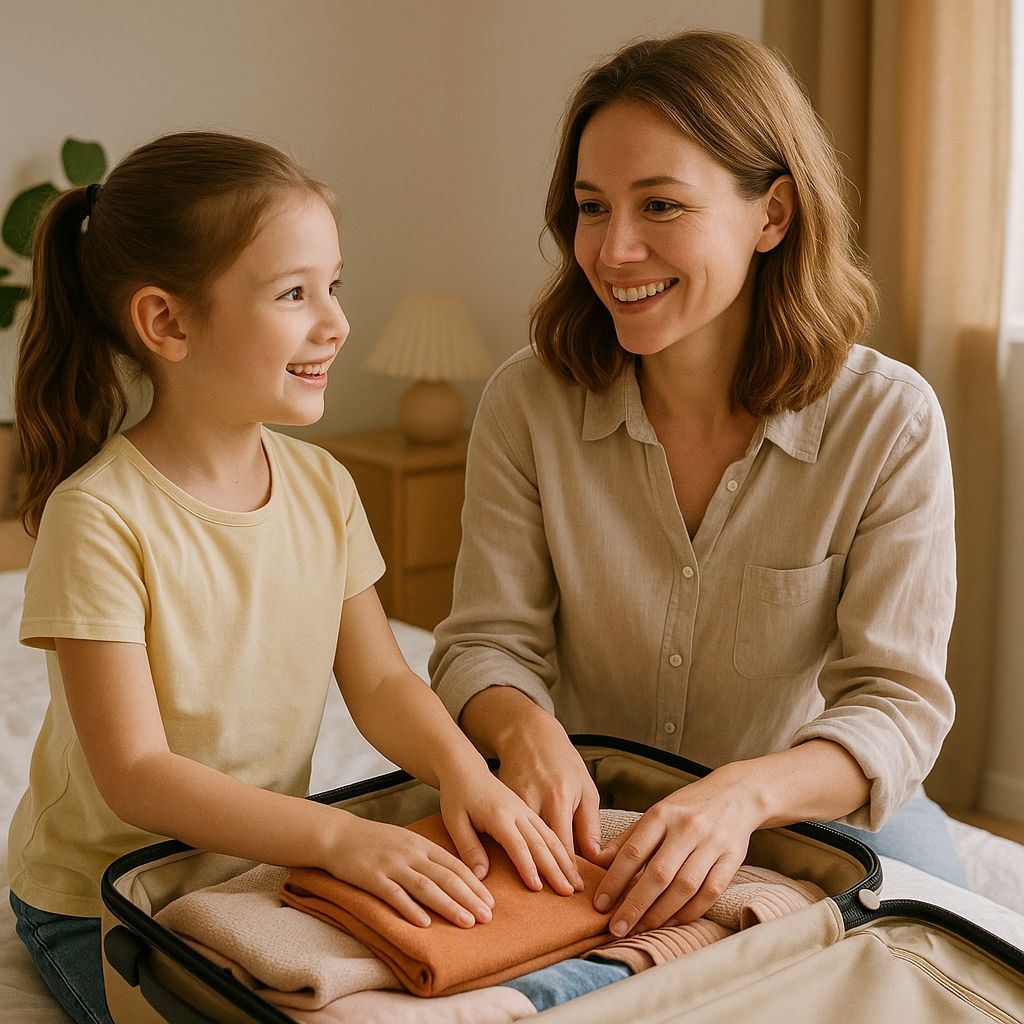
Teach children to pack their own bags using checklists. Discuss what is necessary versus optional, and encourage them to be responsible for their possessions throughout the trip.
3. Navigation and Directions
Give your child a map or a phone with navigation apps. Let them lead the way during sightseeing, explaining routes and landmarks. This builds spatial awareness and confidence.
4. Managing Money
Allow children to manage a small budget for souvenirs or snacks. Teach them about currency, basic math, and budgeting skills. Discuss spending choices and consequences.
5. Problem-Solving on the Go
When unexpected challenges arise (lost items, delayed transport), involve your child in finding solutions. Ask questions like, “What do you think we should do?” or “How can we solve this together?”
6. Social Interactions
Encourage your child to order food, ask for directions, or interact with locals. Role-play scenarios beforehand if needed, and praise their efforts.
7. Personal Safety Awareness
Teach your child about safety rules, such as staying close in crowded places, identifying emergency contacts, and what to do if separated. Practice these skills in real-life situations.
8. Reflection and Learning
After each trip, discuss what your child learned about themselves and the world. Encourage them to express how their independence grew, and identify areas for improvement.
Independence-Building Activities for Different Age Groups
Every child is unique, and their readiness for independence varies with age and personality. Here’s how you can tailor travel experiences:
Early Childhood (Ages 3-6)
- Let them choose a toy or snack for the journey.
- Encourage them to carry their own backpack.
- Teach basic safety rules and routines.
Middle Childhood (Ages 7-12)
- Involve them in packing and planning.
- Let them help with navigation and reading signs.
- Assign them responsibility for certain belongings (passport, camera).
- Encourage social interactions with peers and locals.
Adolescents (Ages 13+)
- Allow them to plan parts of the itinerary or budget spending.
- Encourage independent exploration within safe boundaries.
- Discuss cultural differences and ethical travel behaviors.
- Foster leadership by involving them in group decisions.
Common Challenges and How to Overcome Them
Teaching independence through travel isn’t always seamless. Here are typical hurdles and expert solutions:
Fear of Letting Go
Parents may struggle with relinquishing control. Start small, provide clear boundaries, and gradually increase autonomy as your child demonstrates readiness.
Resistance from Children
Some kids may resist new responsibilities. Frame tasks as exciting challenges and provide positive reinforcement. Be patient and celebrate incremental progress.
Safety Concerns
Prioritize safety by setting rules, practicing emergency scenarios, and staying informed about local risks. Equip your child with knowledge and tools (contact cards, phone numbers).
Benefits of Raising Independent Children Through Travel
The rewards of teaching independence through travel go beyond the immediate trip:
- Life Skills: Planning, budgeting, and problem-solving translate to everyday success.
- Confidence: Children learn they can handle unfamiliar situations.
- Resilience: Adaptability becomes second nature, preparing kids for future challenges.
- Cultural Awareness: Exposure to diverse cultures fosters empathy and global thinking.
- Stronger Family Bonds: Shared experiences create lasting memories and deepen relationships.
Expert Tips for Success
- Start Early: Begin with small steps and build on them as your child grows.
- Be Consistent: Reinforce independence at home and during travel.
- Set Clear Expectations: Explain tasks and boundaries before the trip.
- Offer Guidance, Not Control: Let your child lead, offering support only when needed.
- Encourage Reflection: Discuss lessons learned and celebrate successes together.
Conclusion: Creating Lasting Impact
Travel is more than a break from routine—it’s a transformative experience that can shape your child’s character for life. By intentionally fostering independence, parents equip their children with the skills, confidence, and resilience needed to thrive in a complex world. Whether you’re exploring a new city or venturing abroad, every journey is an opportunity to teach, empower, and grow—together.
Frequently Asked Questions
- How can travel help my child become more independent?
- Travel exposes children to new environments and challenges, requiring them to make decisions, adapt, and take responsibility. Activities such as packing, navigating, and budgeting teach practical life skills and boost confidence.
- At what age should I start encouraging independence through travel?
- You can start at any age by gradually increasing your child’s autonomy. Even young children can participate in simple tasks, while older kids can take on more complex responsibilities.
- What are some travel activities that teach independence?
- Packing their own bags, helping with navigation, choosing activities, managing pocket money, and planning parts of the itinerary are excellent ways to foster independence.
- How do I balance guidance and autonomy during travel?
- Provide clear instructions and boundaries, then allow your child to practice tasks independently. Offer support when needed, but encourage problem-solving and decision-making.