
Teaching Empathy and Respect: Raising Kind and Thoughtful Pre-Teens
As parents, we all hope our children grow into compassionate, thoughtful adults who treat others with kindness and respect. The pre-teen years (ages 9-12) are a pivotal time for developing these traits. During this stage, kids are forming their own identities, navigating complex social dynamics, and becoming more aware of the world around them. Teaching empathy and respect isn’t just about correcting bad behavior—it’s about nurturing lifelong values that will shape your child’s relationships, self-image, and future success.
Why Are Empathy and Respect So Important for Pre-Teens?
Empathy is the ability to understand and share the feelings of another person. Respect is the recognition and appreciation of others’ rights, feelings, and boundaries. These skills are foundational for building positive friendships, resolving conflicts, and working collaboratively. As pre-teens face new social challenges, empathy and respect empower them to make better choices, stand up against bullying, and embrace diversity.
How Pre-Teens Learn Empathy and Respect
Children don’t learn empathy and respect overnight. These qualities are cultivated through daily interactions, family values, and intentional teaching moments. Pre-teens are especially receptive to lessons learned through example, discussion, and direct experience.
- Modeling: Kids learn what they see. When parents treat others with understanding and courtesy, children internalize those behaviors.
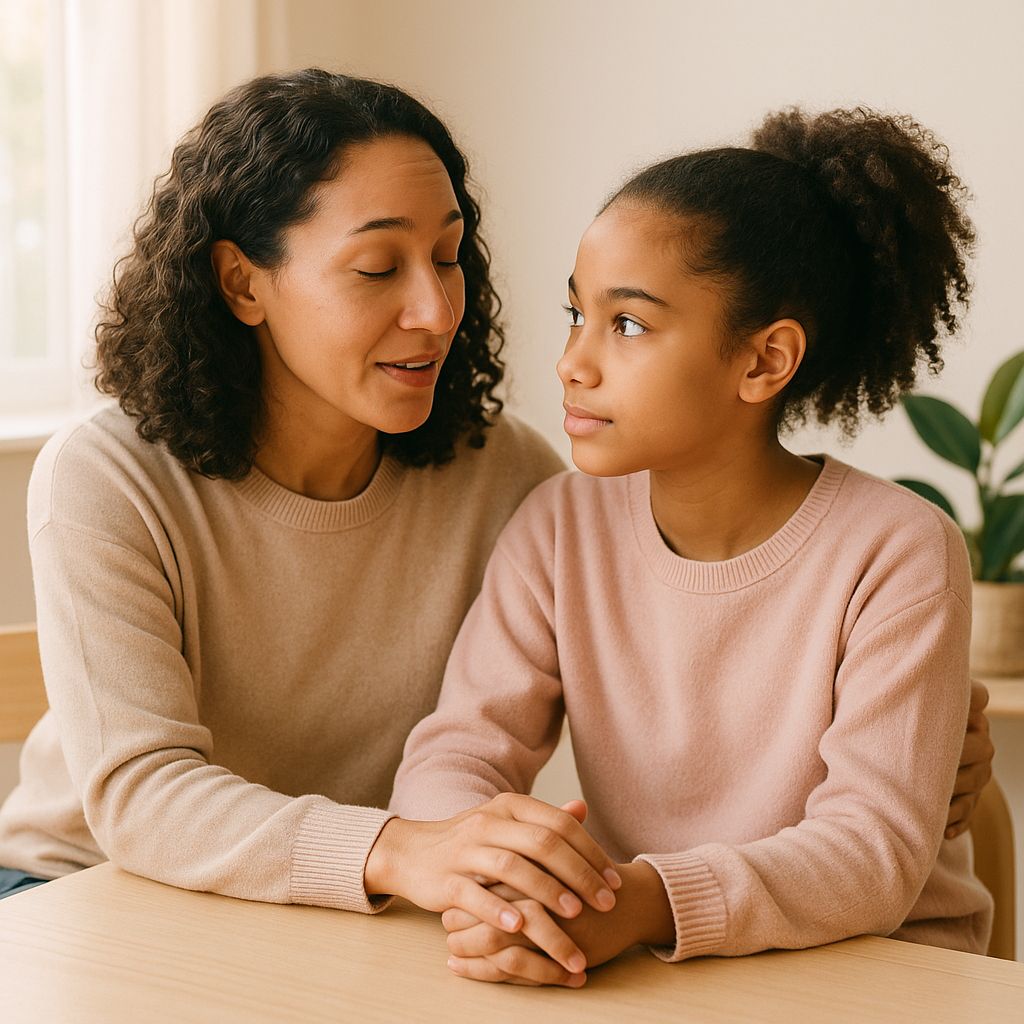
- Open Dialogue: Honest conversations about feelings, experiences, and perspectives help pre-teens practice empathy and respectful communication.
- Community Engagement: Engaging in volunteer work or community service exposes children to different backgrounds and encourages compassion.
- Reflective Activities: Activities that encourage kids to reflect on their own feelings and the feelings of others foster emotional intelligence and self-awareness.
Practical Strategies for Teaching Empathy and Respect
1. Use Everyday Moments as Teaching Opportunities
Some of the best opportunities to teach empathy and respect happen in the course of everyday life. If your child witnesses an argument at school, sees someone being excluded, or feels left out themselves, talk through what happened. Ask open-ended questions like:
- "How do you think that made them feel?"
- "What do you think you could do if you were in that situation?"
- "Has something like this ever happened to you? How did it make you feel?"
These conversations help pre-teens practice seeing situations from different perspectives and considering the impact of their actions.
2. Model Respectful Behavior in Your Home
Your family is your child’s first classroom. Show respect in small ways—saying "please" and "thank you," listening attentively, and apologizing if you make a mistake. Treat disagreements as opportunities to demonstrate respectful communication. When conflicts arise, stay calm and model how to resolve them thoughtfully, rather than with anger or blame.
3. Encourage Active Listening
Teach your pre-teen to listen with their full attention, making eye contact and responding thoughtfully. Practice active listening at home by giving your child your undivided attention when they speak, and expect the same in return. This not only builds empathy, but also strengthens your parent-child bond.
4. Expose Your Child to Different Perspectives
Reading books, watching movies, and sharing stories from diverse backgrounds introduce pre-teens to experiences outside their own. Afterward, discuss how the characters felt, what challenges they faced, and what your child might have done differently. Some book recommendations for building empathy include:
- "Wonder" by R.J. Palacio
- "Inside Out and Back Again" by Thanhha Lai
- "Fish in a Tree" by Lynda Mullaly Hunt
5. Practice Empathy and Respect Through Role-Playing
Role-playing scenarios—like apologizing after hurting someone’s feelings or standing up for a friend—give pre-teens a safe space to practice empathy and respectful responses. Take turns acting out different roles, and talk about how each person might feel and what could help resolve the situation.
6. Volunteer as a Family
Volunteering helps children see the needs of others and understand their ability to make a positive difference. Whether it’s serving at a food bank, collecting donations, or participating in community clean-ups, these experiences nurture empathy in a real-world context. Talk afterward about what you saw, how it felt, and how you can continue to help.
7. Set Clear Expectations and Boundaries
Empathy and respect go hand in hand with clear boundaries. Teach your pre-teen that everyone deserves to be treated with kindness, and that it’s okay to stand up for themselves in a respectful way. Explain the importance of both giving and expecting respect in their interactions.
Fun Activities to Build Empathy and Respect
- Feelings Charades: Write different emotions on slips of paper and take turns acting them out. Discuss situations when someone might feel that way.
- Gratitude Journals: Encourage your child to write a few things they appreciate about others each day.
- Compliment Chain: Start a chain where each family member gives another a genuine compliment. This boosts self-esteem and encourages positive thinking.
- Perspective-Taking Games: Discuss a story or news event and ask, "How do you think the other person felt?" or "What would you do in their shoes?"
Handling Disrespectful Behavior
Even the most well-intentioned pre-teen will slip up occasionally. When disrespectful behavior occurs, address it calmly and consistently. Avoid shaming or lecturing; instead, explain why the behavior was hurtful and what a more respectful response might look like. Encourage apologies and guide your child toward making amends.
For example, if your pre-teen rolls their eyes or speaks rudely, say, "I noticed you were upset. It’s okay to feel that way, but it’s not okay to speak to me like that. Can you try expressing your feelings more respectfully?" This reinforces boundaries while giving your child tools for better communication.
Supporting Emotional Intelligence and Self-Regulation
Empathy and respect are closely tied to emotional intelligence—the ability to understand, manage, and express emotions. Help your pre-teen build these skills by:
- Encouraging them to name their feelings (e.g., "I feel frustrated because...")
- Practicing healthy coping strategies (deep breathing, taking a break, journaling)
- Validating their emotions while guiding them toward appropriate responses
When children feel understood, they’re more likely to show understanding toward others.
Celebrating Progress and Growth
Notice and praise your pre-teen’s efforts to be empathetic and respectful. Be specific (“I was proud of how you comforted your friend today” or “Thank you for listening so patiently”). Positive reinforcement encourages them to repeat those behaviors and builds their confidence as caring individuals.
Building Empathy and Respect in a Digital Age
Many pre-teens’ social lives now include online interactions. Teach your child about digital respect—being kind in texts, social media, and gaming chats. Discuss cyberbullying, digital footprints, and the importance of thinking before posting. Remind them that the same rules of empathy and respect apply online as in person.
When to Seek Extra Help
Sometimes, persistent challenges with empathy and respect may signal deeper issues, such as bullying, anxiety, or trouble with social cues. If you’re concerned about your child’s behavior, reach out to a school counselor, therapist, or pediatrician for guidance and support.
Conclusion
Teaching empathy and respect is an ongoing journey, not a one-time lesson. By modeling compassionate behavior, fostering open communication, and providing real-world practice, you’re helping your pre-teen build skills that will serve them for life. Every kind word, thoughtful action, and respectful interaction makes a difference—not just in your child’s life, but in the world around them.
Remember, progress is more important than perfection. Celebrate the small steps, stay patient, and continue nurturing your child’s growing heart and mind. Together, you’re raising a generation of kind, thoughtful, and respectful individuals—one giggle, one conversation, one act of empathy at a time.