
Teaching Basic Life Skills to Preschoolers: Dressing, Cleaning, Helping
Preschoolers are eager explorers, soaking up the world around them with boundless curiosity and enthusiasm. As parents, one of our most important roles is to equip them with the skills they'll need to navigate daily life with confidence. Teaching basic life skills, such as dressing, cleaning, and helping at home, is a wonderful way to foster independence, build self-esteem, and lay the foundation for future success.
Why Life Skills Matter for Preschoolers
Learning life skills isn't just about getting through the day—it's about empowering your child to grow, learn, and thrive. When preschoolers master basic tasks, they develop a sense of accomplishment and begin to understand their role in the family and community. These early lessons also nurture resilience, patience, and problem-solving abilities.
Let’s dive into practical strategies for teaching your preschooler essential life skills, with a focus on dressing, cleaning, and helping. Plus, you'll find fun activities, expert tips, and gentle encouragement for making these routines enjoyable for everyone.
1. Dressing: Building Independence One Sock at a Time
Why Teaching Dressing Matters
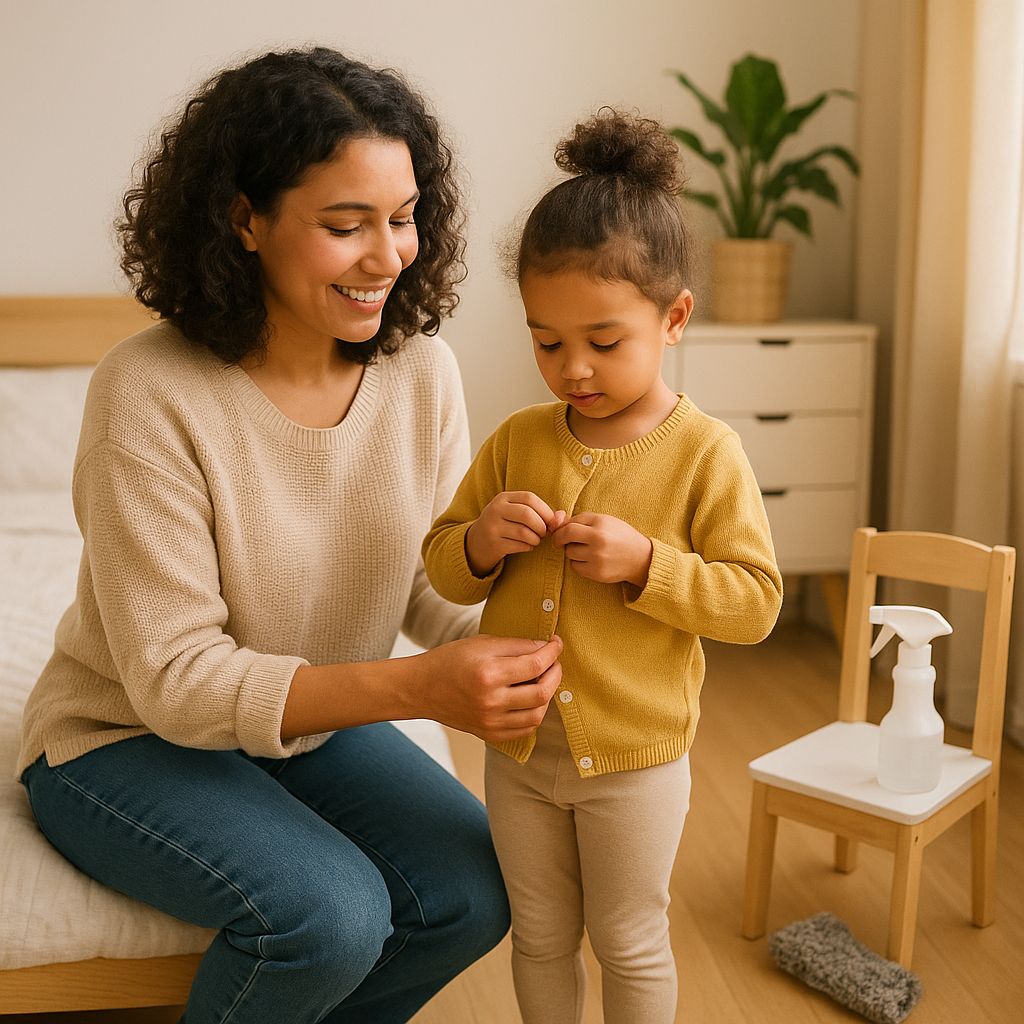
Learning to dress is a significant milestone towards independence. It helps children develop fine motor skills, spatial awareness, and self-confidence. While it may take time (and a lot of patience!), your preschooler will beam with pride when they pull on their own shirt or zip up their jacket.
Tips for Teaching Dressing Skills
- Choose Simple Clothing: Opt for items with large buttons, easy zippers, elastic waists, and Velcro fasteners. These are easier for little hands to manage.
- Set Up a Routine: Make dressing part of your morning schedule. Consistency helps children know what to expect and builds confidence.
- Offer Visual Cues: Lay out clothes in the order they should be put on. Use pictures or charts to guide your child through each step.
- Break It Down: Teach one skill at a time—such as putting on socks, then shoes, then pants—before expecting your child to dress independently.
- Encourage Practice: Set aside time for your child to practice dressing, especially on weekends or before playdates.
- Celebrate Progress: Praise effort and progress, not just perfection. A cheerful "You did it!" goes a long way.
Fun Dressing Activities
- Dress-Up Games: Use costumes and pretend play to practice putting on and taking off clothes.
- Matching Socks: Turn matching socks into a sorting game for color and pattern recognition.
- Button Races: Time your child as they try to button up a shirt—make it silly and lighthearted!
2. Cleaning: Turning Chores into Cheerful Challenges
Why Cleaning Matters
Cleaning teaches preschoolers responsibility, teamwork, and organizational skills. It also helps them understand the importance of taking care of their environment. While the idea of chores might sound daunting, preschoolers often enjoy helping out—especially when it’s turned into a game!
Age-Appropriate Cleaning Tasks
- Picking up toys and books
- Wiping tables or counters with a damp cloth
- Sorting laundry by color
- Putting dirty clothes in the hamper
- Dusting low shelves
Tips for Teaching Cleaning Skills
- Make It Fun: Use upbeat music, timers, or silly dances to turn cleaning into play.
- Use Child-Safe Materials: Provide small, lightweight tools like dusters, cloths, or a child-sized broom.
- Model the Behavior: Show your child how tasks are done and work alongside them.
- Set Clear Expectations: Explain what you’d like your child to do and demonstrate the process.
- Offer Choices: Let your child pick which task they’d like to help with. Choices foster a sense of control and engagement.
- Praise Effort: Focus on participation and effort rather than perfection.
Cleaning Games and Activities
- Tidy-Up Treasure Hunt: Hide small toys and challenge your child to find and put them away.
- Color Sorting Laundry: Let your child sort socks or shirts by color before washing.
- Race Against the Timer: Set a timer and see how many items your child can tidy up in a minute.
3. Helping: Nurturing Kindness and Responsibility
Why Helping Matters
Helping at home fosters empathy, teamwork, and a sense of belonging. When children contribute, they feel valued and learn to appreciate the efforts of others. Preschoolers naturally want to help—especially when their actions are acknowledged and celebrated.
Ways Preschoolers Can Help at Home
- Setting the table (with supervision)
- Feeding pets (with guidance)
- Watering plants
- Handing out napkins or utensils
- Carrying lightweight groceries
Tips for Encouraging Helping Behaviors
- Assign Age-Appropriate Tasks: Choose chores that are safe and manageable for your child’s age and abilities.
- Use Positive Reinforcement: Thank your child for their help and offer specific praise—"I love how you watered the plants!"
- Model Helpfulness: Involve your child in family routines and show how everyone works together.
- Make It Routine: Build helping into daily activities, such as cleaning up after meals or feeding pets.
- Teach Through Play: Role-play helping scenarios with stuffed animals or dolls.
Fun Helping Activities
- Family Helper Chart: Create a colorful chart with stickers to track your child’s helping tasks.
- Pet Care Routine: Let your child help feed or brush pets, with supervision.
- Garden Helpers: Invite your child to water plants or pull weeds together.
Making Life Skills Part of Everyday Life
Integrating life skills into your daily routines doesn't have to be complicated. The key is consistency, patience, and making tasks enjoyable. Here are some practical ways to weave dressing, cleaning, and helping into your family's day:
- Establish Routines: Set regular times for dressing, tidying up, and helping out. Routines make life skills feel natural and expected.
- Give Clear Instructions: Use simple language and visual cues to guide your child.
- Stay Patient: Remember that learning new skills takes time. Celebrate small victories and offer gentle guidance when needed.
- Encourage Problem-Solving: When your child encounters challenges, ask questions like, "What could we try next?" or "How can we fix this together?"
- Involve Your Child: Invite your child to participate in family decisions, such as choosing which chores to do or what to wear.
Overcoming Common Challenges
Life skills are learned through trial and error. It’s normal for preschoolers to resist, struggle, or need extra support. Here are some strategies for overcoming common challenges:
- Resisting Tasks: Offer choices, turn tasks into games, and use positive reinforcement. Avoid power struggles by staying calm and upbeat.
- Frustration: Break tasks into smaller steps and offer help when needed. Use encouraging words and remind your child that everyone learns at their own pace.
- Messiness: Expect messes and mistakes—they’re part of learning! Guide your child to clean up after themselves and praise their efforts.
- Forgetfulness: Use visual reminders, such as charts or pictures, and gently prompt your child when needed.
Celebrating Success and Progress
Every new skill is a cause for celebration! Preschoolers thrive on positive attention and encouragement. Celebrate progress by:
- Taking photos of your child’s achievements
- Sharing their successes with family members
- Offering special stickers or rewards
- Writing a note or drawing a picture together
Remember, your praise and support are the most powerful motivators. By focusing on effort and progress, you’ll help your child develop a lifelong love of learning and a sense of pride in their abilities.
Life Skills Checklist for Preschoolers
Wondering what skills your preschooler can learn? Here’s a handy checklist to guide your journey:
- Putting on and taking off clothes independently
- Matching and sorting socks
- Wiping spills or surfaces
- Picking up toys and books
- Sorting laundry by color
- Helping set the table
- Feeding pets (with supervision)
- Watering plants
- Carrying lightweight items
Every child is unique. Some may master these skills quickly, while others need more time and practice. The goal is to build confidence, independence, and a sense of responsibility—not perfection!
Final Thoughts: Empowering Your Preschooler
Teaching basic life skills to preschoolers is a joyful, rewarding journey. By nurturing independence, celebrating progress, and making daily routines fun, you’ll help your child develop essential abilities that will serve them for a lifetime. Remember, the most important ingredient is your love, patience, and encouragement.
So, grab those socks, dusters, and watering cans—let’s build a happy, helpful home together!
Frequently Asked Questions
- Why are life skills important for preschoolers?
- Life skills help preschoolers develop independence, confidence, and a sense of responsibility. They lay the foundation for success in school and later life.
- How can I make dressing easier for my preschooler?
- Choose simple clothing with easy fasteners, offer visual cues, and practice patience. Turn dressing into a game and celebrate their efforts.
- What cleaning tasks are appropriate for preschoolers?
- Preschoolers can help with simple tasks like picking up toys, wiping tables, or sorting laundry. Always supervise and use child-safe materials.
- How do I encourage my child to help at home?
- Assign age-appropriate chores, use positive reinforcement, and model helpful behavior. Make helping a fun and regular part of your routine.
- What if my child resists learning life skills?
- Stay patient and positive. Break tasks into small steps, offer choices, and use encouragement rather than pressure. Every child learns at their own pace.
Looking for more parenting tips? Check out our other articles on Growing Giggles for expert advice, fun activities, and support for every stage of childhood!