Stress in Babies: Signs and Solutions
When we think of stress, we often imagine adults juggling busy schedules or older kids facing school pressures. But did you know that babies can experience stress too? While they may not be worrying about deadlines or homework, infants are surprisingly sensitive to their environment and can show clear signs of stress. As a parent, recognizing these signs and knowing how to help your baby can make a world of difference in their well-being. Let’s dive into the world of stress in babies: what it looks like, why it happens, and how you can support your little one through it.
Why Do Babies Get Stressed?
Babies are born with developing nervous systems. While they’re incredibly resilient, their brains and bodies are also highly sensitive to changes in their surroundings. Stress in babies isn’t just about big life events; it can be triggered by everyday experiences such as:
- Overstimulation from noise, lights, or too many faces
- Separation from primary caregivers
- Changes in routine, such as travel or a new daycare
- Physical discomfort like teething, illness, or hunger
- Parental stress that babies can sense and mirror
Since babies can’t tell us with words how they’re feeling, they use their bodies and behaviors to communicate. Understanding the signals is the first step to helping them feel secure.
Common Signs of Stress in Babies
Stress doesn’t look the same for every baby, but there are some common signs parents can watch for. Keep in mind that these behaviors can also be caused by other things, so it’s important to look at the whole picture and consult with your pediatrician if you’re concerned.
1. Changes in Sleep Patterns
- Sudden difficulty falling or staying asleep
- More frequent night wakings
- Shorter naps or trouble settling down
2. Feeding Difficulties
- Refusing feeds or eating less than usual
- Spitting up more often
- Changes in appetite
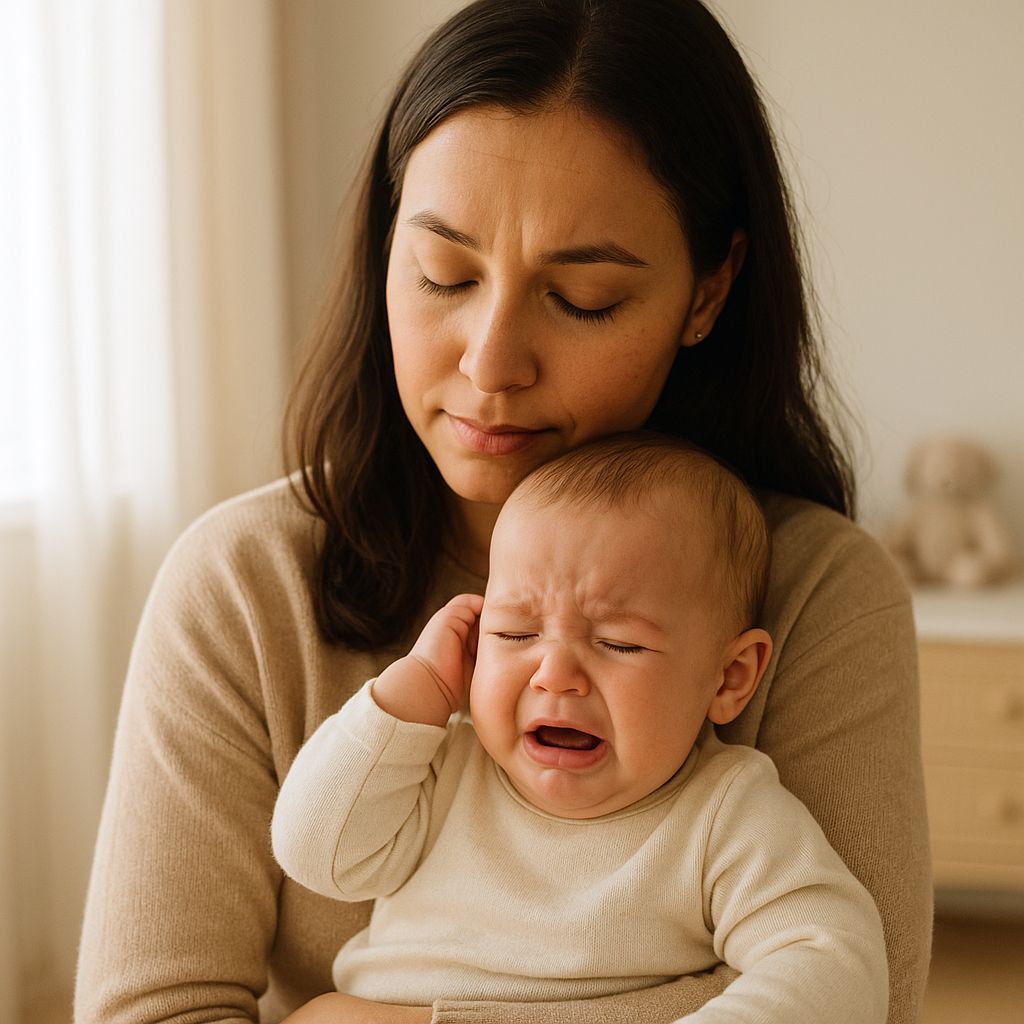
3. Increased Fussiness or Crying
- More irritable or hard to soothe
- Crying spells that don’t have an obvious cause
4. Physical Symptoms
- Tummy troubles (gas, constipation, diarrhea)
- Skin rashes or eczema flare-ups
- Frequent hiccups or sneezing
5. Behavioral Changes
- Clinginess or wanting to be held constantly
- Withdrawing from eye contact or play
- Startling easily
If you notice several of these signs together, it might be time to look for possible stress triggers and help your baby cope.
Why Addressing Stress in Babies Matters
Babies’ brains are growing at an incredible rate, forming millions of connections every second. Ongoing or intense stress can affect this development, shaping how they respond to the world as they grow. Studies show that chronic stress in infancy can impact sleep, emotional regulation, and even immune function later in life. The good news? Responsive, loving care can help buffer these effects and set a strong foundation for healthy development.
What Causes Stress in Babies?
Let’s break down some of the most common causes of stress in infants:
- Overstimulation: Newborns and young babies have a low threshold for noise, light, and activity. Too much stimulation can overwhelm their senses.
- Separation Anxiety: Around 6-8 months, many babies begin to experience separation anxiety, becoming distressed when apart from their caregivers, even for short periods.
- Changes in Routine: Traveling, new caregivers, or disruptions to nap/feeding schedules can be unsettling for sensitive babies.
- Pain or Discomfort: Illness, teething, or digestive issues can all lead to physical stress.
- Parental Stress: Babies are incredibly perceptive and can pick up on parental tension, which in turn can increase their own stress levels.
How to Soothe a Stressed Baby: Expert-Backed Solutions
The good news is that you, as a parent or caregiver, play a powerful role in helping your baby feel safe and secure. Here are some expert-recommended strategies for soothing stressed infants:
1. Maintain a Predictable Routine
Babies thrive on predictability. Try to keep feeding, sleeping, and playtimes consistent. Even simple routines like singing a lullaby before naps or having a calming bedtime ritual can help your baby know what to expect.
2. Provide Comforting Touch
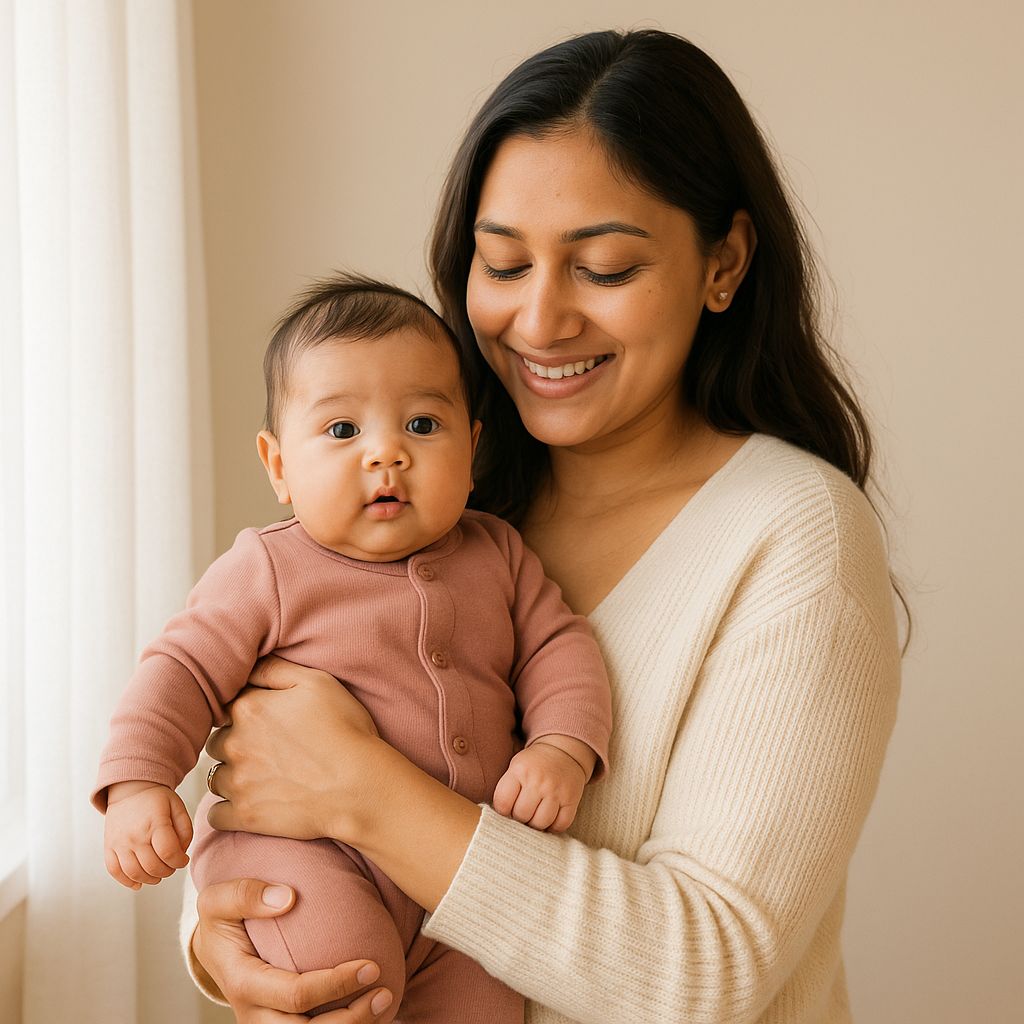
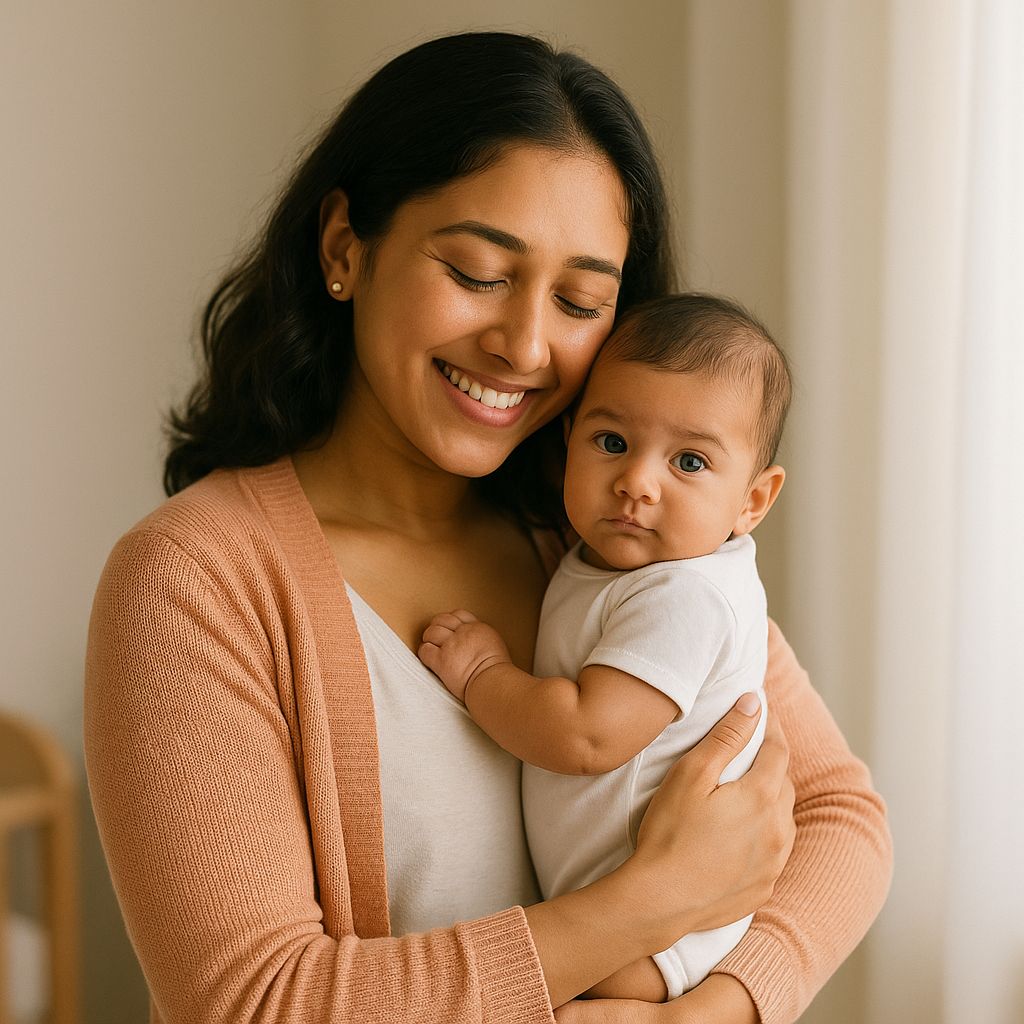
Skin-to-skin contact, gentle rocking, and holding your baby close can help regulate their nervous system. Swaddling (for younger babies) can also provide a sense of security.
3. Create a Calm Environment
Minimize loud noises, bright lights, and chaotic activity during times when your baby seems overwhelmed. Soft music, dim lighting, and calm voices can help soothe frazzled nerves.
4. Respond Promptly to Needs
Responding quickly to your baby’s cries doesn’t spoil them—in fact, it builds trust and teaches them their world is a safe place. Pick up, cuddle, and talk softly when your baby is upset.
5. Use Soothing Techniques
- Pacifiers (if your baby likes them)
- White noise machines or shushing sounds
- Gentle rocking or swinging
- Warm baths (if age-appropriate)
- Soft, familiar objects (like a favorite blanket or lovey, for older infants)
6. Limit Overstimulation
If your baby is fussy or overwhelmed, try taking a break from busy environments. Retreat to a quiet room, reduce visual stimulation, and give your baby time to reset.
7. Take Care of Yourself
Your own well-being matters! Babies sense your mood and tension. Prioritize your rest, accept help when offered, and practice self-care, even in small ways. A calm parent is the best soother for a stressed baby.
When to Seek Professional Help
Most stress in babies is temporary and resolves with comfort and support. However, reach out to your pediatrician or a child mental health professional if you notice:
- Persistent crying or fussiness that doesn’t improve
- Feeding or sleeping problems lasting more than a few weeks
- Physical symptoms like rashes, vomiting, or diarrhea
- Concerns about bonding or attachment
Trust your instincts—you know your baby best!
Frequently Asked Questions About Baby Stress
- Can babies really experience stress?
- Yes, babies are sensitive to their environment and can experience stress due to factors like overstimulation, changes in routine, or separation from caregivers. Their stress may look different than in adults but is just as real.
- What are the signs of stress in infants?
- Signs include increased fussiness, trouble sleeping or eating, physical symptoms like rashes or tummy troubles, clinginess, or withdrawing from interactions.
- How can I help my baby cope with stress?
- Create a predictable routine, provide soothing touch, minimize loud noises and bright lights, and comfort your baby through cuddling, gentle rocking, and talking softly.
- When should I seek professional help for my baby's stress?
- If stress signs persist, worsen, or interfere with feeding, sleeping, or bonding, consult your pediatrician or a child mental health professional for guidance.
- Does my own stress affect my baby?
- Yes, babies are highly attuned to their caregivers' emotions. Managing your own stress can help create a calm environment for your child.
Final Thoughts: Nurturing a Calm & Secure Baby
It’s perfectly normal for babies to experience stress from time to time—it’s part of learning about the world! The most important thing is to be attuned to your baby’s cues and respond with love and patience. By creating a secure, nurturing environment, you’re giving your child the best possible start for emotional and physical health.
Remember, you’re not alone on this journey. Reach out to friends, family, or professionals if you need support. Every baby is unique, and with your loving care, they’ll learn to navigate life’s little stresses and grow into resilient, happy kids.
For more expert parenting tips, stay tuned to Growing Giggles!