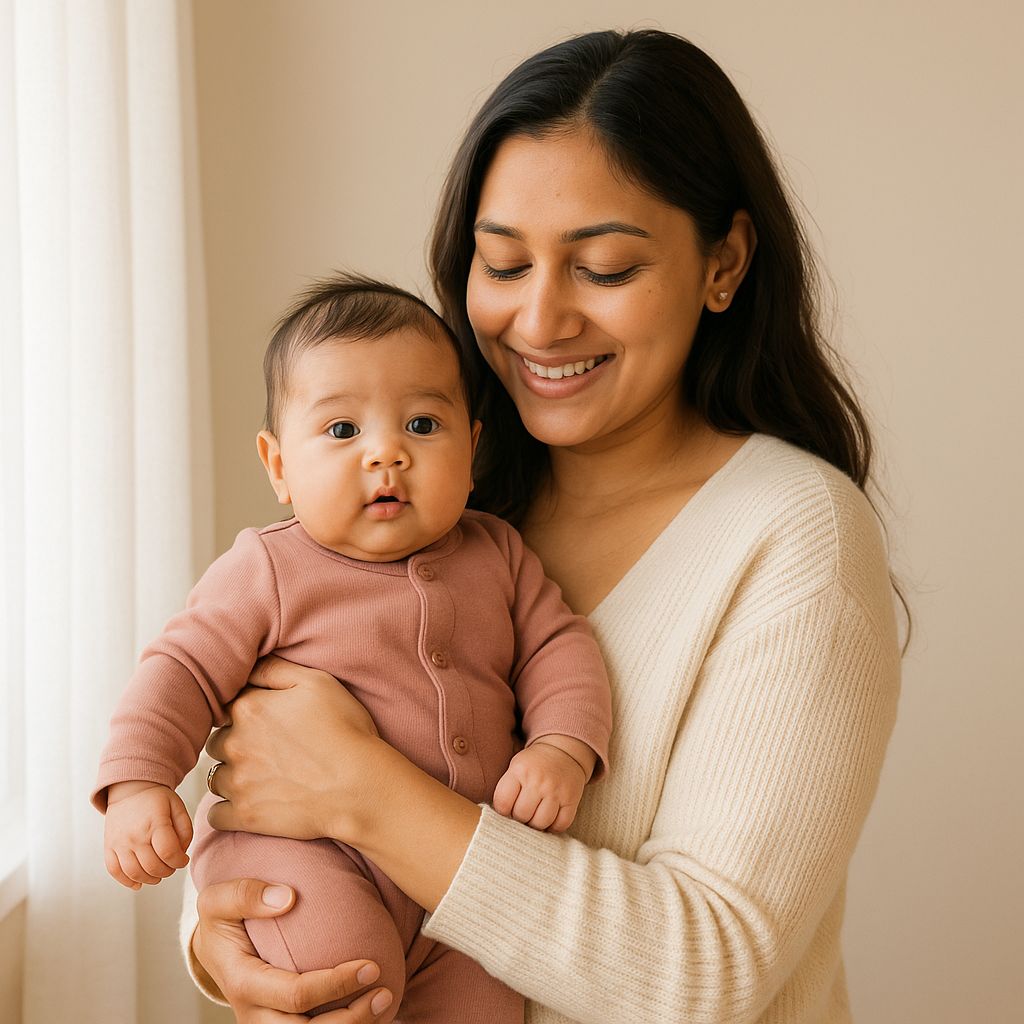

How to Strengthen Baby Immunity During Season Change
As the seasons shift from warm to chilly, or from dry to wet, parents often notice their babies becoming more prone to sniffles, coughs, and minor illnesses. These transitions bring new germs and environmental changes that can challenge your little one's developing immune system. But don't worry! With expert-backed strategies and a bit of thoughtful care, you can help your baby stay resilient and healthy through every season change.
Why Is Baby Immunity Vulnerable During Season Change?
Babies' immune systems are still maturing, which means they're not as equipped to fight off germs and viruses as older children or adults. Seasonal transitions—like moving from autumn to winter or spring to summer—introduce new allergens, pathogens, and fluctuating temperatures. These factors can increase your baby's risk of infection.
- Temperature fluctuations can stress the body.
- Humidity changes affect respiratory health.
- Higher exposure to crowds and sick individuals in colder months.
Understanding these risks is the first step in helping your baby stay healthy.
Expert Tips to Strengthen Baby Immunity
Let’s dive into actionable, expert-recommended steps for boosting your baby’s immune system during season change.
1. Prioritize Nutrition
Nourishing your baby with the right foods is one of the most effective ways to support immunity.
- Breastfeeding: If possible, continue breastfeeding as it provides antibodies and essential nutrients that help fight infections.
- Formula-fed babies: Choose formulas rich in vitamins and minerals. Consult your pediatrician about fortified options.
- Introducing solids: For babies 6 months and older, gradually add fruits (like bananas, apples), vegetables (like carrots, peas), grains, and proteins. Foods rich in vitamin C, zinc, and iron are especially beneficial.
Check for any allergies and introduce new foods slowly.
2. Maintain a Consistent Sleep Routine
Babies need plenty of sleep to help their bodies recover and build immunity. Here’s how to ensure good sleep habits:
- Follow a regular bedtime routine (bath, story, lullaby).
- Keep the room temperature comfortable—not too hot or cold.
- Use blackout curtains or white noise if needed.
- Infants: 14–17 hours/day; Toddlers: 11–14 hours/day.
Quality sleep helps your baby’s immune system stay strong.
3. Practice Good Hygiene
Simple hygiene can make a big difference in preventing illness:
- Wash your hands before handling your baby or their food.
- Sanitize toys, bottles, and pacifiers regularly.
- Keep your baby's nails trimmed to avoid germ buildup.
- Change diapers frequently and clean the diaper area well.
Tip: Use gentle, baby-safe soaps and wipes to avoid skin irritation.
4. Keep Vaccinations Up-to-date
Vaccination is a crucial line of defense against preventable diseases. Follow your pediatrician’s recommendations and keep track of immunization schedules, especially during season changes when certain infections are more prevalent.
- Ask about flu vaccines and other season-specific shots.
- Maintain a vaccination record for easy reference.
5. Dress for the Weather
Babies cannot regulate their body temperature as efficiently as adults. Dressing them appropriately is key:
- Layer clothing so you can adjust as temperatures change.
- Use hats, mittens, and socks in cold weather.
- Choose breathable fabrics for hot or humid days.
- Be mindful of sudden temperature drops (e.g., evenings).
6. Encourage Safe Physical Activity
Gentle movement supports circulation and immunity:
- Allow supervised tummy time for infants.
- Encourage crawling, rolling, and reaching.
- For toddlers, play games or walk outdoors when weather permits.
Physical activity helps your baby’s body stay resilient.
7. Limit Exposure to Sick Individuals & Crowded Places
During season transitions, viruses and germs spread easily. Protect your baby by:
- Avoiding crowded indoor places.
- Limiting contact with anyone showing signs of illness.
- Encouraging visitors to wash hands before holding your baby.
Don’t hesitate to politely decline visits if necessary.
8. Keep the Home Environment Clean
Regular cleaning keeps allergens and germs at bay:
- Dust and vacuum frequently.
- Use air purifiers to reduce airborne particles.
- Keep pets clean and away from baby’s sleeping area.
- Disinfect commonly touched surfaces.
9. Monitor for Allergies & Respiratory Issues
Seasonal changes can trigger allergies or asthma-like symptoms:
- Watch for signs like sneezing, runny nose, or wheezing.
- Keep windows closed on high-pollen days.
- Consult your pediatrician for persistent symptoms.
10. Stay Hydrated
Proper hydration is crucial, especially when temperatures fluctuate:
- Breastfeed or offer formula frequently.
- For babies on solids, add water-rich foods (like watermelon, cucumber).
- Avoid sugary drinks or juices for infants.
Understanding Common Illnesses During Season Change
Babies commonly face certain illnesses when seasons shift:
- Colds & flu: Viral infections, often spread in cooler months.
- Allergies: Triggered by pollen or dust.
- Respiratory infections: Caused by bacteria or viruses.
- Diarrhea & stomach bugs: Often due to contaminated food or surfaces.
Recognize symptoms early and consult your pediatrician for guidance.
When to See a Pediatrician
While most minor illnesses resolve with home care, contact your doctor if your baby:
- Has a high fever (over 100.4°F for infants under 3 months).
- Shows signs of dehydration (few wet diapers, dry mouth).
- Is lethargic or unusually irritable.
- Has persistent cough, wheezing, or breathing difficulty.
Never hesitate to seek professional advice if you’re concerned.
Seasonal Immunity Boosters: Natural Remedies
Some parents turn to gentle, natural remedies alongside conventional care:
- Vitamin D: Ask your doctor about supplements, especially in winter.
- Probiotics: Can support gut health and immunity (consult your pediatrician).
- Gentle massages: Help relaxation and circulation.
- Warm baths: Encourage sleep and soothe congestion.
Always check with your healthcare provider before introducing supplements or herbal products.
Parenting Through Season Change: Emotional Support
Season transitions can be stressful for parents too. Here’s how to stay calm and confident:
- Connect with other parents for advice and reassurance.
- Keep a journal of your baby’s symptoms and routines.
- Trust your instincts—no one knows your baby better than you!
- Ask your pediatrician any questions, big or small.
Remember, a little preparation goes a long way in keeping your baby happy and healthy.
Summary: Your Baby’s Immunity Checklist for Season Change
- Feed a balanced, nutritious diet
- Ensure plenty of sleep
- Maintain good hygiene
- Keep vaccinations current
- Dress appropriately for the weather
- Encourage gentle activity
- Limit exposure to illness
- Keep your home clean
- Watch for allergies or respiratory issues
- Stay hydrated
By following these steps, you’ll help your baby build a stronger immune system and enjoy every season with giggles and good health!
Frequently Asked Questions
- Why do babies get sick more often during season changes?
Babies' immune systems are still developing, making them more vulnerable during environmental changes. Temperature shifts and increased exposure to germs can trigger illness. - Can diet really help strengthen my baby's immunity?
Yes! Nutritious foods provide essential vitamins and minerals that support immune function. Breast milk, fruits, vegetables, and grains are particularly beneficial. - Is breastfeeding important for immunity?
Breastfeeding offers antibodies and nutrients that reinforce a baby’s immune defenses, especially during the first year and during season changes. - How much sleep does my baby need for good immunity?
Infants typically need 14–17 hours of sleep daily, while toddlers require 11–14 hours. Adequate sleep is vital for a strong immune system. - Should I avoid taking my baby outdoors during season changes?
Not necessarily. Fresh air and gentle sunlight are beneficial. Dress your baby appropriately and avoid crowded places or sick individuals.
Final Thoughts
Seasonal changes are inevitable, but illness doesn’t have to be. By nurturing your baby with love, nutrition, and smart habits, you’ll set them up for a lifetime of strong immunity—and plenty of joyful giggles, no matter the weather!