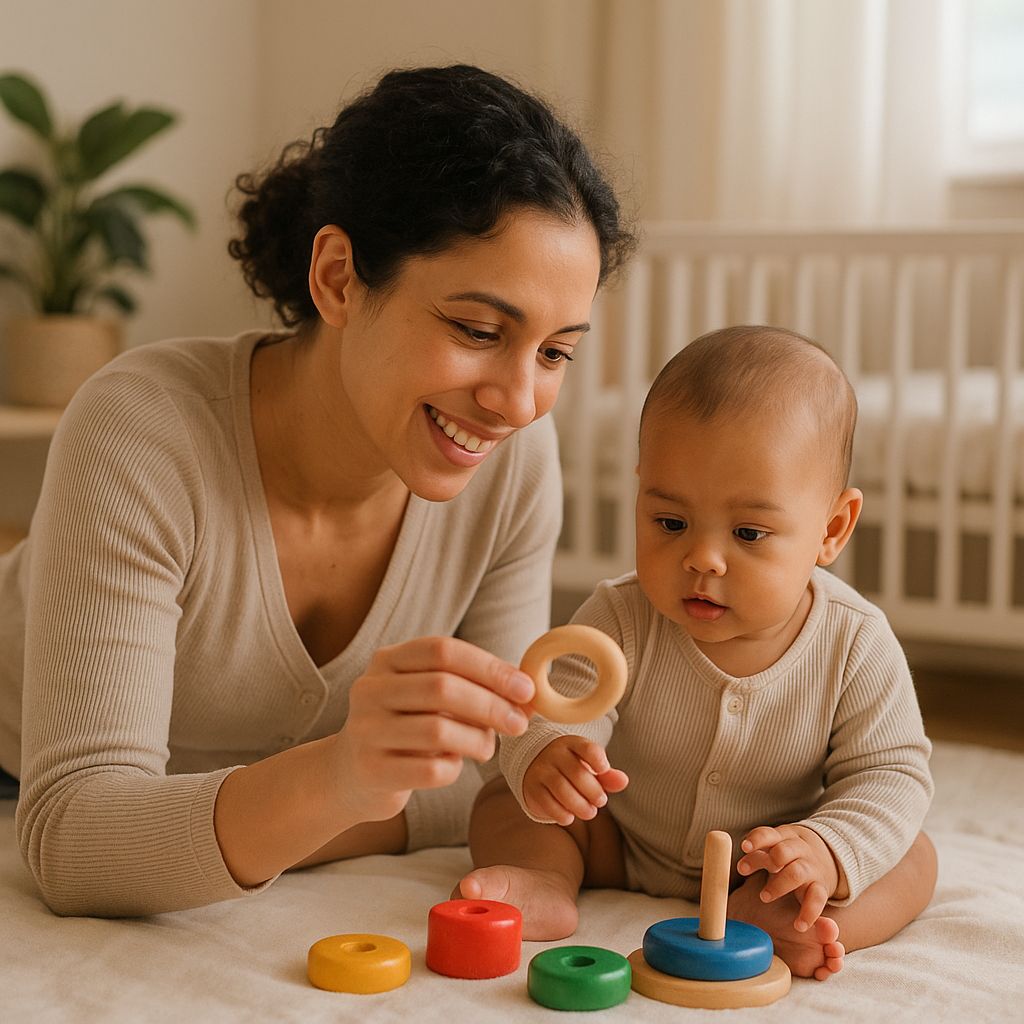

How to Stimulate Your Baby’s Mind Daily: Expert Strategies for Early Brain Development
From the moment your baby enters the world, their brain is growing and making new connections at an astonishing rate. As parents and caregivers, you play a pivotal role in shaping your baby’s early experiences and unlocking their full cognitive potential. But what does it really mean to stimulate your baby’s mind daily, and how can you incorporate these practices into everyday life? This comprehensive guide explains the science of infant brain development and offers practical, research-backed strategies to help your child thrive.
The Science Behind Baby Brain Development
During the first three years of life, your baby’s brain forms more than one million neural connections per second—a process known as synaptogenesis. These connections are the foundation for all future learning, behavior, and health. Early experiences—positive or negative—shape the architecture of the developing brain.
- Responsive interactions—where you respond to your baby’s cues—are crucial for healthy brain development.
- Repetition and routine help solidify connections and give your baby a sense of security.
- Varied sensory experiences (sight, sound, touch, taste, smell) stimulate different areas of the brain.
Why Daily Stimulation Matters
Daily stimulation isn’t about overwhelming your baby with constant activity. Instead, it’s about providing consistent, loving, and varied experiences that encourage curiosity and learning. Babies learn best through interactions with their primary caregivers and their environment.
Benefits of daily stimulation include:
- Enhanced cognitive skills (memory, attention, problem-solving)
- Stronger language and communication abilities
- Improved motor skills and physical coordination
- Better social-emotional development and attachment
Expert-Recommended Activities to Stimulate Your Baby’s Mind
Below are age-appropriate, science-backed activities you can do every day to nurture your baby’s developing brain. Most require little to no special equipment—just your time, attention, and creativity!
1. Talk and Narrate Your Day
Babies learn language long before they can speak. Narrate what you’re doing (“Now I’m putting on your socks!”), name objects around you, and describe your actions. This steady stream of language exposure helps build vocabulary and comprehension.
2. Read Aloud Daily
Reading to your baby—even from birth—introduces them to the rhythms and sounds of language. Choose bright, high-contrast board books for newborns and simple stories as they grow. Point to pictures and change your voice for different characters to make it engaging.
3. Sing and Play Music
Babies love music! Singing lullabies, clapping to the beat, or playing gentle background music stimulates auditory processing and emotional bonding. Repetition of familiar songs helps your baby anticipate what comes next, supporting memory and attention.
4. Engage in Sensory Play
Sensory experiences are the building blocks of brain development. Offer safe household objects for your baby to touch, mouth, and explore. Try:
- Soft fabrics and scarves
- Textured toys or rattles
- Simple water play (with close supervision)
- Exploring cool or warm (not hot) objects
5. Encourage Eye Contact and Facial Expressions
Locking eyes and mimicking your baby’s sounds or expressions fosters social-emotional development and helps them learn about communication and emotions. Smile, raise your eyebrows, and exaggerate your expressions to capture their interest.
6. Practice Tummy Time and Movement
Physical movement is closely linked to cognitive development. Daily tummy time strengthens neck, back, and shoulder muscles, and encourages your baby to look around, reach, and roll. Gradually increase tummy time as your baby grows.
7. Create Routines and Repetition
Babies thrive on predictable routines, which help them feel secure and understand cause and effect. Simple routines—like a bedtime story, bath, or feeding ritual—are comforting and provide opportunities for language and sensory stimulation.
8. Play Peekaboo and Simple Games
Classic games like peekaboo teach object permanence (the idea that things continue to exist even when out of sight) and build social skills. As your baby grows, try simple “hide and seek” with toys or gentle tickling games.
9. Explore the Outdoors
Nature offers endless opportunities for learning. Take walks with your baby in a carrier or stroller, pointing out trees, birds, and different sounds. Fresh air and changing environments stimulate visual and auditory processing.
10. Encourage Safe Exploration
Allow your baby to safely explore their surroundings. Place interesting (safe) objects within reach on a clean blanket. Crawling, reaching, and grasping build problem-solving skills and motor coordination.
Everyday Moments Are Learning Opportunities
Remember, every interaction is an opportunity to stimulate your baby’s mind. Bath time, diaper changes, feeding, and even grocery shopping become rich learning experiences when you engage your baby’s senses and attention:
- Describe what you’re doing (“Now I’m washing your toes!”).
- Let your baby touch safe objects (a plastic spoon, a soft washcloth).
- Make eye contact and smile during routines.
- Sing a favorite song while dressing or feeding.
Screen Time and Passive Entertainment: What to Avoid
Experts, including the American Academy of Pediatrics, recommend no screen time for babies under 18 months (except for video chatting). Passive entertainment doesn’t provide the responsive, interactive experiences needed for healthy brain development. Focus on real-world interactions and hands-on play instead.
Recognizing and Respecting Baby’s Cues
Babies signal when they are overstimulated or tired. Look for signs like turning away, fussiness, or rubbing eyes. If your baby seems overwhelmed, take a break and try again later. Short, frequent interactions are more effective than long sessions.
Adapting Activities for Different Ages
Here’s how to tailor mind-stimulating activities as your baby grows:
Newborns (0–3 months)
- Soft talking, singing, and gentle touch
- High-contrast images and toys
- Short tummy time sessions
Infants (4–6 months)
- More interactive play (peekaboo, reaching for toys)
- Exploring different textures and safe objects
- Responding to babbling and cooing
Older Babies (7–12 months)
- Encourage crawling, pulling up, and movement
- Simple problem-solving games (like dropping and retrieving objects)
- Reading interactive books (lift-the-flap, touch-and-feel)
Supporting Language Development
Language skills are a major part of cognitive development. To foster them:
- Pause after talking to let your baby “respond.”
- Imitate your baby’s sounds and add new words.
- Use a sing-song voice to capture attention.
- Label emotions (“I see you’re happy!”) to build emotional awareness.
Bonding: The Foundation for Learning
The most powerful “brain food” for your baby is a loving, secure relationship. Responsive caregiving—when you notice and respond to your baby’s needs—builds trust and forms the foundation for all learning. Holding, cuddling, and talking to your baby are just as important as structured play.
Common Myths About Baby Brain Stimulation
- Myth: Babies need lots of expensive educational toys.
Fact: Everyday objects and interactions are most effective. - Myth: More stimulation is always better.
Fact: Overstimulation can overwhelm your baby; balance is key. - Myth: Learning begins when children start school.
Fact: The foundation for learning is built in the first years of life.
When to Seek Help
Every baby develops at their own pace, but if you notice your baby isn’t making eye contact, doesn’t respond to sounds or your voice, or seems unusually passive or irritable, talk to your pediatrician. Early intervention can make a big difference.
Final Thoughts
Stimulating your baby’s mind daily doesn’t require special skills or equipment—just your loving attention and willingness to engage. By weaving simple, responsive activities into everyday routines, you’ll give your baby the best possible start on their learning journey.