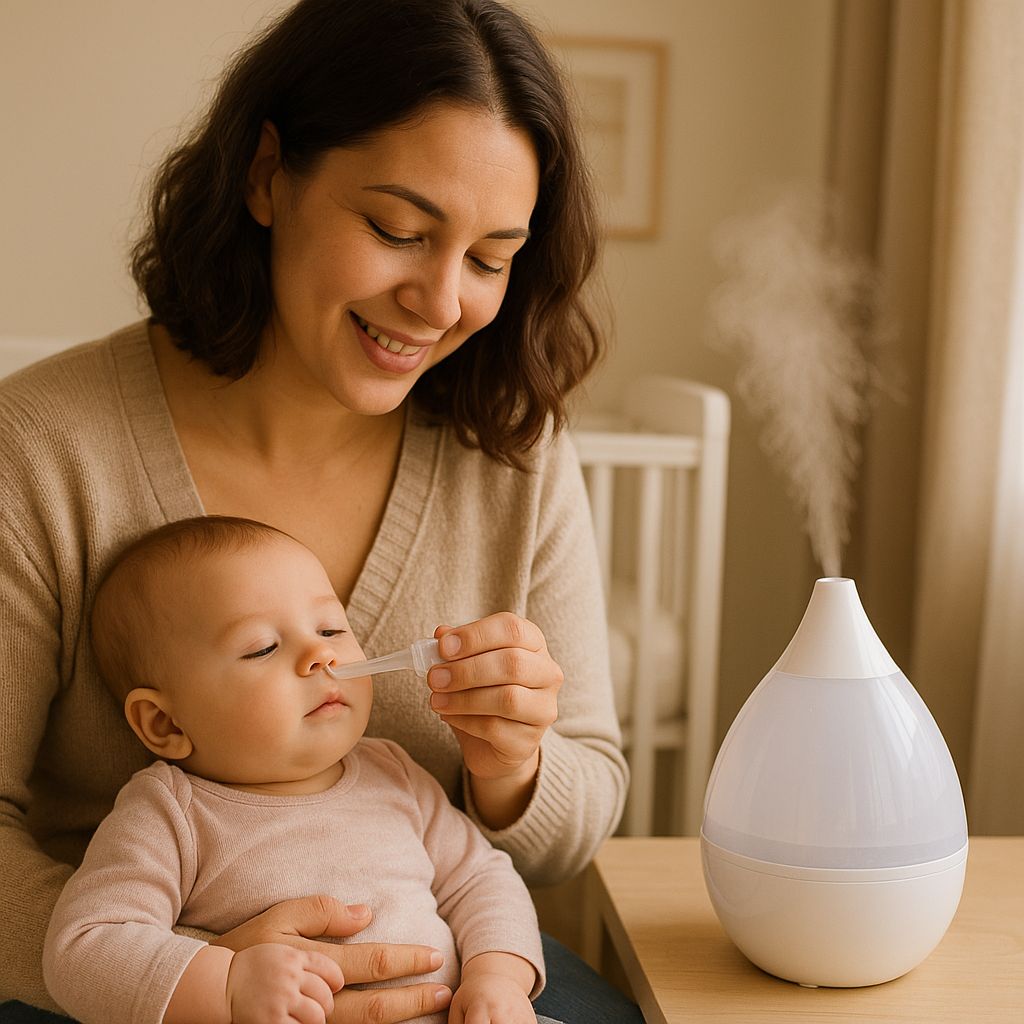

Steam, Saline or Humidifier? Best Home Remedies for Baby Congestion
Few things are more distressing for parents than seeing a baby struggle with congestion. Whether caused by a mild cold, allergies, or environmental factors, a stuffy nose can make feeding, sleeping, and breathing harder for infants. Fortunately, several safe and effective home remedies can help soothe your baby's symptoms. In this comprehensive guide, we explore the science behind steam, saline, and humidifiers, and provide expert tips on how to use them for the best results.
Understanding Baby Congestion
Congestion occurs when the nasal passages become swollen and filled with mucus. For babies, even mild congestion can be problematic because they rely heavily on nasal breathing, especially during feeding. While congestion is usually harmless and resolves on its own, persistent or severe symptoms warrant medical attention.
Common Causes of Congestion in Babies
- Viral infections (such as the common cold)
- Allergies
- Dry air or environmental irritants
- Teething
- Exposure to tobacco smoke or pollutants
Home Remedies for Baby Congestion: What Works?
Parents often wonder which home remedy is safest and most effective for their baby. The most commonly recommended options are steam, saline nasal drops, and humidifiers. Let's examine each in detail.
1. Steam: Loosening Mucus the Gentle Way
Steam therapy helps loosen thick mucus, making it easier for babies to breathe. However, caution is paramount: never expose your baby directly to hot steam or boiling water, as this poses a burn risk.
How to Use Steam Safely
- Steamy Bathroom: Run a hot shower with the bathroom door closed. When the room is filled with steam, sit with your baby (away from hot water) for 10–15 minutes. The moist air will help thin mucus.
- Monitor Your Baby: Always hold your baby during steam sessions and ensure constant supervision. Watch for signs of discomfort or overheating.
- Frequency: 1–2 times a day, especially before feeding or sleep.
Tip: Never use steam machines or bowls of hot water near infants. The risk of burns is significant.
2. Saline Drops and Nasal Suction: Pediatrician-Approved Relief
Saline nasal drops are a mainstay for infant congestion. They work by moistening and loosening thick mucus, making it easier to clear with a bulb syringe or nasal aspirator.
How to Use Saline Drops Correctly
- Choose Pediatric Saline: Only use saline drops or sprays formulated for infants. Avoid homemade solutions unless instructed by your pediatrician.
- Application: Lay your baby on their back, tilt their head slightly, and apply 1–2 drops in each nostril.
- Wait: Allow a minute or two for the saline to loosen mucus.
- Suction: Use a bulb syringe or baby nasal aspirator to gently remove mucus. Squeeze the bulb before inserting, place the tip in the nostril, then release to draw out mucus.
- Clean Devices: Wash all suction devices after each use to prevent contamination.
- Frequency: As needed, typically before feeds and sleep.
Note: Avoid overuse of suction, which can irritate nasal tissues.
3. Humidifiers: Moistening the Air for Easier Breathing
Dry air, especially during winter or in air-conditioned homes, can worsen congestion. A humidifier adds moisture to the air, preventing nasal passages from drying out and helping your baby breathe more comfortably.
Choosing the Right Humidifier
- Cool-mist humidifiers are safest for babies. Avoid warm or steam humidifiers, which pose burn risks.
- Choose models with easy-to-clean designs to prevent mold and bacteria buildup.
- Use distilled water when possible to minimize mineral deposits.
How to Use a Humidifier Safely
- Place the humidifier several feet away from your baby's crib.
- Clean and dry the device daily.
- Monitor humidity levels—ideally between 40–50%.
- Do not add essential oils or vapor rubs to the humidifier.
Extra Tips for Easing Baby Congestion
- Keep your baby hydrated: Offer frequent feeds (breast or formula).
- Elevate the head: For older infants, slightly elevating the head during sleep can help, but consult your pediatrician first.
- Gentle chest rubs: Only use products specifically formulated for babies; avoid adult vapor rubs.
- Maintain clean air: Keep your home smoke-free and avoid strong scents.
- Monitor symptoms: Watch for signs of worsening illness, such as difficulty breathing or refusal to feed.
What to Avoid
- Adult medications, decongestants, or cough syrups
- Essential oils or vapor rubs not labeled for infant use
- Direct steam inhalation or exposure to hot water
- Overuse of nasal suction
When to Call the Doctor
While most congestion is mild and self-limiting, seek medical attention if your baby:
- Has trouble breathing or rapid breathing
- Refuses feeds or appears dehydrated
- Develops a persistent fever
- Shows signs of lethargy or irritability
- Has symptoms lasting longer than a week
Frequently Asked Questions
- Is it safe to use steam for baby congestion?
- Yes, steam can help loosen mucus, but never expose your baby directly to hot steam. Instead, create a steamy bathroom by running a hot shower and sitting with your baby in the room for 10–15 minutes.
- How do saline drops help with baby congestion?
- Saline drops moisturize and loosen mucus in your baby's nose, making it easier to clear with gentle suction or allowing your baby to sneeze it out naturally.
- What type of humidifier is best for babies?
- A cool-mist humidifier is recommended for babies. It adds moisture to the air without the risks of hot water or steam, helping your baby breathe more comfortably.
- Can I use essential oils or vapor rubs for baby congestion?
- No, essential oils and vapor rubs are not safe for infants. They can cause irritation or breathing problems. Stick to pediatrician-approved remedies like saline, steam, and humidifiers.
- When should I call the doctor about my baby's congestion?
- Call your pediatrician if your baby has difficulty breathing, refuses feeds, develops a fever, shows signs of dehydration, or if congestion lasts longer than a week.
Conclusion
Baby congestion is common and usually mild, but it can be distressing for both parents and infants. Steam, saline drops, and cool-mist humidifiers are three safe, effective remedies for easing your baby's symptoms. Always use these methods with caution, follow proper techniques, and consult your pediatrician for advice tailored to your child's needs. With careful management and awareness of warning signs, you can help your little one breathe easier and feel more comfortable.
Key Takeaways
- Steam, saline drops, and humidifiers are safe, effective home remedies for baby congestion.
- Saline drops loosen mucus; humidifiers add moisture; steam eases breathing.
- Always consult your pediatrician before trying new remedies, especially for newborns.
- Avoid adult medications, essential oils, and direct steam exposure.
- Monitor your baby for signs of worsening illness and seek medical help as needed.