Speech Development Milestones (1–3 Years): A Parent’s Guide to Toddler Talk
From the adorable babble of a one-year-old to the non-stop chatter of a three-year-old, toddler speech development is an amazing journey. As parents, it’s natural to wonder: Is my child on track? How can I help? When should I worry?
This comprehensive guide will walk you through speech and language milestones from ages 1 to 3, offer practical tips for supporting your toddler’s communication skills, and help you spot signs of delay. Let’s dive into the world of toddler talk!
Why Speech Development Matters
Speech and language abilities are essential for your child’s social, emotional, and cognitive growth. Early communication paves the way for future learning, relationships, and self-expression. Understanding typical milestones helps you nurture your child’s development and identify any concerns early.
Speech Milestones: Year by Year
1 Year: Babbling and First Words
- Babbling: Your toddler’s speech journey begins with babbling—sounds like “ba-ba,” “da-da,” and “ma-ma.” Babbling is a crucial pre-speech milestone.
- First Words: Most toddlers say their first word around 12 months (“mama,” “dada,” “ball,” “bye-bye”). Some may have a few words; others none yet. Both are normal.
- Understanding: At this stage, toddlers understand simple requests (“come here,” “give me”) and recognize names of familiar people and objects.
- Gestures: Pointing, waving, and other gestures help toddlers communicate before words come easily.
2 Years: Word Explosion and Simple Sentences
- Vocabulary Growth: At 18–24 months, many toddlers experience a “word explosion”—their vocabulary jumps from a handful of words to 50 or more.
- Combining Words: By 2 years, toddlers begin combining two words (“more juice,” “bye-bye daddy,” “big truck”).
- Understanding More: Toddlers follow simple instructions (“pick up the toy”), point to objects in books, and recognize body parts.
- Pronunciation: Words may be unclear, but parents usually understand their child.
3 Years: Longer Sentences and Clearer Speech
- Complex Sentences: By 3 years, many children use 3–4 word sentences (“I want cookie,” “Mommy go work”).
- Speech Clarity: Speech becomes easier for others to understand, though some sounds may still be tricky.
- Questions and Stories: Three-year-olds ask lots of questions (“Why?” “What’s that?”) and may start telling simple stories.
- Social Communication: They use speech to express emotions, request help, and engage in back-and-forth conversation.
Speech Development Timeline (Quick Reference Chart)
| Age | Milestones |
|---|---|
| 12 months | Babbles, says 1–2 words, responds to name, uses gestures |
| 18 months | Uses 10–20 words, follows simple instructions, points to objects |
| 24 months | 50+ words, combines 2 words, names familiar items, asks for things |
| 30 months | Uses 200+ words, forms short sentences, speech is clearer |
| 36 months | Uses 3–4 word sentences, asks questions, tells simple stories |
Supporting Your Toddler’s Speech Development
Speech and language development is shaped by genetics, environment, and everyday interactions. Here’s how you can encourage your toddler’s communication skills:
1. Talk Often
Describe what you’re doing, name objects, and engage your child in conversation. Toddlers learn through listening and imitation.
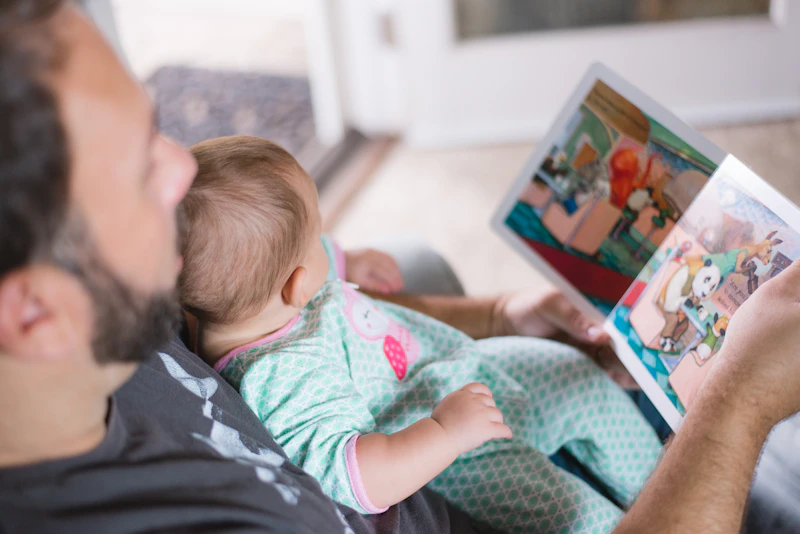
2. Read Together
Reading aloud is one of the best ways to boost language skills. Choose colorful picture books, point to objects, and ask questions (“Where’s the cat?”).
3. Sing and Play
Songs, rhymes, and finger plays (like “Itsy Bitsy Spider”) teach toddlers rhythm, vocabulary, and turn-taking.
4. Encourage Expression
Give your child time to respond. Repeat what they say, expand (“Yes, that’s a big truck!”), and praise their efforts.
5. Limit Screen Time
Interactive communication is more powerful than passive screen time. Balance technology use with real-life conversation.
Common Speech Development Questions
Is My Toddler On Track?
Speech development varies widely. Some children talk early, others later. If your child follows the general milestones and communicates in their own way, they’re likely on track.
What About Bilingual Homes?
Children raised in bilingual homes may mix languages or take slightly longer to speak fluently, but they typically catch up and benefit from enhanced cognitive abilities.
Are Boys Slower Than Girls?
Research shows that girls sometimes develop speech slightly earlier, but individual differences are more significant than gender.
Signs of Speech Delay or Language Problems
Every child is unique, but watch for these signs that might indicate a need for professional support:
- No babbling by 12 months
- No first words by 18 months
- Cannot combine two words by 2 years
- Speech is very unclear (even to parents) by 3 years
- Struggles to follow simple instructions or show understanding
- Doesn’t use gestures or seem interested in communication
If you notice these signs, consult your pediatrician or a speech-language pathologist (SLP). Early intervention leads to better outcomes.
What Causes Speech Delays?
Speech delays can result from hearing loss, developmental disorders (like autism), neurological differences, or environmental factors. Sometimes, delays are temporary and resolve with support.
How Professionals Help
Speech-language pathologists assess your child’s speech, language, and communication. They design tailored activities to strengthen skills, coach parents, and monitor progress.
Speech Development Activities for Toddlers
- Sound Games: Mimic animal noises, repeat silly sounds, and play with rhymes.
- Role Play: Pretend play (“Let’s cook!”) encourages descriptive language.
- Picture Cards: Use flash cards or picture books to name objects and actions.
- Story Time: Encourage your child to finish sentences or make up endings.
- Daily Routine Talk: Narrate everyday activities (“We’re putting on socks!”).
Frequently Asked Questions
- What are typical speech milestones for a 1-year-old?
- At 1 year, most toddlers babble, understand simple words, and may say their first word. They recognize names and react to familiar voices.
- When should I be concerned about speech delays?
- If your child isn’t babbling by 12 months, doesn’t use simple words by 18 months, or can’t combine words by 2 years, consider consulting a speech-language professional.
- How can I encourage my toddler's speech development?
- Talk to your child often, read together, describe daily activities, sing songs, and encourage your toddler to express themselves through words and gestures.
- Are boys slower at speech development than girls?
- Research shows slight differences, but both boys and girls generally follow similar speech development patterns. Individual differences are more significant.
- Can screen time affect speech development?
- Excessive screen time can limit interactive communication, which is important for speech development. Balance screen use with talking, reading, and play.
When to Seek Help
If you’re concerned about your child’s speech, trust your instincts. Early support makes a big difference. Reach out to your pediatrician or an SLP for guidance.
Final Thoughts: Every Child Is Unique
Speech and language milestones offer helpful guidelines, but remember: every toddler grows at their own pace. Celebrate your child’s progress, encourage communication, and enjoy the magical moments as their personality shines through their words!
For more expert parenting tips and resources, keep exploring Growing Giggles!