Social Skills Development in Early Childhood: Nurturing Confident Toddlers
Every giggle, squabble, and cuddle between toddlers is more than just adorable—it’s a building block for their future social skills. Early childhood is a magical stage where little ones start learning how to make friends, express themselves, and navigate the world of emotions. As parents and caregivers, you play a pivotal role in guiding these tiny humans through their first social adventures. In this article, we’ll explore the essentials of social skills development in early childhood, highlight key milestones, and share expert-backed strategies to nurture confident, empathetic toddlers.
Why Social Skills Matter in Early Childhood
Social skills are the foundation for lifelong relationships, emotional well-being, and academic success. For toddlers, social skills aren’t just about making friends—they’re about learning to communicate, cooperate, and build trust. The experiences and guidance they receive during these formative years shape their ability to engage with others, manage their feelings, and solve problems.
The Benefits of Early Social Skills
- Improved Communication: Toddlers learn to express their thoughts and listen to others.
- Emotional Intelligence: Understanding and managing emotions boosts empathy and resilience.
- Conflict Resolution: Early practice with sharing and cooperation helps toddlers handle disagreements.
- Academic Readiness: Social competence is linked to better performance in school.
- Confidence: Positive interactions foster self-esteem and independence.
Key Social Milestones for Toddlers
Every child develops at their own pace, but there are common milestones that signal healthy social development. Here’s what you can typically expect between ages 1 and 3:
| Age | Social Milestones |
|---|---|
| 12-18 months | Shows interest in other children, imitates adults, enjoys parallel play (playing alongside but not with others) |
| 18-24 months | Begins to play simple games with others, starts sharing toys (with guidance), uses basic words to communicate wants |
| 24-36 months | Engages in cooperative play, follows simple instructions, shows empathy (comforts others), understands turn-taking |
Keep in mind: Some toddlers may be naturally reserved, while others are social butterflies. The key is consistent exposure and gentle encouragement.
How Toddlers Learn Social Skills
Social skills aren’t just taught—they’re learned through experience, observation, and play. Here’s how toddlers pick up these skills:
- Observation: Watching parents, siblings, and peers interact teaches toddlers about social norms and behaviors.
- Imitation: Toddlers mimic what they see—smiling, waving, sharing, or even negotiating!
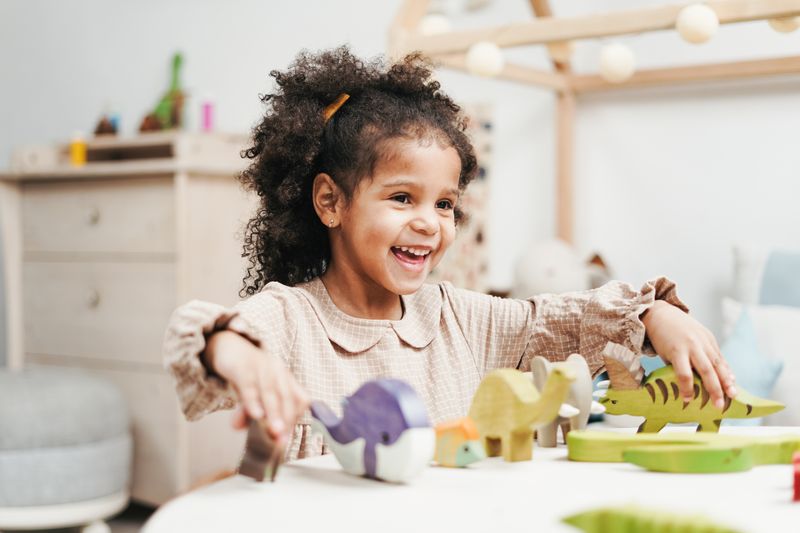
- Play: Both structured and unstructured play offer opportunities for practicing communication, turn-taking, and cooperation.
- Guidance: Gentle correction, encouragement, and explanations help toddlers understand the "why" behind social rules.
Supporting Social Development: Parent Strategies
As a parent or caregiver, your actions and reactions are your toddler’s greatest social lesson. Here’s how you can support their journey:
1. Model Positive Social Behaviors
Show kindness, patience, and respect in your interactions. Use polite language, listen actively, and demonstrate empathy—even during conflicts. Toddlers absorb these behaviors and mirror them in their own interactions.
2. Provide Opportunities for Peer Interaction
Arrange playdates, attend group activities, or visit local parks. Exposure to other children helps toddlers learn sharing, cooperation, and friendship skills. Keep group sizes small to avoid overwhelming your child, especially if they’re shy.
3. Encourage Emotional Expression
Help your toddler name their feelings: "You look sad because your toy broke." Validate their emotions and teach them to express themselves verbally rather than through tantrums or aggression.
4. Teach Sharing and Turn-Taking
Use games and daily routines to introduce the concepts of sharing and taking turns. For example, "It’s your turn to put the puzzle piece," or "Let’s share the crayons." Celebrate successes and gently guide through challenges.
5. Guide Conflict Resolution
When squabbles arise, step in calmly. Encourage toddlers to use words: "Tell your friend you want a turn." Offer simple solutions and praise their efforts to resolve issues peacefully.
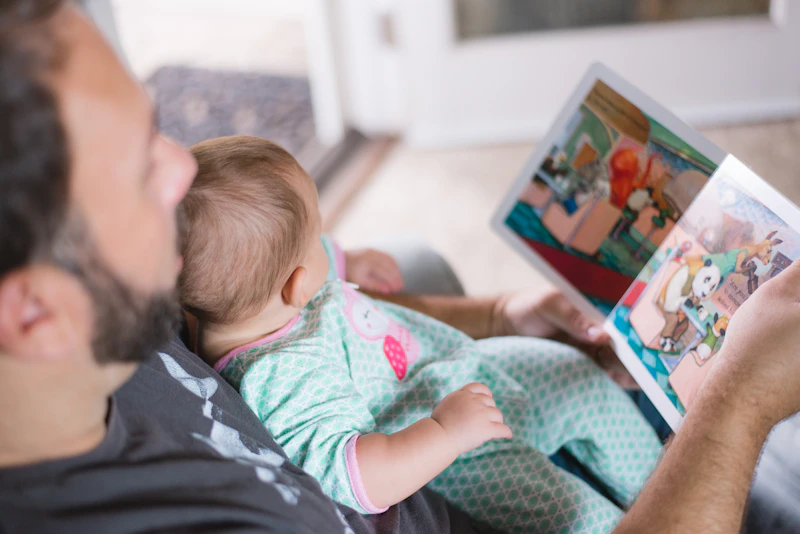
6. Read Books About Friendship and Feelings
Storytime is a fantastic way to introduce social concepts. Choose books that explore sharing, kindness, and emotions. Discuss the characters’ actions and feelings after reading.
Play-Based Activities to Foster Social Skills
Play is the language of toddlers! Here are some engaging activities that boost social skills while keeping things fun:
- Role-Playing: Pretend to be different characters (doctor, chef, teacher) and act out social scenarios together.
- Group Games: Simple games like "Duck Duck Goose," "Simon Says," or "Ring Around the Rosie" teach cooperation and listening.
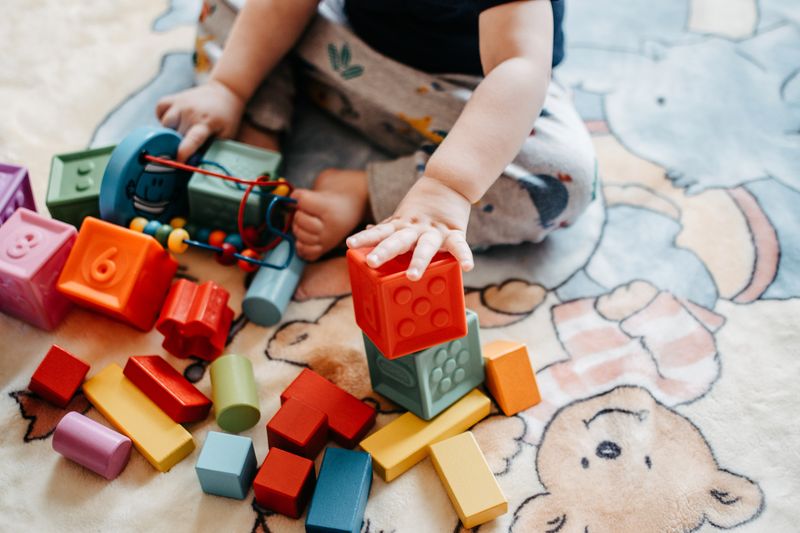
- Art Projects: Collaborative art (painting, building with blocks) encourages sharing and teamwork.
- Music and Dance: Singing and dancing in a group helps toddlers sync their movements and follow rhythms together.
- Nature Walks: Explore outdoors in small groups—spotting birds, collecting leaves, and sharing discoveries.
Recognizing and Addressing Challenges
Some toddlers may find social situations stressful or confusing. Signs of social difficulty include frequent aggression, withdrawal, or trouble communicating. Here’s how to help:
- Stay Patient: Social skills take time. Celebrate small victories and avoid harsh criticism.
- Use Visual Aids: Charts or pictures can help teach turn-taking or sharing.
- Offer Extra Support: If your child struggles significantly, consult your pediatrician or an early childhood specialist.
- Encourage Positive Peer Models: Arrange playdates with children who display good social skills.
Social Skills and Cultural Differences
Social norms vary across cultures, and toddlers may encounter different expectations at home, daycare, or in the community. Embrace diversity by introducing your child to a variety of social settings and teaching respect for others’ traditions and values.
Building Emotional Intelligence
Emotional intelligence is central to social skills. Help your toddler recognize their own feelings and those of others. Teach empathy by discussing how actions affect friends: "How do you think your friend felt when you took their toy?" Practice apologizing and forgiving—essential skills for lifelong relationships.
What If My Toddler Is Shy?
Shyness is perfectly normal in early childhood. Some children need more time to warm up to new people or situations. Respect their pace and avoid forcing interactions. Offer gentle encouragement, praise brave moments, and provide opportunities for small group play rather than large crowds.
When to Seek Help
Most toddlers will gradually develop social skills with guidance and practice. However, if your child shows persistent difficulties—such as extreme aggression, inability to engage with peers, or lack of interest in social interaction—it may be helpful to consult your pediatrician or a child development specialist. Early support can make all the difference.
Conclusion: Raising Socially Savvy Toddlers
Social skills development in early childhood is a journey filled with joy, challenges, and countless learning moments. By modeling positive behaviors, offering consistent support, and creating opportunities for play and interaction, you’re helping your toddler become a confident, compassionate friend, communicator, and problem-solver. Remember, every small step counts—so celebrate those giggles, hugs, and budding friendships. The world is a better place with your little one in it!
Frequently Asked Questions
- What are the key social skills for toddlers?
- Key social skills for toddlers include sharing, taking turns, expressing emotions appropriately, listening, and beginning to empathize with others.
- How can parents help toddlers develop social skills?
- Parents can encourage social skills by modeling positive interactions, providing opportunities for play with peers, teaching emotional vocabulary, and guiding conflict resolution.
- What social milestones should I look for in early childhood?
- Milestones include showing interest in other children, playing alongside peers, sharing toys, following simple instructions, and starting to understand emotions.
- Are structured activities or free play better for social development?
- Both are important. Structured activities provide guidance and teach cooperation, while free play fosters creativity and independent social problem-solving.
- What should I do if my toddler struggles with social skills?
- Stay patient, provide gentle guidance, and offer more opportunities for social interaction. If concerns persist, consult your pediatrician or an early childhood specialist.
Resources for Parents
- Zero to Three
- CDC: Positive Parenting Tips for Toddlers
- National Association for the Education of Young Children
If you’re looking for more guidance, connect with your local parenting group or consult an early childhood educator. Together, you can create a nurturing environment where your toddler’s social skills will blossom!